Filters

7 filtered results

Clear all filters
Favorites
With answer key
Interactive

7 filtered results

Difficulty Level

Grade


Discover the ideal resource for fostering literacy with our Spelling Practice Elementary Phonics Worksheets. Designed for young learners, these worksheets enhance phonetic understanding, improve spelling skills, and boost vocabulary. Each worksheet offers engaging activities tailored to the needs of elementary students, encouraging interactive and effective learning. From identifying letters to forming simple words, our exercises create a strong foundation in reading and writing. Perfect for classroom use or at-home practice, these sheets make spelling fun and accessible. Start strengthening elementary spelling abilities today with well-structured, enjoyable practice that supports educational growth and confidence.

Check out this FREE Trial Lesson on Elementary Phonics!

Sight Word Review

Favorites
With answer key
Interactive
  • Spelling practice
  • Elementary Phonics
Words: Assessment 2 Worksheet

Words: Assessment 2 Worksheet

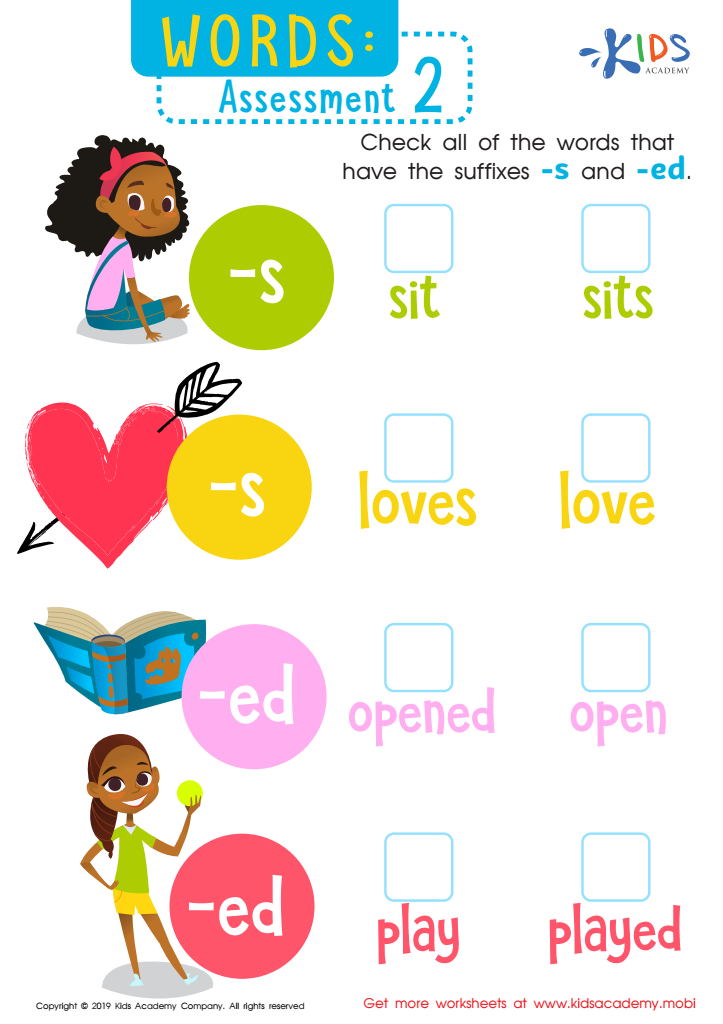
Test your child’s knowledge of -s and -ed word endings with this fun worksheet! They'll look at images and read the words, then choose the correct suffix to finish each one. Vivid illustrations make this an enjoyable learning experience!
Words: Assessment 2 Worksheet
Worksheet
Words: Assessment 4 Worksheet

Words: Assessment 4 Worksheet

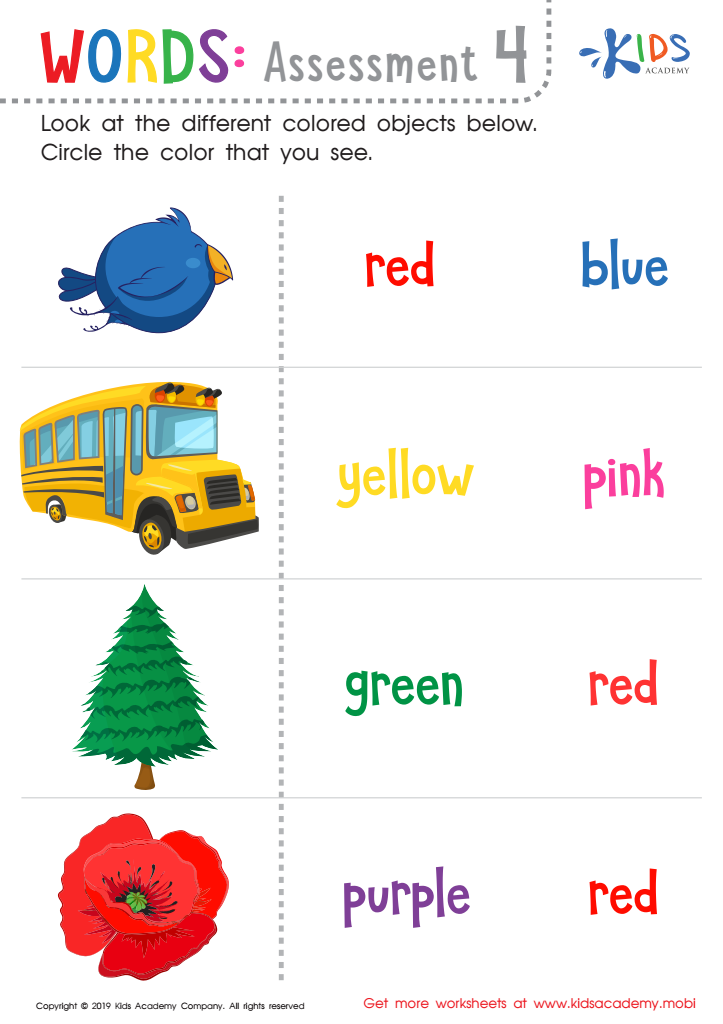
Look at the pictures and have your child circle the color they see. This free worksheet is great for assessing their knowledge of vocabulary words. It offers familiar images with words for kids to read and match with the colors. Help your child build their reading and understanding skills with this fun activity!
Words: Assessment 4 Worksheet
Worksheet
Word Matching Game Worksheet

Word Matching Game Worksheet

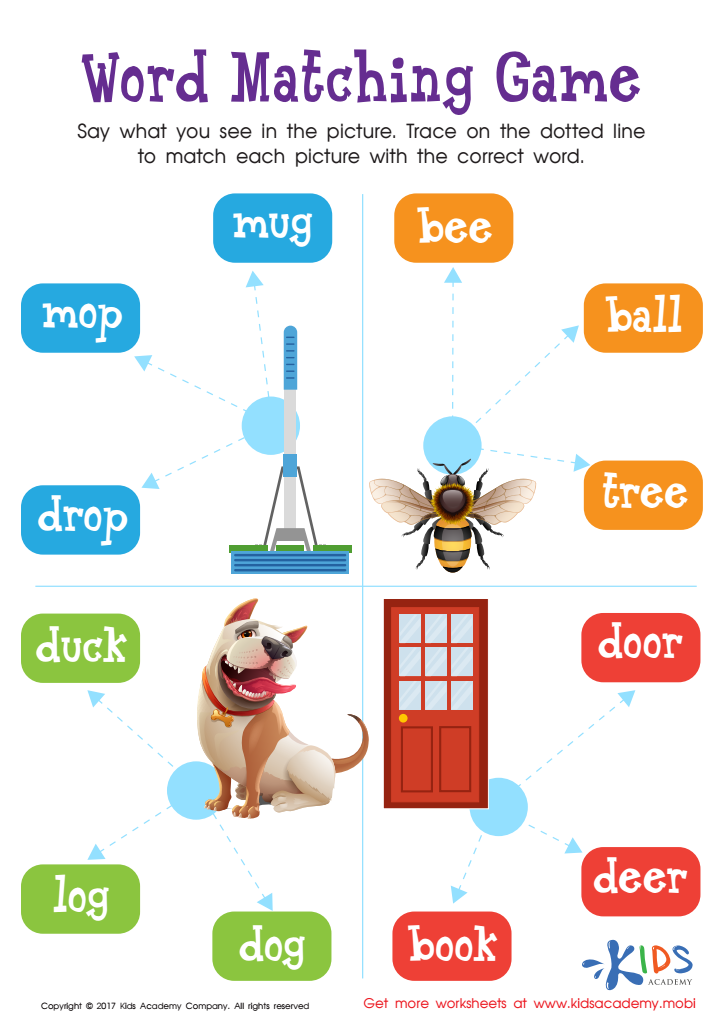
Help your early reader develop prereading skills with this fun matching worksheet! Visual cues help them learn sight words, decode words in word families, and identify phonetic patterns. They'll practice discerning sounds past initial consonants while saying the name of the picture and finding the matching word - and reading at the same time!
Word Matching Game Worksheet
Worksheet
Tricky Words Worksheet

Tricky Words Worksheet

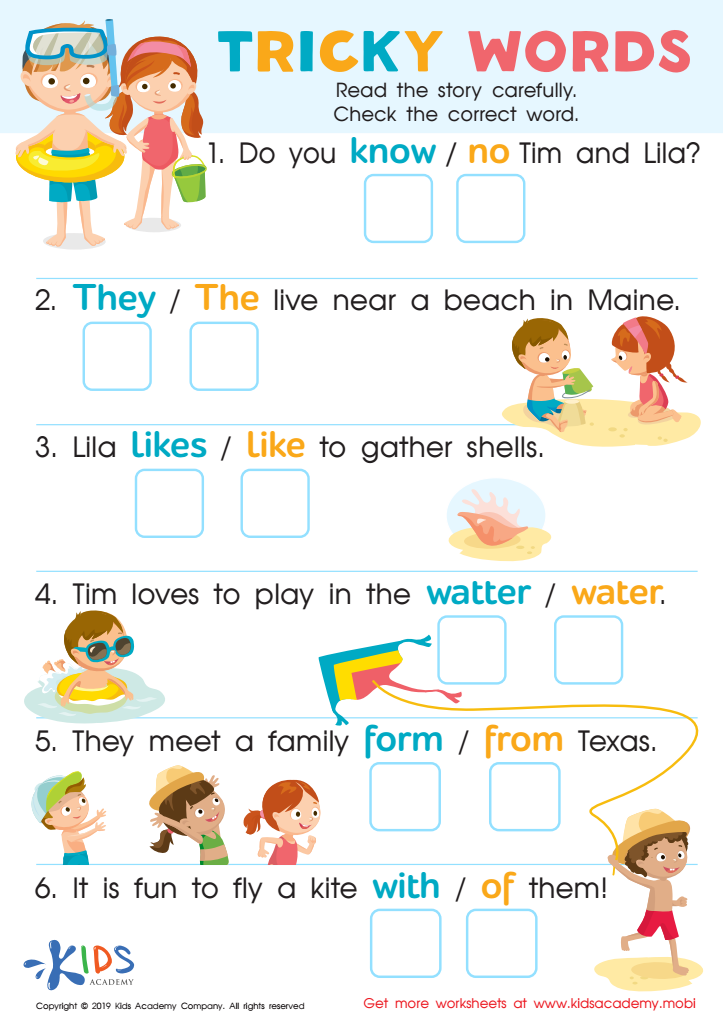
Reading can be tricky to start with, but this worksheet helps kids learn the basics of editing and strengthens their attention to detail. They'll select the right word from tricky choices, improving their reading and grammar skills.
Tricky Words Worksheet
Worksheet
Long I Vowel Team Coloring Worksheet

Long I Vowel Team Coloring Worksheet

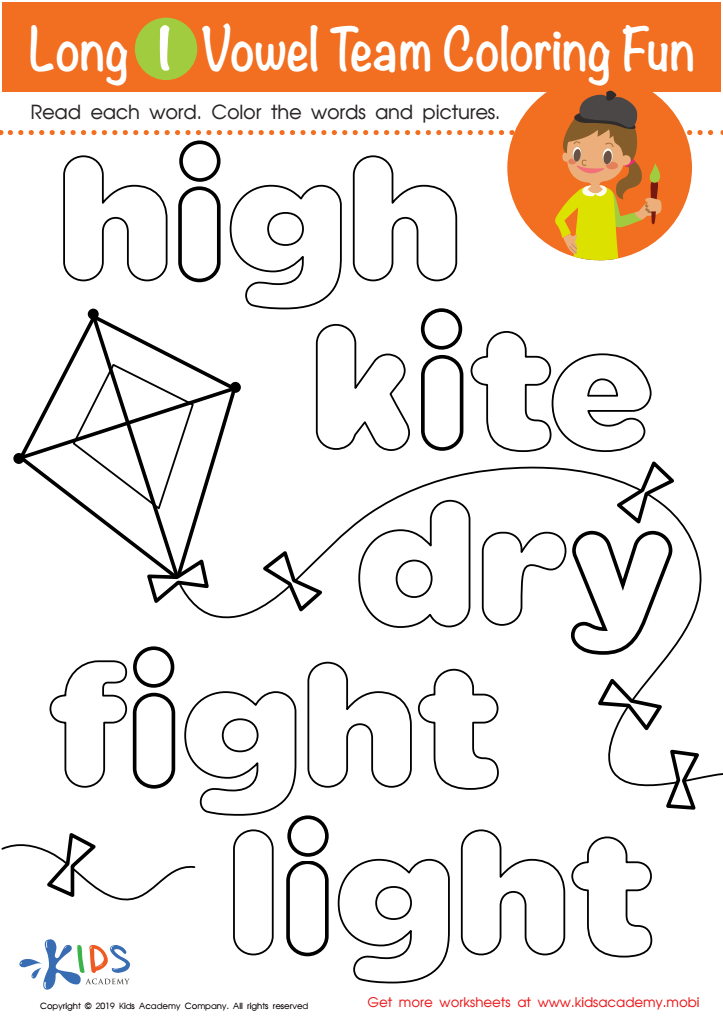
This worksheet provides practice with letter combinations that make the long "i" sound while enhancing creativity and motor skills with a fun coloring activity. Unknowingly, new readers learn key phonics skills while having fun!
Download (PDF)
Assign to My Students
Long I Vowel Team Coloring Worksheet
Worksheet
Phonological Awareness: Assessment 5 Worksheet

Phonological Awareness: Assessment 5 Worksheet

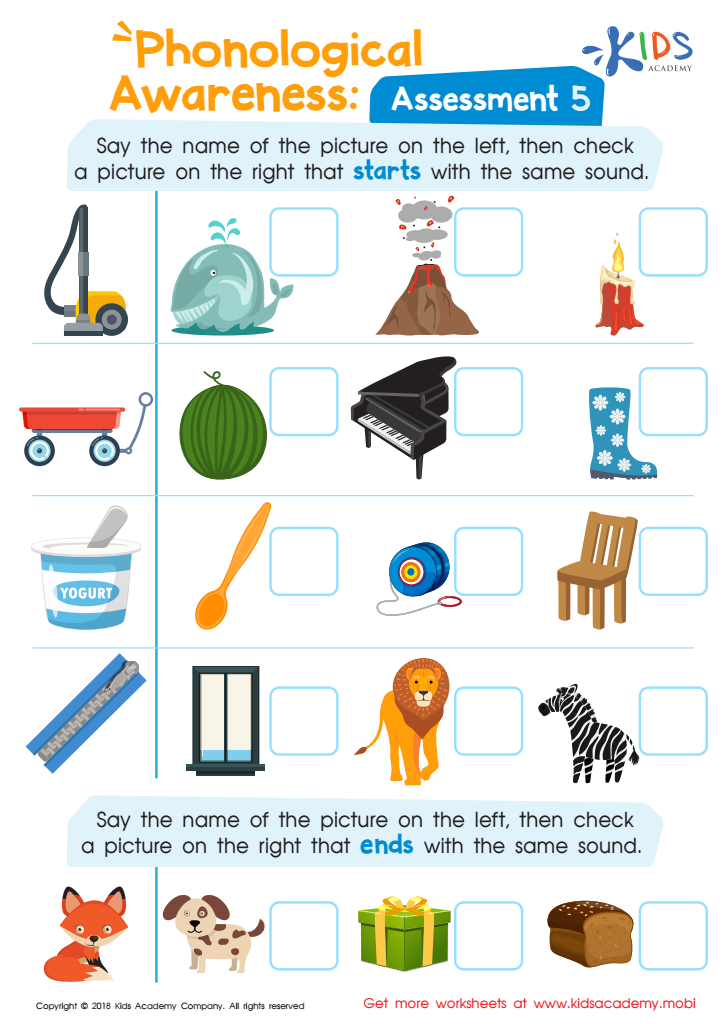
Repetition is key to success! This worksheet tests kids' ability to match beginning and ending sounds in words. Instruct them to say each word and listen closely to the sounds they make. Focus on the starting sounds for the first four pics, then the last one to hear ending sounds and find the right match!
Phonological Awareness: Assessment 5 Worksheet
Worksheet
Homophones: Crayons Worksheet


Homophones: Crayons Worksheet

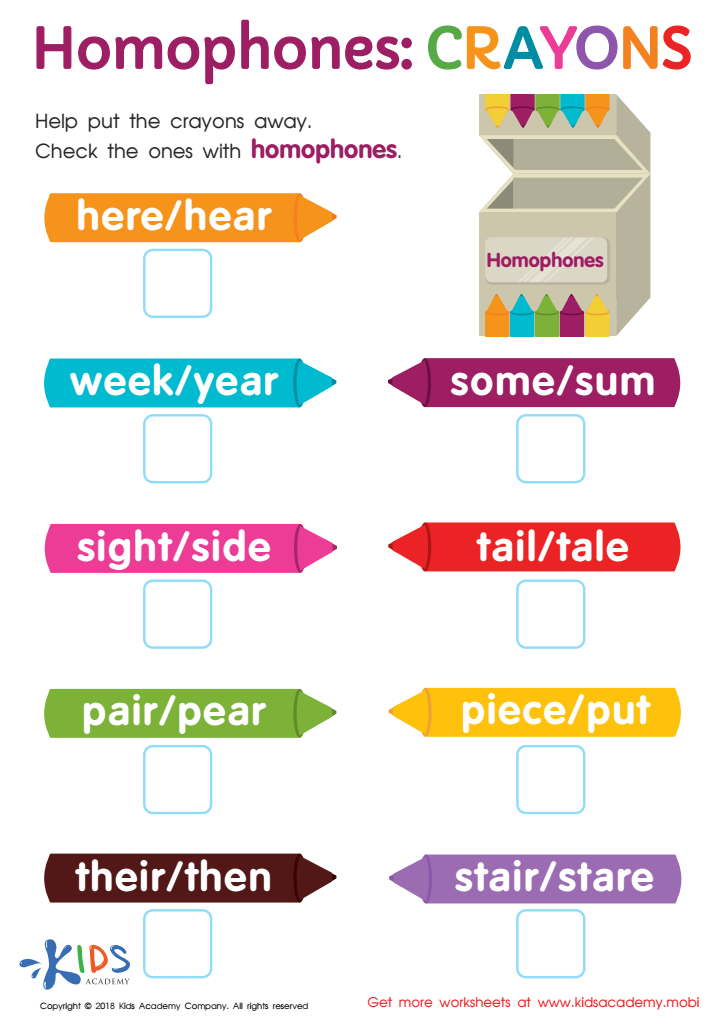
Ask your kids: "What are homophones?" Explain that homophones are words that sound alike but have different meanings, like 'dare' and 'deer'. Ask them to identify homophones by putting the crayons in this printout away according to the words.
Homophones: Crayons Worksheet
Worksheet


Parents and teachers should prioritize spelling practice in elementary phonics because it lays the foundational skills essential for reading and writing. Children at an early age are highly receptive to learning and developing cognitive skills. Incorporating spelling practice helps strengthen their understanding of phonemic awareness—the ability to link sounds with letters, which is critical for decoding words. This skill is indispensable for reading fluency and comprehension, enabling students to independently explore texts and gather information.

Regular spelling practice also enhances vocabulary acquisition and retention. When children learn to spell, they engage with words more deeply, understanding their meanings, patterns, and structures. This familiarity allows them to use words accurately and confidently in written and spoken communication.

Additionally, consistent practice cultivates good study habits, attention to detail, and reinforces memory skills. It can build self-esteem, as children proudly grasp new words and showcase increased linguistic capability. Addressing spelling early allows educators and parents to identify and support children struggling with dyslexia or other learning challenges, ensuring early intervention and tailored support.

Ultimately, mastering spelling and phonics in the elementary years sets the groundwork for academic success, opening the door to lifelong literacy and learning.