Color Identification Alphabet Worksheets
6 filtered results
-
From - To
Enhance your child's learning with our engaging Color Identification Alphabet Worksheets! Designed for early learners, these worksheets are a fun and interactive way to help children associate colors with letters. Each page features vibrant illustrations that match a specific color to a corresponding letter, encouraging kids to explore the alphabet while developing their color recognition skills. Perfect for classroom activities or home practice, these printables promote literacy and creativity. With a focus on visual learning, your child will enjoy mastering colors and letters, setting a strong foundation for future academic success. Download our Color Identification Alphabet Worksheets today!
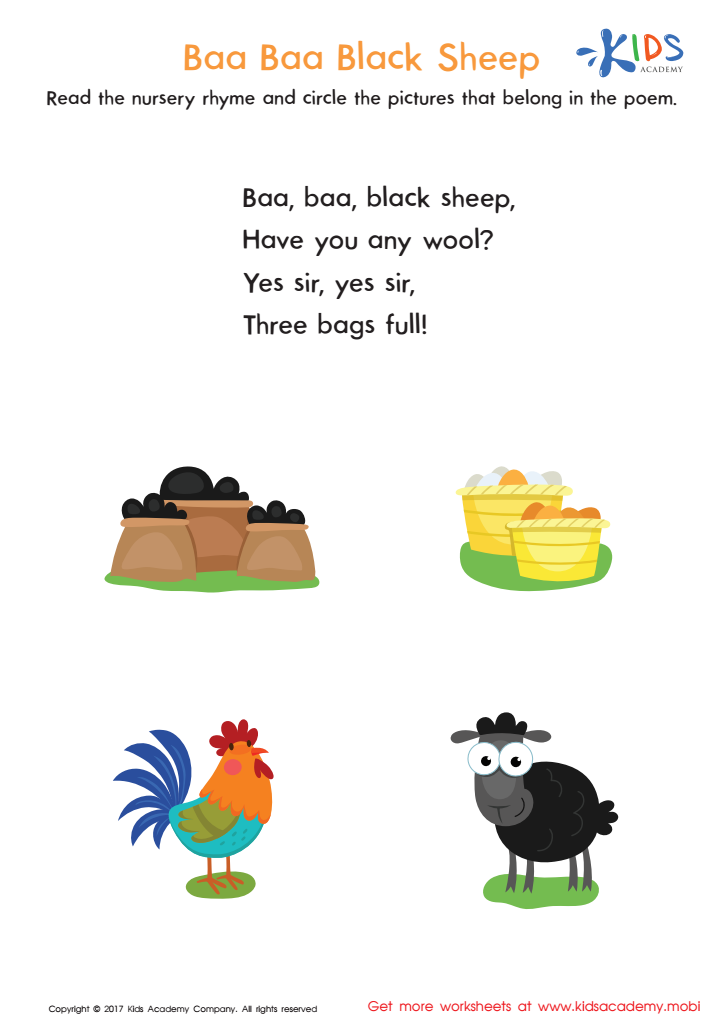
Baa Baa Black Sheep Printable
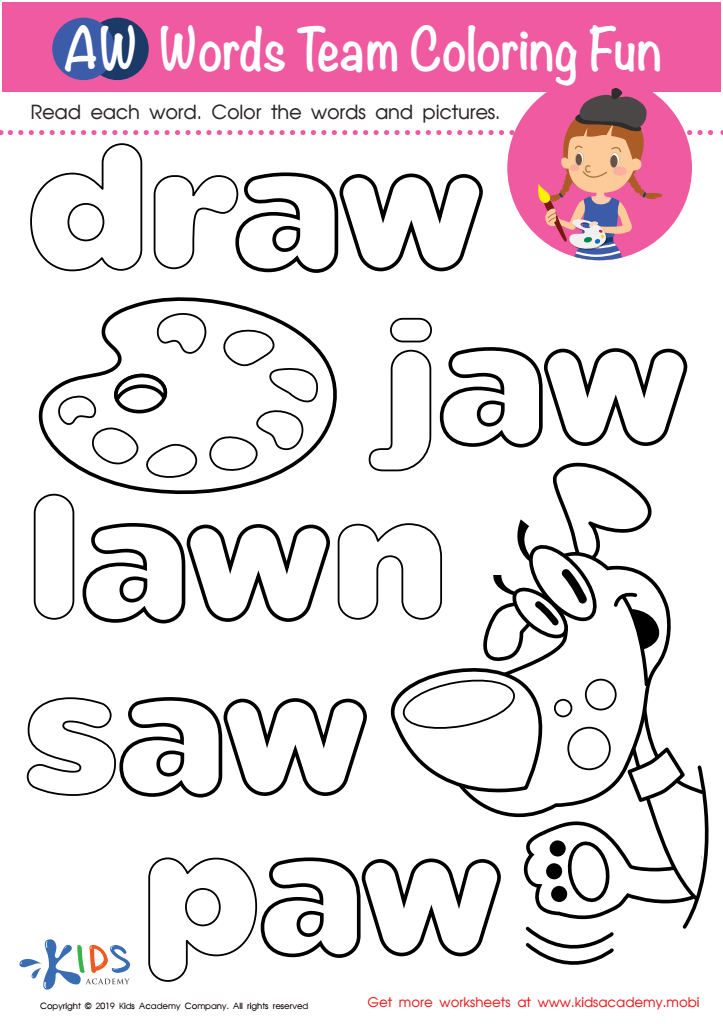
AW Words Team Coloring Fun Worksheet
 Assign to My Students
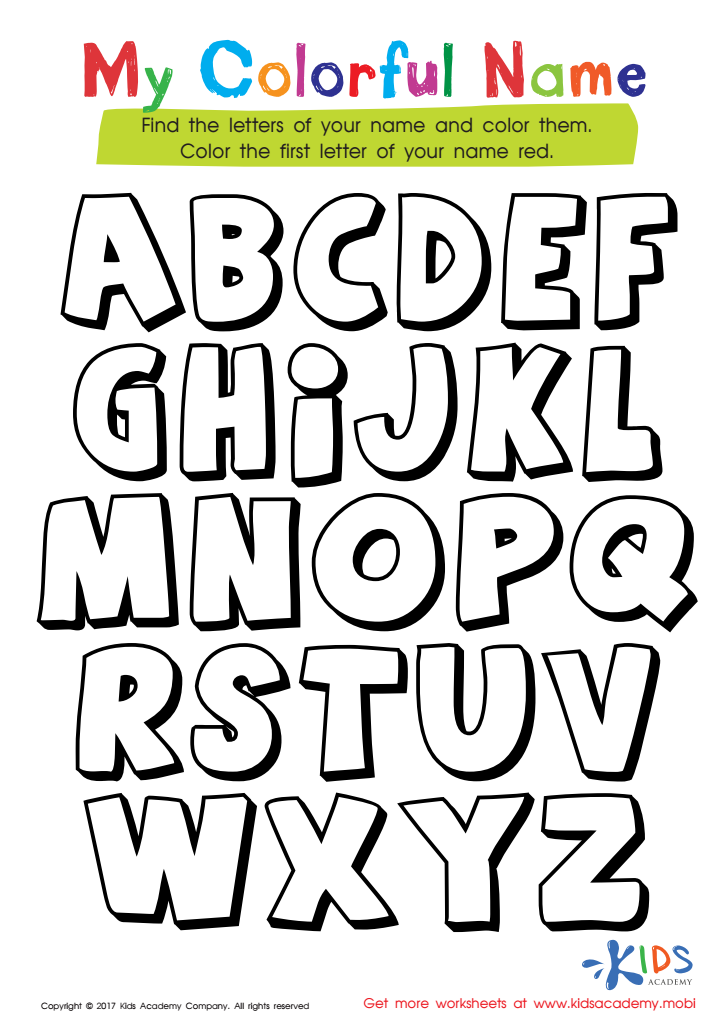
My Colorful Name Worksheet
Assign to My Students
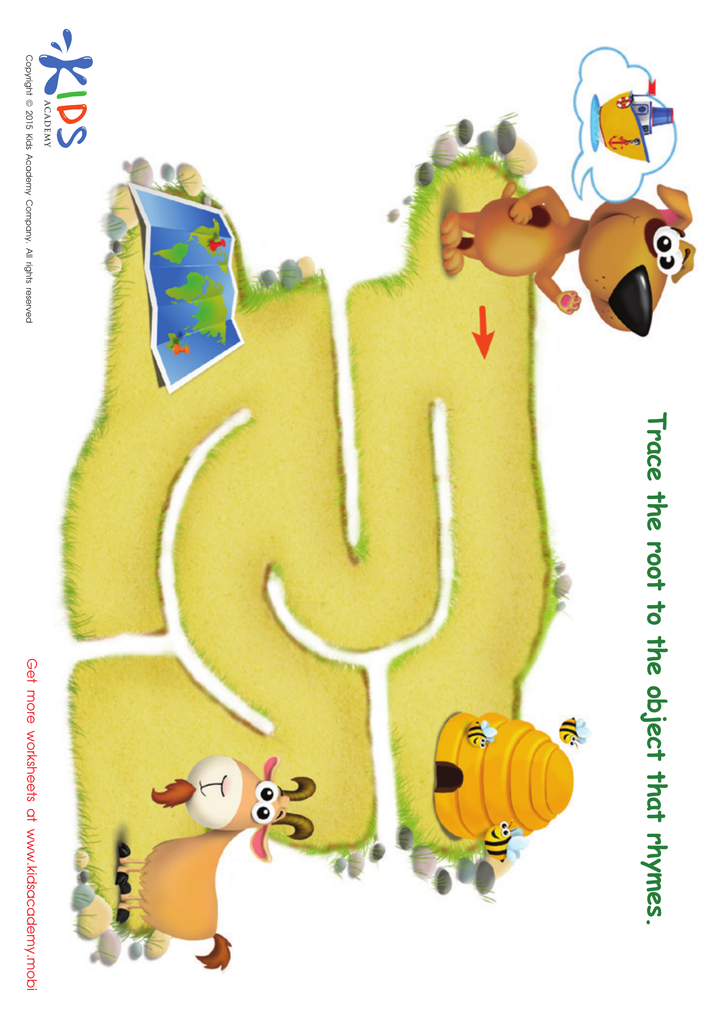
Boat Rhyming Words Worksheet
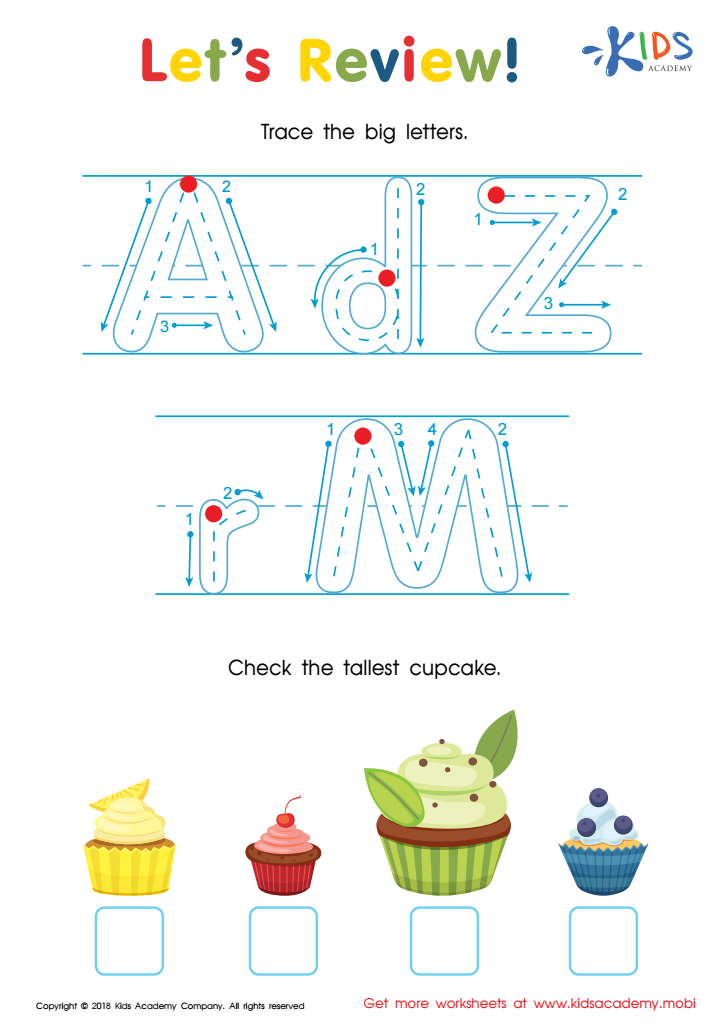
Let's Review! Big Letters Worksheet
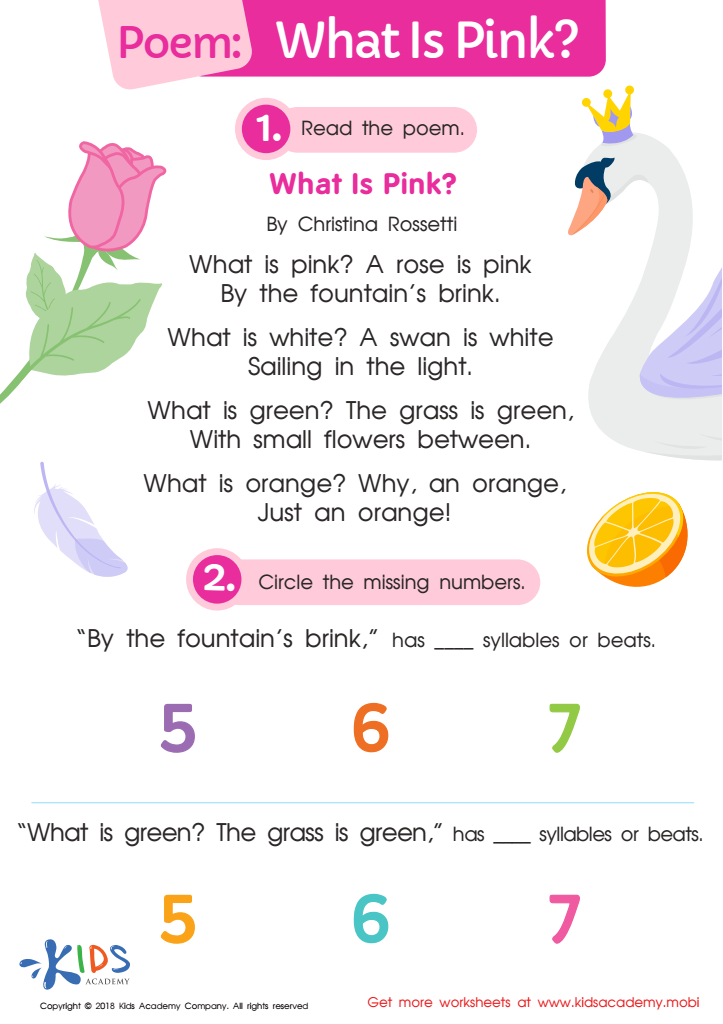
Poem: What Is Pink? Worksheet







The Color Identification Alphabet is an essential tool in early childhood education. Understanding colors is a fundamental skill that lays the groundwork for more complex learning. Parents and teachers should care about it for several reasons.
Firstly, recognizing colors helps children develop visual discrimination skills, enhancing their ability to differentiate and categorize objects in their environment. This is crucial for their overall cognitive development. Secondly, associating colors with letters can reinforce language acquisition; children learn to name colors and recognize initial sounds, thus linking language with visual elements in their world.
Furthermore, learning colors contributes to emotional and social development. For example, activities involving colors encourage collaborative play, allowing kids to express their ideas, share resources, and develop teamwork skills. Involving parents in color identification activities can also strengthen family bonds, making learning a fun, shared experience at home.
Ultimately, focusing on the Color Identification Alphabet promotes not only academic growth but also holistic development, paving the way for a well-rounded educational foundation. By incorporating this concept into learning, parents and teachers can create engaging learning experiences that benefit children's cognitive, social, and emotional growth.







