Fine Motor Skills Letter P Worksheets
3 filtered results
-
From - To
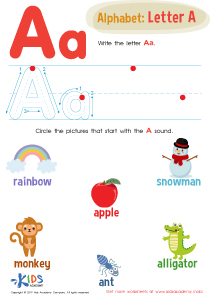
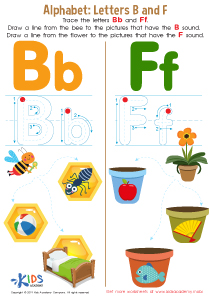
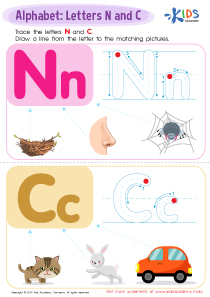
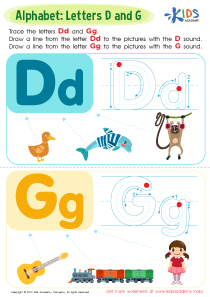
Enhance your child's fine motor skills with our engaging "Letter P Worksheets"! These worksheets are specifically designed for young learners, combining play and education to improve their dexterity. Each activity focuses on tracing, counting, and connecting letter P with fun illustrations that capture children's attention. As your child practices gripping pencils or crayons, they will develop the necessary hand movements essential for writing. Our resources facilitate early literacy while ensuring that learning remains enjoyable. Perfect for homeschool settings, supplemental learning, or classroom activities, these worksheets support your child's growth in both fine motor skills and letter recognition. Download and spark creativity today!
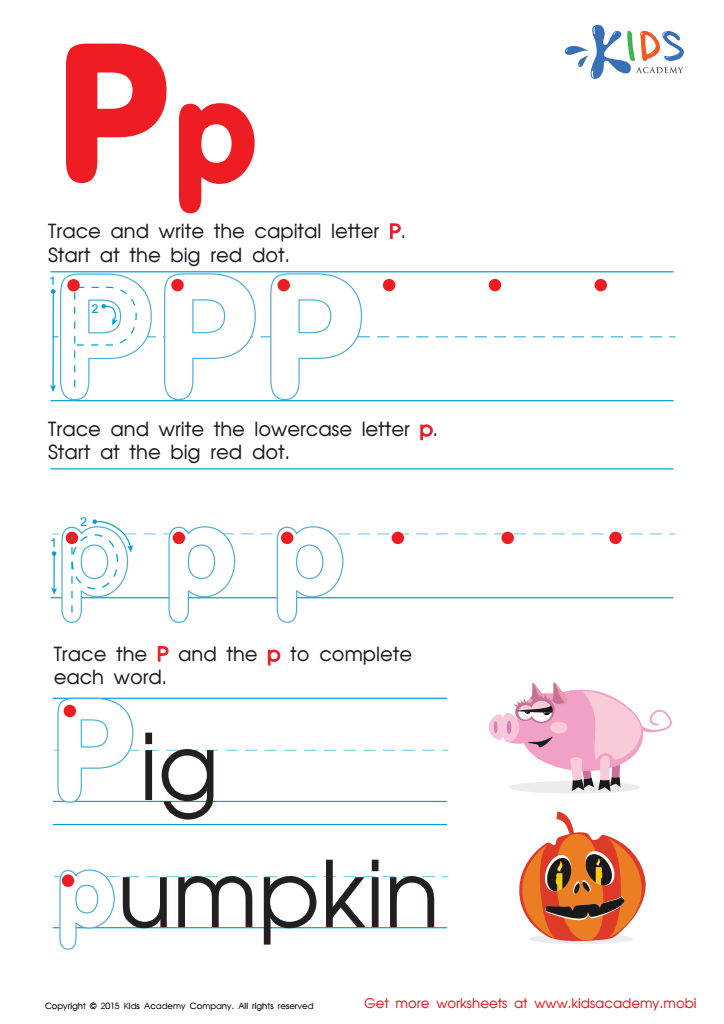
Letter P Tracing Page
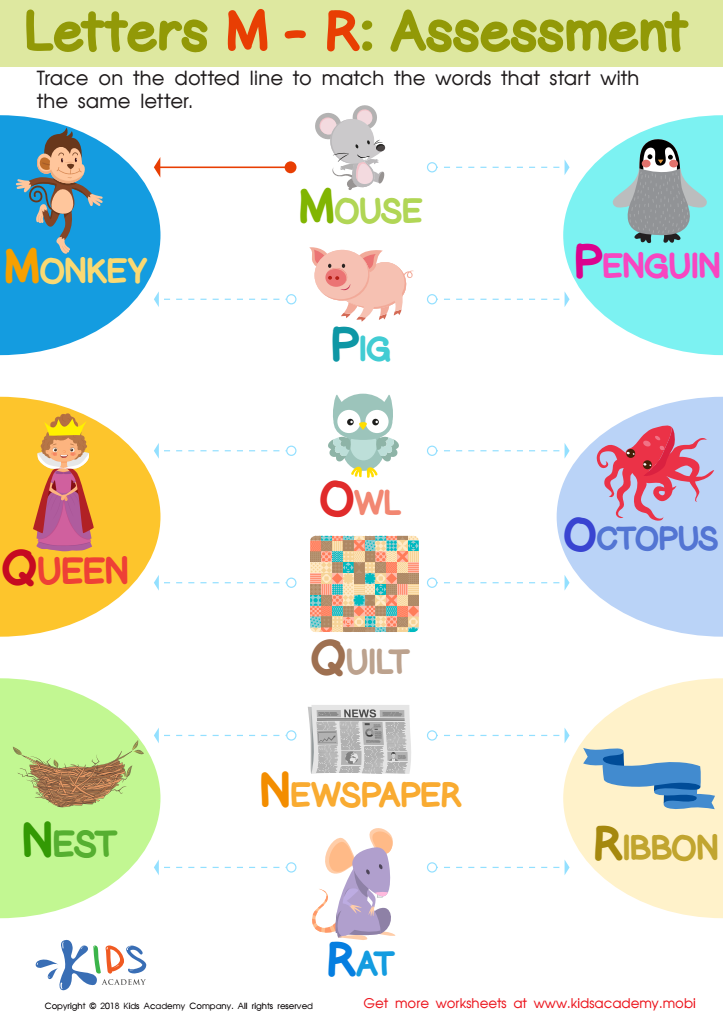
Letters M-R Tracing Worksheet
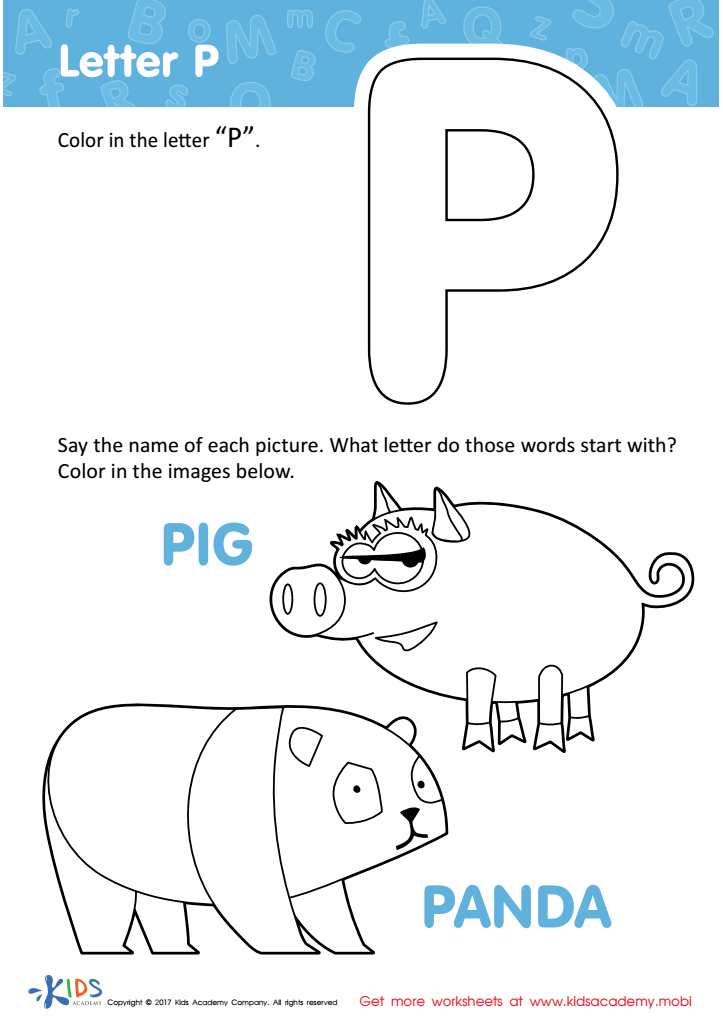
Letter P Coloring Sheet
 Assign to My Students




Fine motor skills are essential for children's overall development, influencing their ability to perform everyday tasks and engaging in academic activities. Focusing on the letter "P," parents and teachers should care about fine motor skills because they play a critical role in developing essential skills such as writing, drawing, and manipulating objects.
Introducing fine motor activities related to the letter "P" can involve projects like cutting out shapes of penguins, playing with playdough to form the letter, or practicing pencil grips for writing. These tasks enhance hand-eye coordination, dexterity, and finger strength, which are crucial for the smooth execution of tasks like tying shoes, buttoning clothes, or using utensils.
Moreover, strong fine motor skills can boost a child's confidence in school. Children who struggle with these skills may experience frustration, leading to a negative impact on their learning experience. Encouraging fine motor development through engaging activities not only prepares children for academic success but also contributes to their functional independence.
Incorporating fine motor skill practice into daily activities fosters a love for learning and exploration, helping children build a solid foundation for future development. Thus, parents and teachers should prioritize fine motor skills to enhance overall child outcomes and promote lifelong learning.