Fine Motor Skills Letter Recognition Worksheets - Page 3
63 filtered results
-
From - To
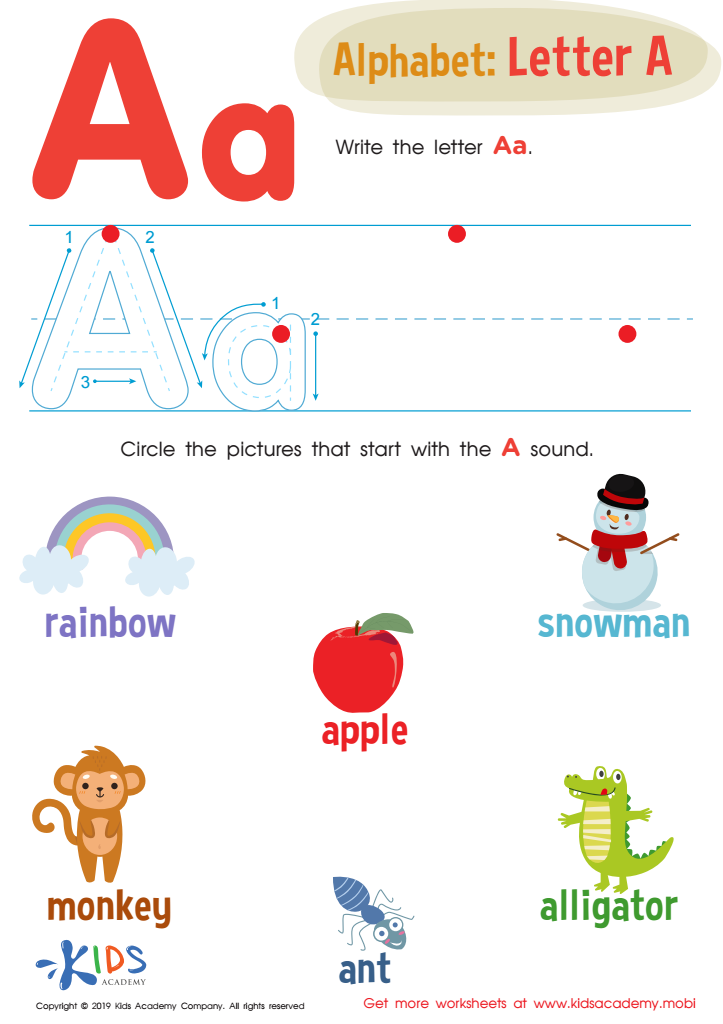
Letter A Tracing Worksheet
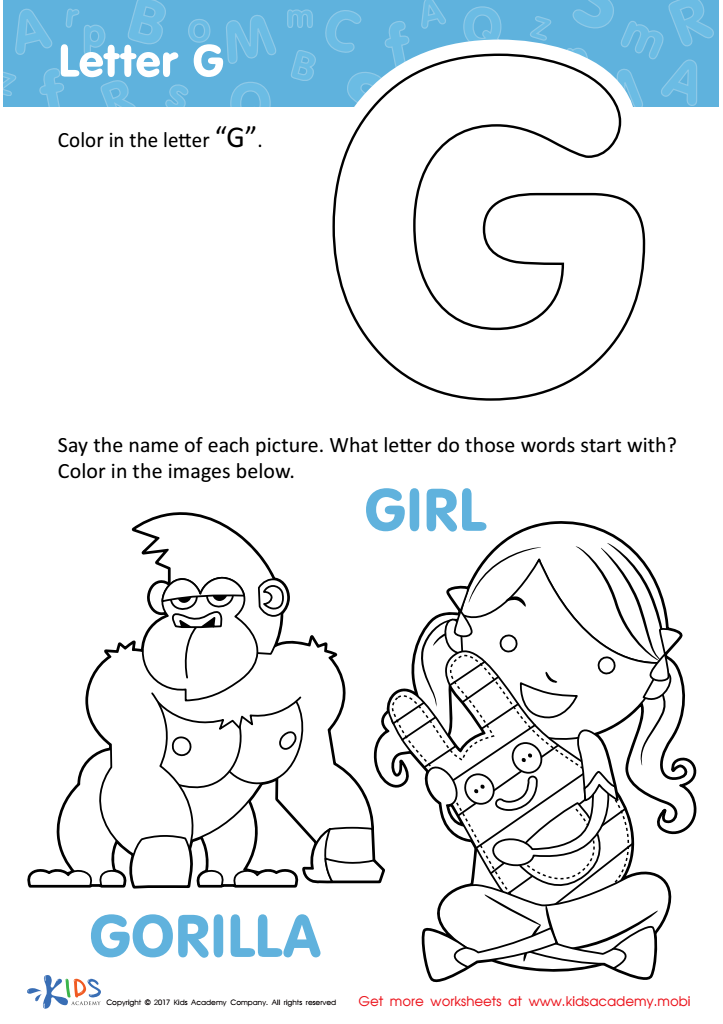
Letter G Coloring Sheet
 Assign to My Students
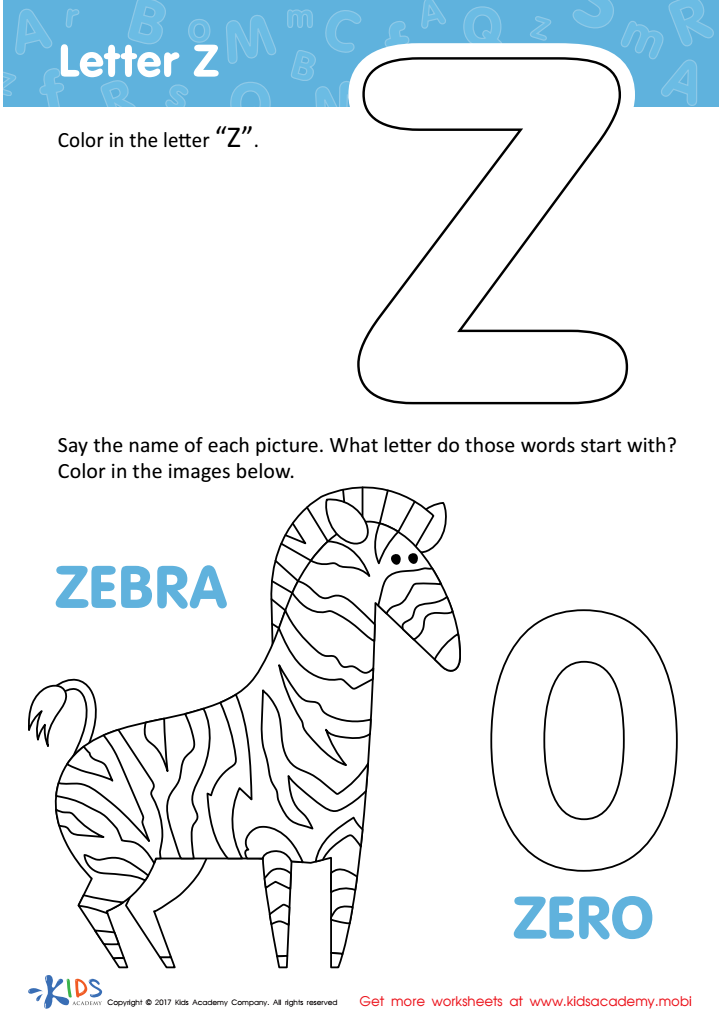
Letter Z Coloring Sheet
Assign to My Students
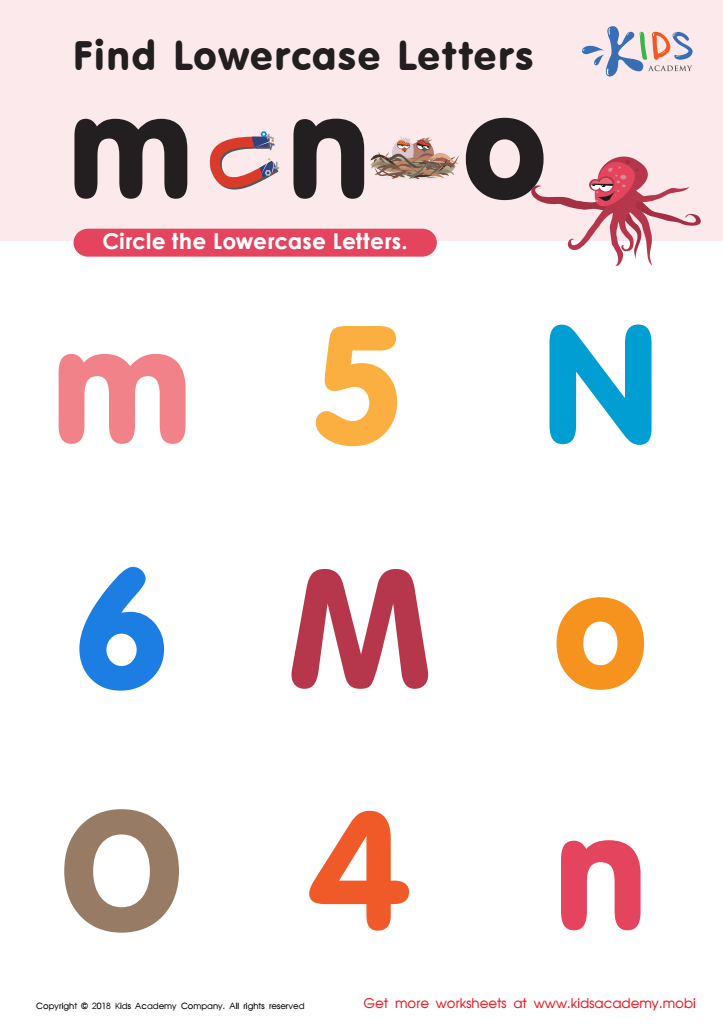
Find Lowercase Letters m n o Worksheet
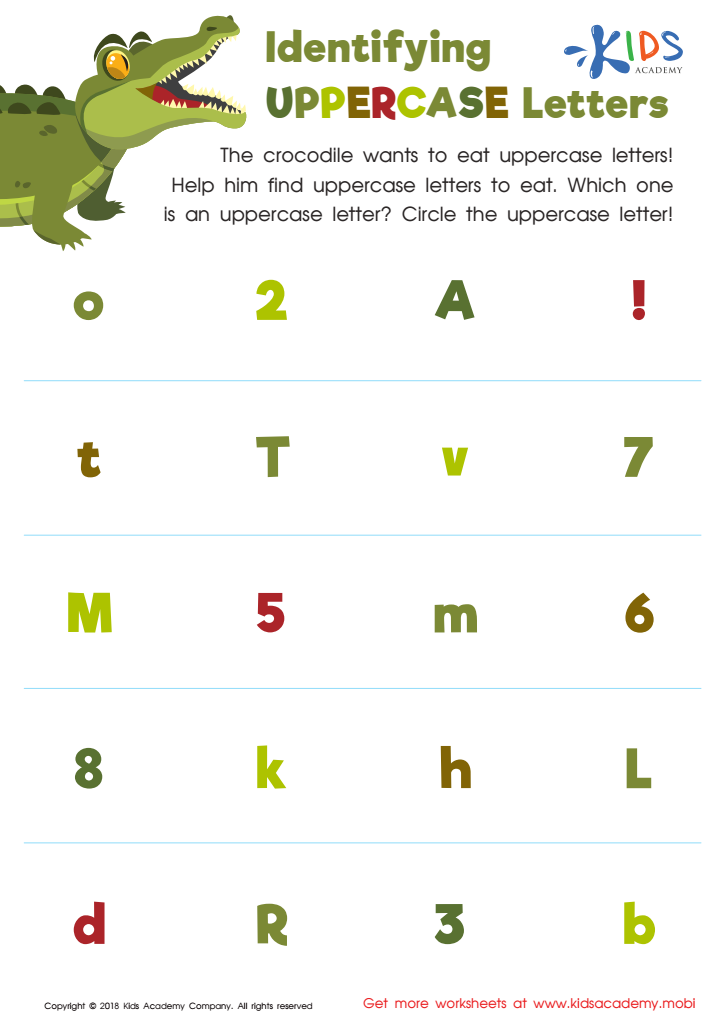
Identifying Uppercase Letters Worksheet
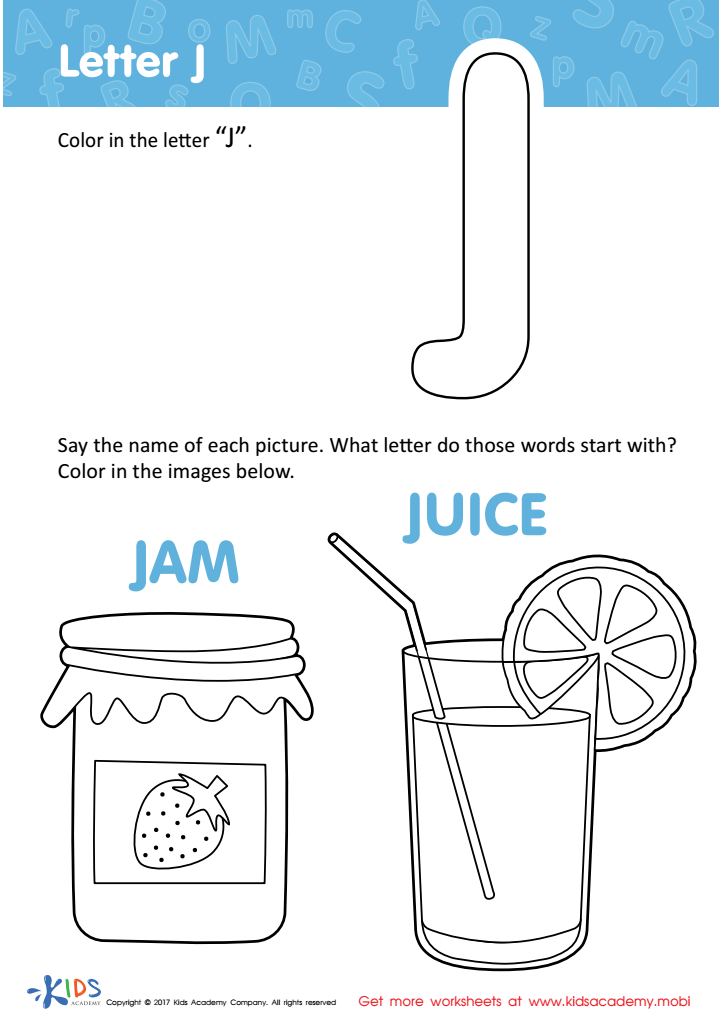
Letter J Coloring Sheet
Assign to My Students
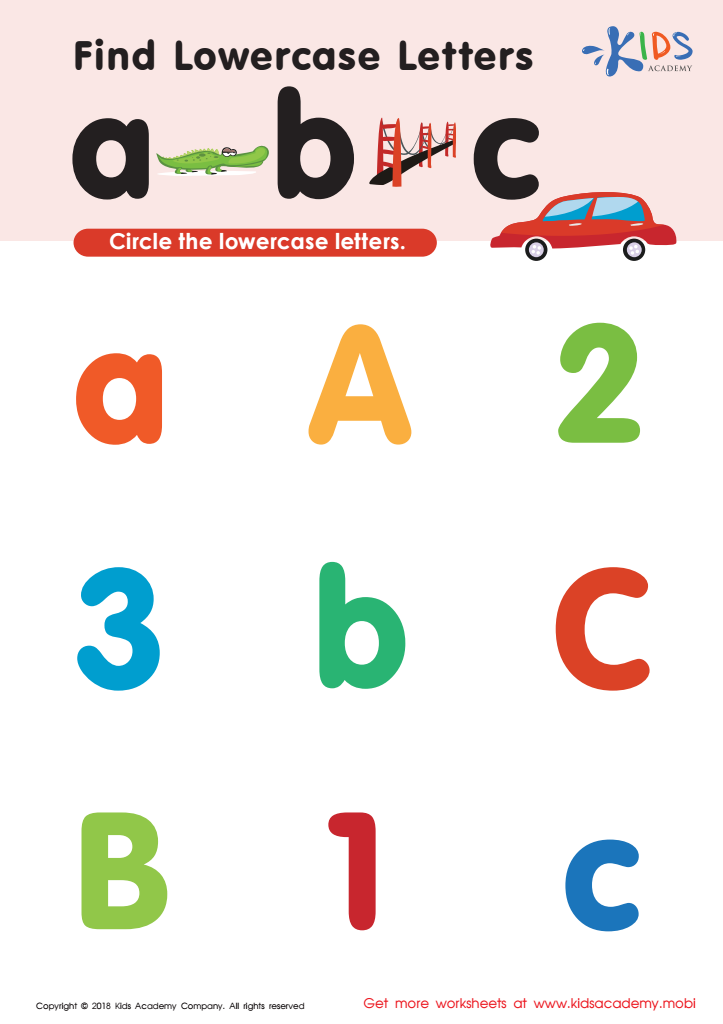
Find lowercase letters a b c Worksheet
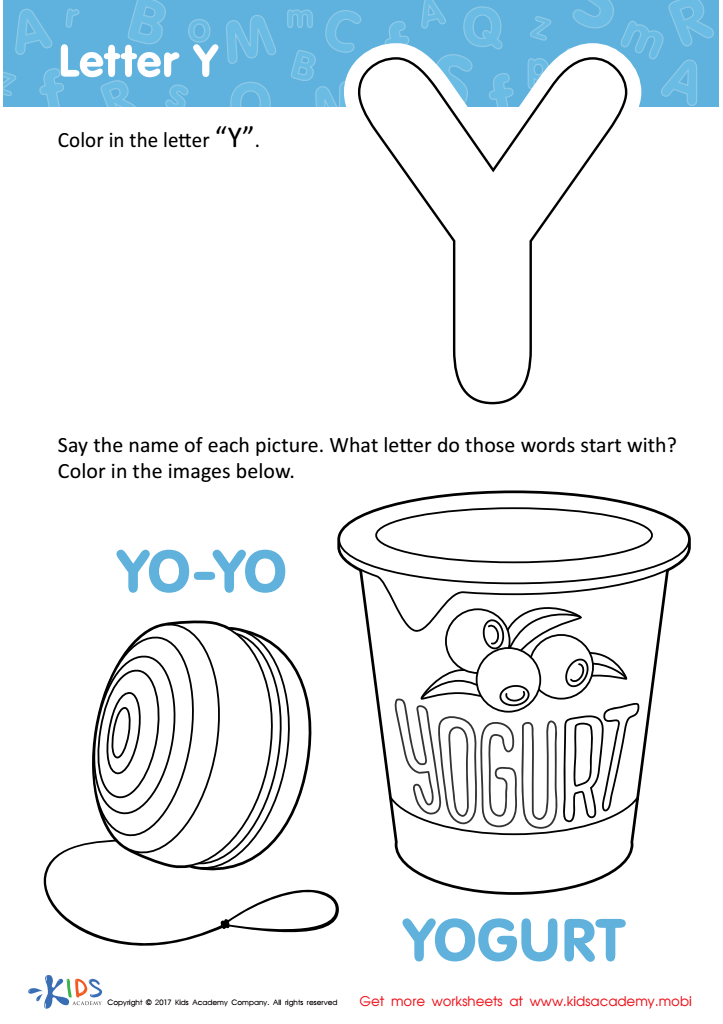
Letter Y Coloring Sheet
Assign to My Students
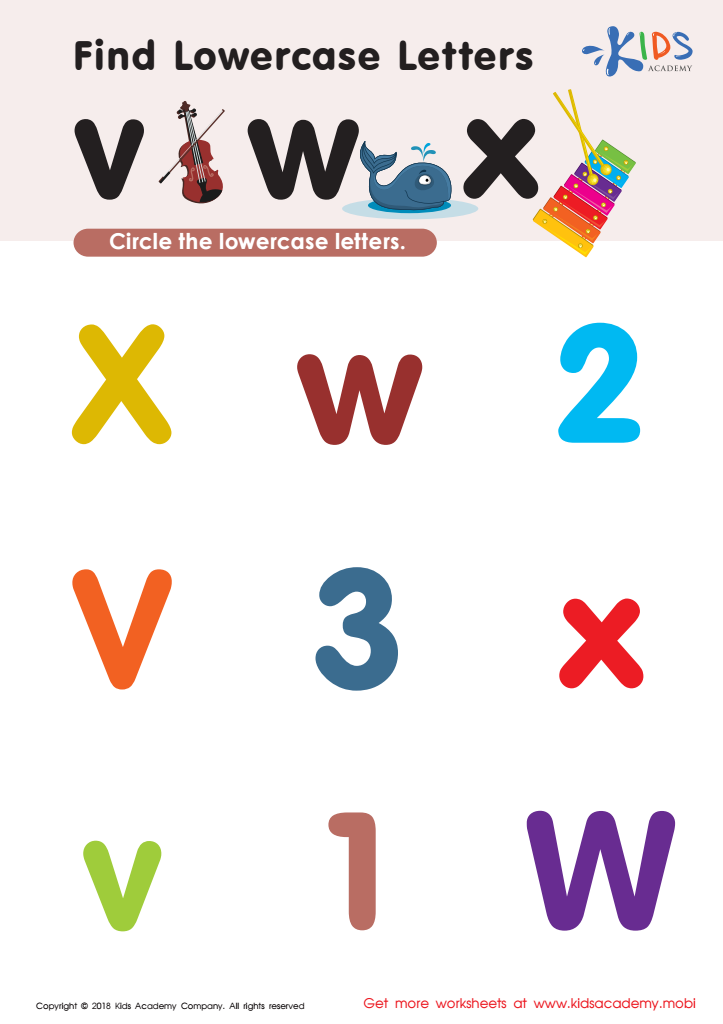
Find Lowercase Letters v w x Worksheet
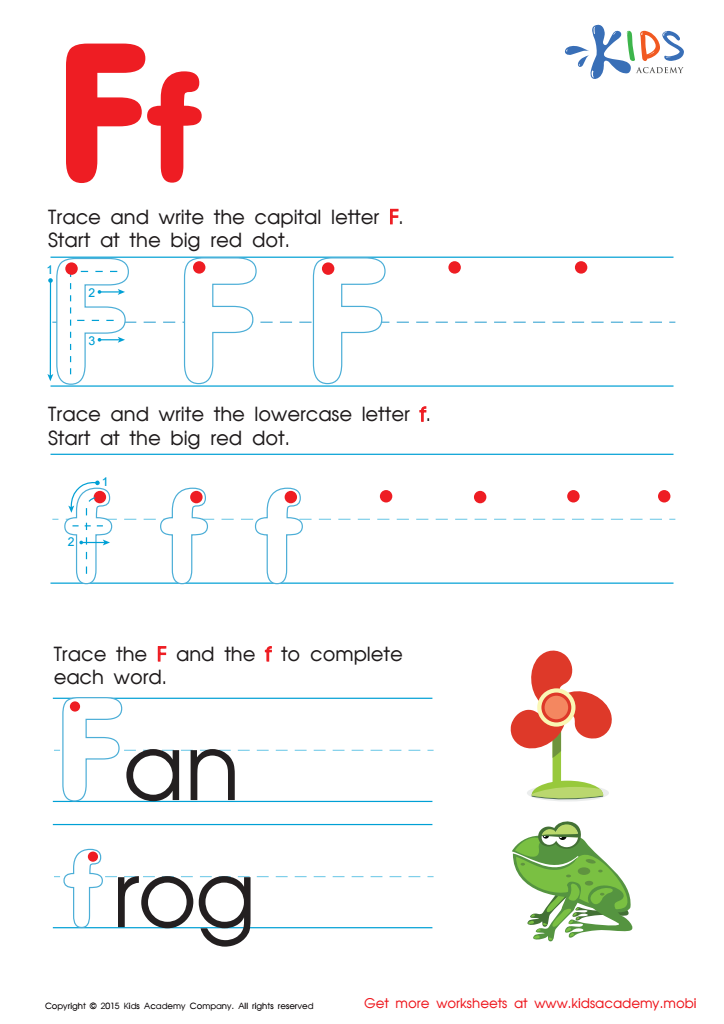
Letter F Tracing Page
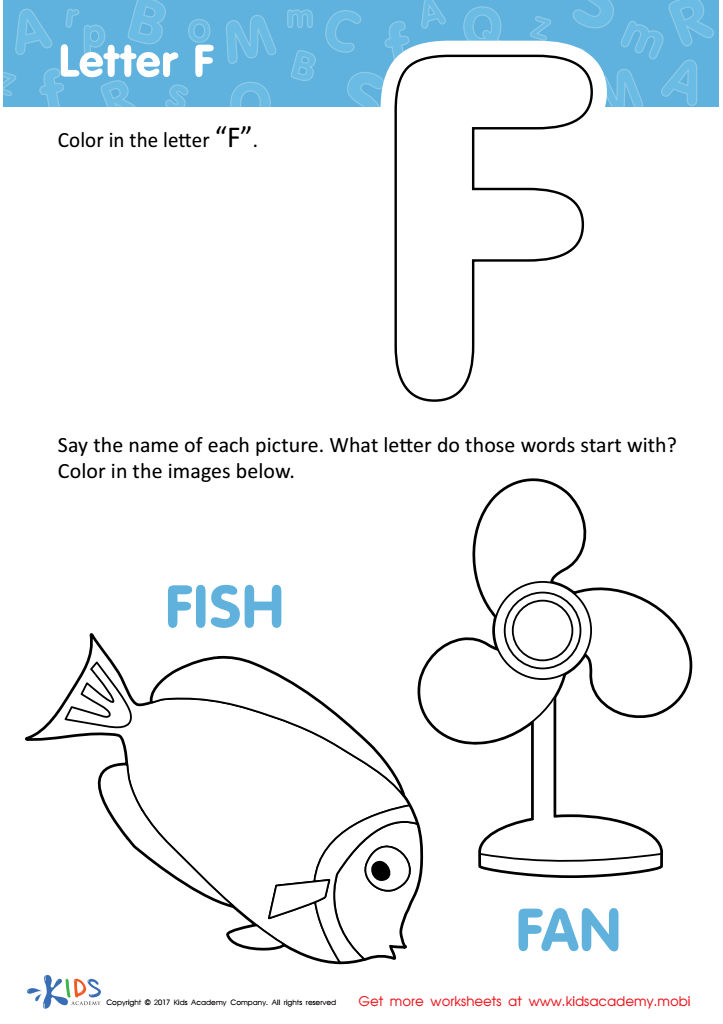
Letter F Coloring Sheet
Assign to My Students
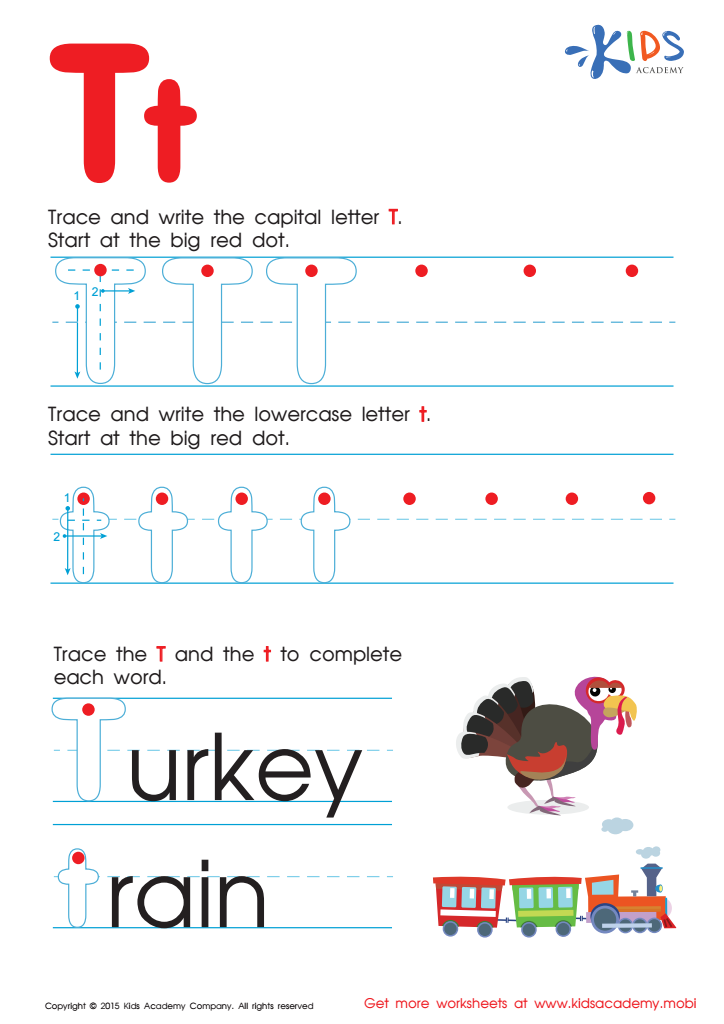
Letter T Tracing Page
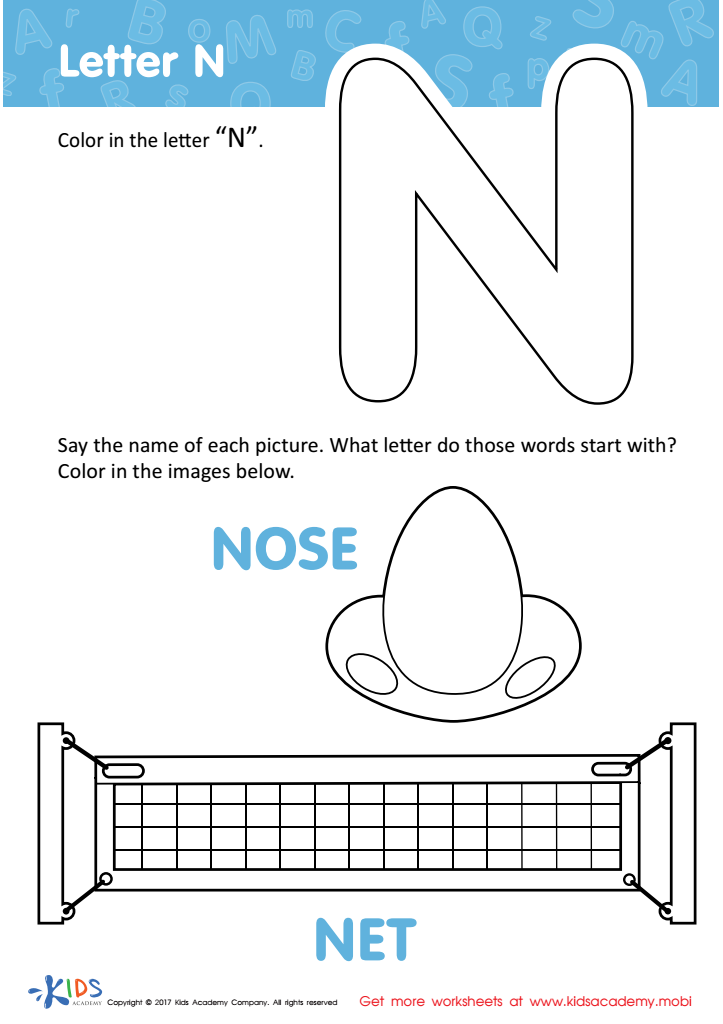
Letter N Coloring Sheet
Assign to My Students

Letter D Tracing Page
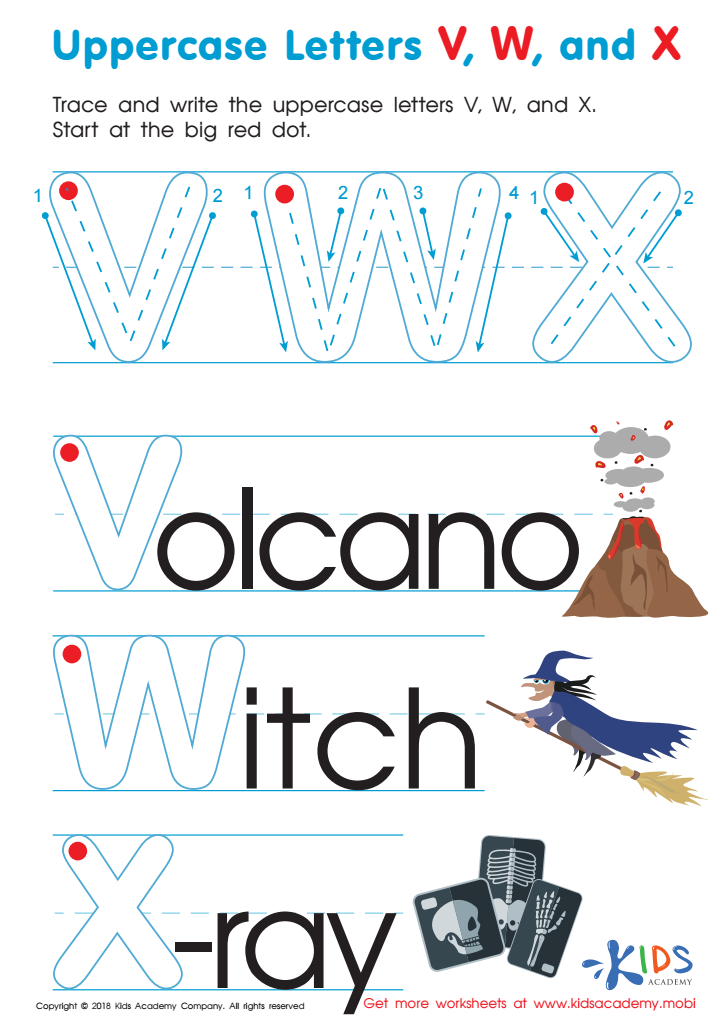
Uppercase Letters V, W, and X Worksheet








Parents and teachers should prioritize fine motor skills and letter recognition in early childhood because these foundational abilities are critical for academic and daily life success. Fine motor skills—not just about manipulating small objects—enable children to perform essential tasks like writing, using scissors, and even tying shoelaces. These tasks require precision and coordination, impacting a child's confidence and independence.
Simultaneously, letter recognition is the cornerstone of literacy. Understanding the shapes and sounds of letters is the first step toward reading and writing, crucial milestones in a child’s education. When children can recognize letters, they are more equipped to learn phonics and spelling concepts, which enhances their reading skills and comprehension.
Integrating fine motor activities with letter recognition practices makes learning more engaging and effective. Activities like tracing letters in sand, playing with clay, or writing with crayons develop muscle strength and hand-eye coordination, while simultaneously familiarizing children with alphabet shapes and sounds.
In essence, promoting these skills provides children with the tools they need for future educational tasks. It enables them to transition smoothly into more complex literacy and technical challenges, setting the stage for ongoing academic and life success.







