Visual discrimination skills Letter Recognition Worksheets
5 filtered results
-
From - To
Enhance your child's literacy journey with our Visual Discrimination Skills Letter Recognition Worksheets! Designed for early learners, these engaging activities help develop critical visual discrimination abilities essential for recognizing letters. Children will enjoy identifying, matching, and distinguishing between similar letters through fun exercises. Our worksheets offer a variety of formats, reinforcing learning while keeping students motivated. Perfect for classroom use or at-home practice, these resources cater to diverse learning styles, ensuring every child can build their letter recognition skills effectively. Empower your young learners to excel in reading and writing with our comprehensive collection of printable worksheets today!
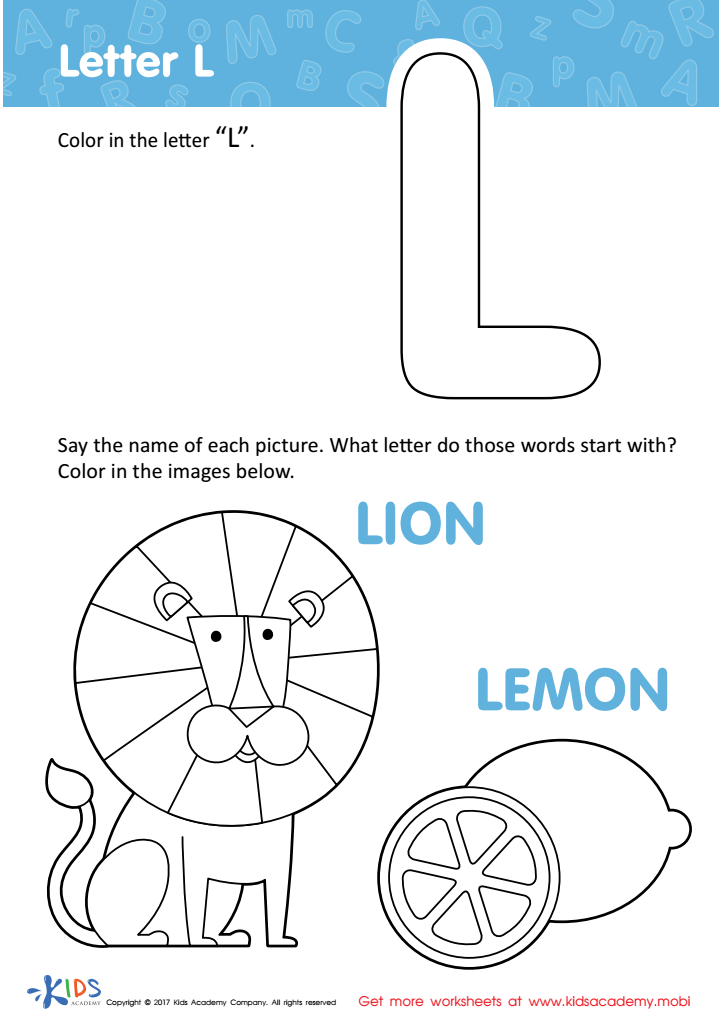
Letter L Coloring Sheet
 Assign to My Students
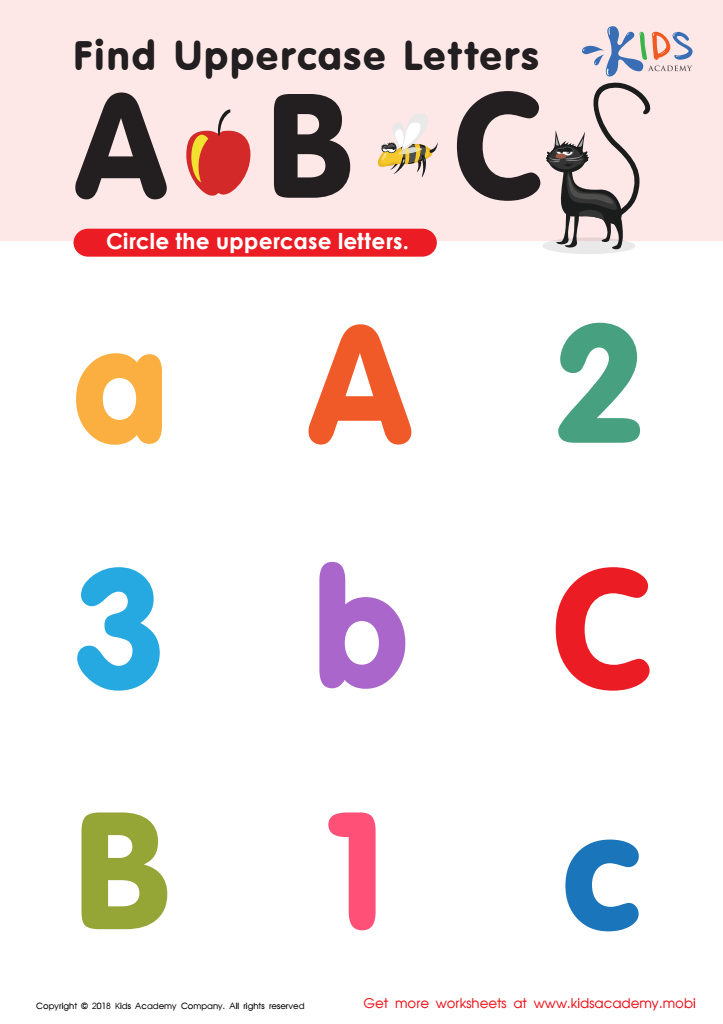
Find Uppercase Letters A, B, and C Worksheet
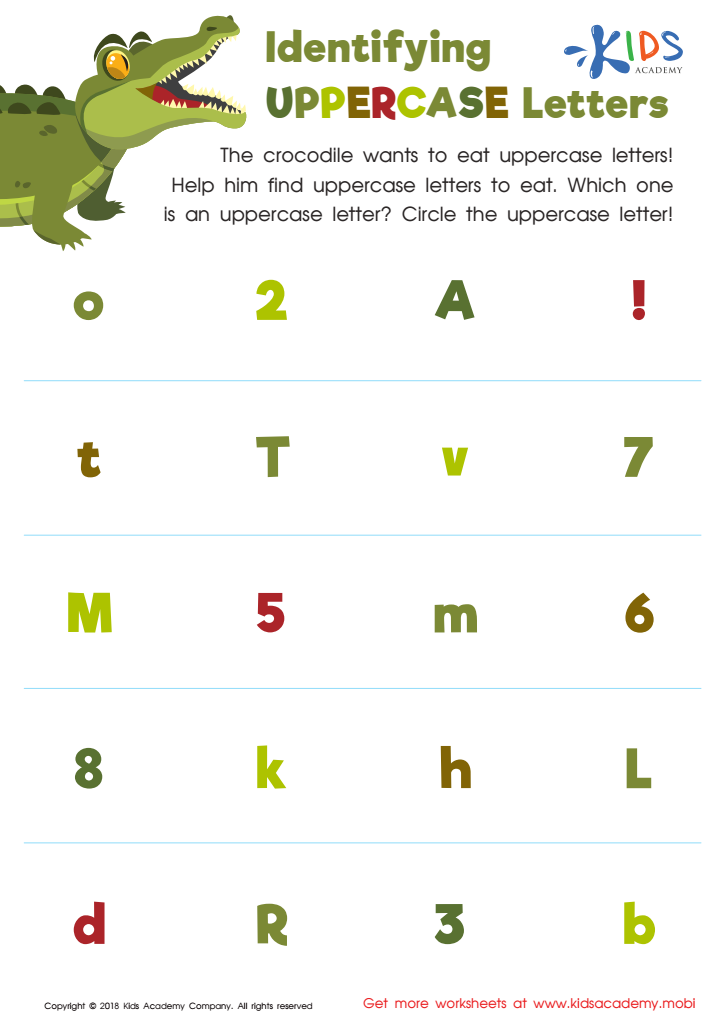
Identifying Uppercase Letters Worksheet
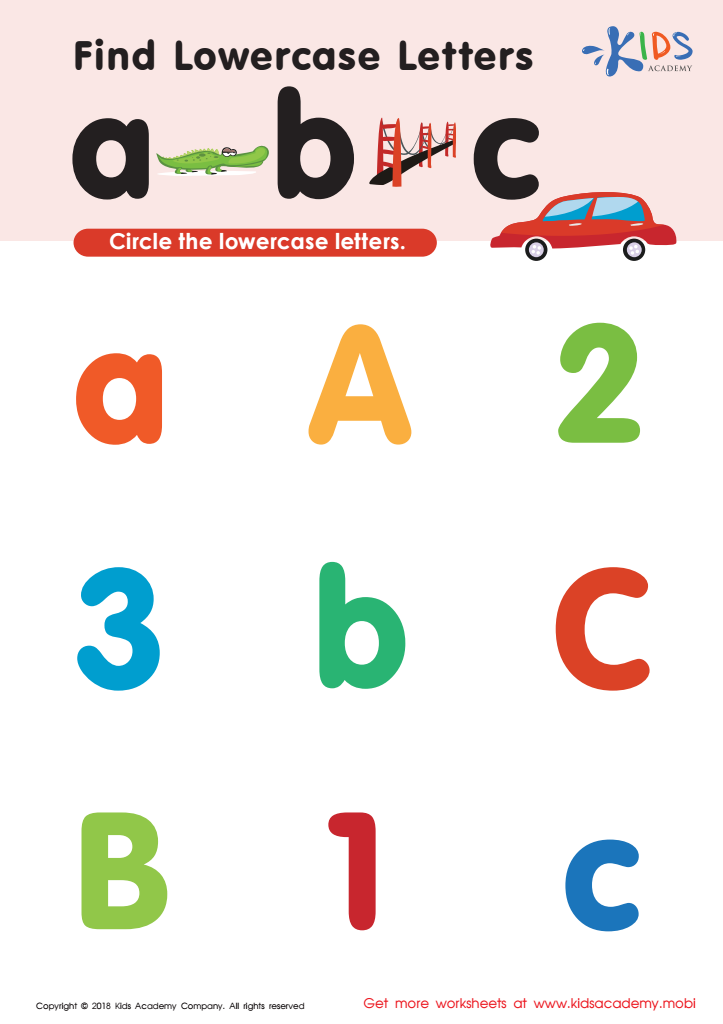
Find lowercase letters a b c Worksheet
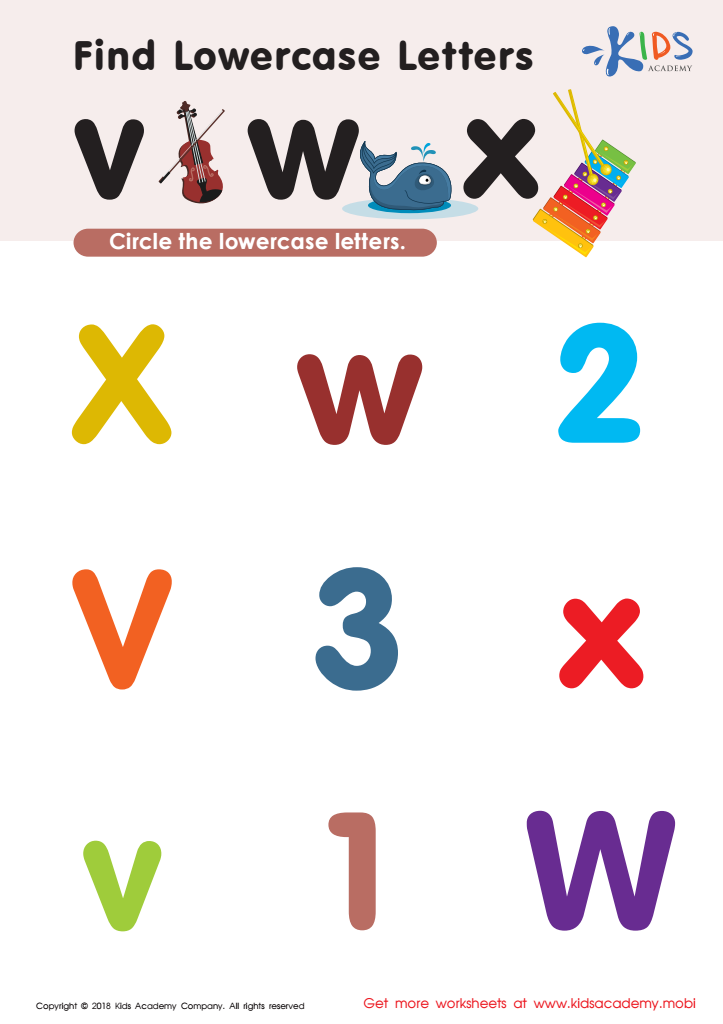
Find Lowercase Letters v w x Worksheet








Visual discrimination skills and letter recognition are crucial components of early childhood literacy development. Parents and teachers should care about these skills because they form the foundation for a child's reading and writing capabilities. Visual discrimination enables children to identify the differences and similarities between letters, shapes, and symbols. This skill helps them distinguish between similar-looking letters, such as 'b' and 'd,' which is vital for decoding words accurately.
Letter recognition, on the other hand, is the ability to recognize and name letters in various contexts, whether in print or digital formats. Proficient letter recognition supports phonetic understanding, allowing children to make connections between sounds and their corresponding letters, facilitating early reading.
Fostering these skills at an early age contributes to improved literacy outcomes, boosts a child's confidence, and enhances communication abilities. Additionally, strong visual discrimination skills help children recognize patterns and develop critical thinking. By prioritizing these foundational skills, parents and teachers empower children to become proficient readers and lifelong learners, ultimately setting them on a successful educational trajectory. Engaging activities, games, and multisensory approaches can effectively nurture these skills in young learners, making the learning process enjoyable and impactful.







