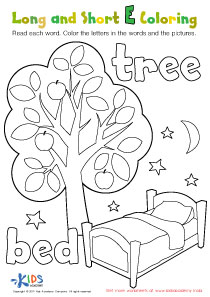
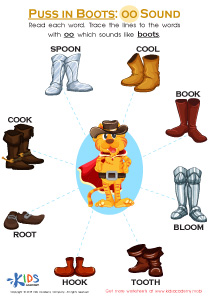
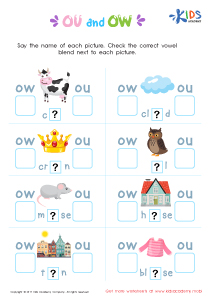
Vocabulary expansion Long And Short Vowel Worksheets
6 filtered results
-
From - To
Our "Vocabulary Expansion: Long and Short Vowel Worksheets" are meticulously designed to boost your child's linguistic abilities. Targeted at early learners, these printable worksheets offer an engaging way to differentiate between long and short vowel sounds while broadening vocabulary skills. Each worksheet includes fun and interactive activities such as word matching, sorting, and sentence completion to keep children entertained and motivated. Ideal for both classroom and home use, these resources provide a solid foundation for reading fluency and enhanced language development. Encourage your child’s love for learning with our expertly crafted vowel worksheets.
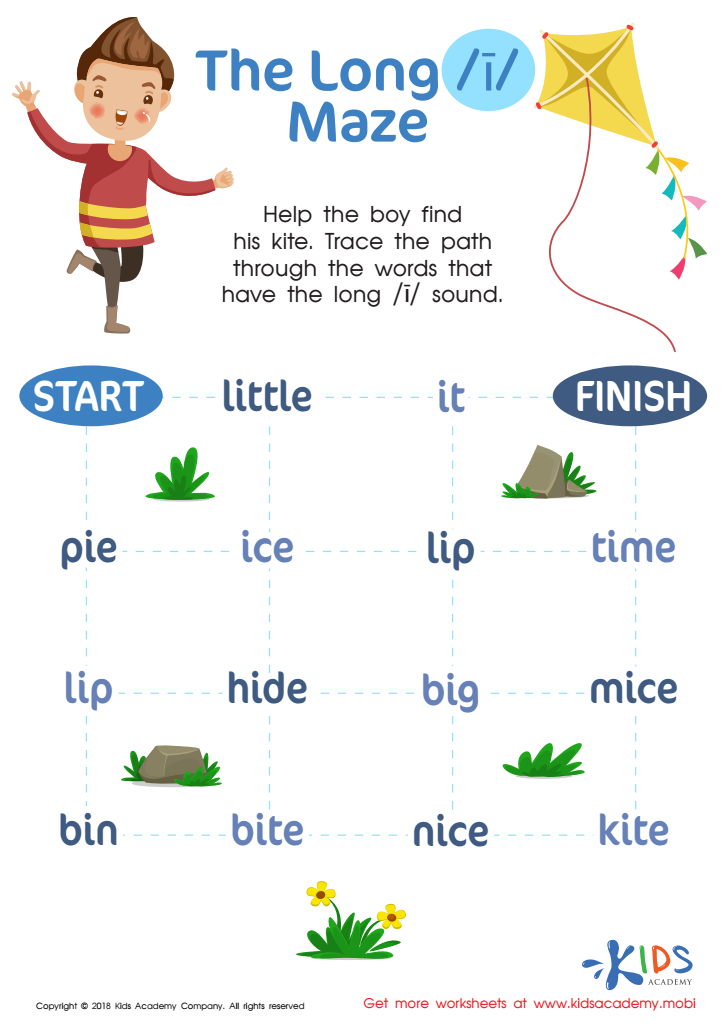
The Long I Maze Reading Worksheet
 Assign to My Students
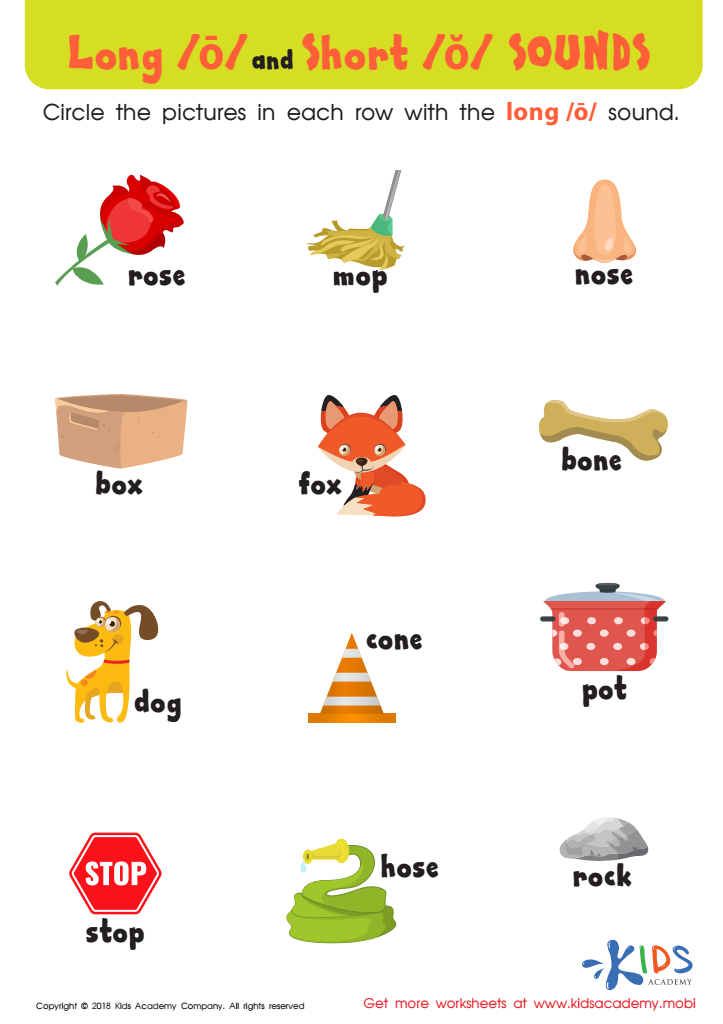
Reading: Long O and Short O Sounds Worksheet
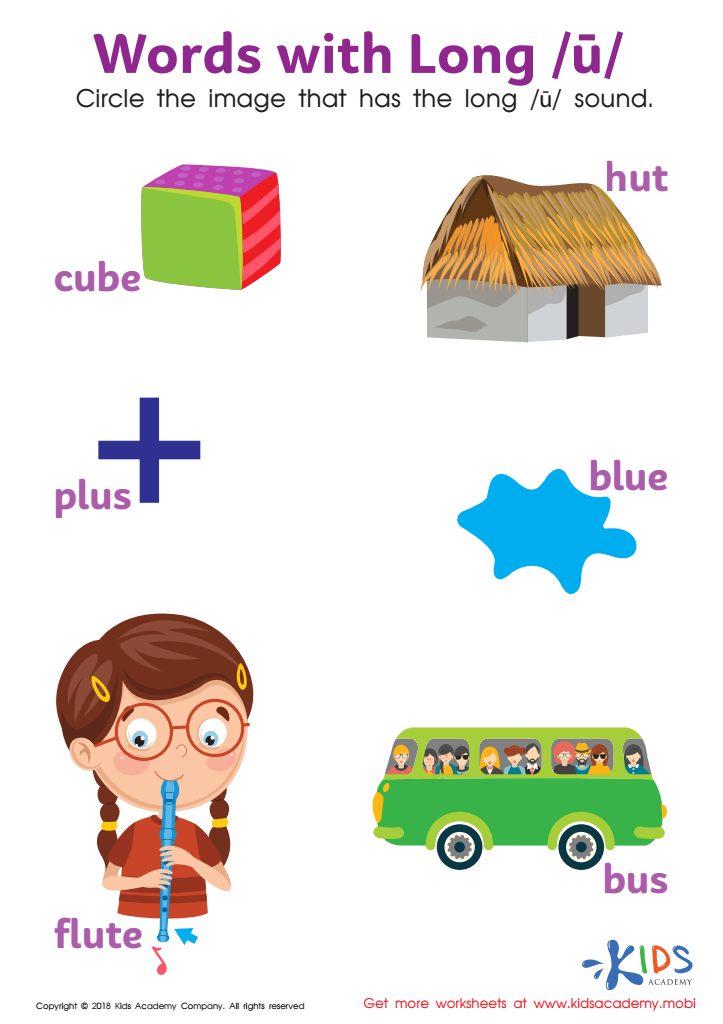
Words with Long U Reading Worksheet
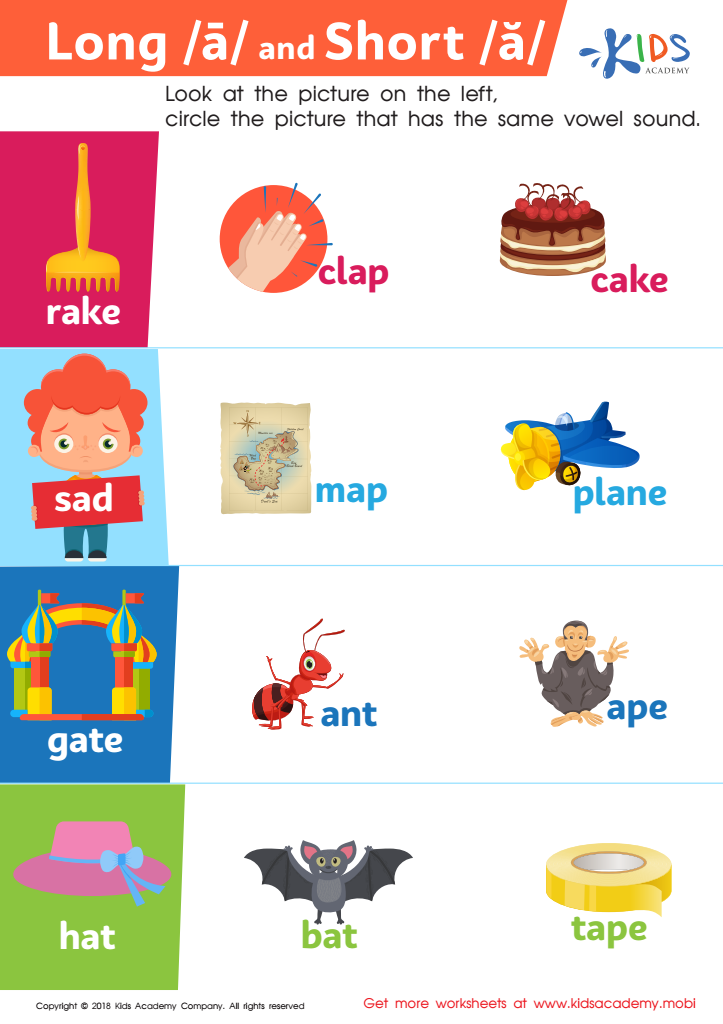
Reading: Long a and Short a Worksheet
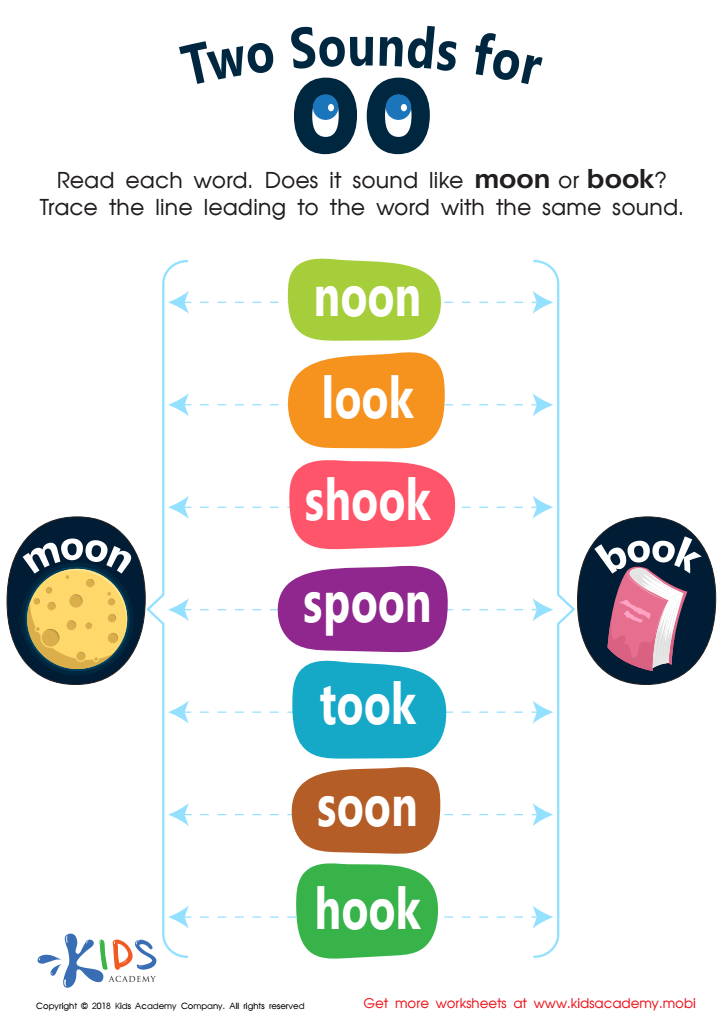
Two Sounds for OO Worksheet
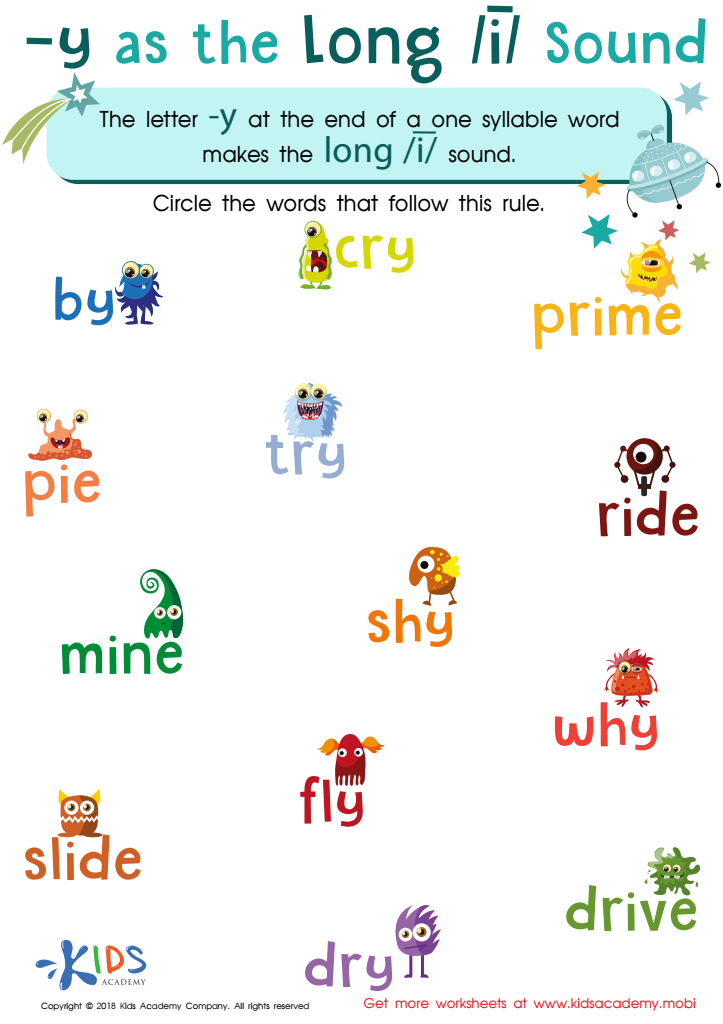
Reading: Y as Long I Worksheet




Understanding long and short vowel sounds is crucial for vocabulary expansion and literacy development in young children. For parents and teachers, focusing on these fundamental aspects builds a strong foundation for reading and writing.
Long and short vowel sounds impact how words are decoded and pronounced. Mastering these sounds helps children differentiate between words like "tap" and "tape" or "hat" and "hate." Recognizing these differences boosts their ability to read accurately and fluently, which is essential for comprehension.
Vocabulary expansion, enhanced by understanding vowel sounds, opens up a world of knowledge. When children acquire more words, they can express themselves better, understand more complex texts, and succeed academically. Knowing how to manipulate vowel sounds also teaches them about common spelling patterns and rules, making spelling less daunting.
For parents, engaging children with vowel sounds through games, songs, and reading can be a fun and effective way to aid their language development. For teachers, structured lessons that include phonics and practice with both long and short vowel sounds can significantly improve students' reading skills.
Overall, caring about vocabulary expansion and vowel sounds equips children with the tools needed for lifelong literacy and learning success. Investing time in these areas ensures children can navigate the increasingly complex world of written language.