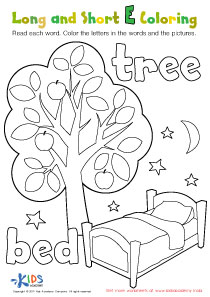
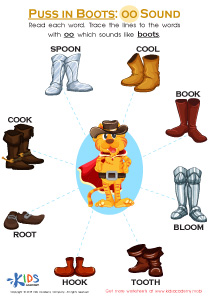
Phonics Skills Missing Vowels Worksheets
3 filtered results
-
From - To
Enhance your child's reading foundation with our "Phonics Skills: Missing Vowels Worksheets." These engaging printables are designed to help preschool and kindergarten students strengthen their phonics skills by identifying and filling in missing vowels. Perfect for building early literacy, these worksheets create a fun and interactive learning experience, making it easier for young learners to grasp the sounds and relationships between vowels and consonants. Ideal for both classroom and at-home practice, our worksheets aim to boost confidence and reading readiness in children. Give your young learner the tools they need to excel with our expertly crafted worksheets!
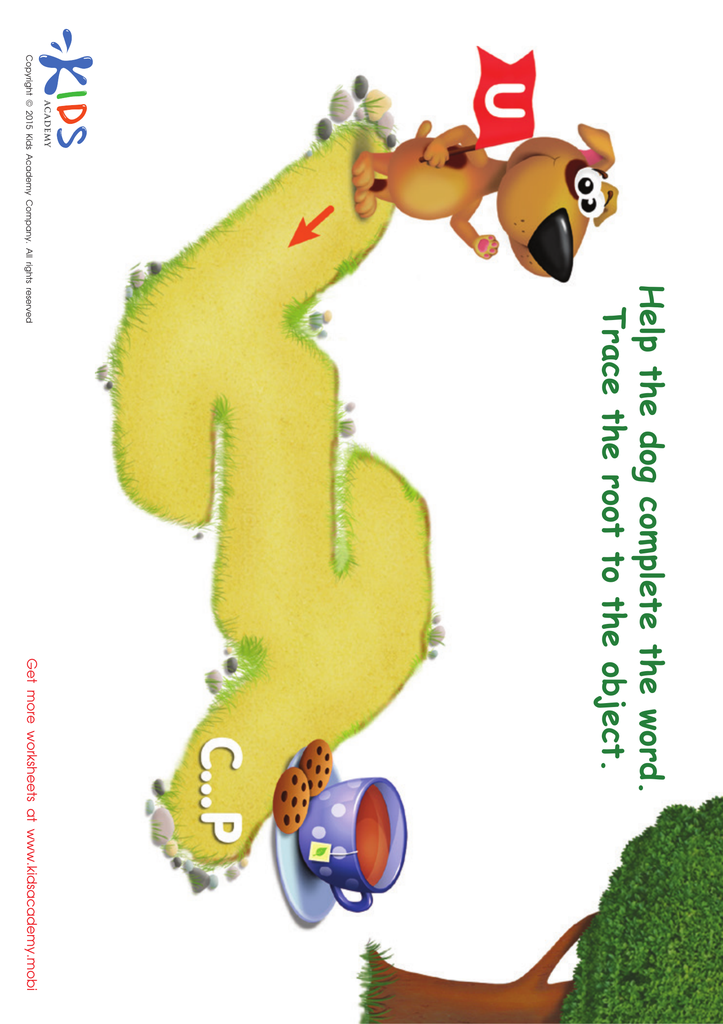
Short Vowel Sound U Worksheet Worksheet
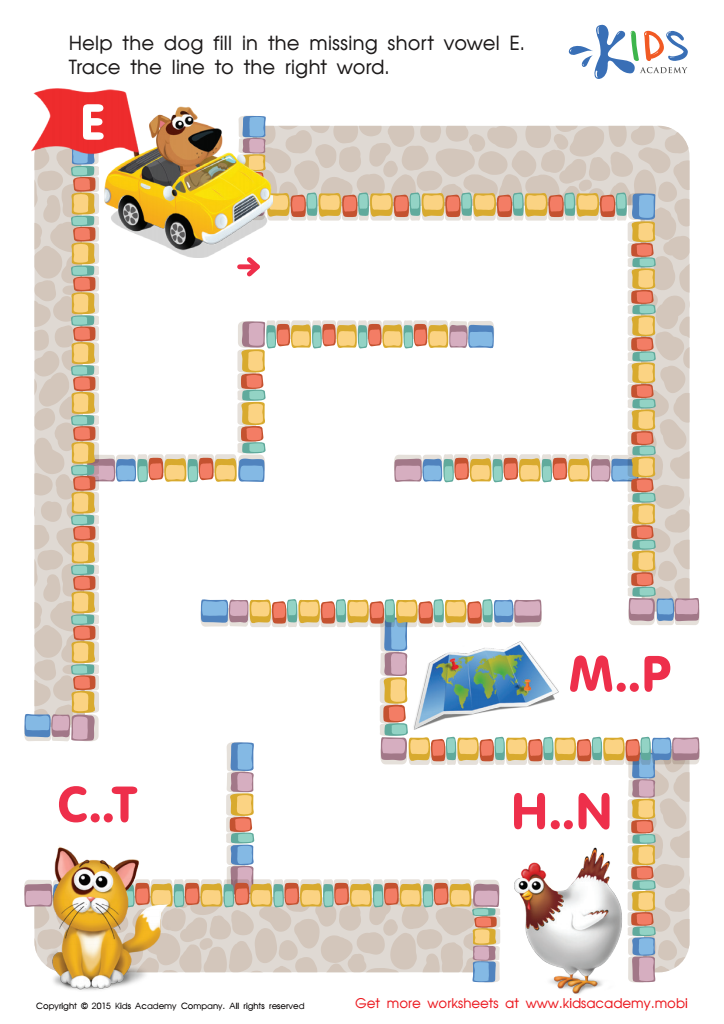
Short Vowel Sound E Worksheet
 Assign to My Students
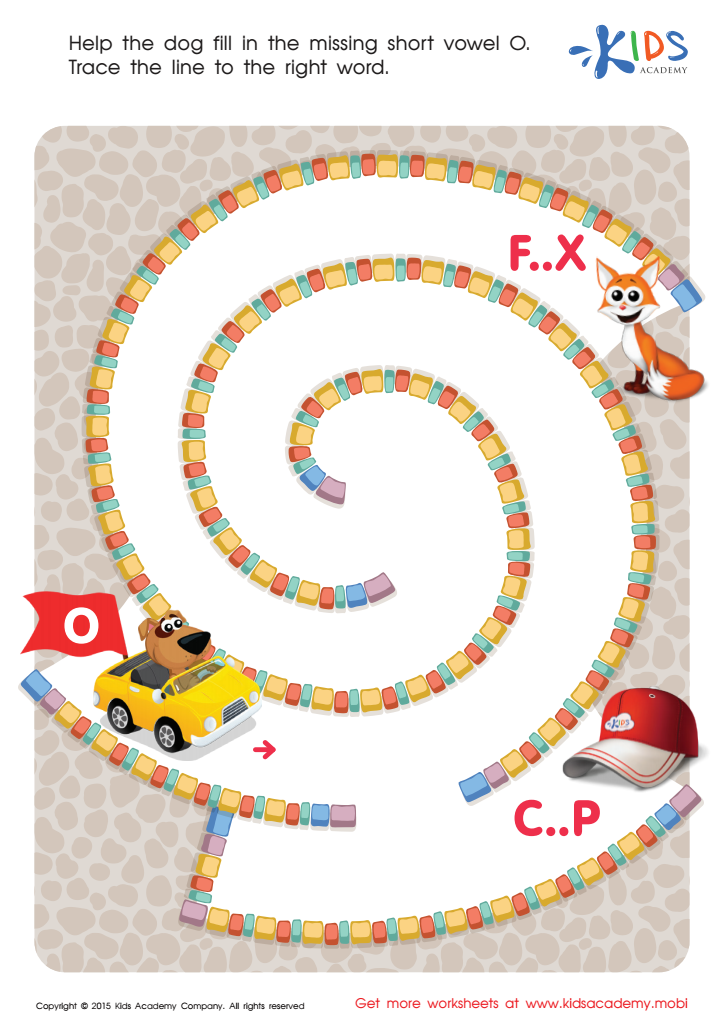
Short Vowel Sound O Worksheet


Phonics skills are foundational to a child's literacy development, and missing vowels can significantly impact reading and writing abilities. Vowels serve as the core of syllables, facilitating the pronunciation and comprehension of words. When children struggle with phonics involving vowels, their ability to decode words, spell accurately, and understand texts suffers.
From a reading perspective, vowels help bridge the gaps between consonants, enabling smoother blending of sounds into recognizable words. For instance, missing the vowel in a simple word like "cat" could lead to confusion with "ct" or "cut," impeding comprehension and fluency.
In writing, accurate vowel usage is essential for effective communication. Writing “bt” instead of “bat” can make intended messages ambiguous and hinder a child’s ability to convey their thoughts accurately.
Moreover, phonemic awareness, which includes the ability to recognize and manipulate vowels within words, is crucial for advanced literacy skills. Without a solid grasp of vowel sounds, children may struggle with more complex linguistic tasks, such as understanding multisyllabic words and developing vocabulary.
By focusing on teaching and reinforcing phonics skills surrounding vowels, parents and teachers can enhance a child's confidence and mastery in both reading and writing. Prioritizing these skills not only contributes to academic success but also fosters lifelong literacy and communication abilities.