Number Recognition Phonics Worksheets
3 filtered results
-
From - To
Boost your child's early math skills with our Number Recognition Phonics Worksheets! Tailored for preschool and kindergarten, these engaging worksheets seamlessly blend numeric concepts with phonics. Kids discover numbers through fun activities like tracing, coloring, and matching, fostering both numeric and early reading skills. Our worksheets are designed to suit young learners, making learning interactive and enjoyable. Perfect for classroom use or at-home practice, they ensure a solid foundation in number recognition while developing phonetic awareness. Equip your child with the essential skills they need for a successful academic journey with our expertly crafted worksheets!
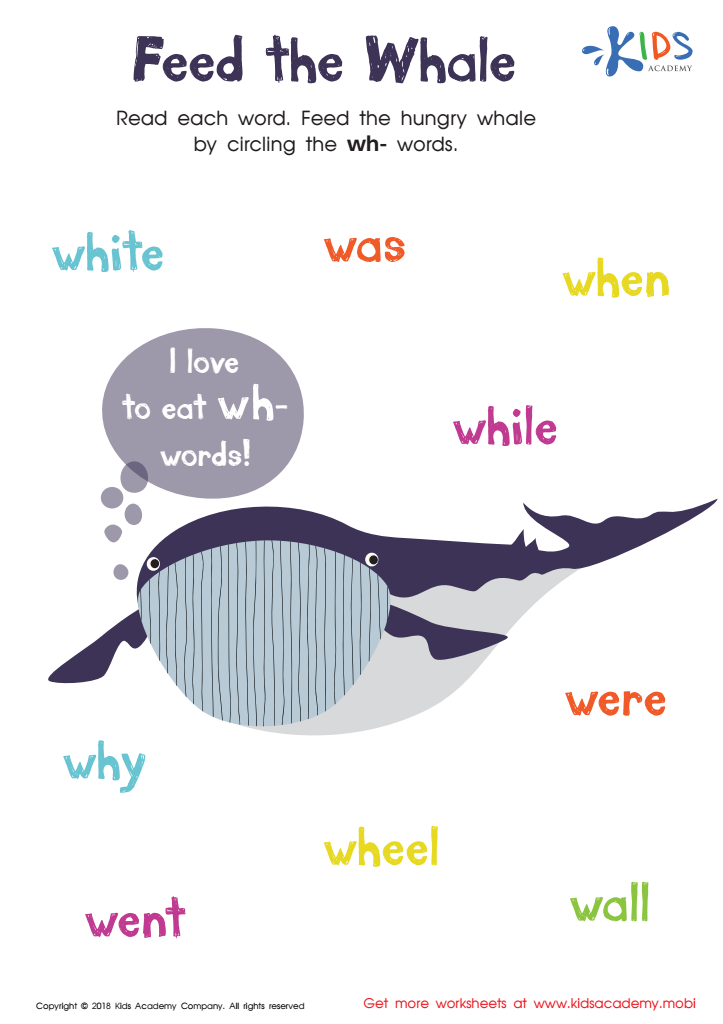
Feed the Whale Worksheet
 Assign to My Students
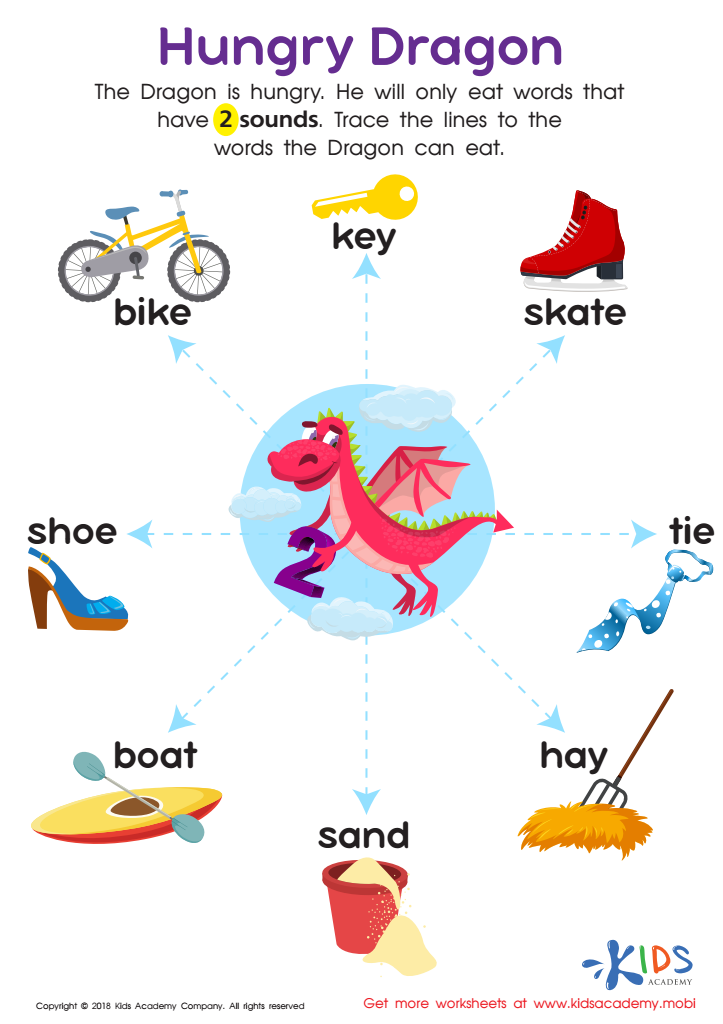
Hungry Dragon Worksheet
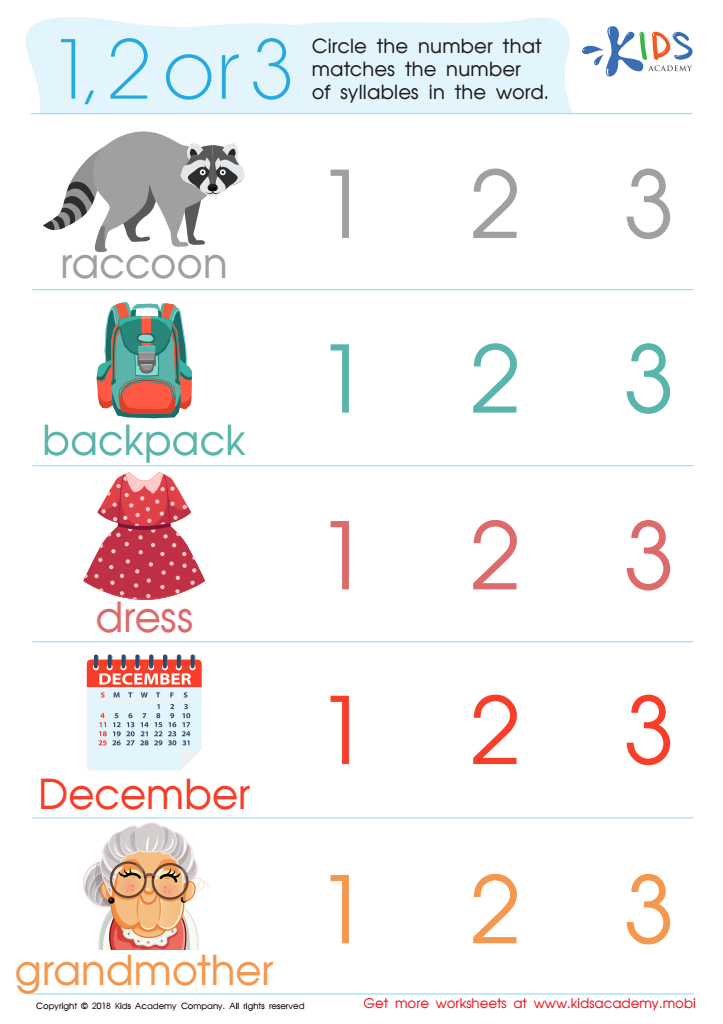
1, 2 or 3? Worksheet








Number Recognition and Phonics are two fundamental skills that play a crucial role in a child's early development. Parents and teachers should pay close attention to these areas because they form the building blocks for later academic success.
Number recognition is essential for understanding math concepts. When children can recognize and understand numbers, they can progress to more complex mathematical operations like addition, subtraction, and beyond. This skill helps in everyday tasks, such as counting objects, telling time, and managing money.
Phonics, on the other hand, is the foundation of reading. It involves understanding how letters combine to form sounds and words. With strong phonics skills, children can decode new words, leading to better reading fluency and comprehension. This skill is essential not just in language arts but crosses over into other subjects as well where reading and understanding instructions are necessary.
Both skills also play a significant role in cognitive development. Engaging with numbers improves logical thinking and problem-solving abilities. Practicing phonics boosts auditory skills and strengthens memory.
In essence, ensuring that children excel in number recognition and phonics sets a strong academic foundation, boosts confidence, and fosters a lifelong love of learning. Ignoring these foundational skills can see kids struggle academically down the road, making early intervention crucial.







