Phonics skills development Short Vowels Worksheets
3 filtered results
Difficulty Level
Grade
Age
-
From - To
Subject
Activity
Standards
Boost your child’s phonics journey with our Short Vowels Worksheets! Designed for early learners, these engaging worksheets focus on mastering short vowel sounds through fun exercises and illustrations. Each worksheet aims to enhance reading and pronunciation skills, laying a strong foundation for fluent reading. Perfect for teachers and parents, these resources support children in identifying and using short vowels correctly in words. With activities tailored to young minds, learning becomes an exciting adventure. Visit Kids Academy to access our collection of printable short vowels worksheets and watch your child's phonics skills soar!
Favorites
With answer key
Interactive
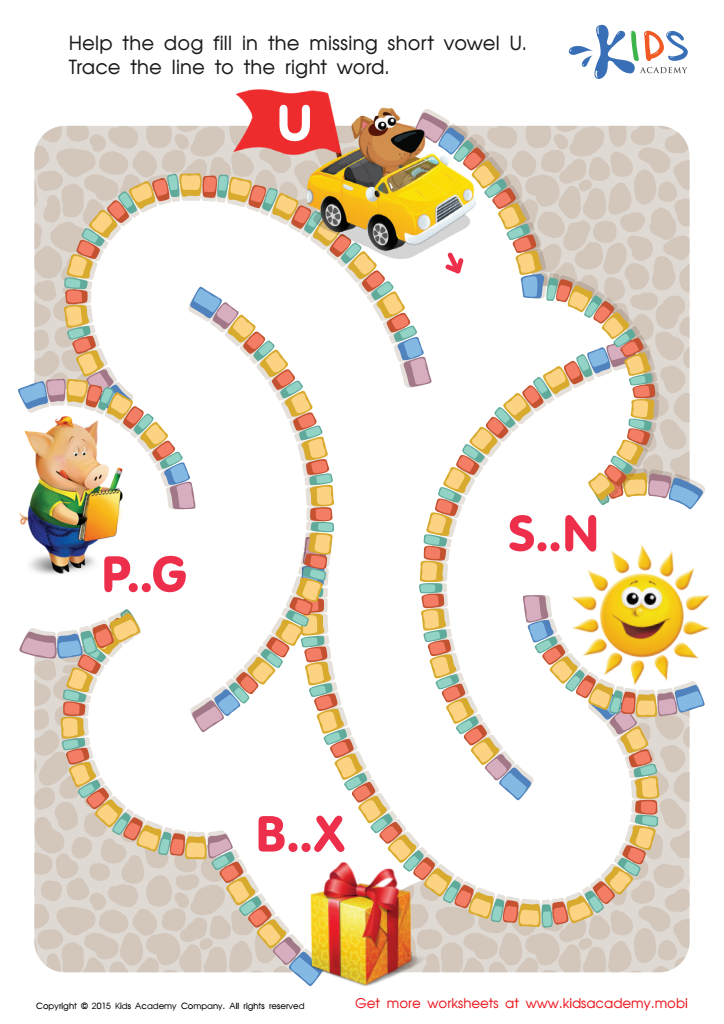
Short Vowel Sound U Worksheet
Practice abc phonics to help young learners link sounds to letters. This free printable phonics worksheet helps your kid learn the short vowel sound U. Guide them through the maze to help the dog complete the word "sun". Make sure they say the word out loud to emphasize the short U sound. Check out more phonics worksheets with mazes here.
Short Vowel Sound U Worksheet
Worksheet
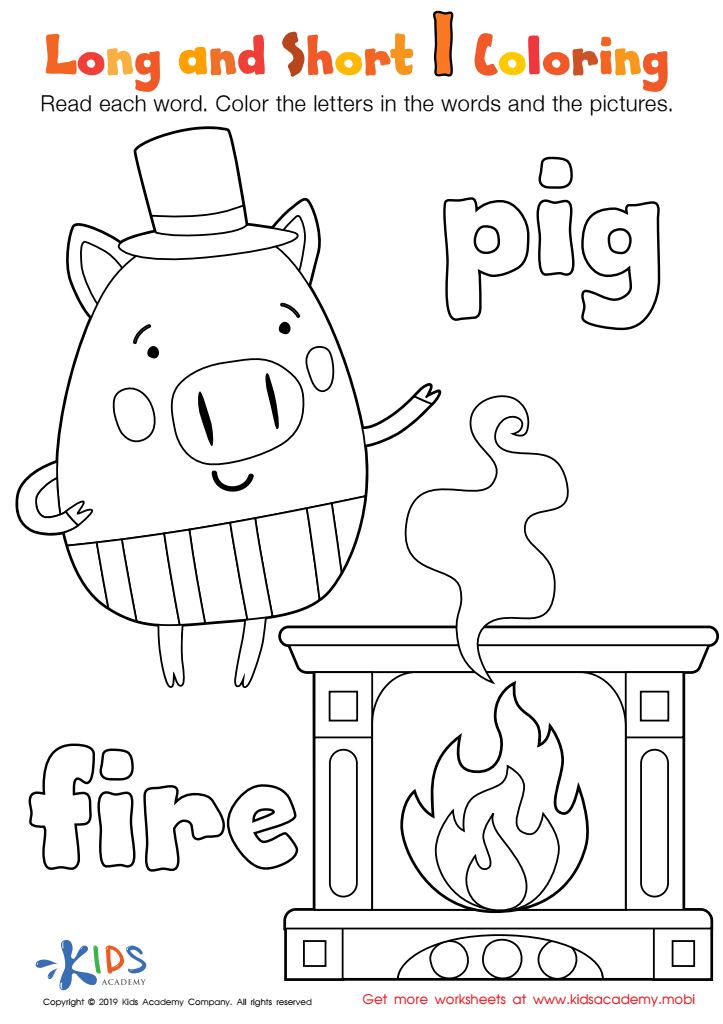
Long and Short I Worksheet
Print the worksheet and have the students read "pig" and "fire". Check for understanding the difference between long and short vowels. Color in words and pictures to make learning phonics fun! This exercise is perfect for introducing the topic to your students.
Download (PDF)
 Assign to My Students
Assign to My Students
Long and Short I Worksheet
Worksheet
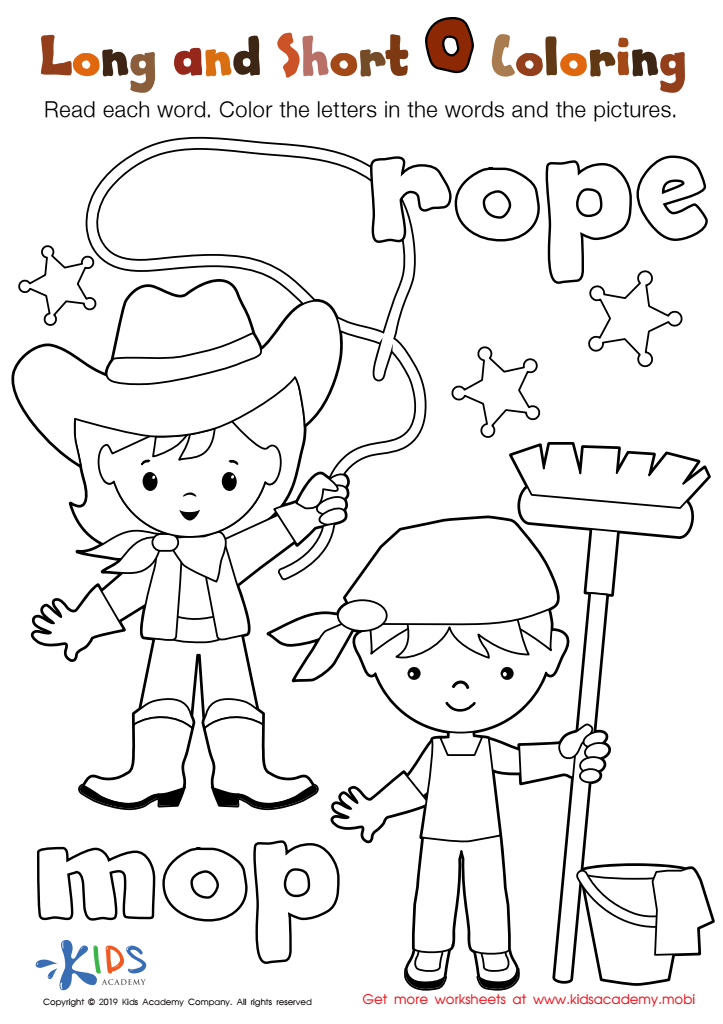
Long and Short O Worksheet
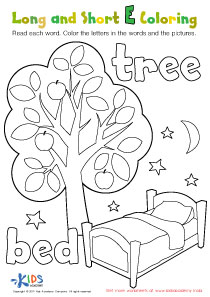
Help your students recognize the difference between long and short «Os» with this fun printout. Let them read and color-in "rope" and "mop" simultaneously. Listen to the different sounds, then color the words and pictures. Great for classes, it'll make your phonics lesson memorable and enjoyable.
Download (PDF)
Assign to My Students
Assign to My Students
Long and Short O Worksheet
Worksheet
Join Kids Academy for Free
Who is primarily going to use this learning content?



Phonics skills, particularly understanding short vowels, are essential building blocks in young children's literacy development. Phonics instruction helps children connect sounds with letters or groups of letters, making it fundamental for reading and spelling skills. Short vowels, the basic sounds in words like "cat," "dog," and "fun," play a crucial part in this learning process.
Firstly, well-developed phonics skills lead to improved reading fluency. When children can quickly recognize and blend short vowels with other sounds, they read more smoothly and with better comprehension. Secondly, strong phonics skills enhance spelling. Understanding that different vowel sounds correspond to specific letters helps children spell words accurately.
Parental and teacher support is vital for this learning. At home, parents can reinforce these skills through games, reading aloud, and practicing vowel sounds, ensuring consistent reinforcement of classroom learning. Teachers, with their expertise, structure engaging lessons that keep children motivated and foster a positive reading environment. Both parental involvement and teaching strategies significantly contribute to a child's confidence and proficiency in reading.
Early mastery of phonics, especially short vowels, sets the stage for lifelong literacy and academic success. Investing time and effort in phonics education equips children with the essential tools they need, making it a critical area of focus.