Letter Tracing Practice Tracing Letters Worksheets
5 filtered results
-
From - To
Boost your child's handwriting skills with our engaging Letter Tracing Practice Worksheets! Perfect for preschoolers and kindergarteners, these printable worksheets make learning letters a fun adventure. Each sheet focuses on individual letters, helping young learners master proper stroke order and develop fine motor skills. With colorful guides and ample space for tracing, kids build confidence while enjoying the process. Our worksheets are designed by educational experts to be both effective and entertaining. Download today from Kids Academy and watch your little one transform into a proficient writer with ease and enthusiasm!
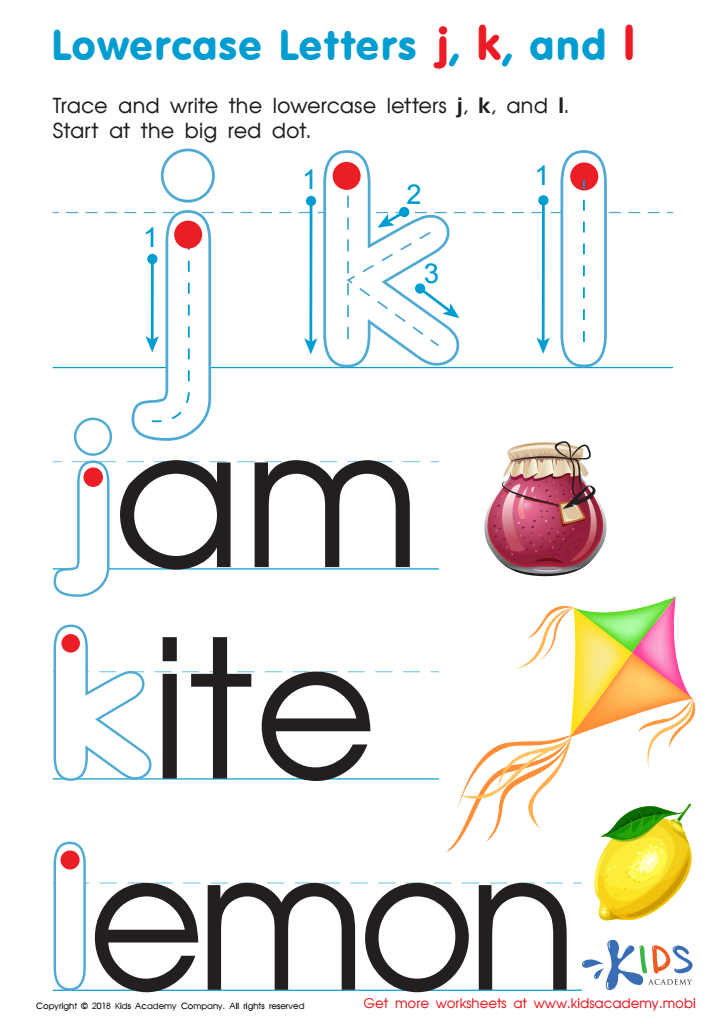
Lowercase Letters j k l Worksheet
 Assign to My Students
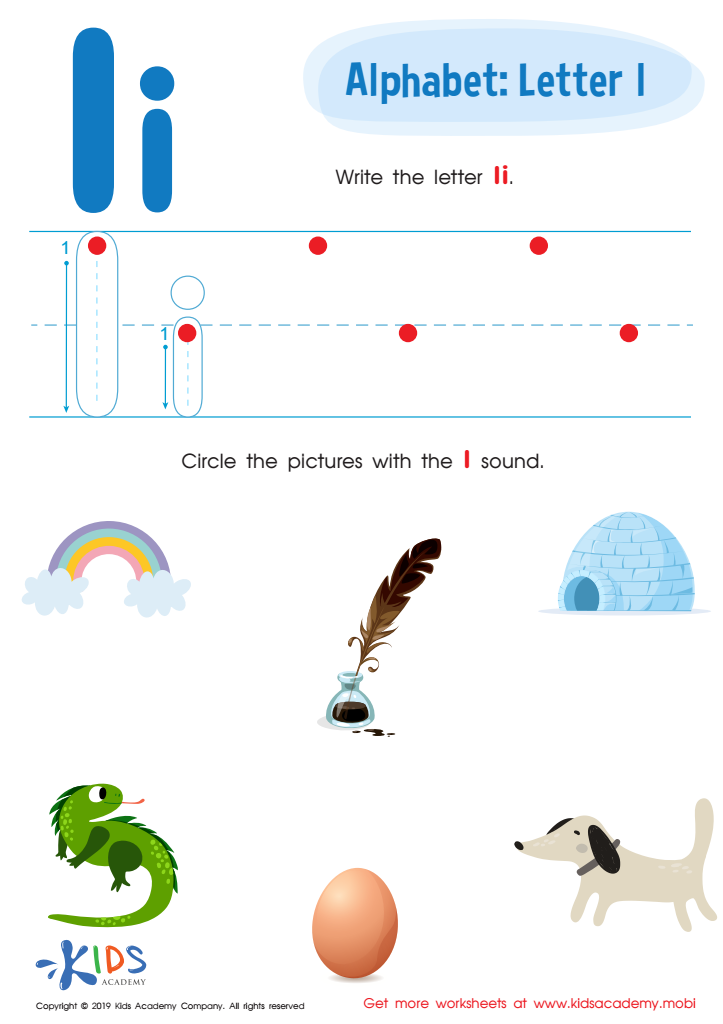
Letter I Tracing Worksheet
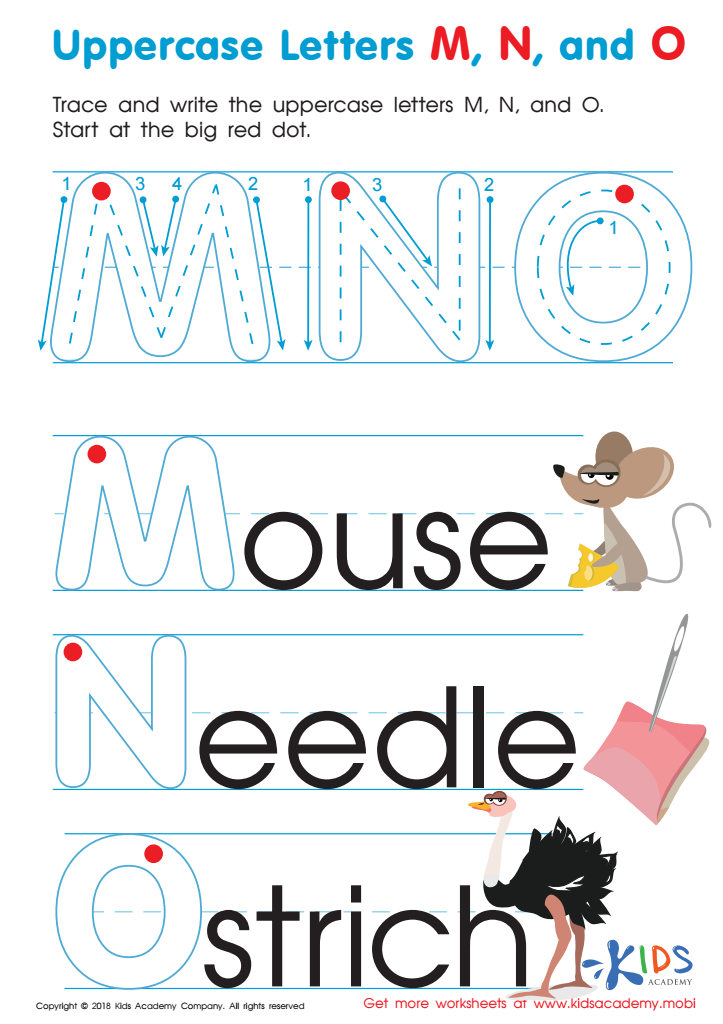
Uppercase Letters M, N, and O Worksheet
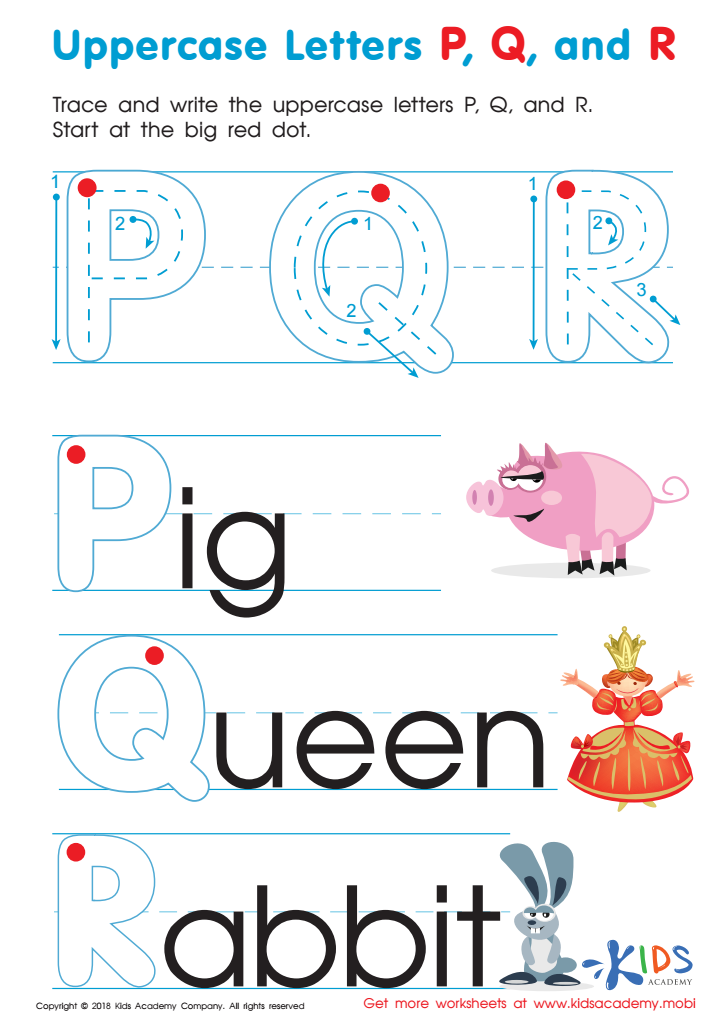
Uppercase Letters P, Q, and R Worksheet
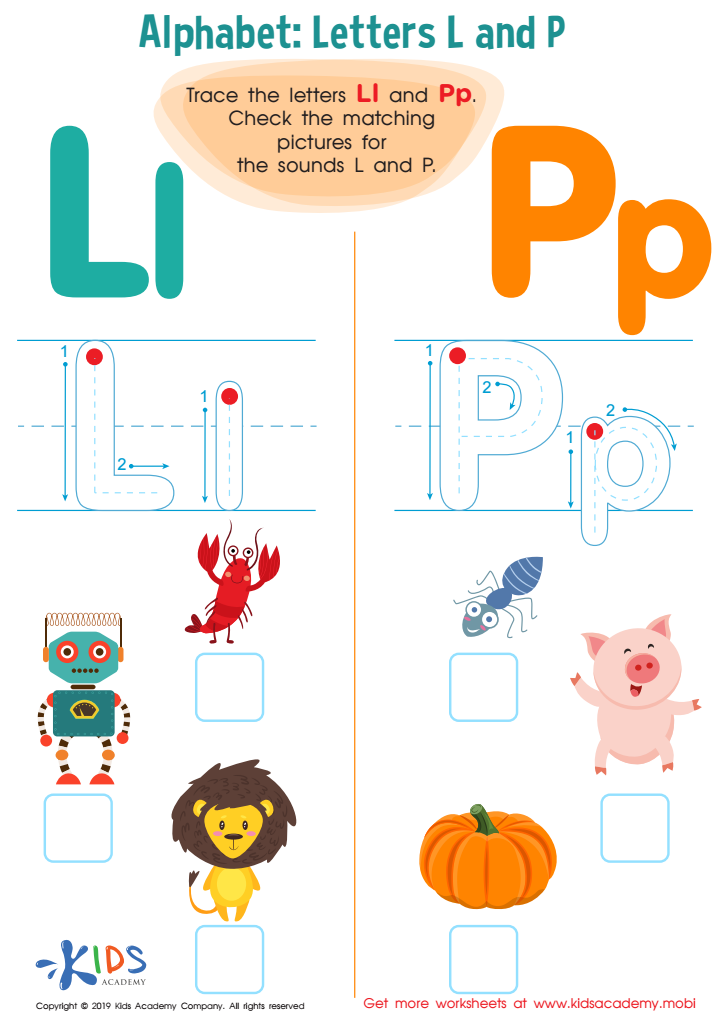
Letter L and P Tracing Worksheet







Parents and teachers should care about letter tracing practice because it lays a critical foundation for children's reading and writing skills. Tracing letters helps young learners develop fine motor skills, which are essential for holding and controlling a pencil. By practicing the shapes and forms of letters, children also enhance their visual-spatial abilities, which are vital for distinguishing between different characters and understanding word structures.
Letter tracing is more than just a mechanical exercise; it stimulates cognitive processes that benefit overall literacy development. As children trace, they begin to memorize the appearance and structure of each letter, linking what they see with how it feels to write it. This multisensory approach reinforces memory pathways, making it easier for children to recall and recognize letters in the future.
Additionally, early success in letter tracing fosters confidence and a positive attitude towards learning. When children see their progress and receive encouragement from parents or teachers, they build a sense of accomplishment and are more likely to stay engaged and motivated in their literacy journey. Therefore, investing time in letter tracing practice is integral to ensuring that children develop strong, early literacy skills that form the building blocks for future academic success.








