Fairy Tales Worksheets Activities With Answers for Ages 4-7 - Page 3
51 filtered results
-
From - To
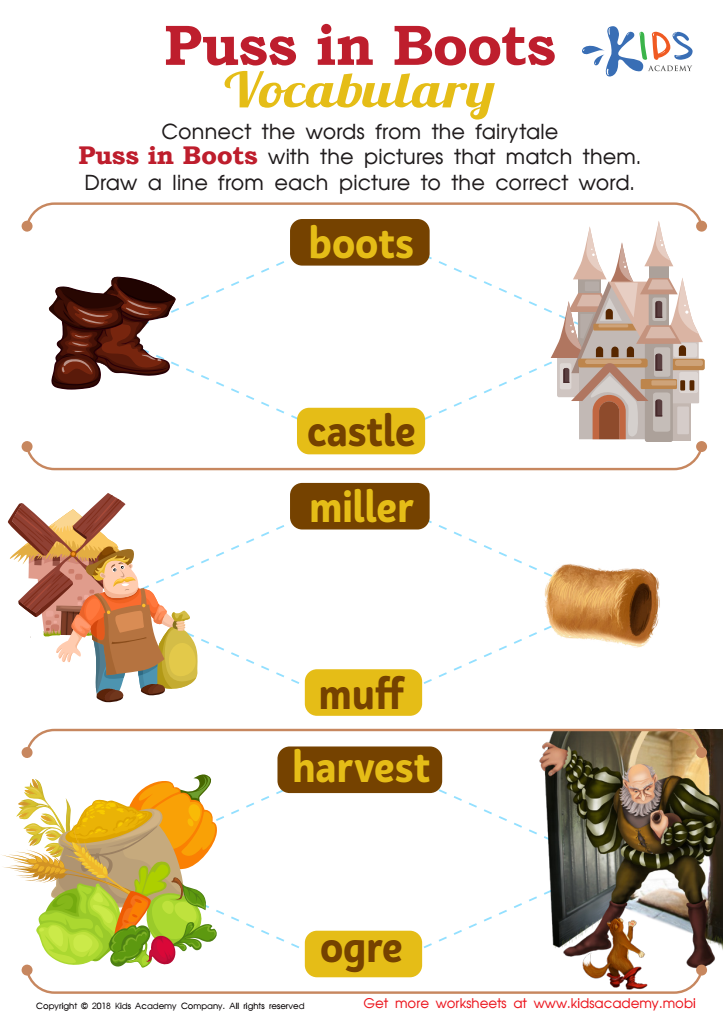
Puss in Boots Vocabulary Worksheet
 Assign to My Students
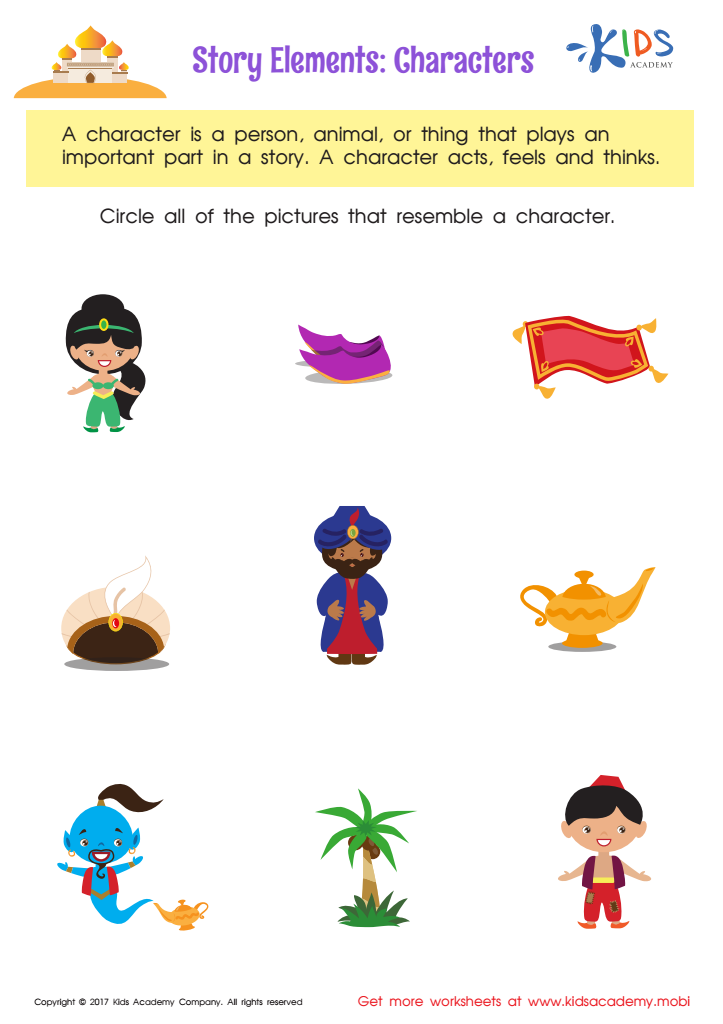
Story Elements Printable
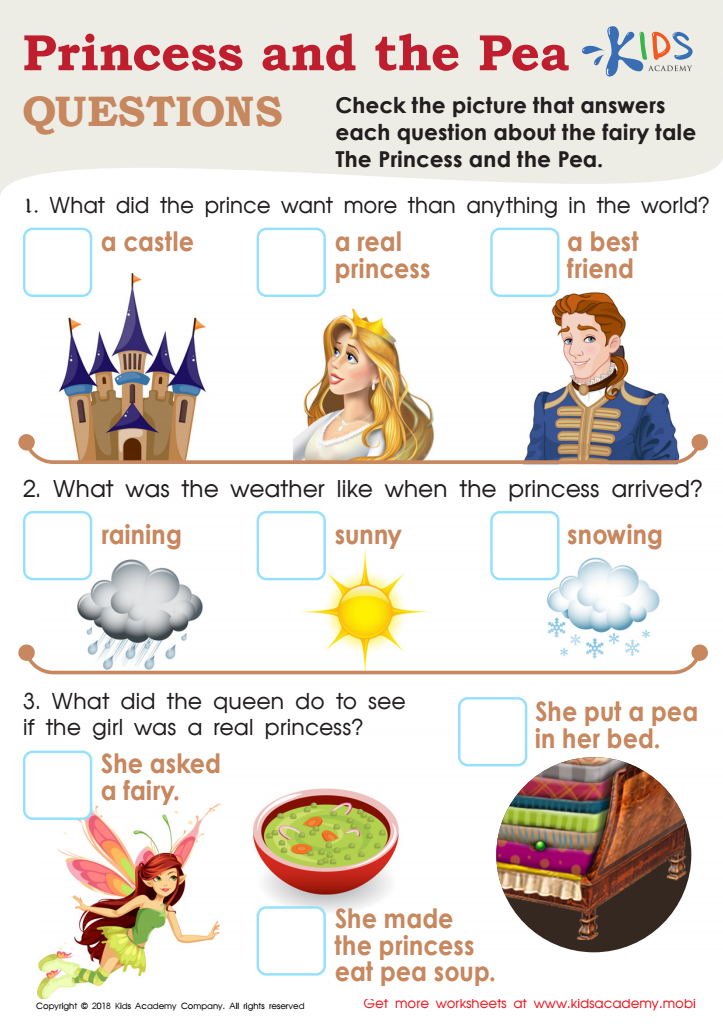
Princess and the Pea Questions Worksheet







Fairy tales are not just enchanting stories; they play a vital role in early childhood education, particularly for children aged 4-7. Engaging in fairy tale activities fosters a child's imagination, language skills, and emotional intelligence. When parents and teachers incorporate these activities, they create opportunities for interactive storytelling that enhances comprehension and retention. Children learn to identify characters, plot, and morals, which are essential components of literacy.
Moreover, fairy tales introduce cultural nuances and ethical lessons, helping children develop a sense of empathy. When discussing these stories, children learn to navigate complex emotions and differentiate between right and wrong, fostering moral development.
Activities can be varied – from crafting to role play – making learning enjoyable and memorable. These experiences encourage cooperative play and critical thinking, as children collaborate to create their own versions or solve problems presented in the tales.
Furthermore, enhanced vocabulary through repeated exposure to language in stories aids in building communication skills. In summary, fairy tale activities offer a rich platform for holistic development, empowering parents and educators to cultivate creativity, critical thinking, and emotional growth in children, setting a strong foundation for their academic and interpersonal journeys.








