Tracing Letters Worksheets Activities With Answers for Ages 4-8 - Page 3
57 filtered results
-
From - To
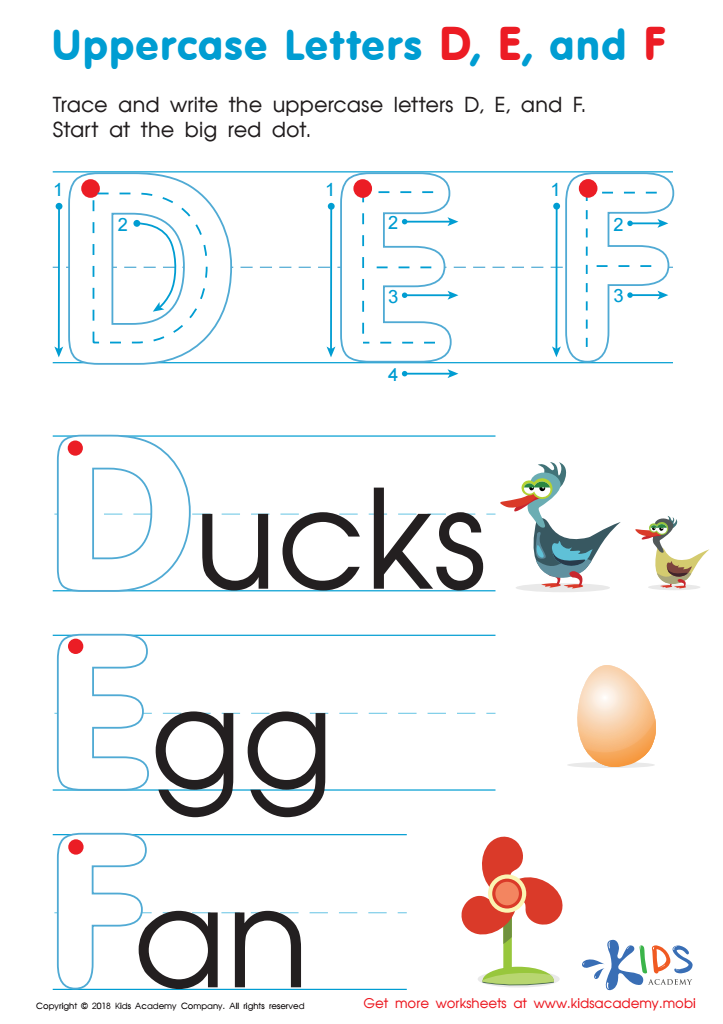
Uppercase Letters D, E, and F Worksheet
 Assign to My Students
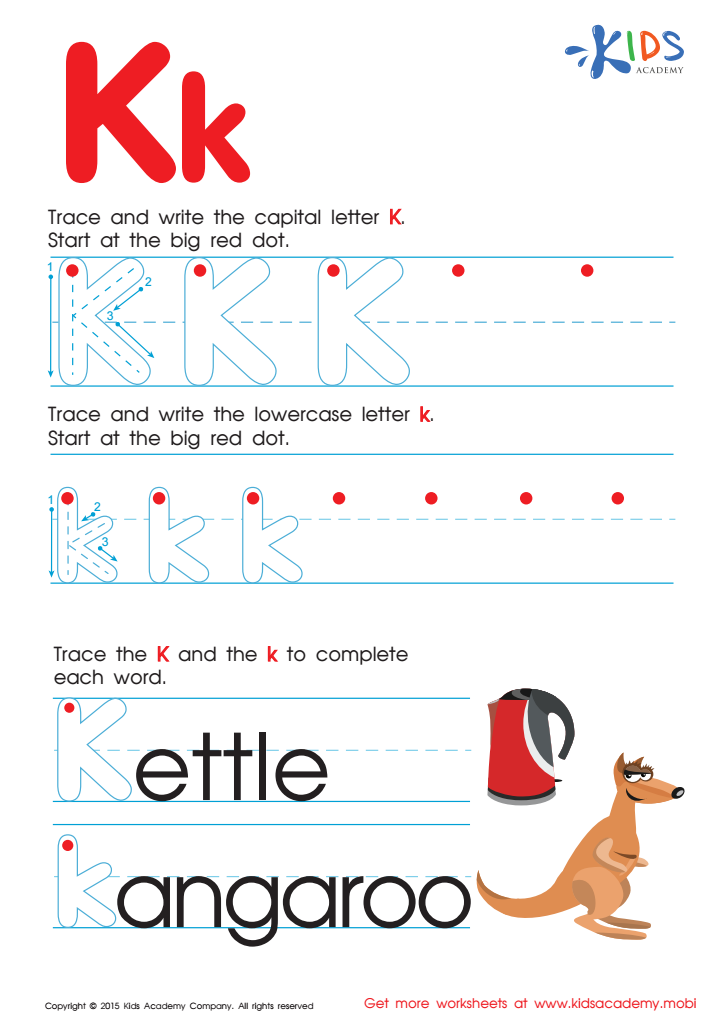
Letter K Tracing Page
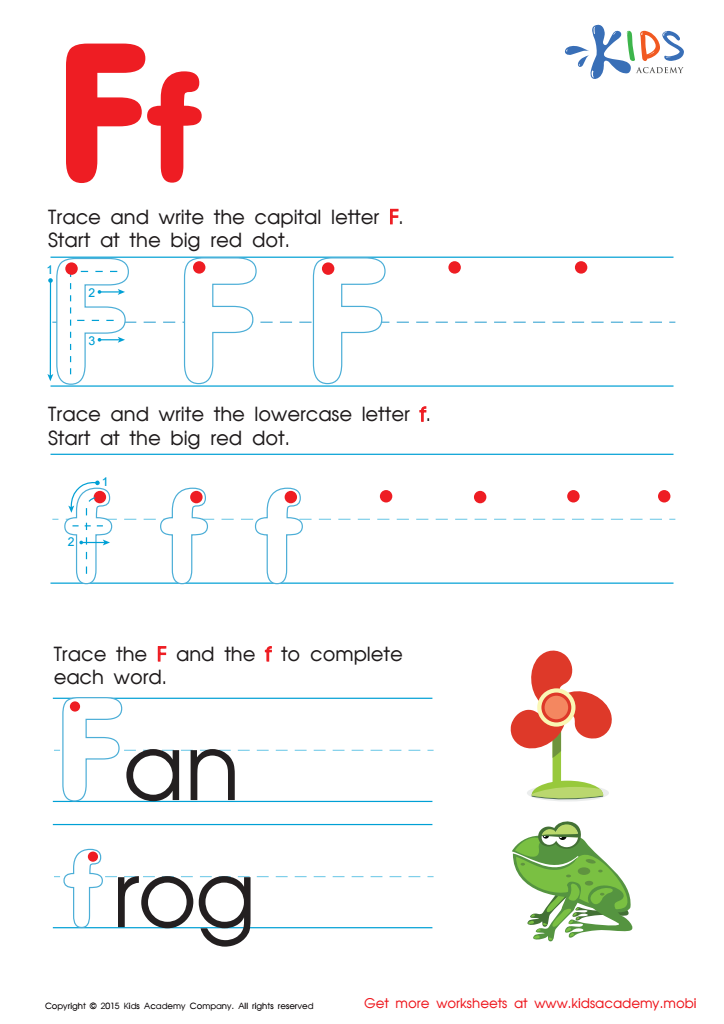
Letter F Tracing Page

Uppercase Letters Y Z Worksheet
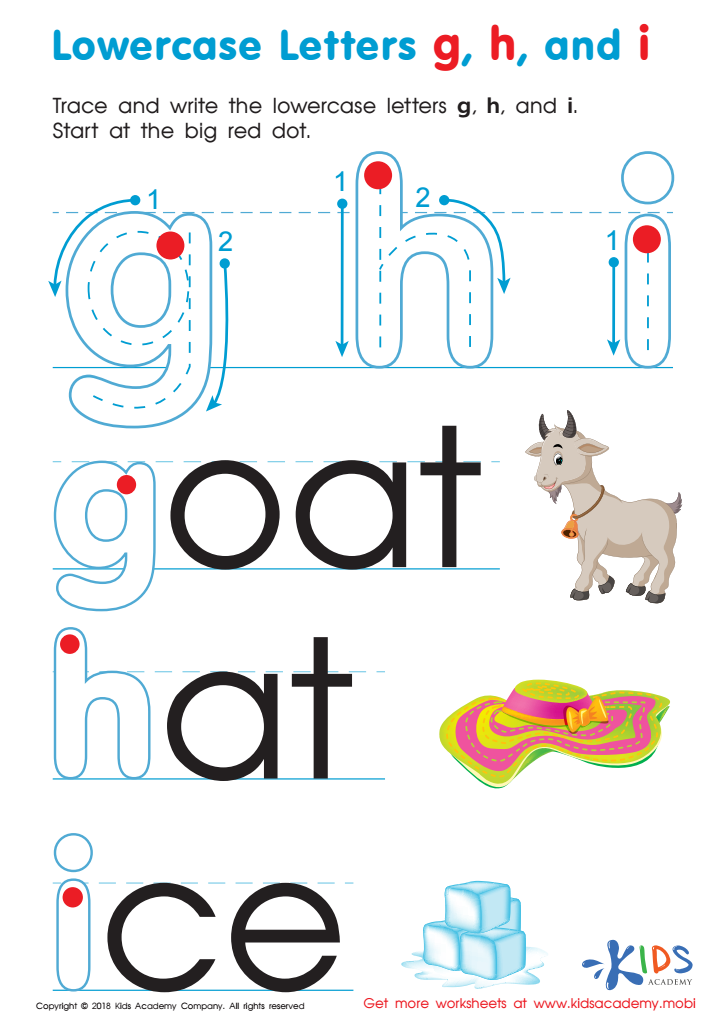
Lowercase Letters g h i Worksheet
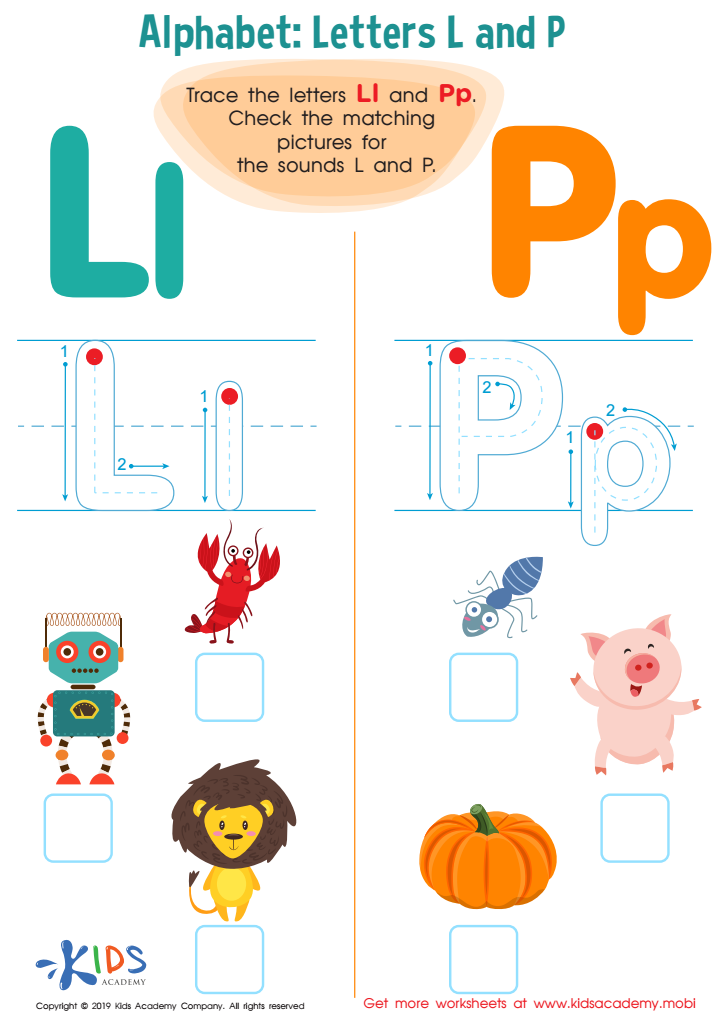
Letter L and P Tracing Worksheet
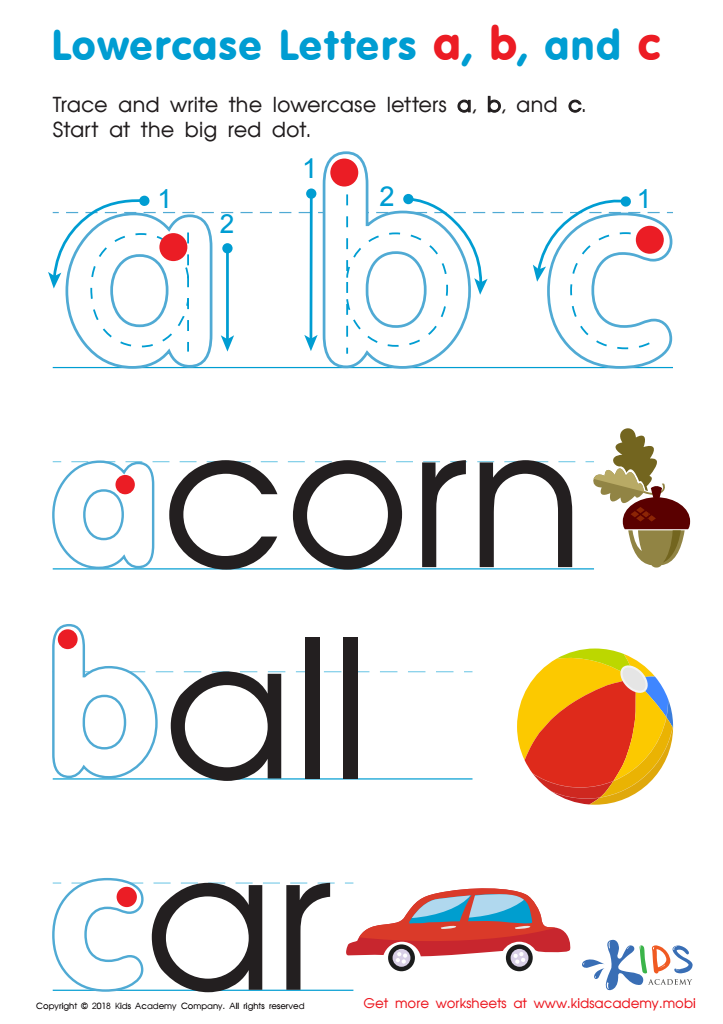
Lowercase Letters a b c Worksheet
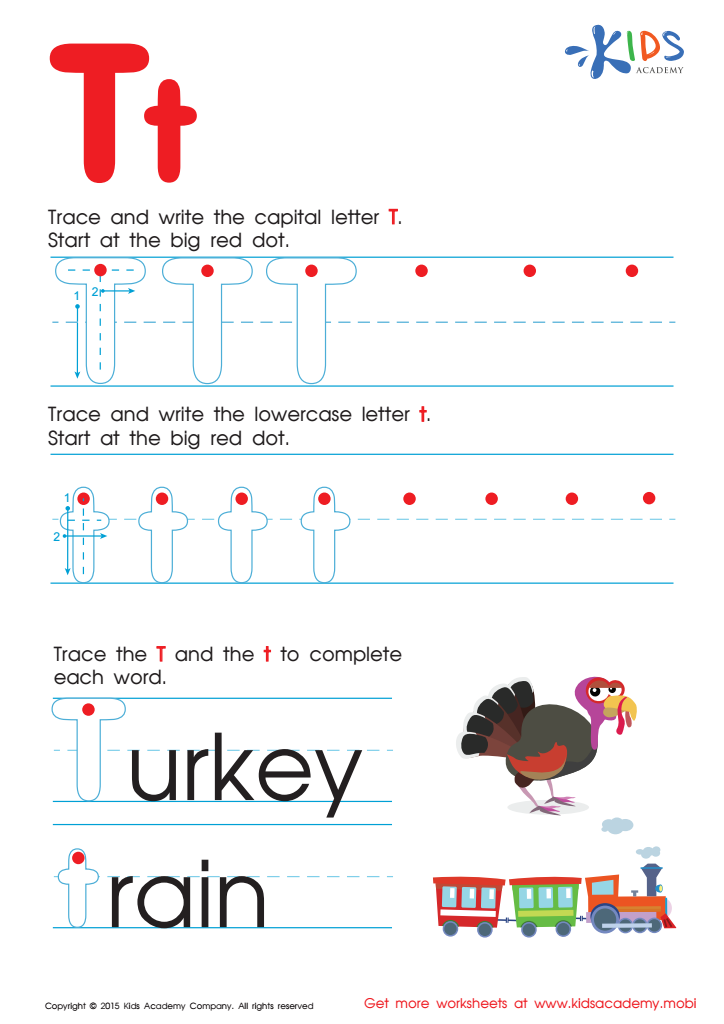
Letter T Tracing Page
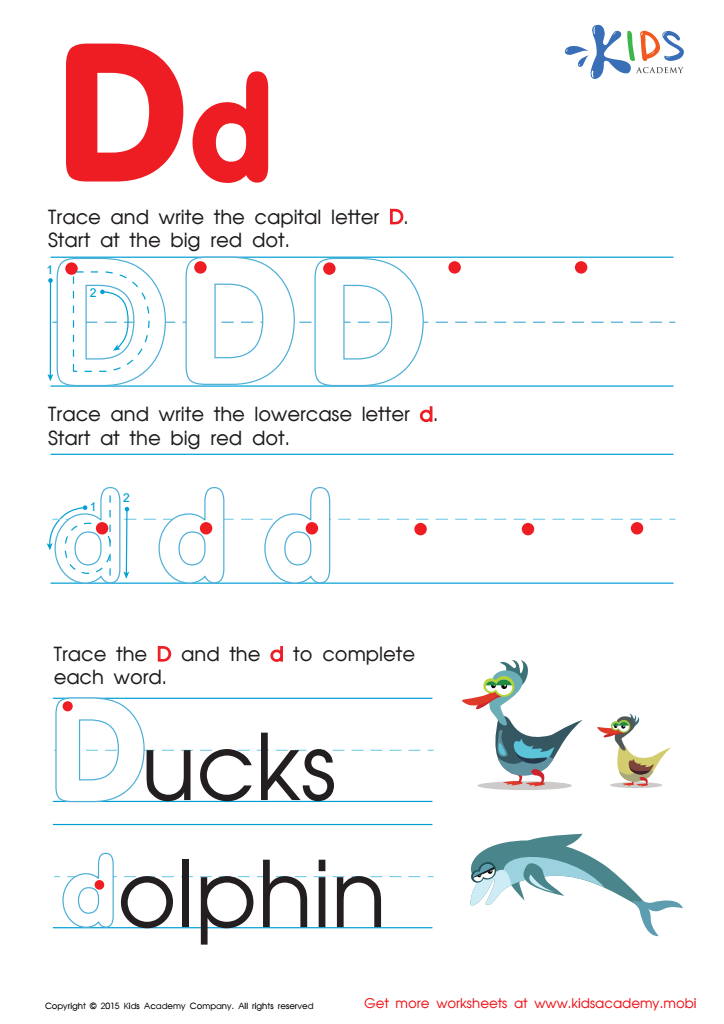
Letter D Tracing Page







Tracing letters activities are crucial for children aged 4-8 as they lay the foundation for writing skills and literacy development. During these formative years, young learners engage in essential motor skill practice, enhancing their hand-eye coordination and fine motor skills. This precise control not only builds their ability to write but also aids in other tasks like drawing and using tools effectively.
Moreover, tracing letters introduces children to the shapes and sounds of letters, reinforcing phonetic awareness and aiding in reading readiness. As they trace, they begin to associate letters with their sounds and visual representations, accelerating the learning process. Providing answers alongside tracing activities offers immediate feedback, allowing children to recognize their progress and correcting mistakes on their own, fostering a sense of independence.
For parents and teachers, incorporating tracing letter activities in early education nurtures a love for writing and learning. It transforms writing into an enjoyable, interactive experience rather than a daunting task. Furthermore, these activities encourage familial involvement, making learning a collaborative effort while also helping to identify individual learning styles – ensuring that each child’s educational needs are met optimally. Ultimately, these activities play a pivotal role in a child's academic journey and should be embraced by all.








