Tracing Letters Worksheets Activities With Answers for Ages 6-8 - Page 2
56 filtered results
-
From - To
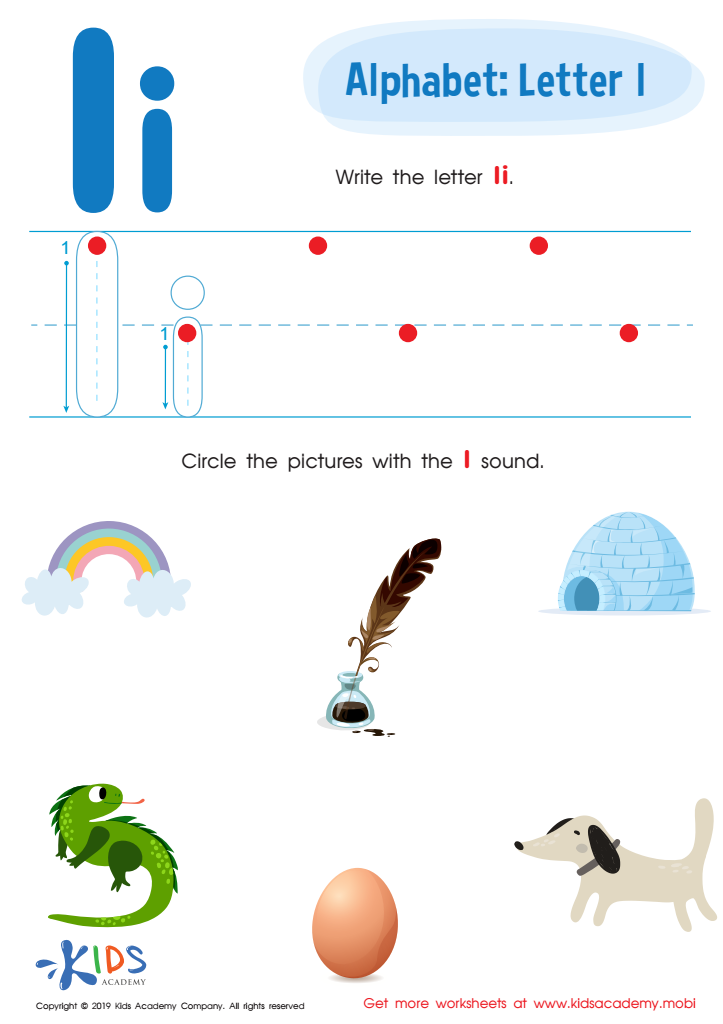
Letter I Tracing Worksheet
 Assign to My Students
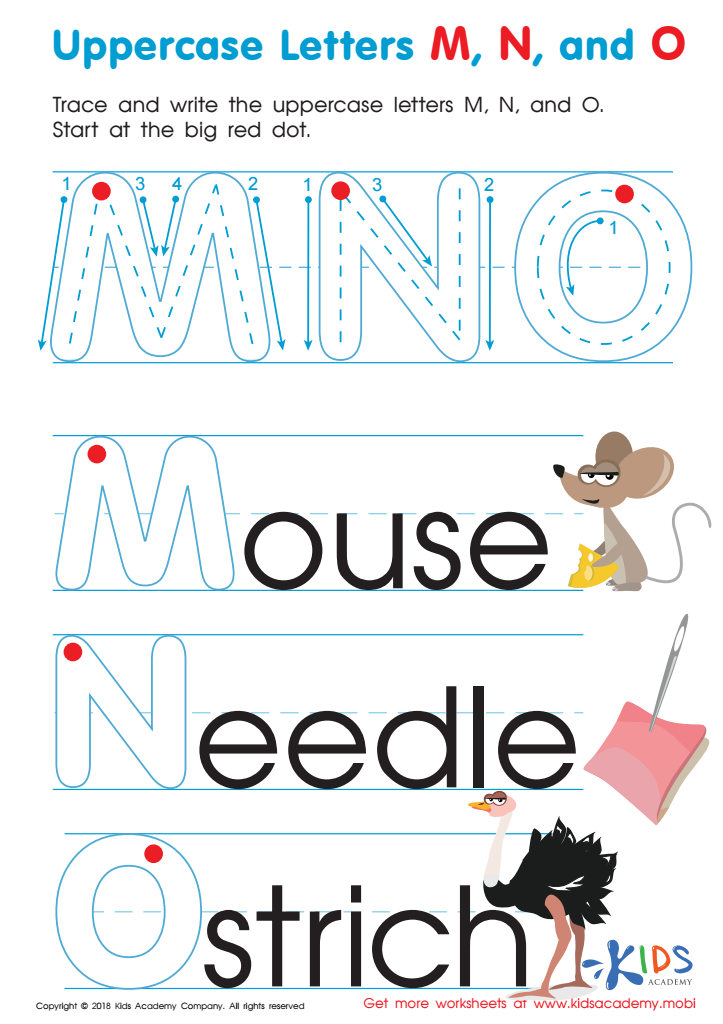
Uppercase Letters M, N, and O Worksheet
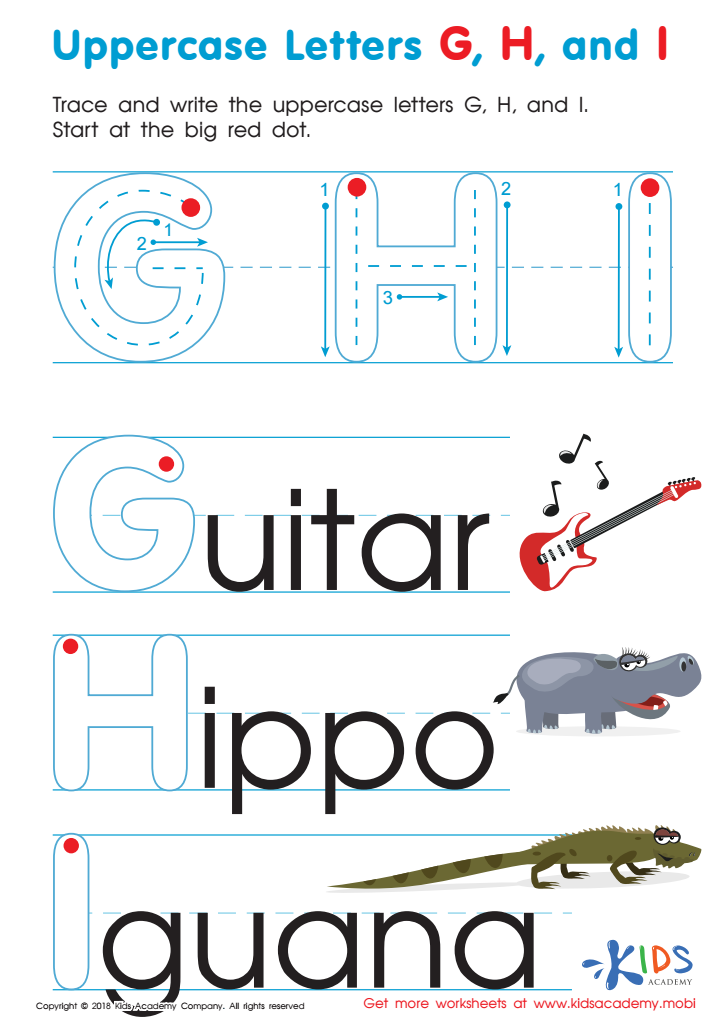
Uppercase Letters G, H, and I Worksheet

Letter G Tracing Page
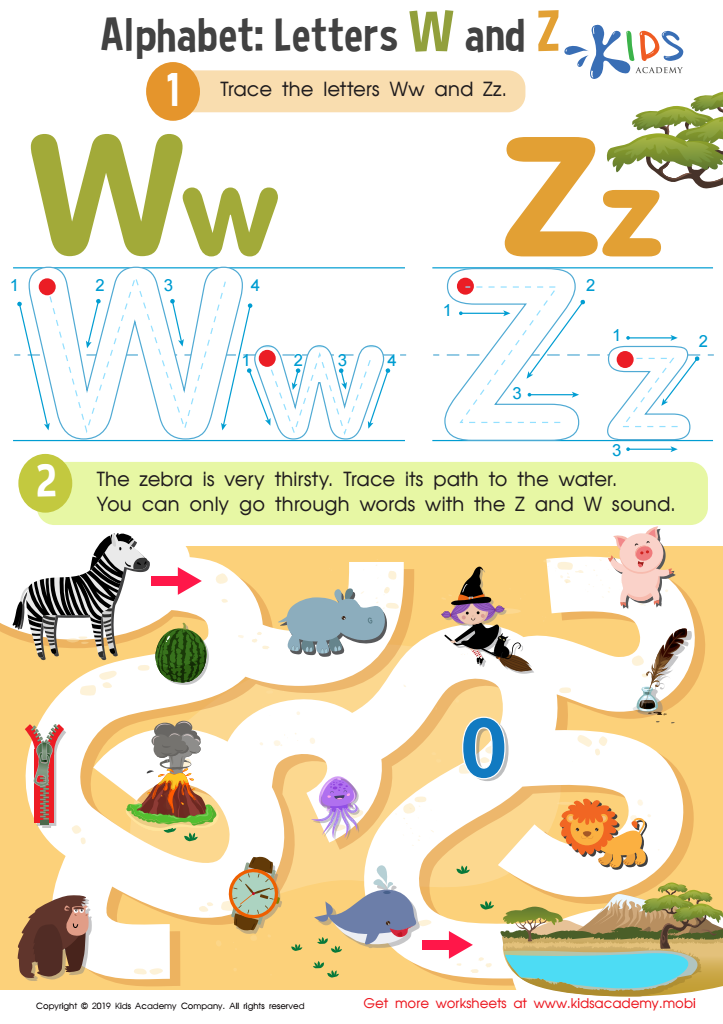
Letters W and Z Tracing Worksheet
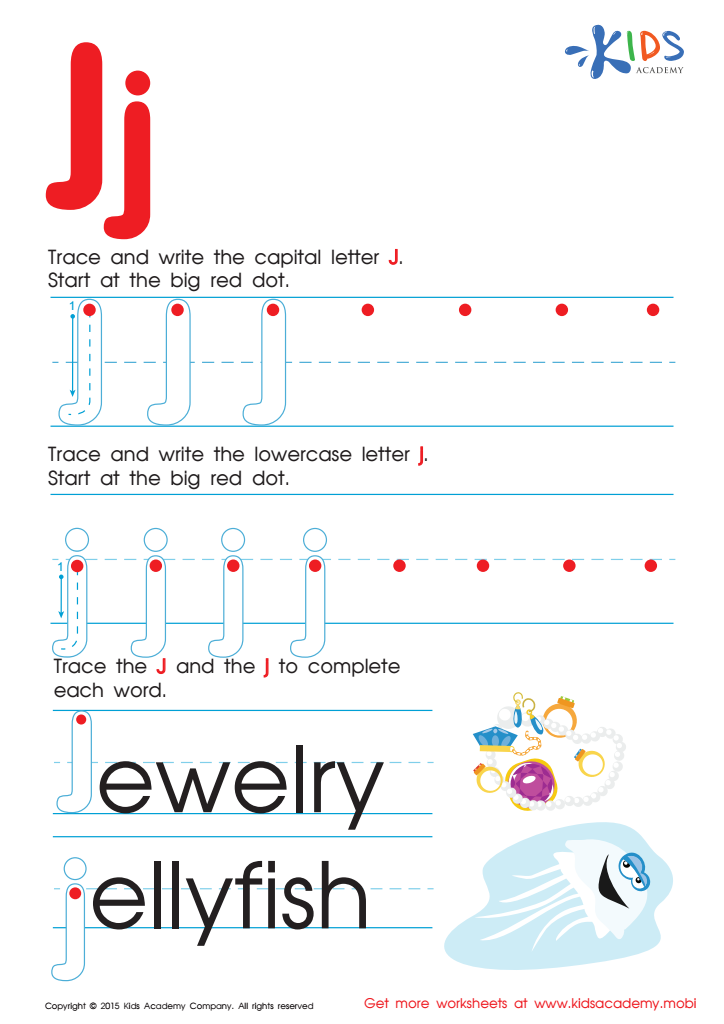
Letter J Tracing Page
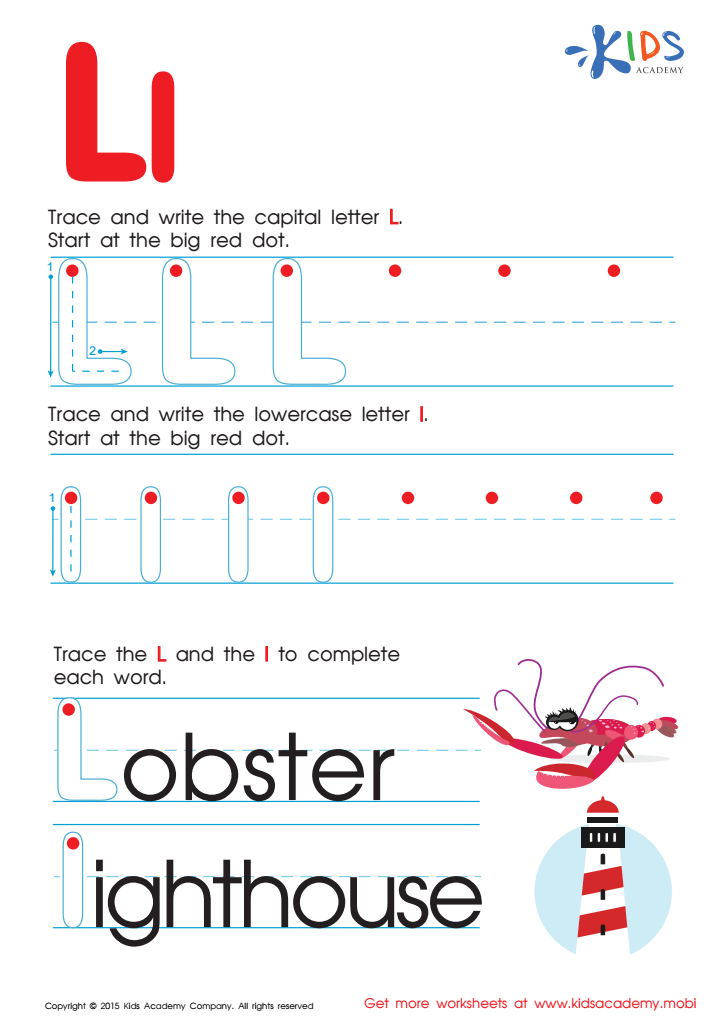
Letter L Tracing Page
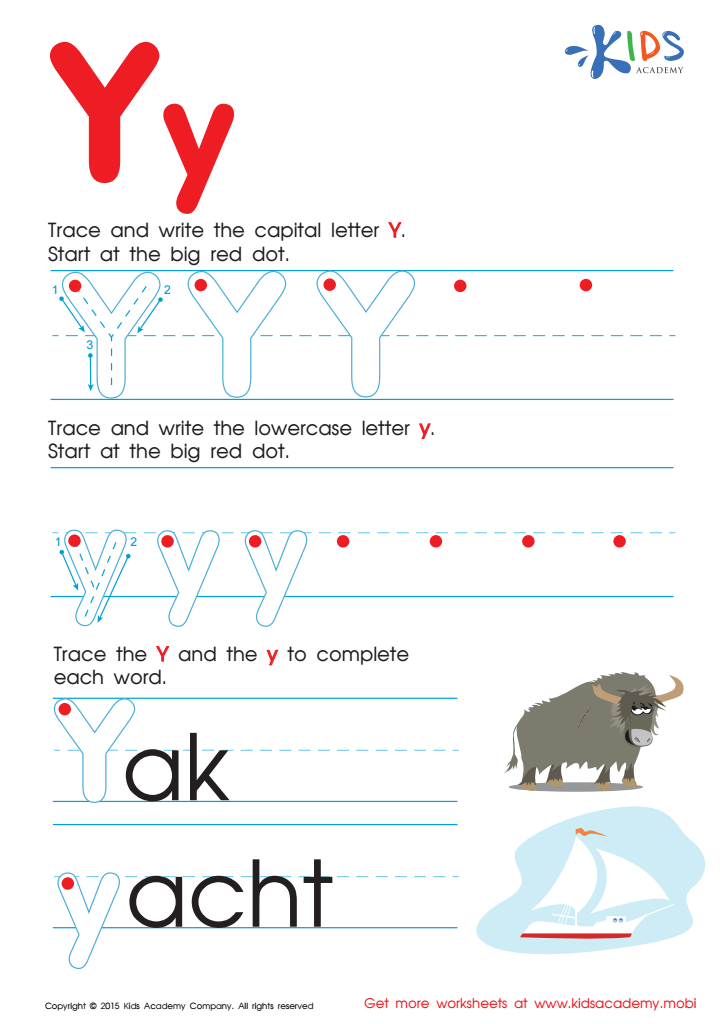
Letter Y Tracing Page
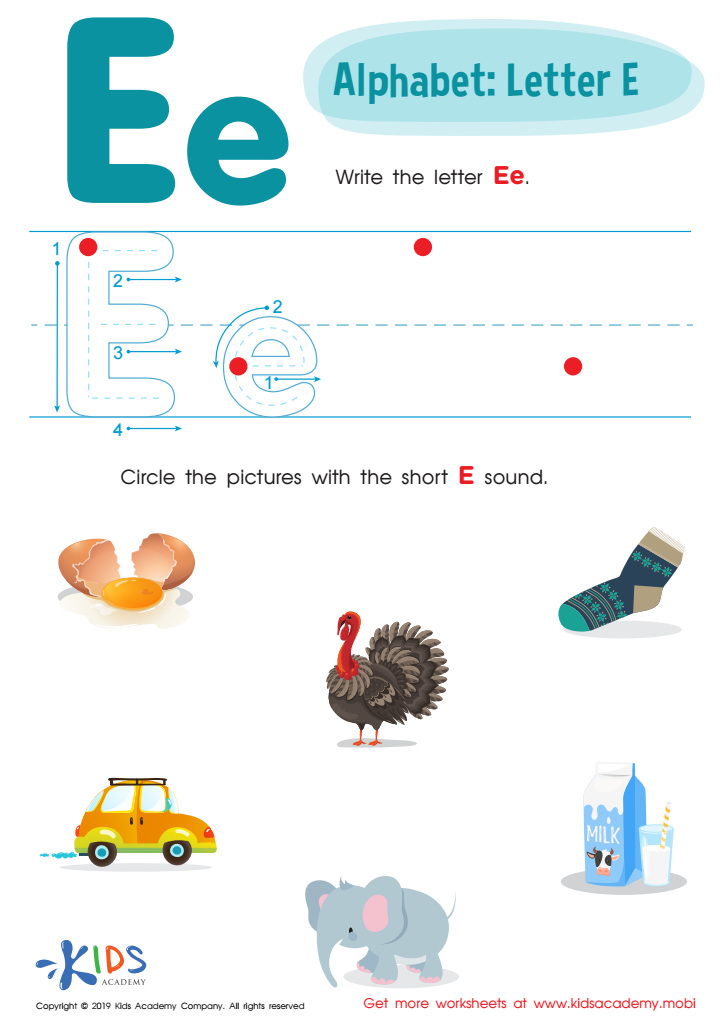
Letter E Tracing Worksheet
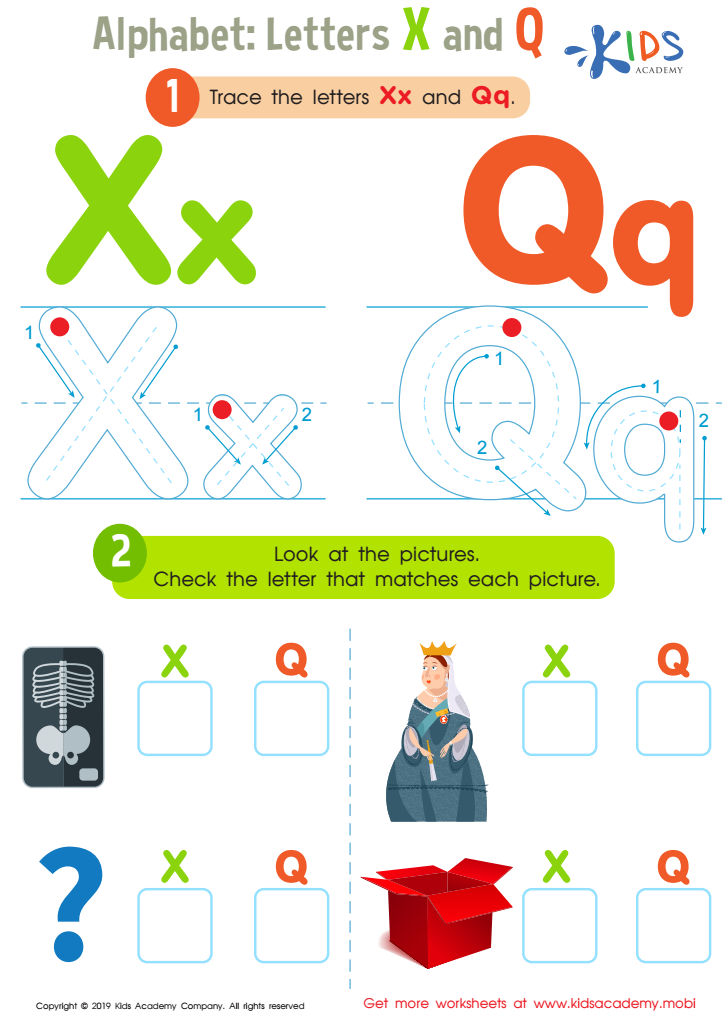
Letters X and Q Tracing Worksheet
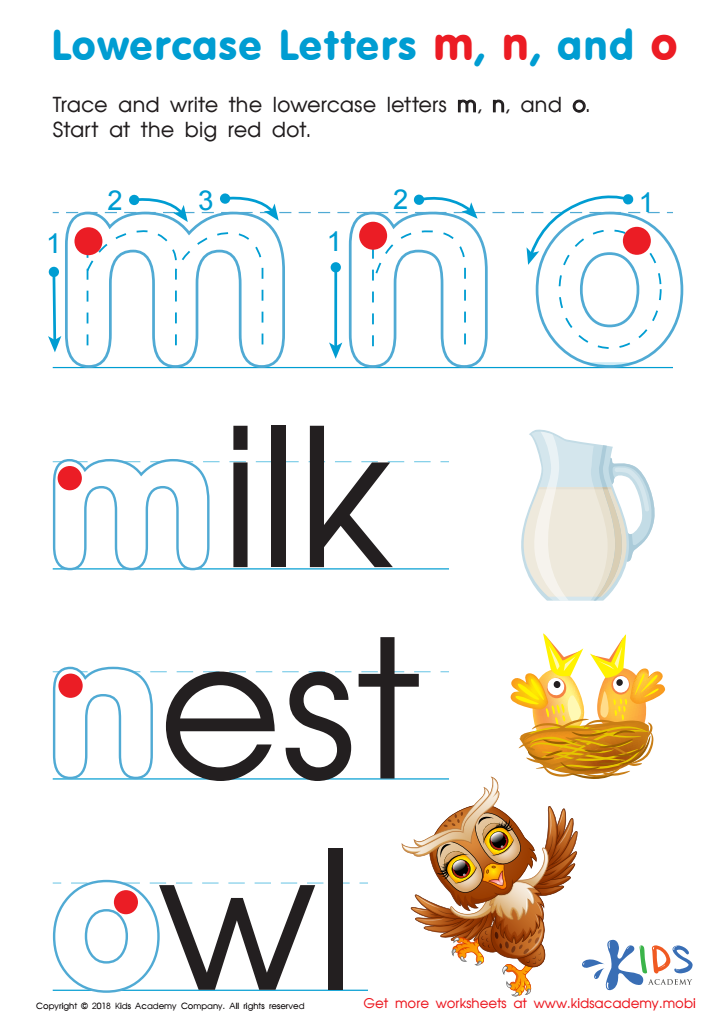
Lowercase Letters m n o Worksheet
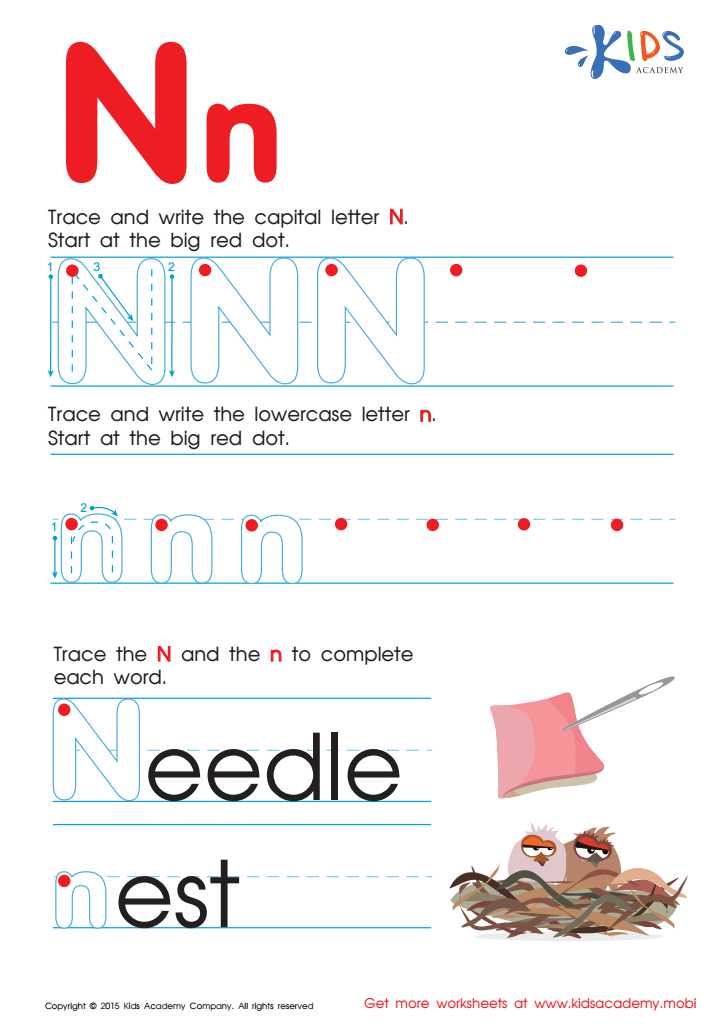
Letter N Tracing Page
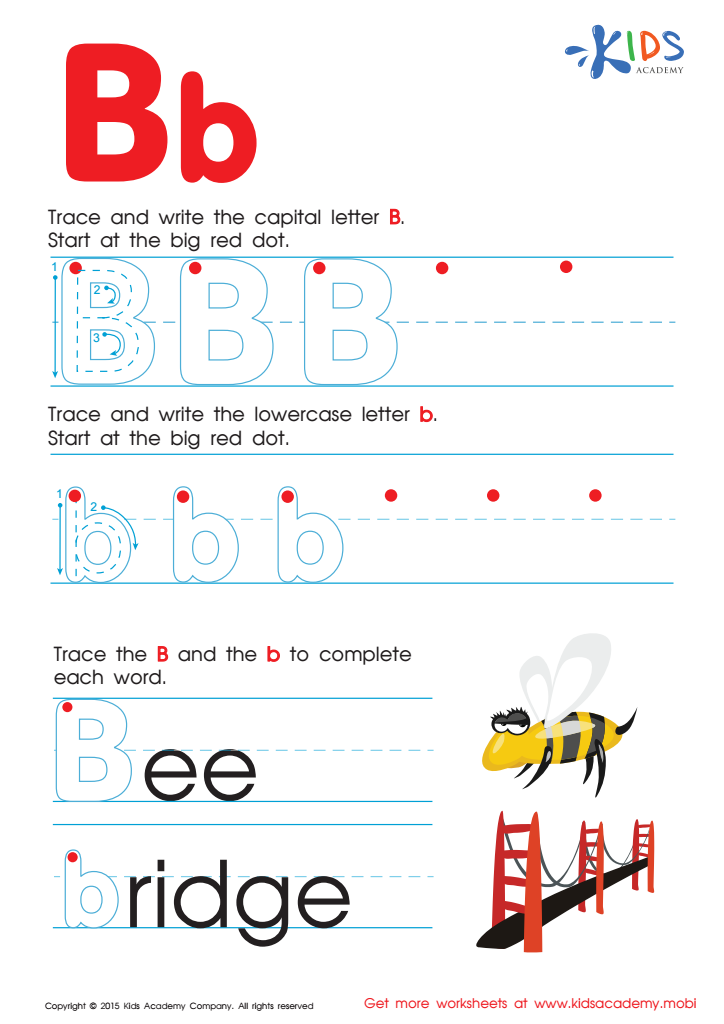
Letter B Tracing Page
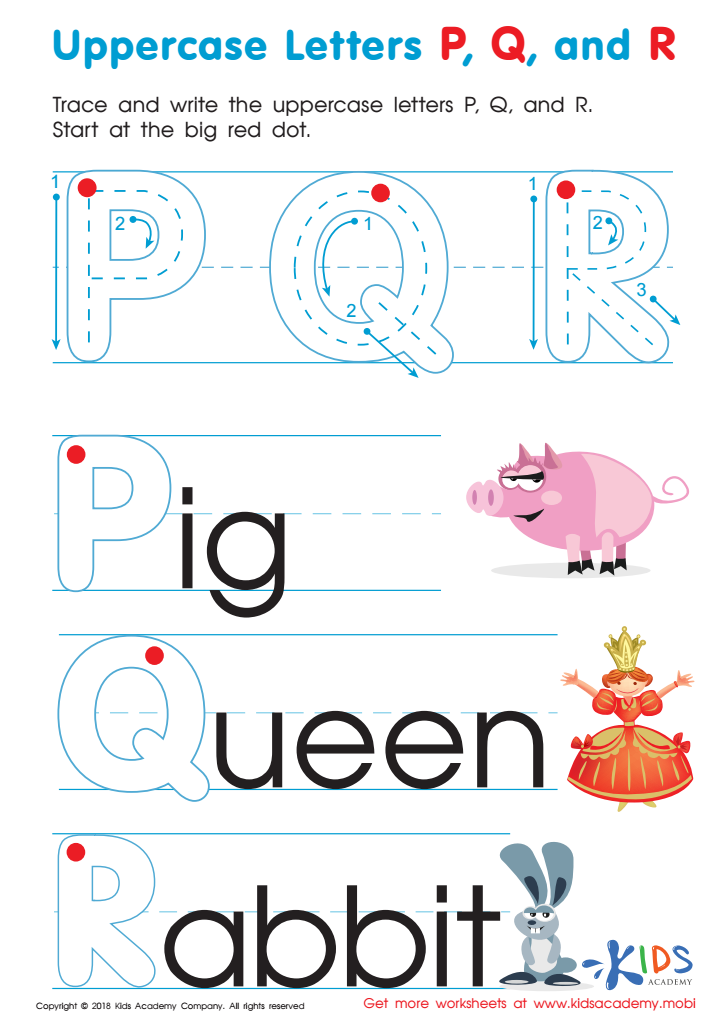
Uppercase Letters P, Q, and R Worksheet
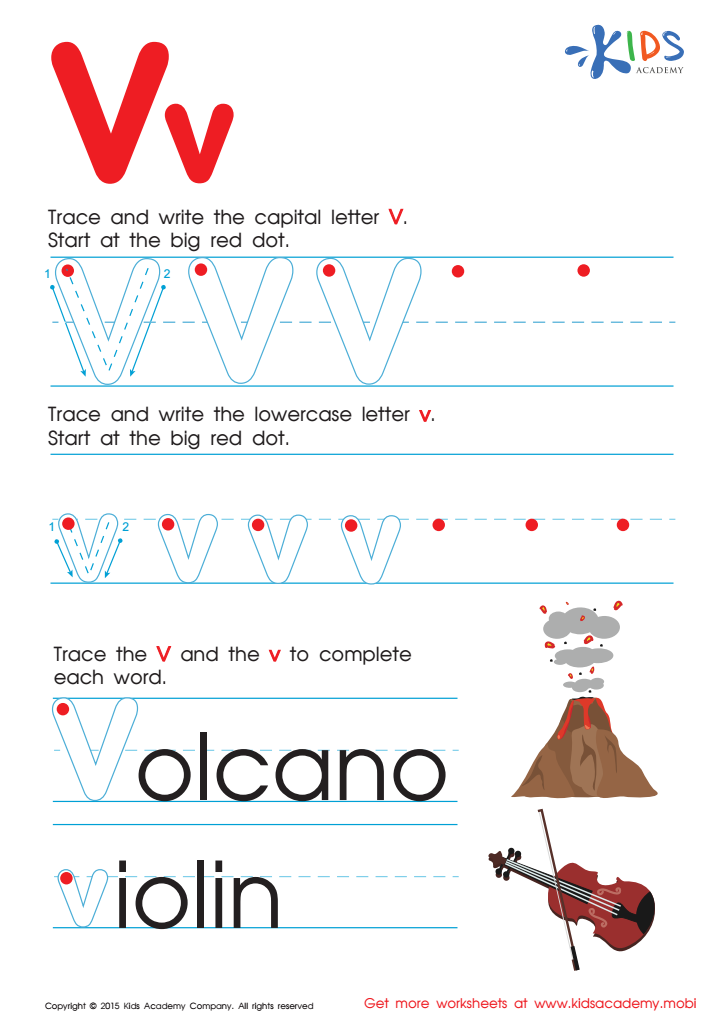
Letter V Tracing Page
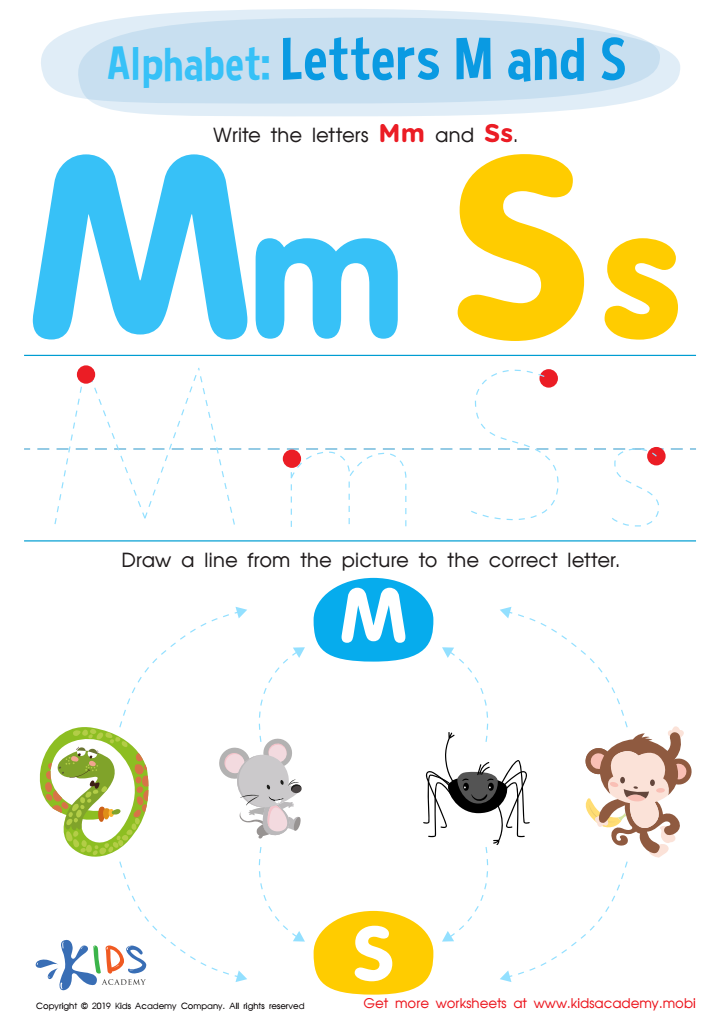
Letters M and S Tracing Worksheet
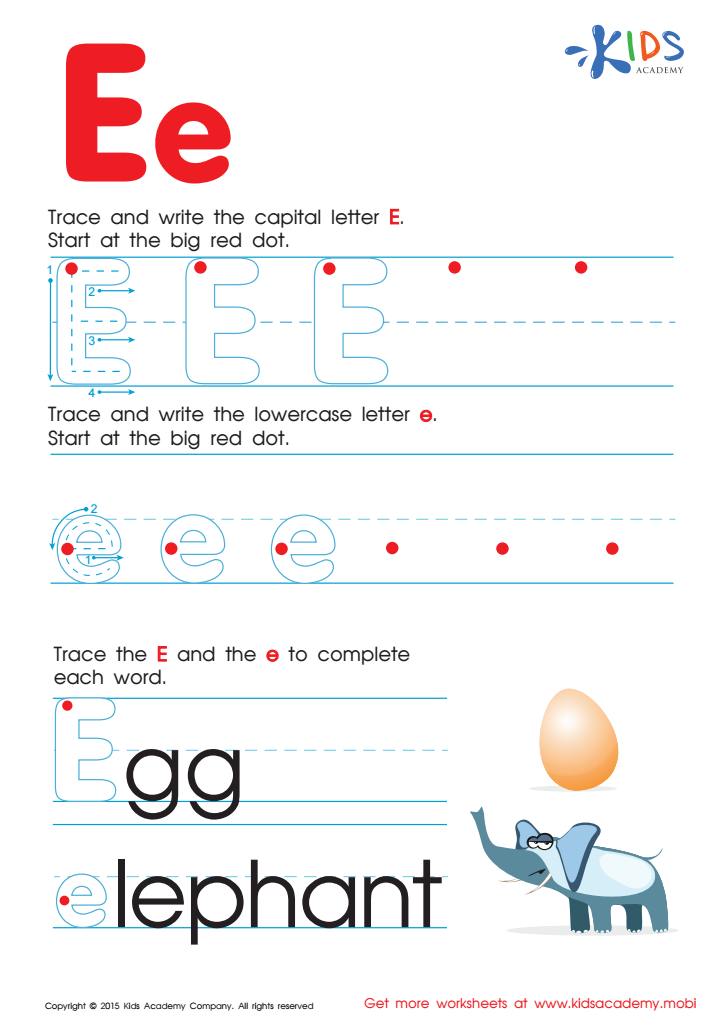
Letter E Tracing Page
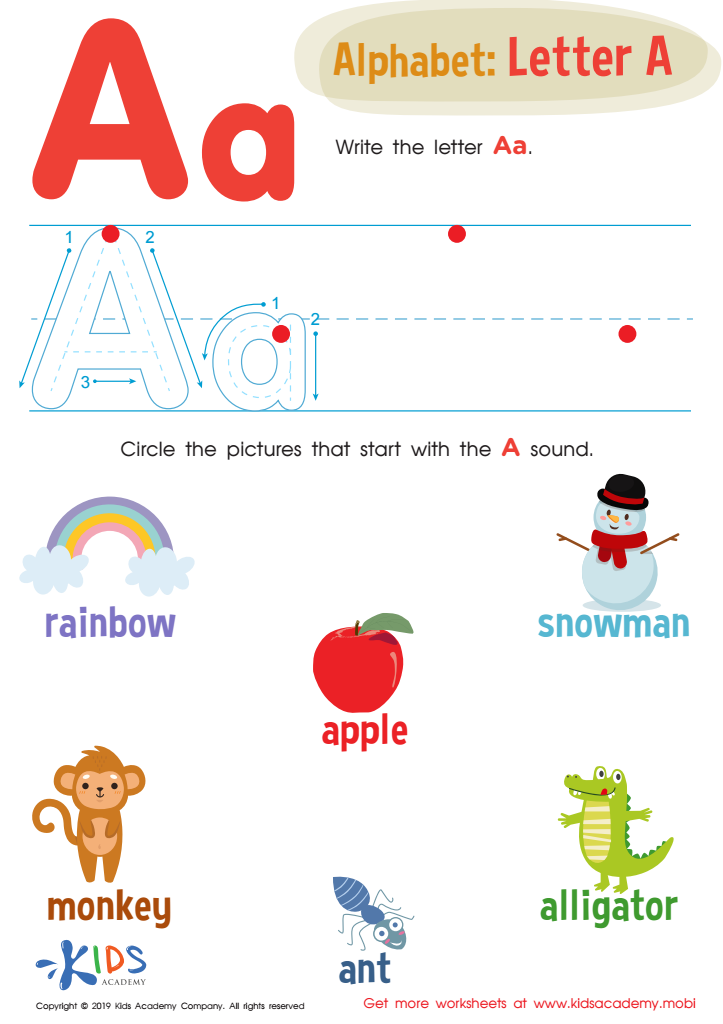
Letter A Tracing Worksheet
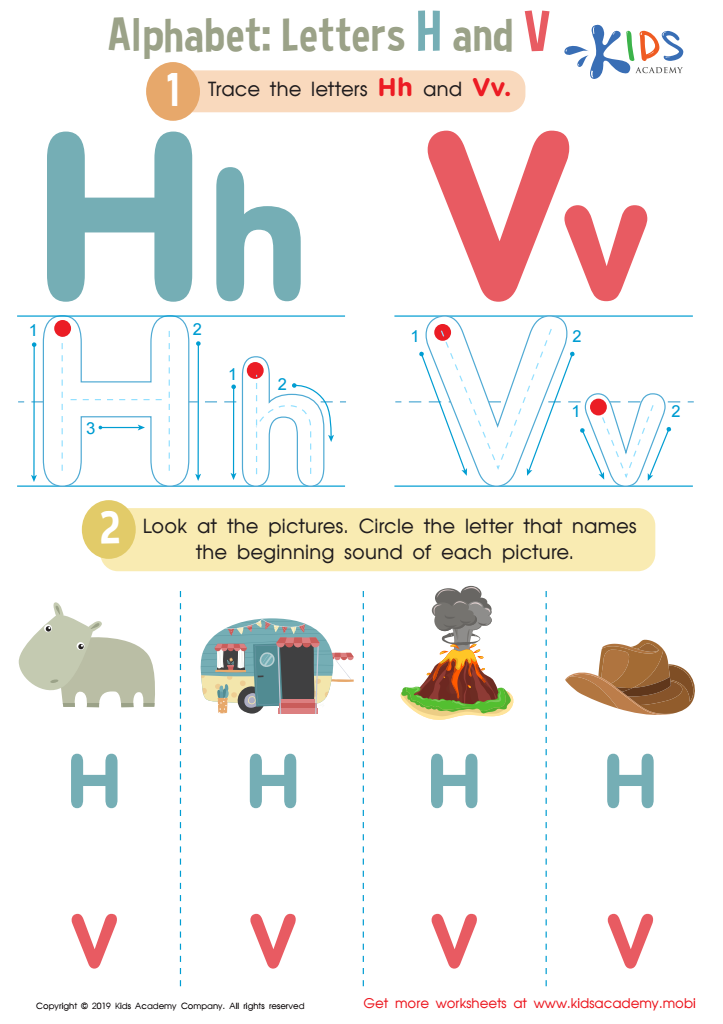
Letters H and V Tracing Worksheet
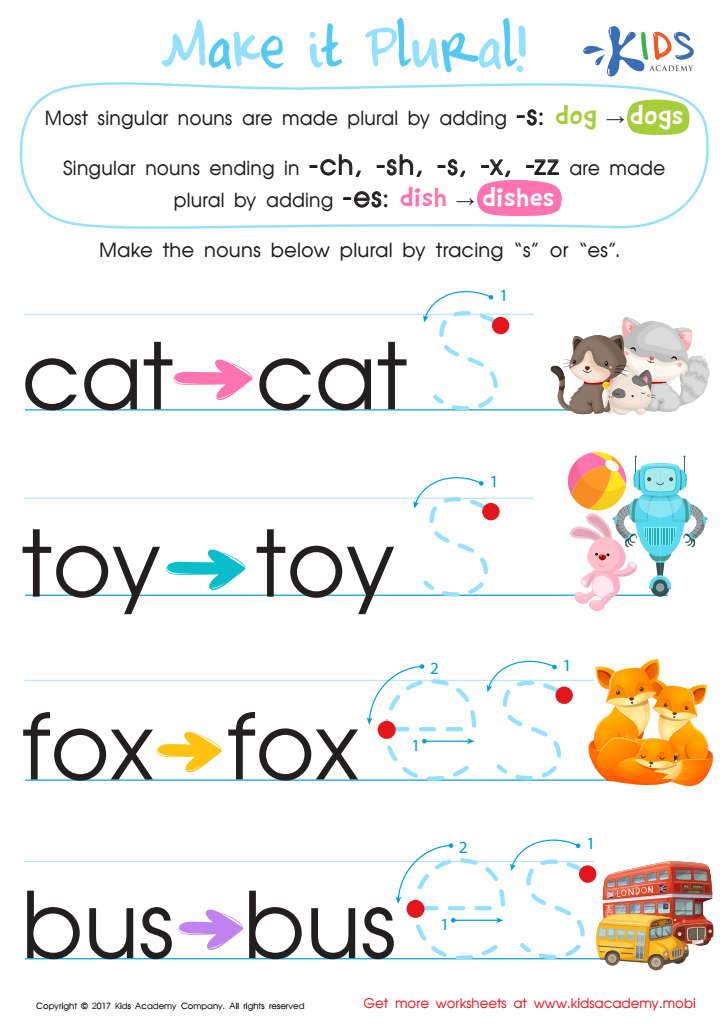
Make it Plural Worksheet
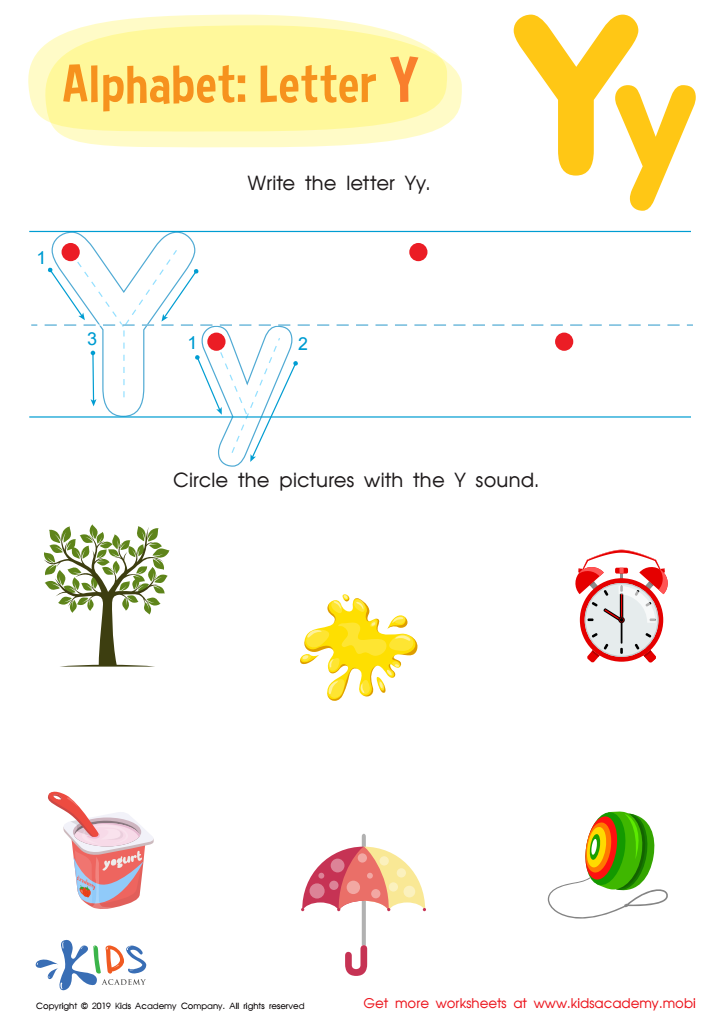
Letter Y Tracing Worksheet
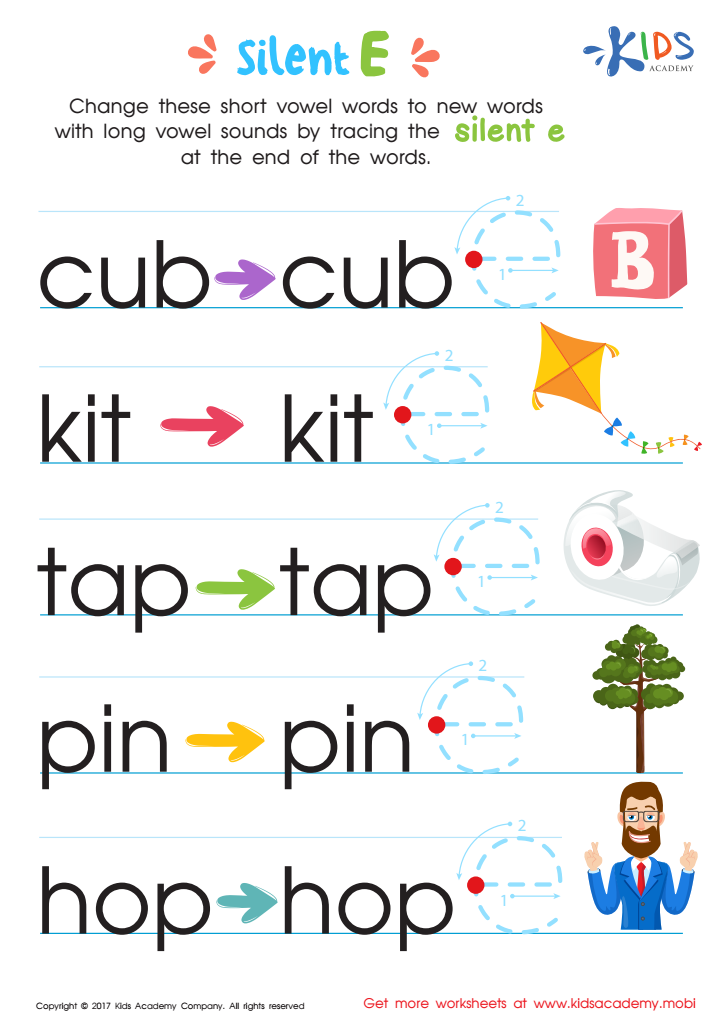
Silent E Words Worksheet
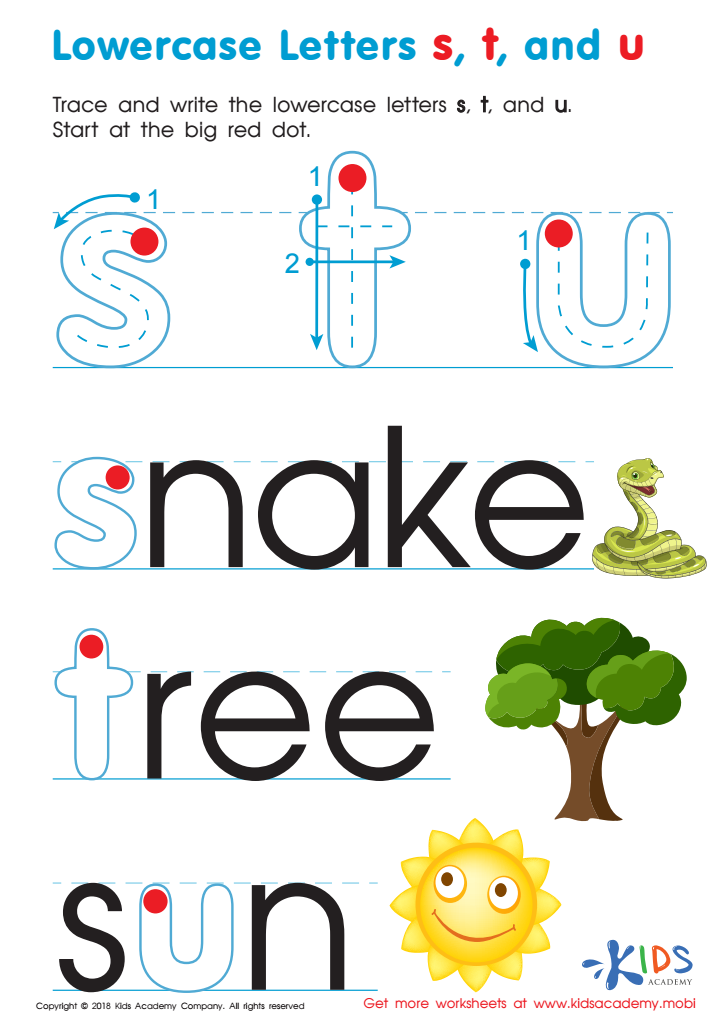
Lowercase Letters s t u Worksheet
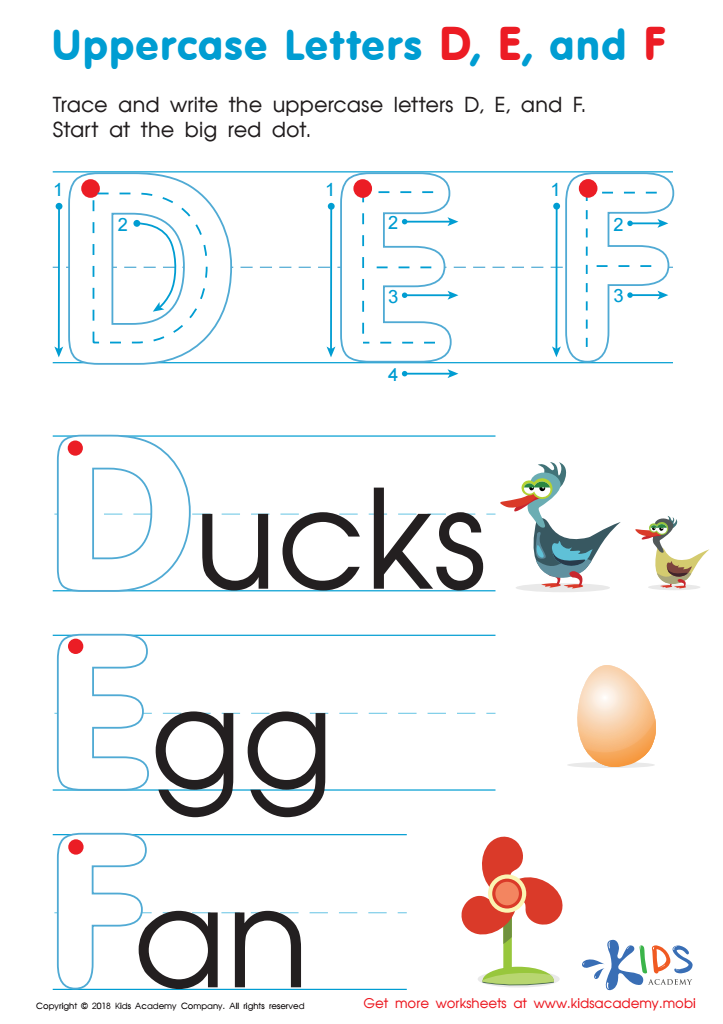
Uppercase Letters D, E, and F Worksheet







Tracing letters activities are essential for children aged 6-8 as they lay the foundational skills for successful reading and writing. At this stage of development, children are refining their motor skills and beginning to understand the relationship between letters and sounds. Engaging in tracing activities helps reinforce letter formation, enhancing both fine motor skills and hand-eye coordination. This is critical, as proper handwriting lays the groundwork for clear communication in the future.
Moreover, tracing letters can improve a child’s cognitive abilities by reinforcing memory through repetition. As children trace, they engage not only in physical activity but also in visual recognition of letters, making connections between the written form and its corresponding sound. Parents and teachers should also emphasize this activity because it can be customized to cater to individual learning paces and styles, providing ample opportunities for practice through worksheets or digital apps with instant feedback.
Additionally, these activities can be enjoyable and interactive, motivating children to engage with language in a fun way. Ultimately, well-implemented tracing activities contribute to a child’s literacy skill development, boosting their confidence and enthusiasm for learning as they progress toward reading and writing independently.








