Extra Challenge Tracing Letters Worksheets Activities With Answers for Ages 7-9
10 filtered results
-
From - To
Discover our "Extra Challenge Tracing Letters Worksheets Activities" tailored for ages 7-9! These engaging worksheets are designed to enhance letter recognition and writing skills through tracing activities that challenge young learners. Each worksheet offers a fun and interactive way to practice letters, boosting confidence in their writing abilities. To make learning seamless, we've included answer keys to assist educators and parents in guiding children. Explore our comprehensive collection, where creativity meets education, and watch your child's handwriting flourish. Perfect for classroom activities or at-home learning, these worksheets provide an excellent opportunity for extra practice. Start tracing and improving today!
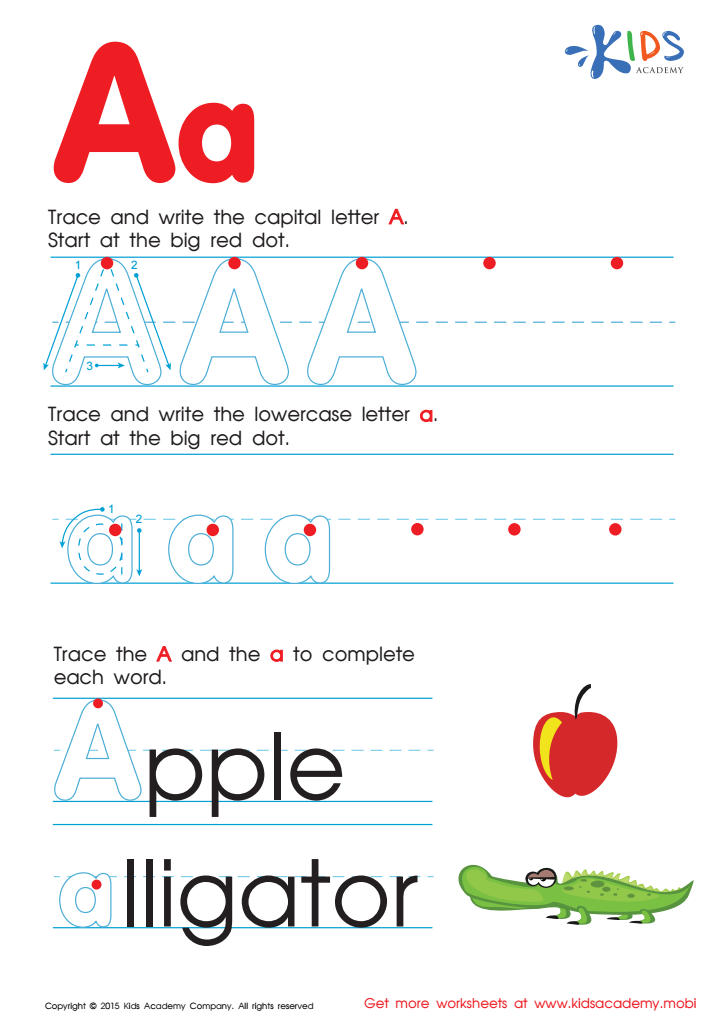
Letter A Tracing Page
 Assign to My Students
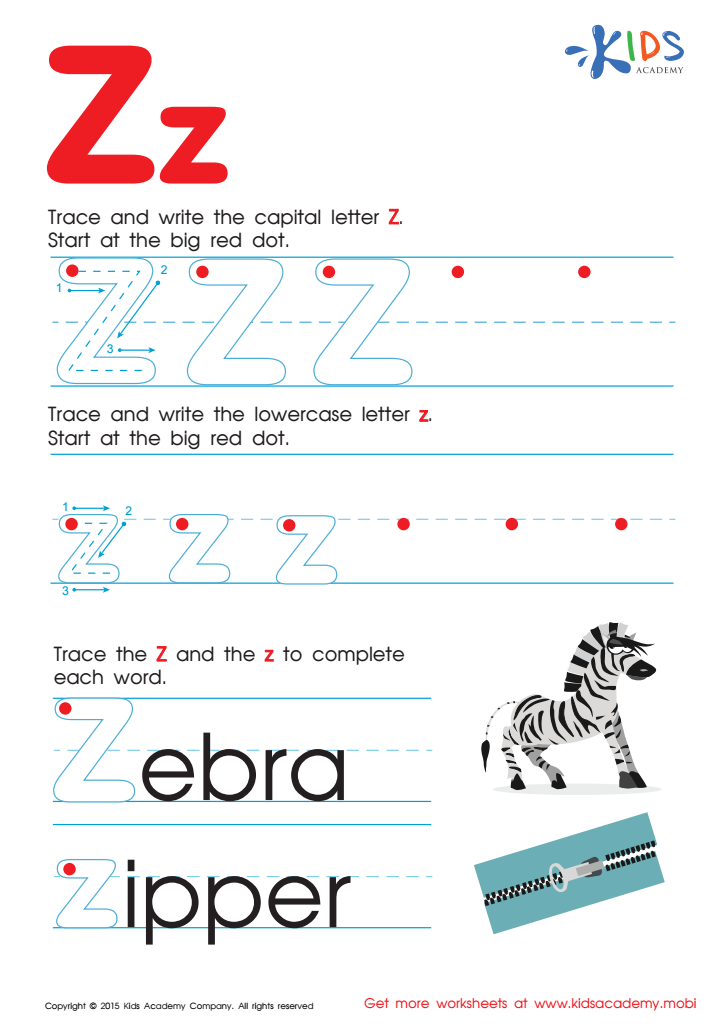
Letter Z Tracing Page
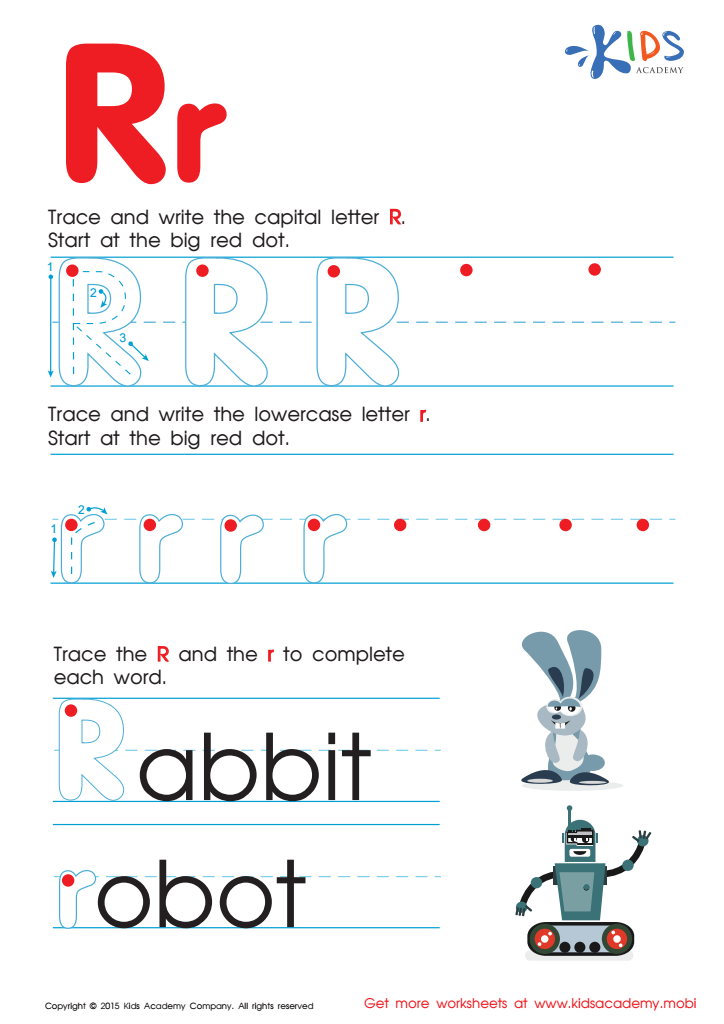
Letter R Tracing Page
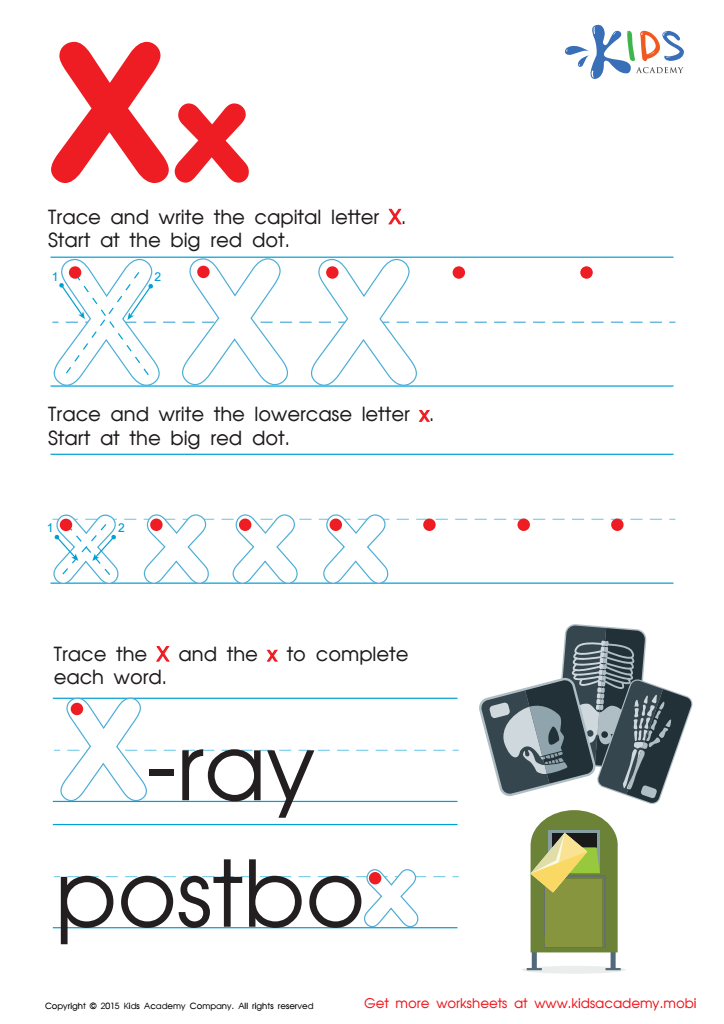
Letter X Tracing Page
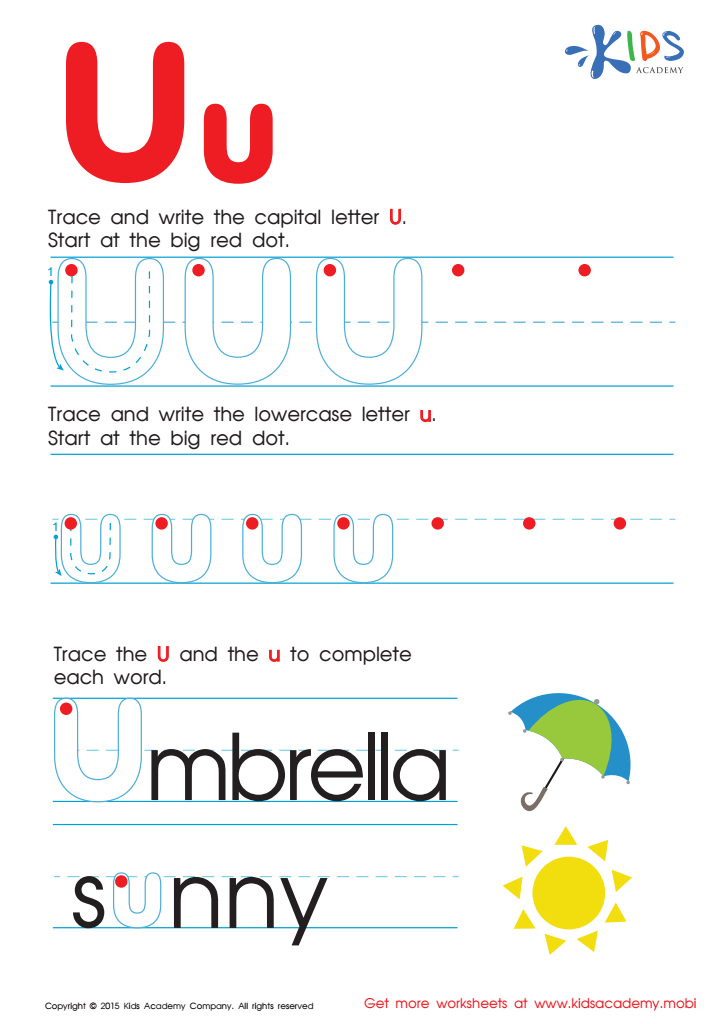
Letter U Tracing Page
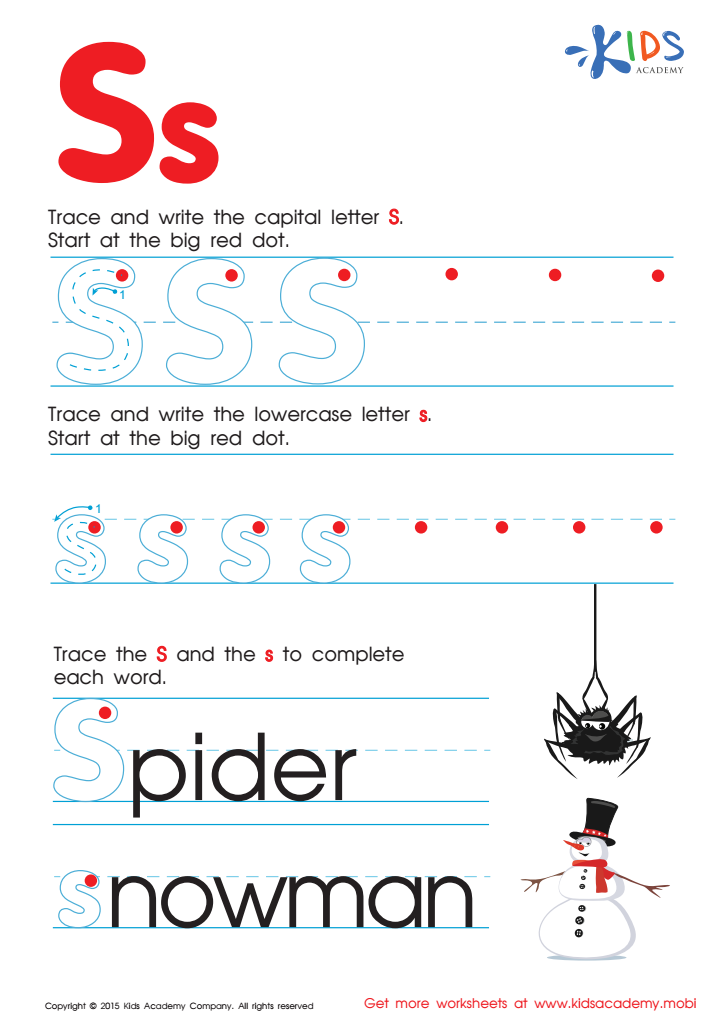
Letter S Tracing Page
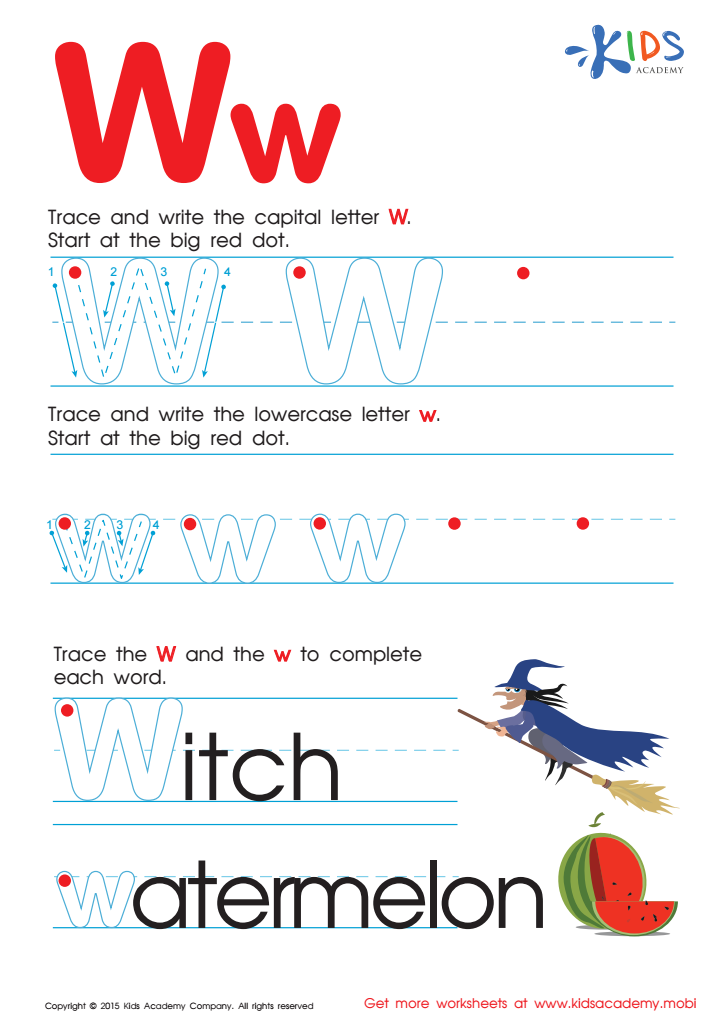
Letter W Tracing Page
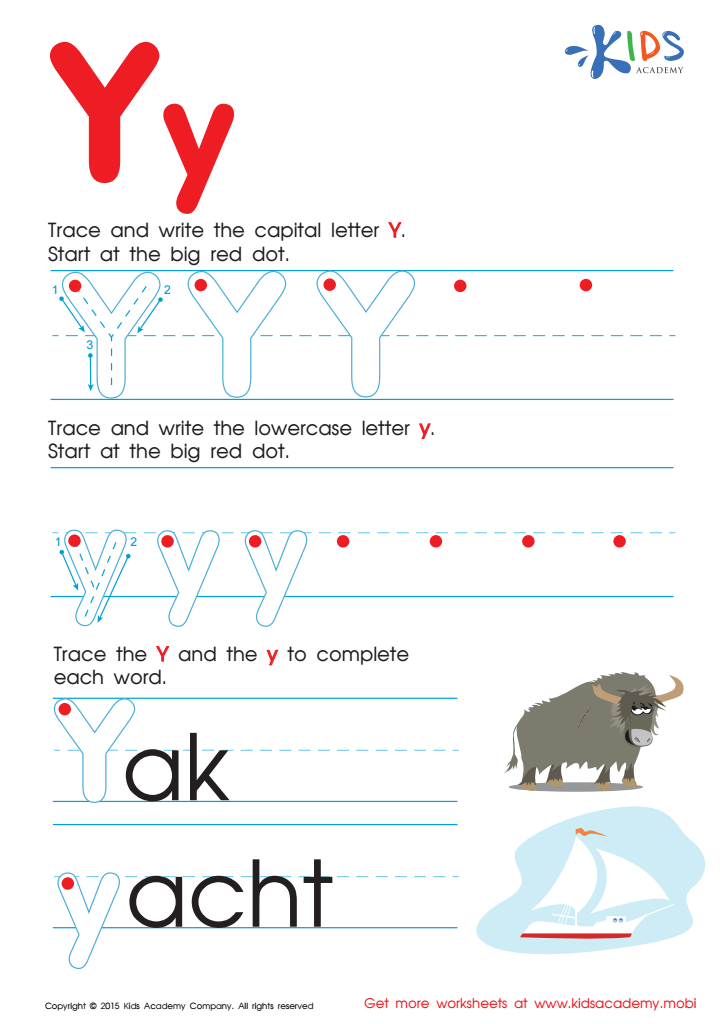
Letter Y Tracing Page
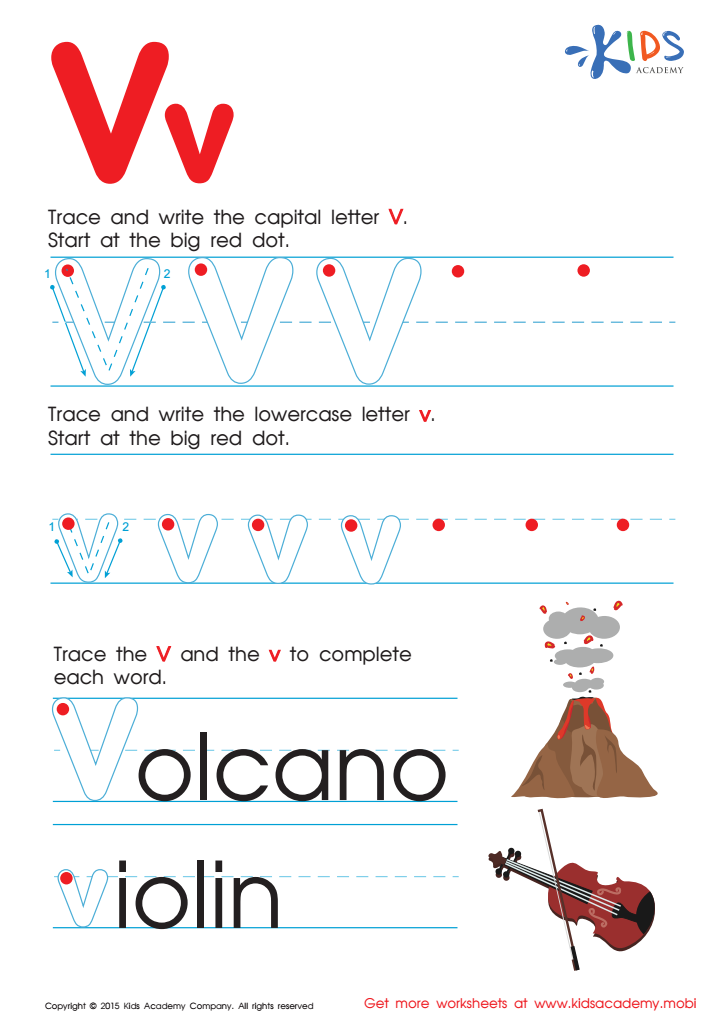
Letter V Tracing Page
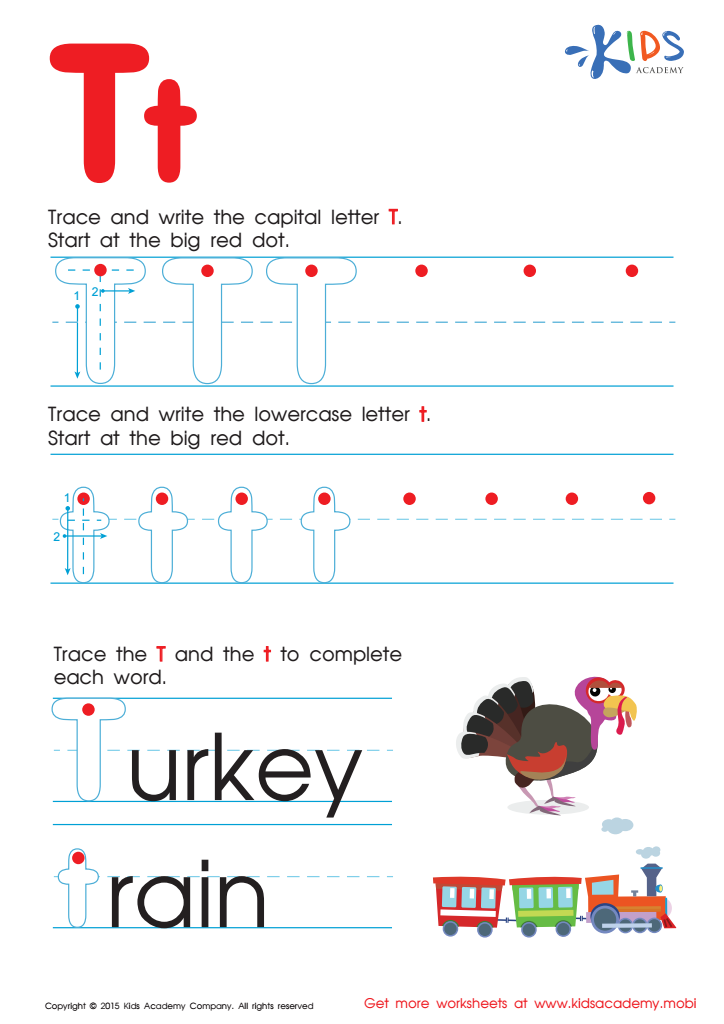
Letter T Tracing Page





.jpg)


Parents and teachers should prioritize Extra Challenge Tracing Letters Activities for children ages 7 to 9 for several essential reasons. Firstly, these activities help enhance fine motor skills, which are crucial for writing and everyday tasks. As children trace and engage with letter forms, they develop muscle memory that aids in their handwriting precision.
Secondly, these activities promote literacy development. Tracing letters encourages recognition of both uppercase and lowercase shapes, facilitating phonemic awareness and letter-sound correlation, critical components of reading success. The added challenge caters to various learning styles, allowing advanced learners to stretch their capabilities while reinforcing foundational skills in others.
Moreover, these activities foster a sense of accomplishment and boost confidence. Completing challenging tasks provides children with a sense of achievement and encourages a growth mindset—an essential trait for educational success. Teachers and parents can use guided discussions about letters and sounds alongside these activities to deepen comprehension.
Ultimately, incorporating Extra Challenge Tracing Letters Activities into learning routines supports comprehensive literacy development while making the learning process engaging and enjoyable. By investing in these kinds of educational tools, caregivers play a vital role in preparing children for future academic challenges.








