Place Value Worksheets for Ages 3-8 - Page 4
74 filtered results
-
From - To
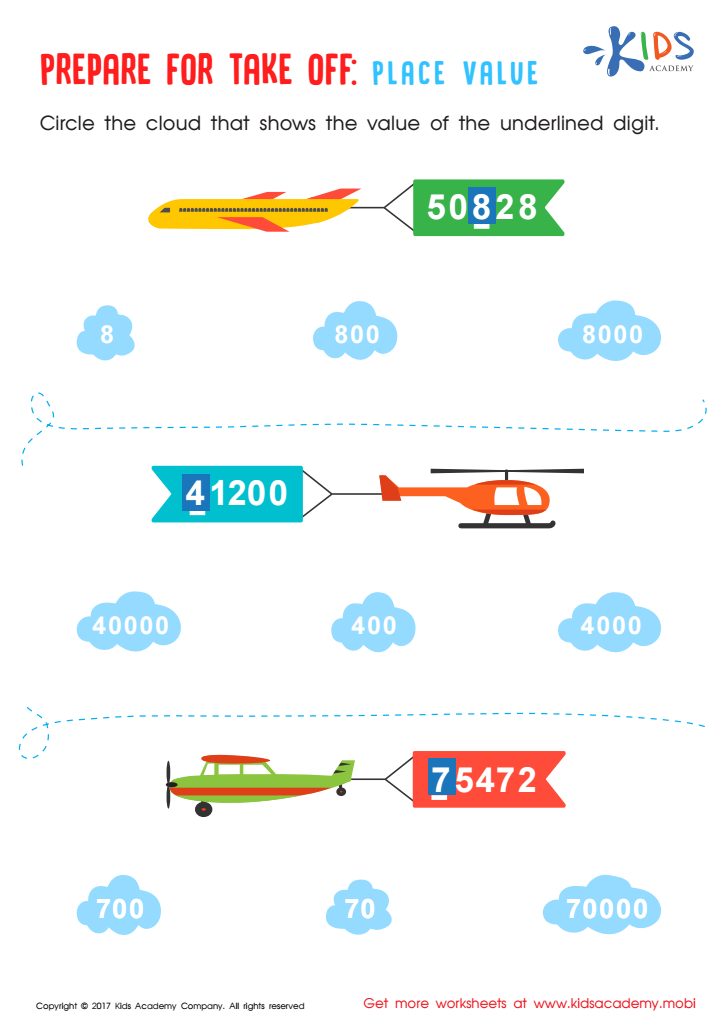
Free Place Value Worksheet for 3rd Grade
 Assign to My Students
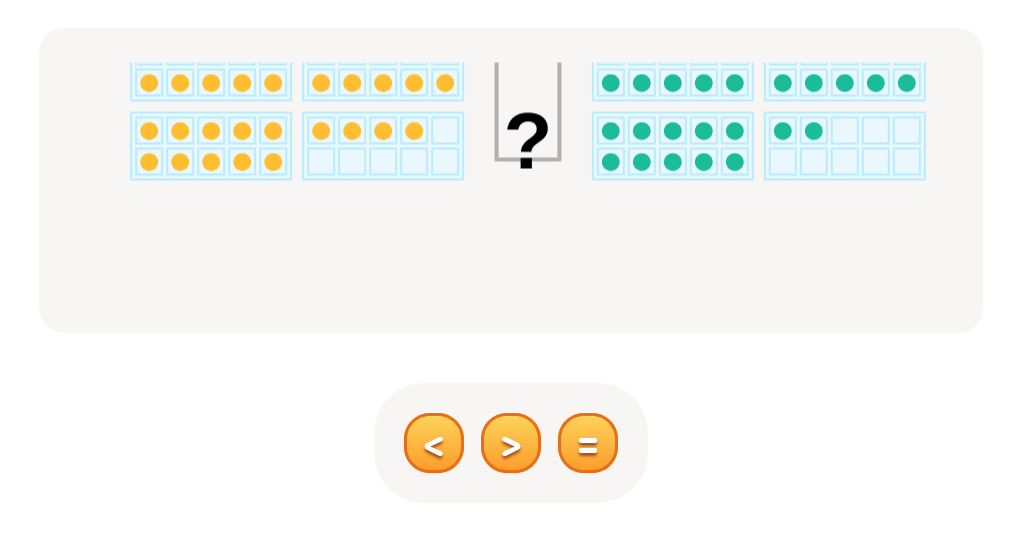

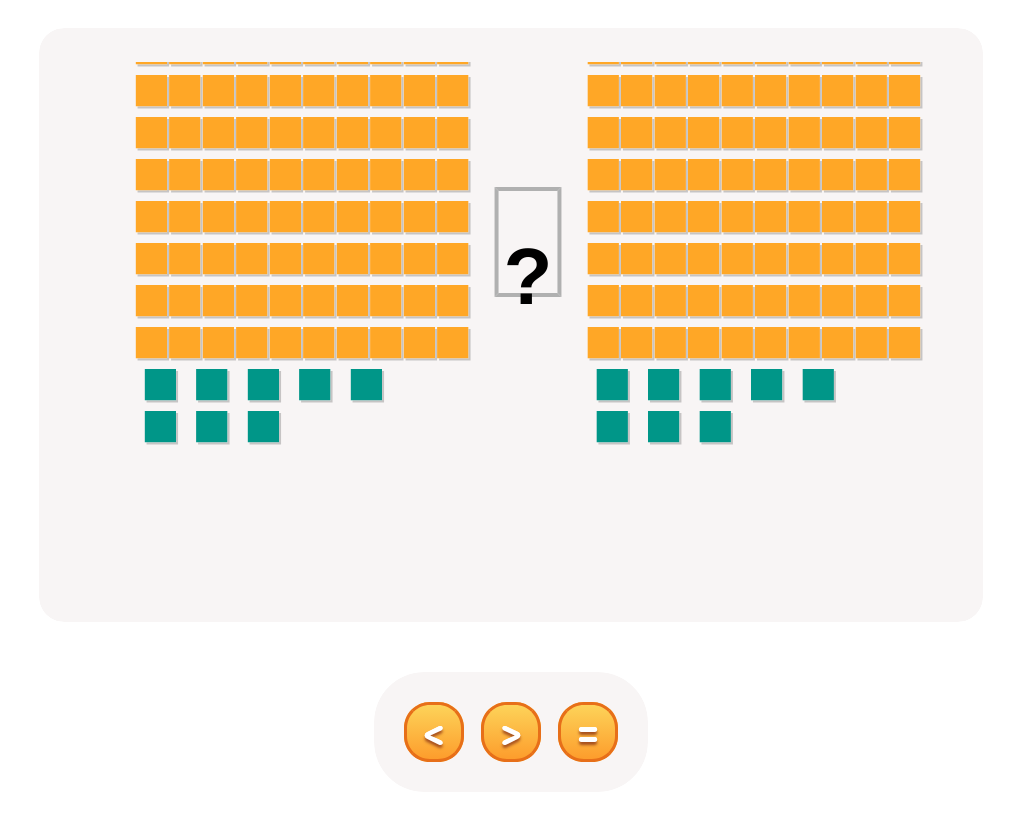
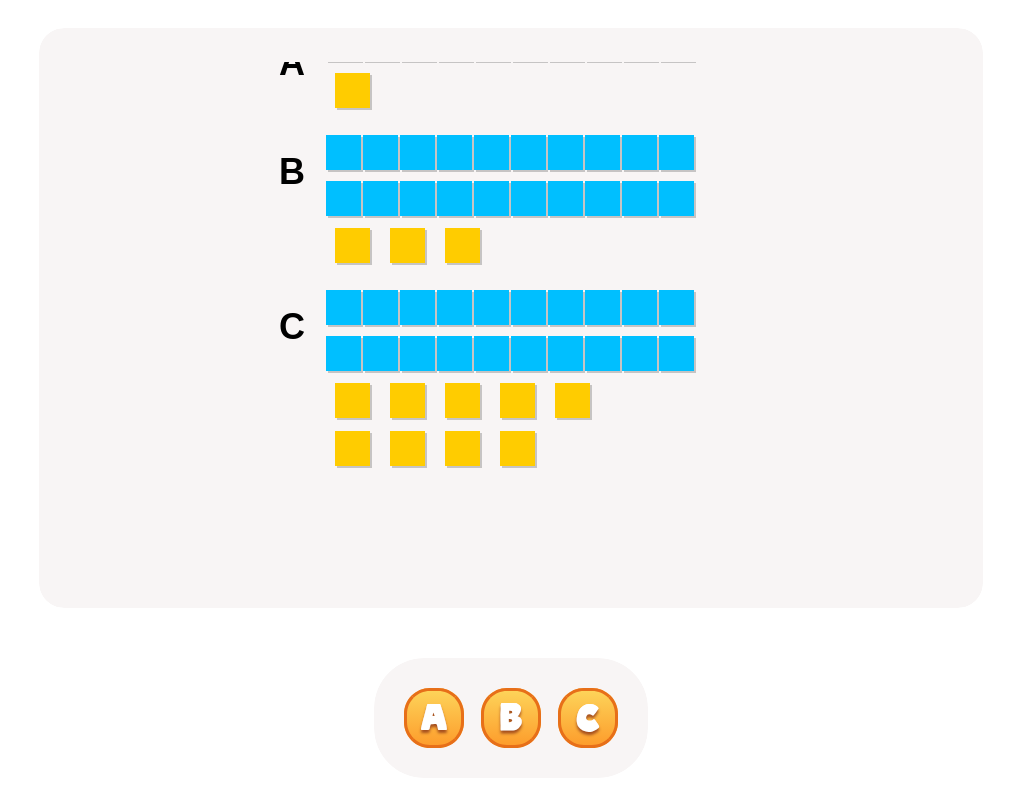
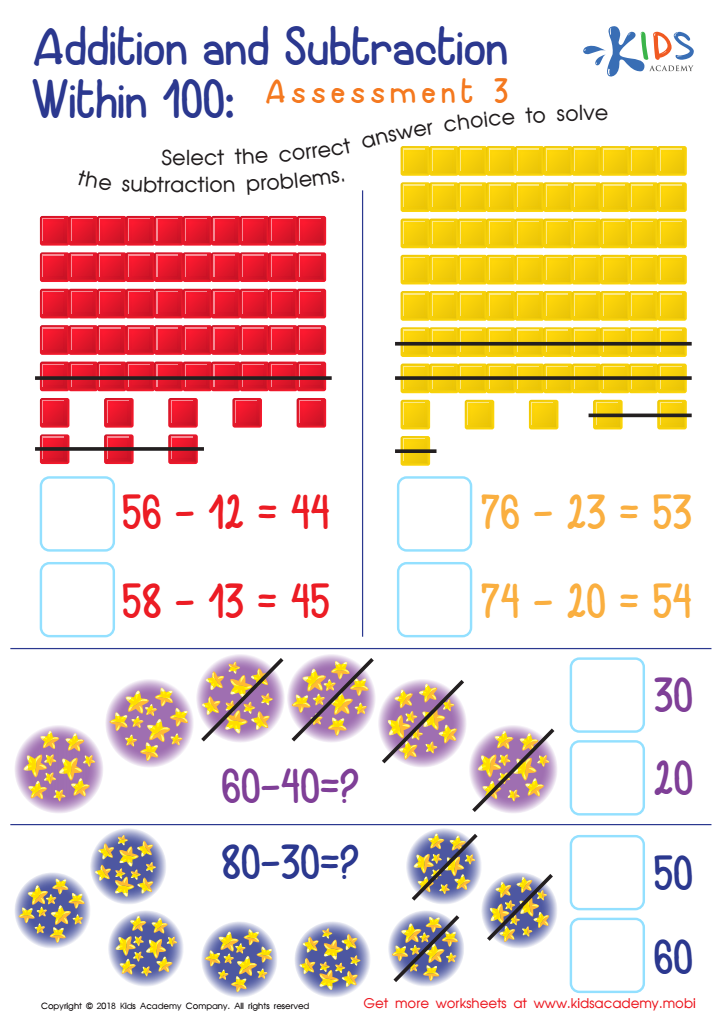
Addition and Subtraction Within 1: Assessment 3 Worksheet







Place value is a fundamental mathematical concept crucial for young learners aged 3-8. Understanding place value helps children grasp how numbers work, laying a solid foundation for all future mathematics. Without a firm grasp of place value, children may struggle with operations such as addition, subtraction, multiplication, and division, which rely on understanding how numbers are organized.
For parents and teachers, recognizing the importance of place value is essential in two critical areas: cognitive development and real-world application. As kids learn that the digit's position in a number signifies its value (e.g., in 345, the '3' represents 300), they develop logical reasoning and problem-solving skills. This knowledge also enables children to make sense of larger numbers as they progress in their education.
Furthermore, place value connects to everyday situations. For example, when counting money or understanding time, applying place value principles enriches children’s understanding of their environment. Parents and teachers can incorporate engaging activities—like using blocks or visual aids—that make learning this concept enjoyable. Caring about place value ensures that children build confidence and competence in their mathematical journey, fostering an early love for numbers and paving the way for future academic success.