Vowels and Consonants Worksheets for Ages 3-9 - Page 2
29 filtered results
-
From - To
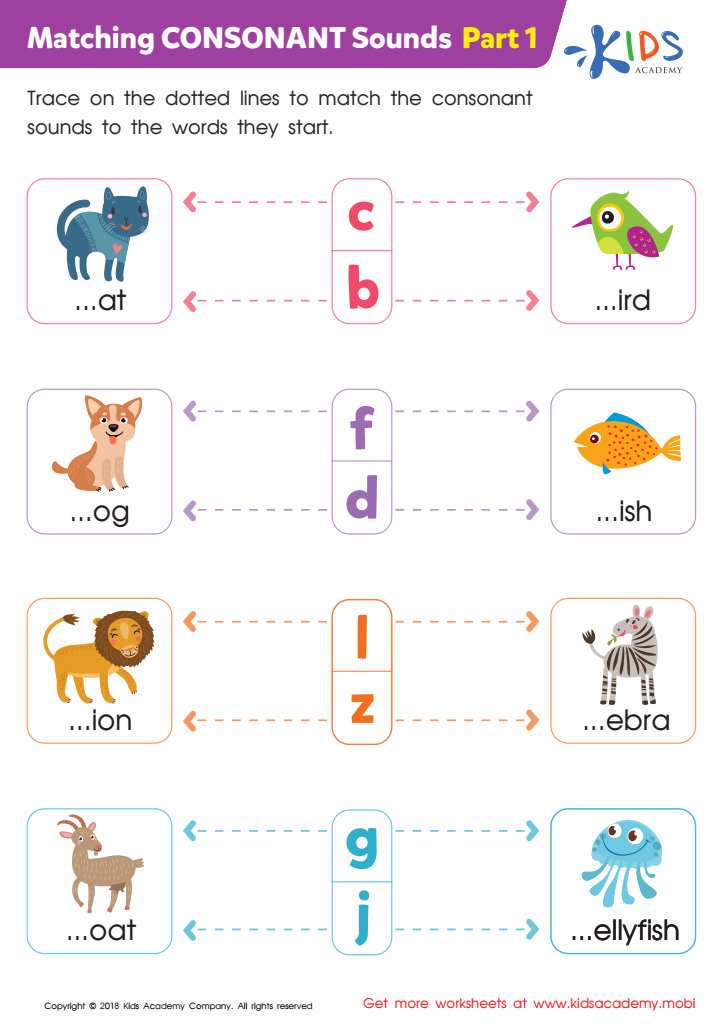
Matching Consonant Sounds: Part 1 Worksheet
 Assign to My Students
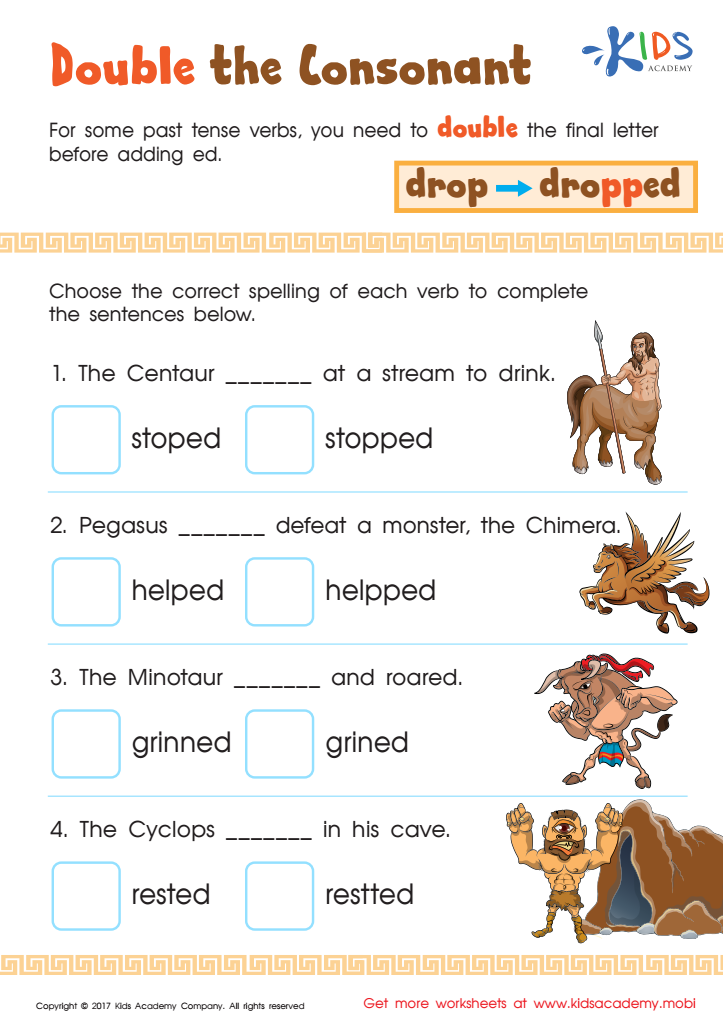
Double Consonant Spelling Worksheet
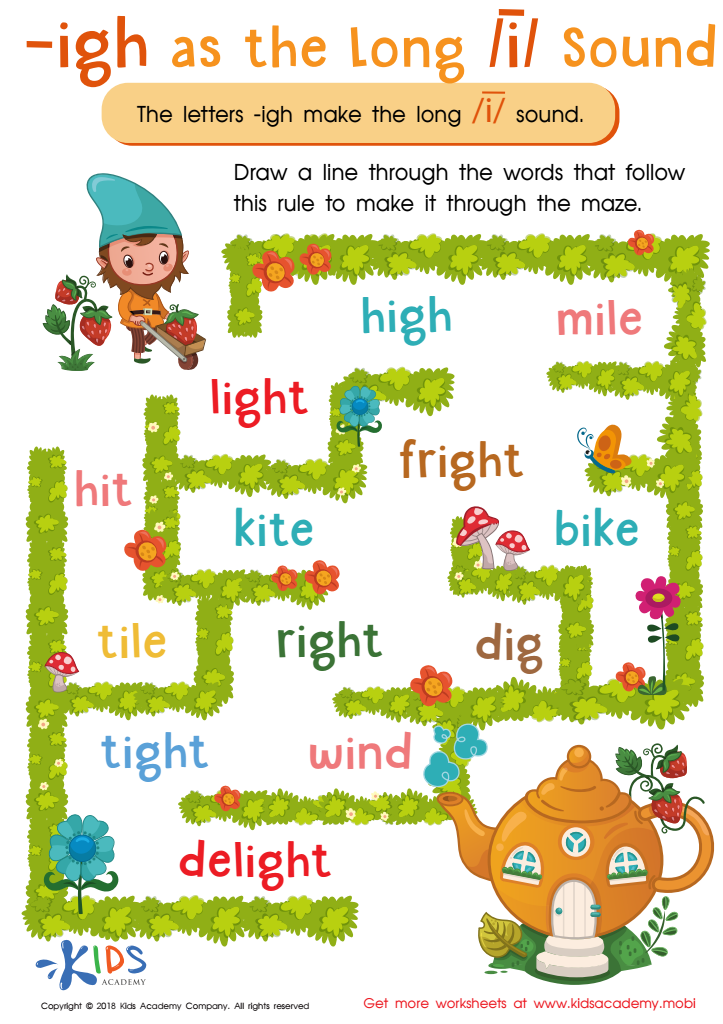
Reading: IGH as Long I Worksheet
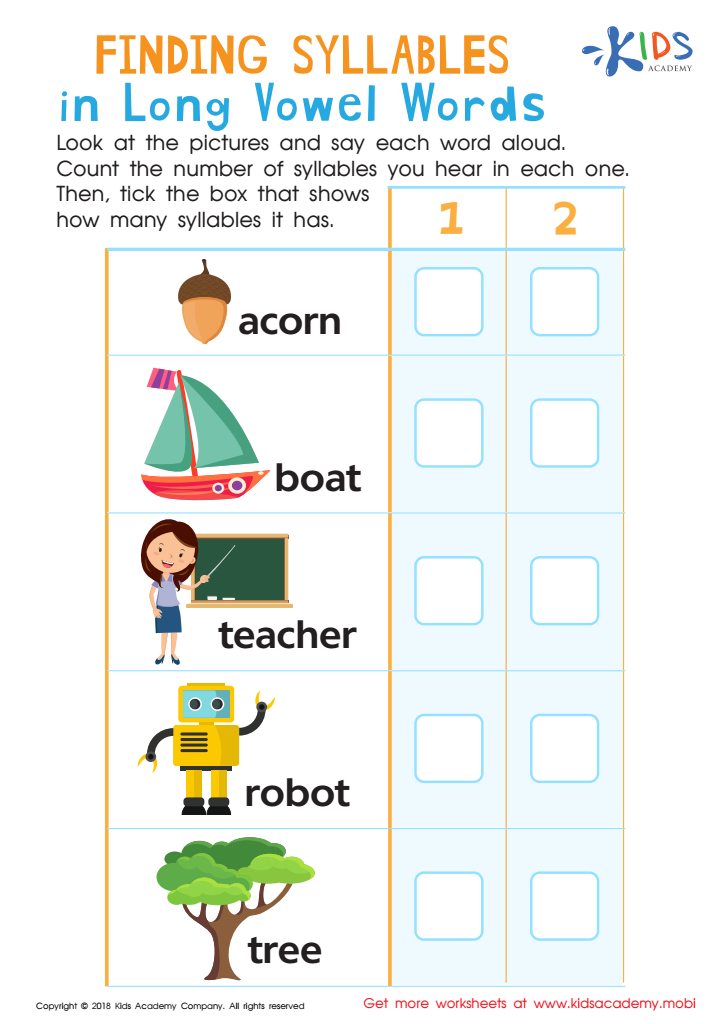
Finding Syllables in Long Vowel Words Worksheet
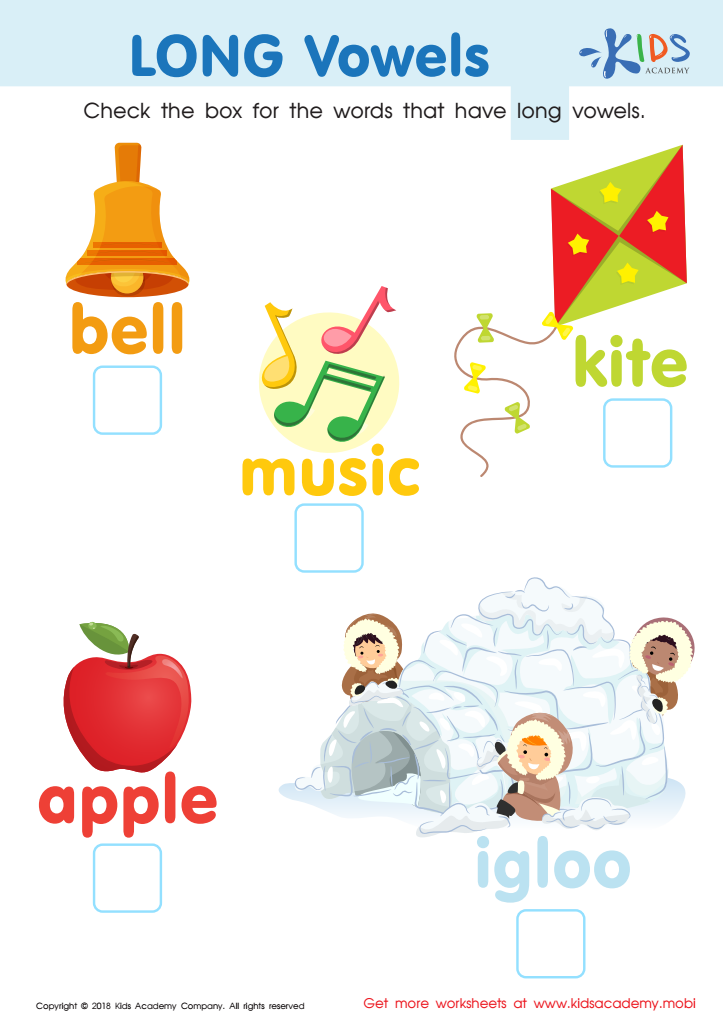
long vowels Worksheet



Understanding vowels and consonants is essential for children's language development, particularly for those aged 3 to 9. Early exposure to these building blocks of language fosters phonemic awareness, laying the foundation for reading, writing, and effective communication.
Vowels (a, e, i, o, u) form the core of words, while consonants provide structure and variety. Recognizing how these sounds work together helps children decode words, moving them toward proficient reading skills. Research indicates that children who grasp the concepts of vowels and consonants early are more likely to excel in literacy as they progress through school.
Additionally, knowledge of vowels and consonants enriches vocabulary. Encouraging kids to play with sounds through songs, rhymes, and games helps them notice patterns in language, making learning fun and engaging. This foundational understanding not only enhances reading skills but also boosts confidence in expressing themselves through writing and speaking.
For parents and teachers, nurturing familiarity with vowels and consonants serves as a critical intervention that bridges the gap between spoken and written language. By making these concepts a priority, caregivers can facilitate a smoother transition into more complex literacy skills, ultimately setting children on a path to academic success.







