Comparing Numbers Worksheets for Ages 4-8 - Page 3
52 filtered results
-
From - To
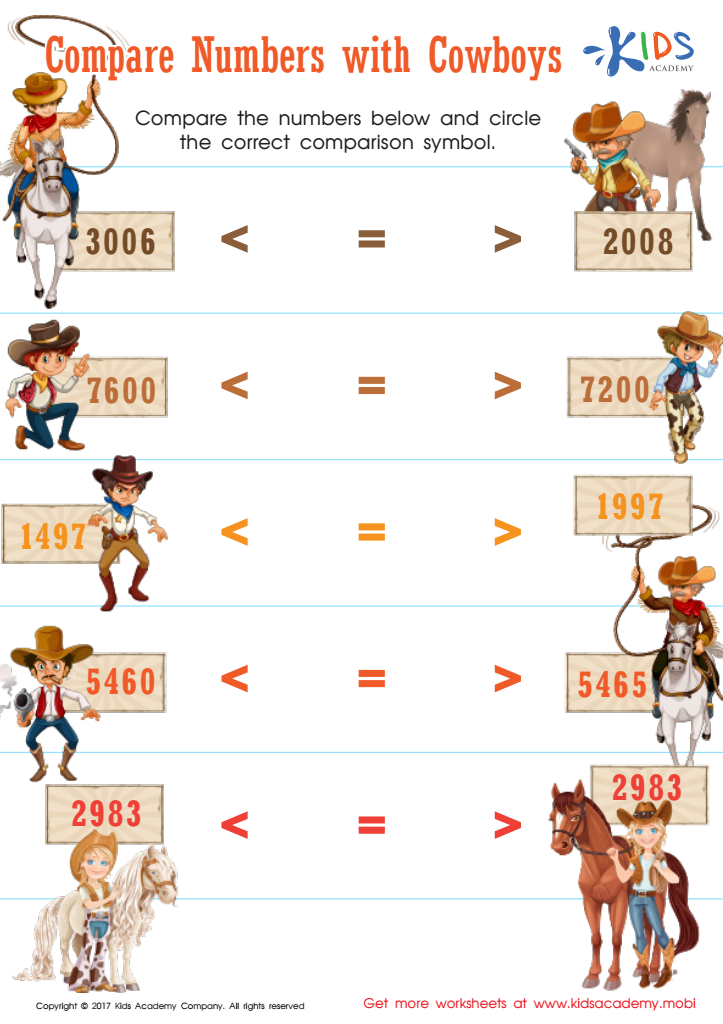
Compare Numbers Worksheet for 3rd Grade
 Assign to My Students
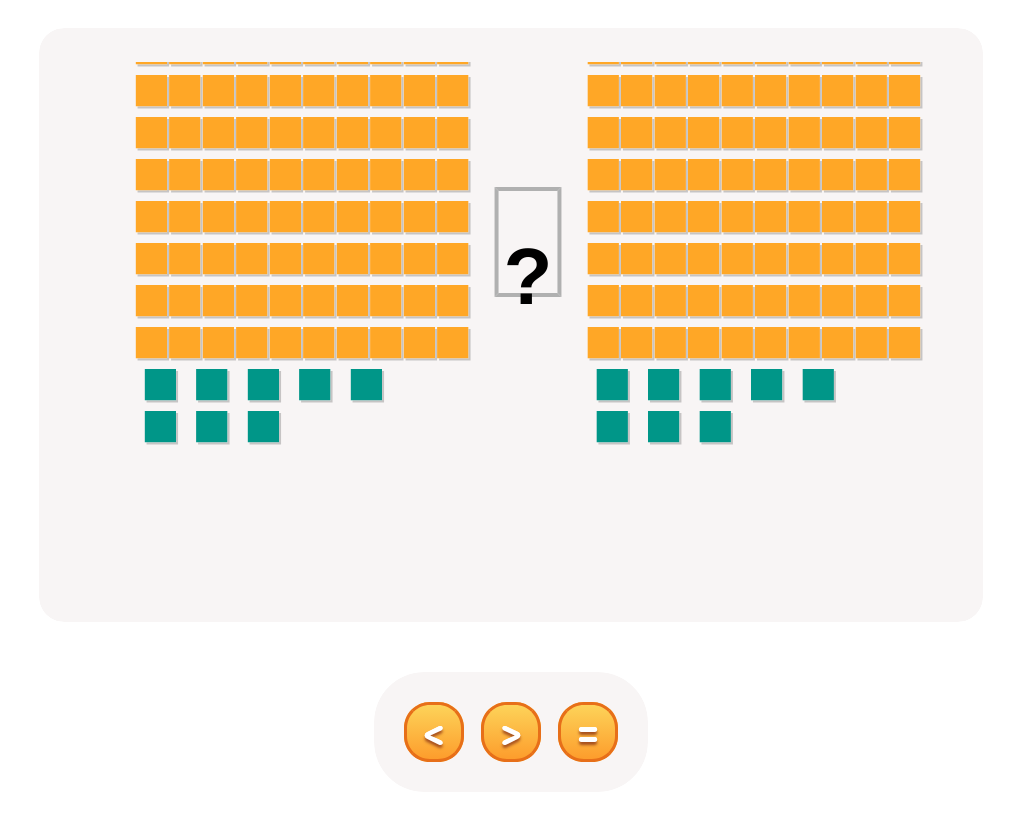

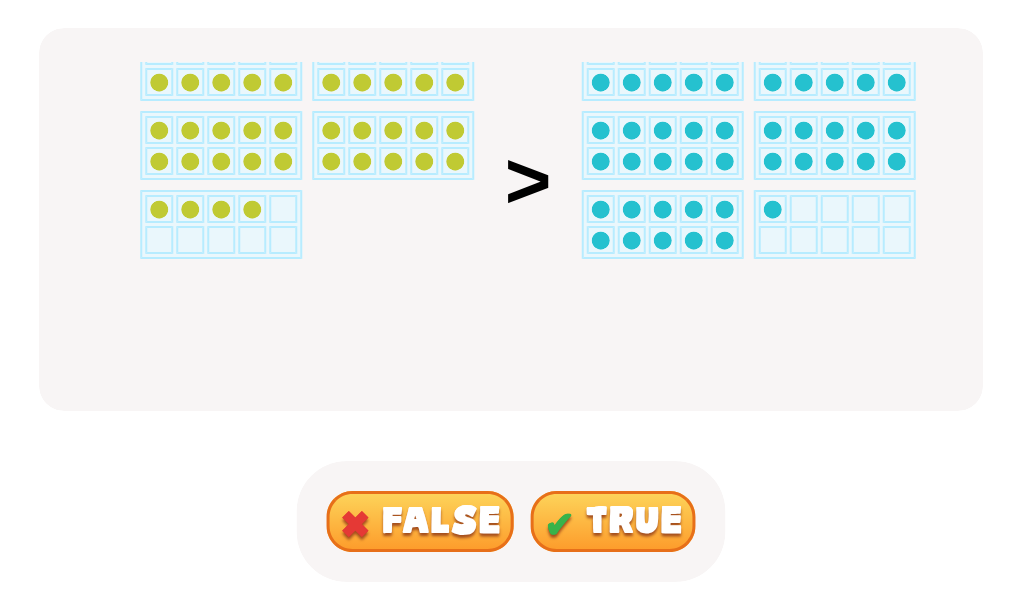
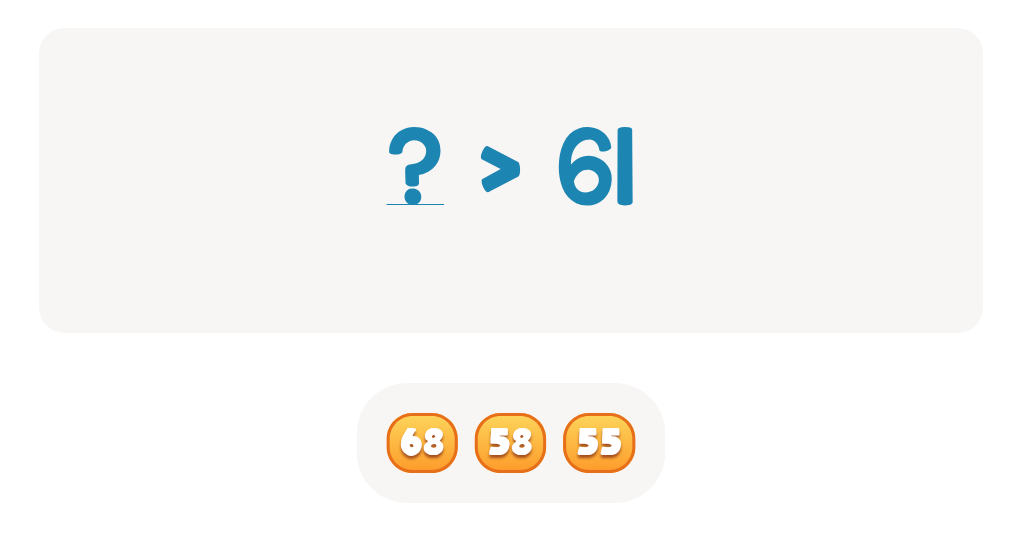
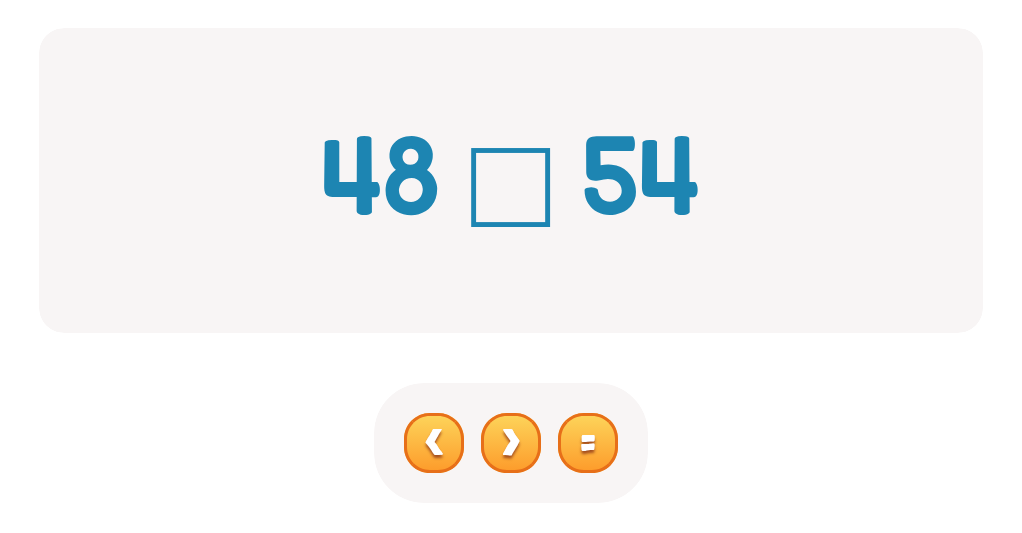
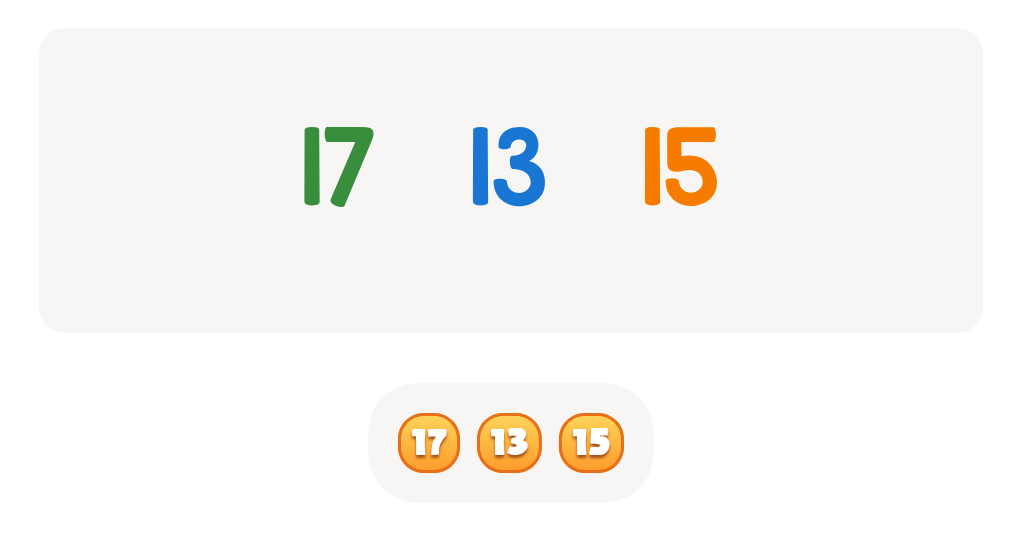
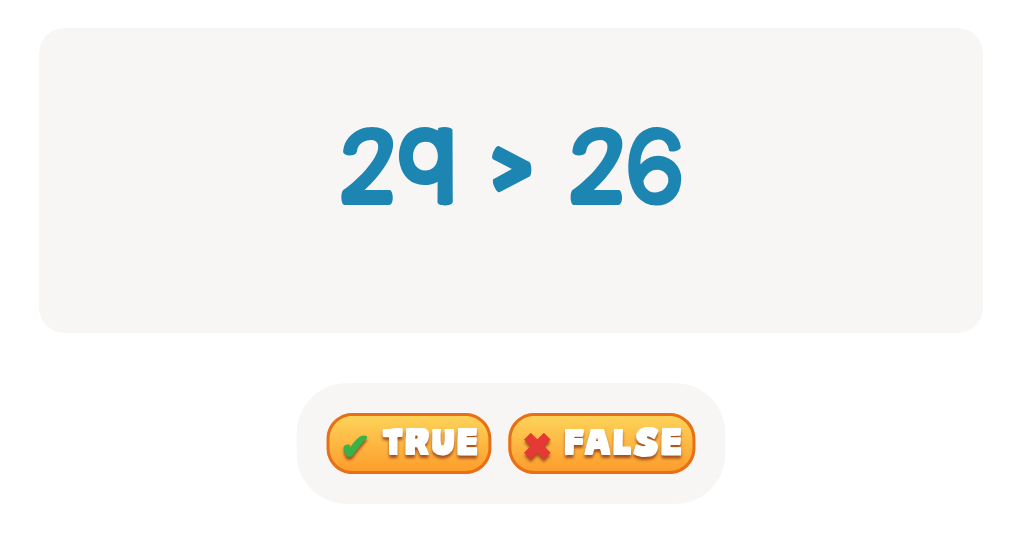
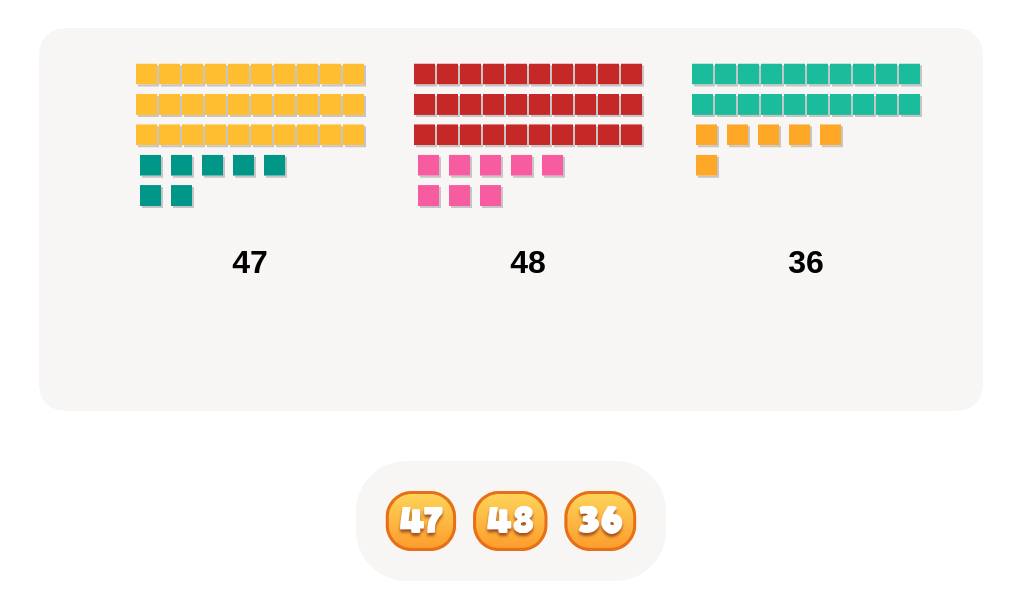
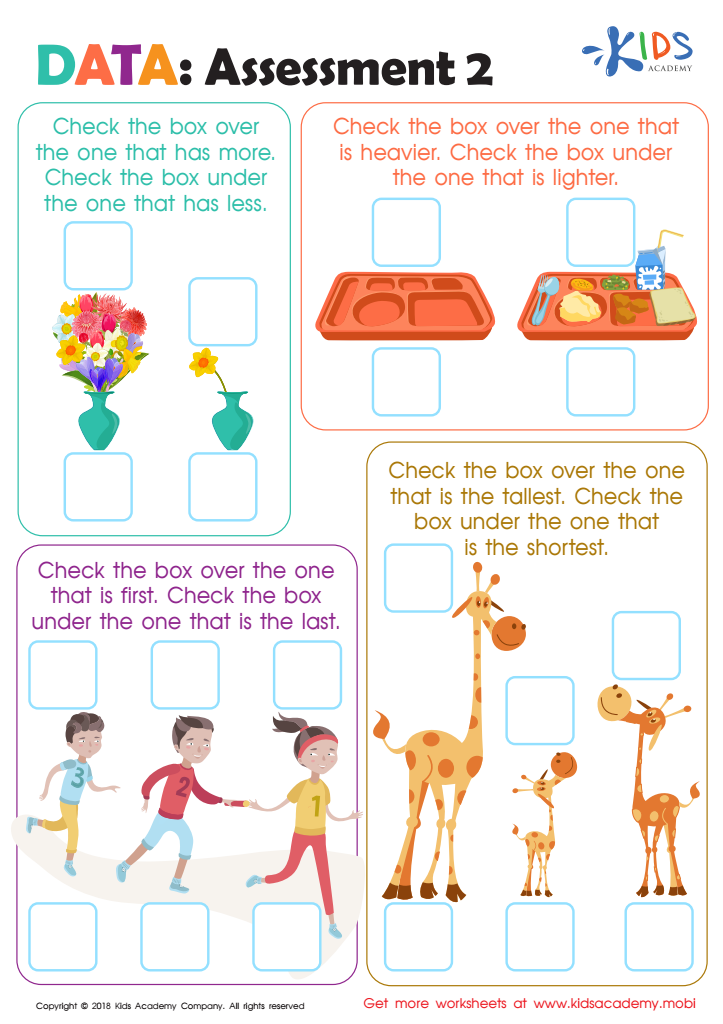
Data: Assessment 2 Worksheet
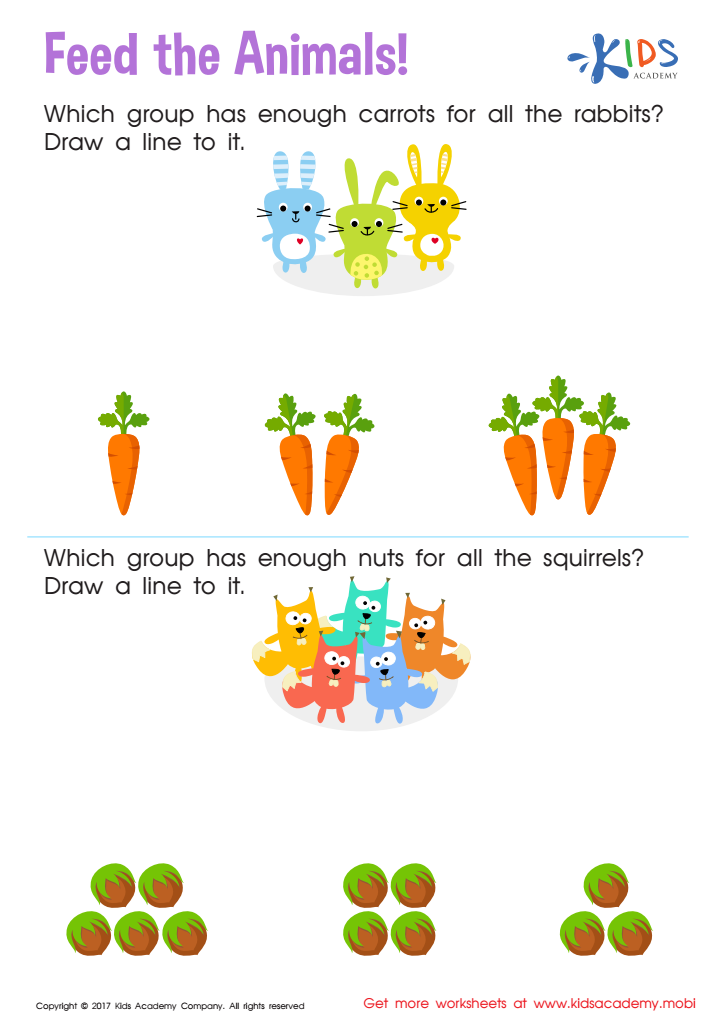
Count and Match: Feed the Animals Worksheet
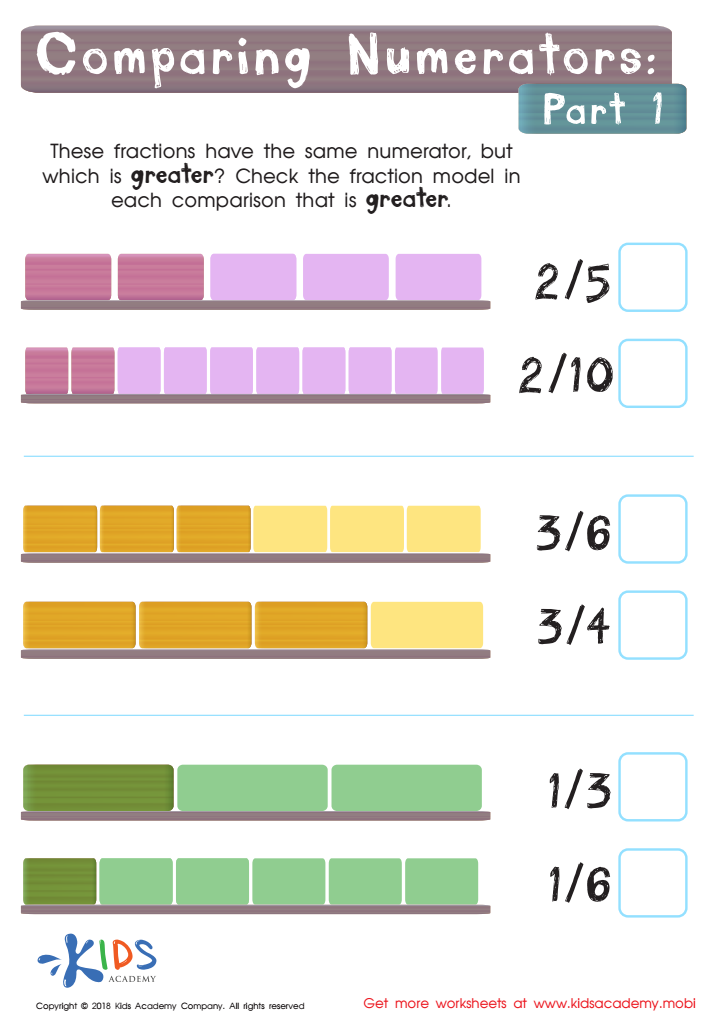
Comparing Numerators Part 1 Worksheet







Comparing numbers is a foundational skill for young learners aged 4 to 8, and parents and teachers should prioritize it for several reasons. First, it lays the groundwork for essential mathematical concepts that students will encounter later. By understanding the relative size of numbers, children develop the ability to perform basic operations like addition and subtraction more efficiently.
Additionally, comparing numbers fosters critical thinking and enhances problem-solving skills. When children engage in tasks that require them to analyze and compare quantities, they learn to make informed decisions based on their observations. This skill extends beyond mathematics and into everyday life, helping children become adept at evaluating options and making choices.
Moreover, learning to compare numbers supports language development, as children articulate their thought processes and learn relevant vocabulary. It encourages collaboration, teamwork, and communication when students discuss their reasoning with peers or adults.
Lastly, instilling a love for numbers from an early age boosts children's confidence in their mathematical abilities, making them more likely to engage with math-related activities in the future. Overall, nurturing the skill of comparing numbers not only equips children with the tools for academic success but also enriches their overall cognitive development.








