Graphs Worksheets for Ages 4-9 - Page 2
27 filtered results
-
From - To
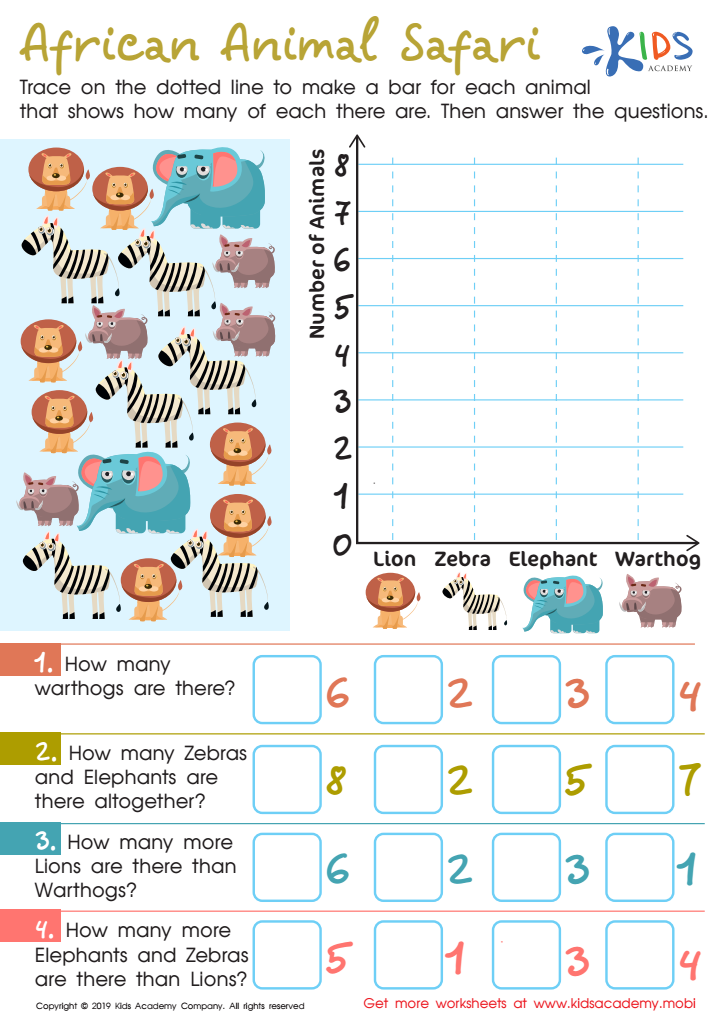
African Animal Safari Worksheet
 Assign to My Students
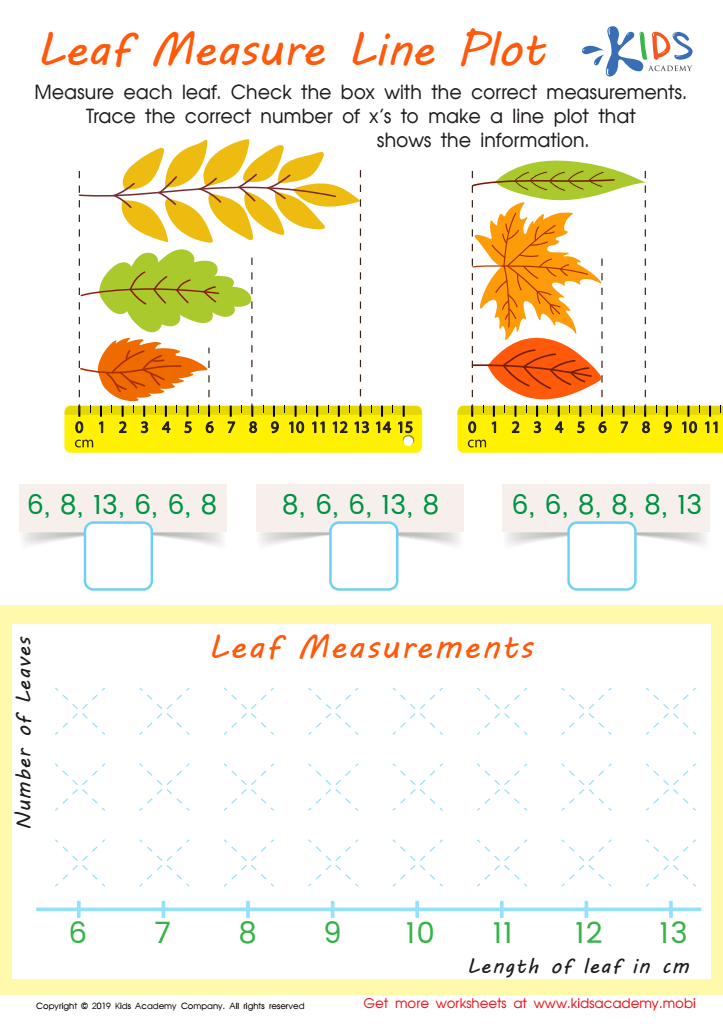
Leaf Measure Line Plot Worksheet
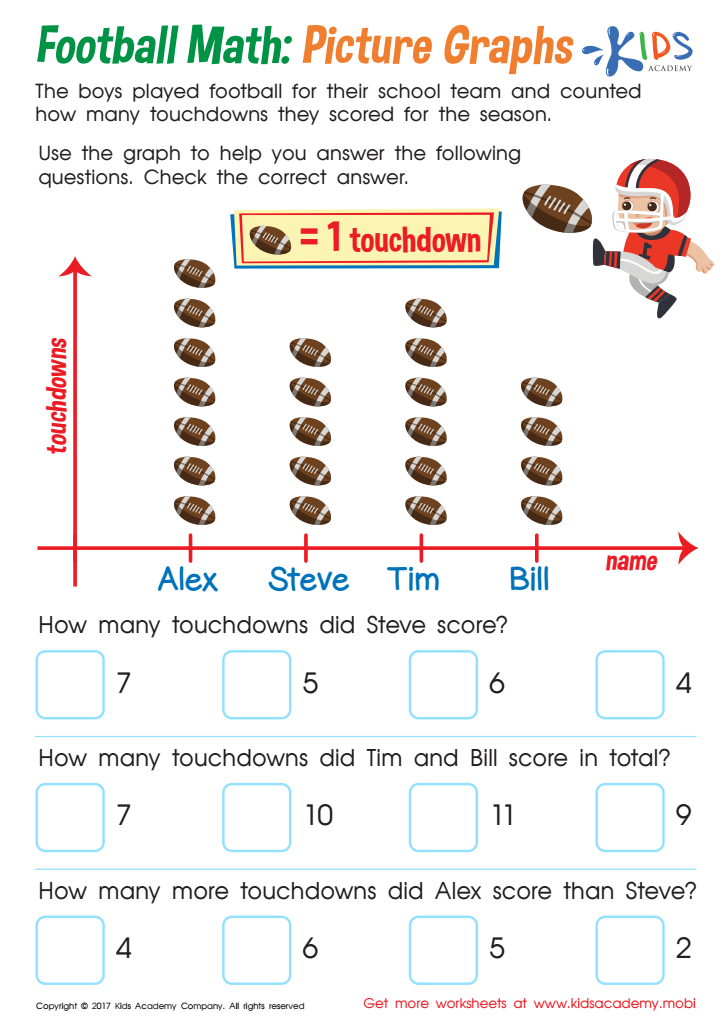
Football Math Worksheet







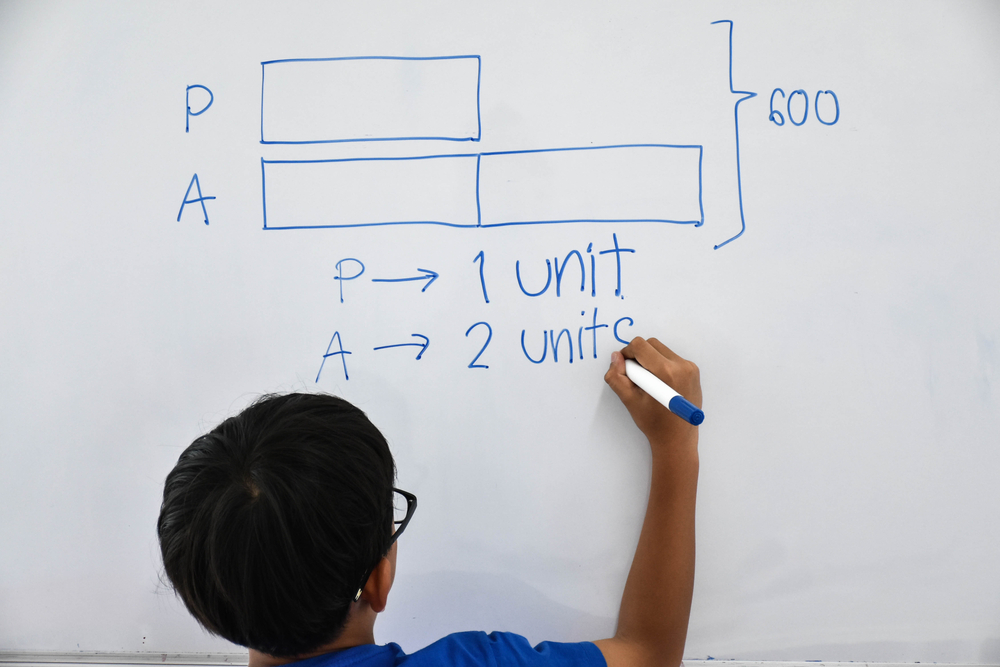
Teaching children aged 4-9 about graphs is crucial for their early development in mathematics, critical thinking, and data interpretation. At this stage, children's cognitive abilities are rapidly expanding, and introducing graphs helps them visualize and understand relationships between different variables. Graphs make learning interactive and engaging, turning abstract concepts into tangible visuals.
Parents and teachers should care about graphs because they encourage children to think analytically. Understanding graphs equips kids with essential skills that align with everyday experiences, such as reading a simple chart on weather patterns or comparing their favorite fruits visually. Furthermore, working with graphs fosters communication skills, allowing children to explain their findings and thoughts clearly.
Incorporating graph activities into lessons can also support the development of fine motor skills as children engage in tasks such as drawing or plotting data points. More than just a math concept, graphs are essential for problem-solving and critical reasoning, skills that children will rely on throughout their educational journey and beyond. By prioritizing the teaching of graphs at an early age, parents and teachers can lay a solid foundation for children's future success in a data-driven world.








