Consonants Worksheets for Ages 5-7 - Page 2
31 filtered results
-
From - To
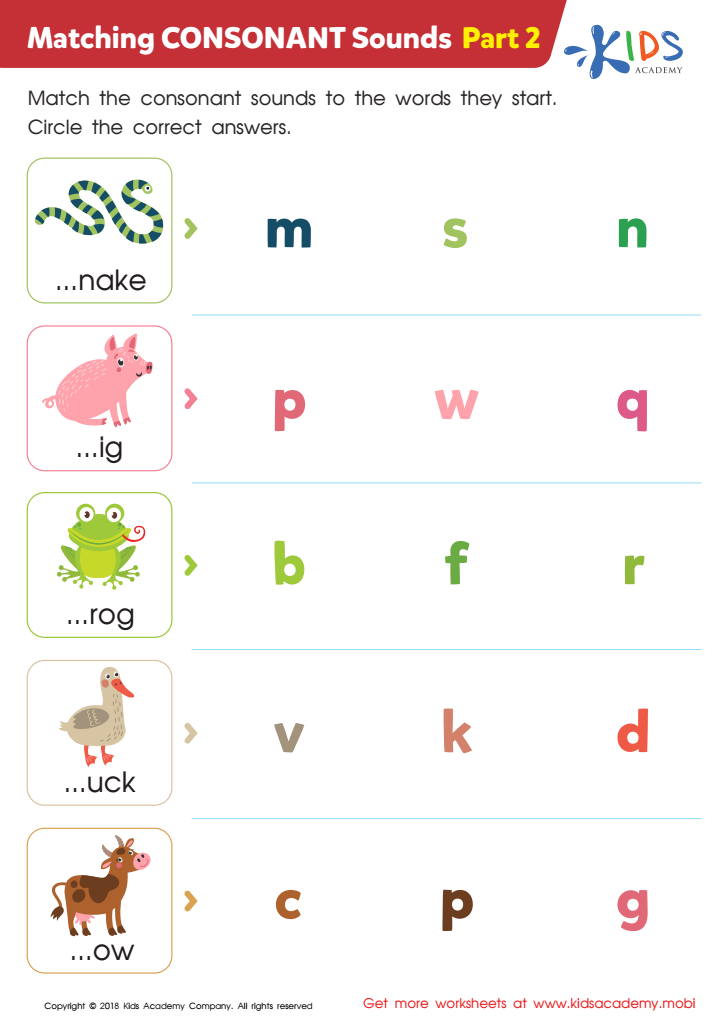
Matching Consonant Sounds: Part 2 Worksheet
 Assign to My Students
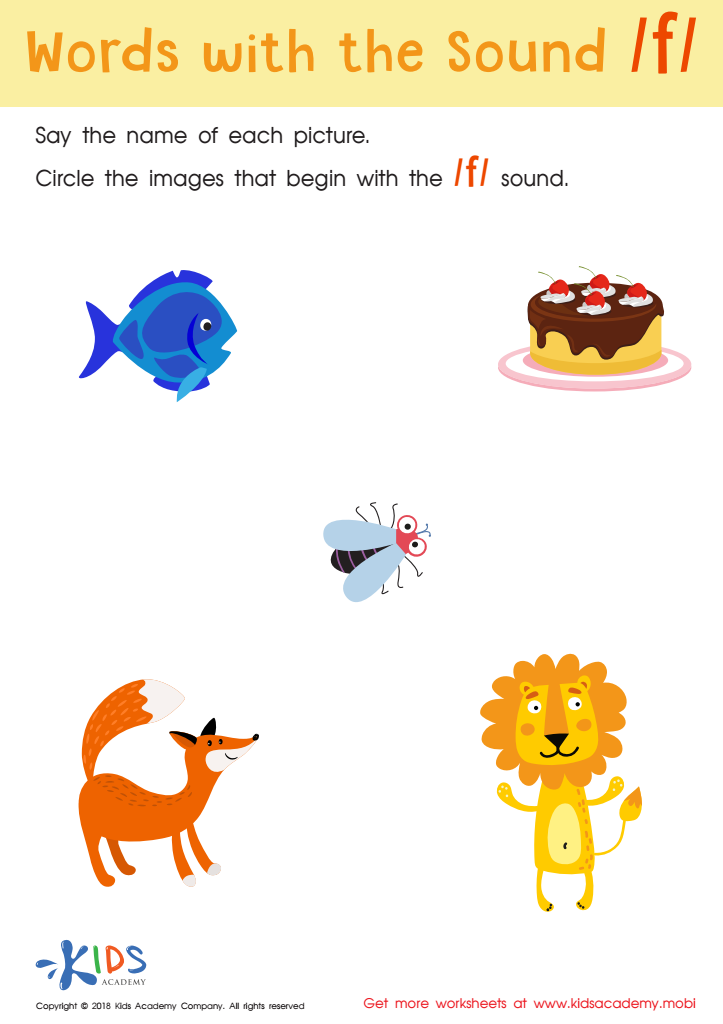
Words with sound f Reading Worksheet
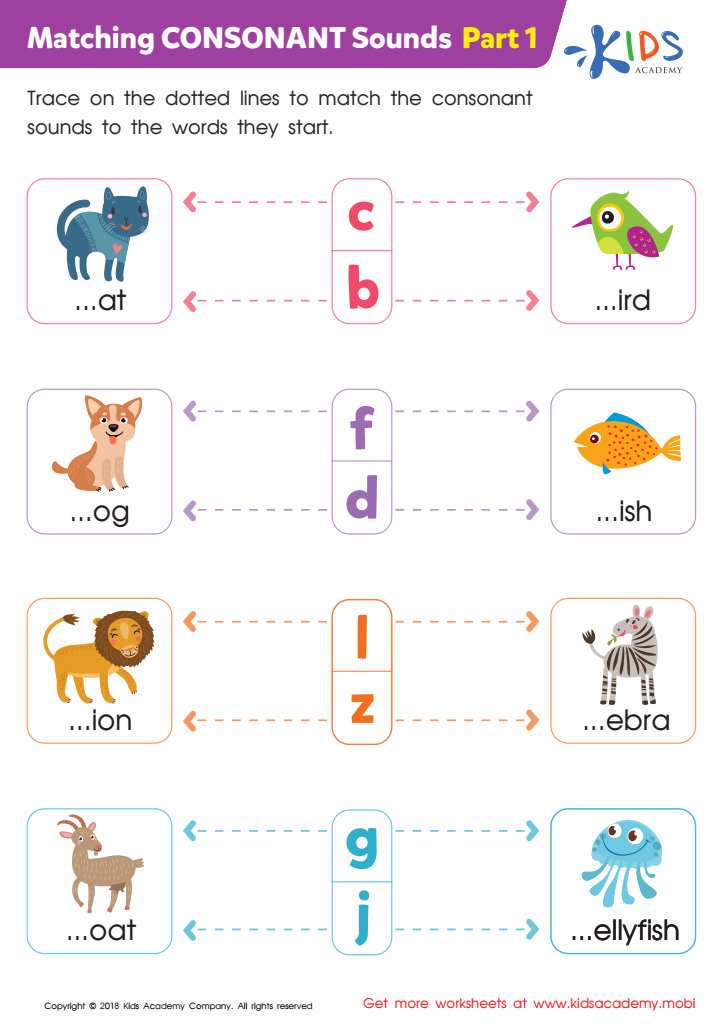
Matching Consonant Sounds: Part 1 Worksheet
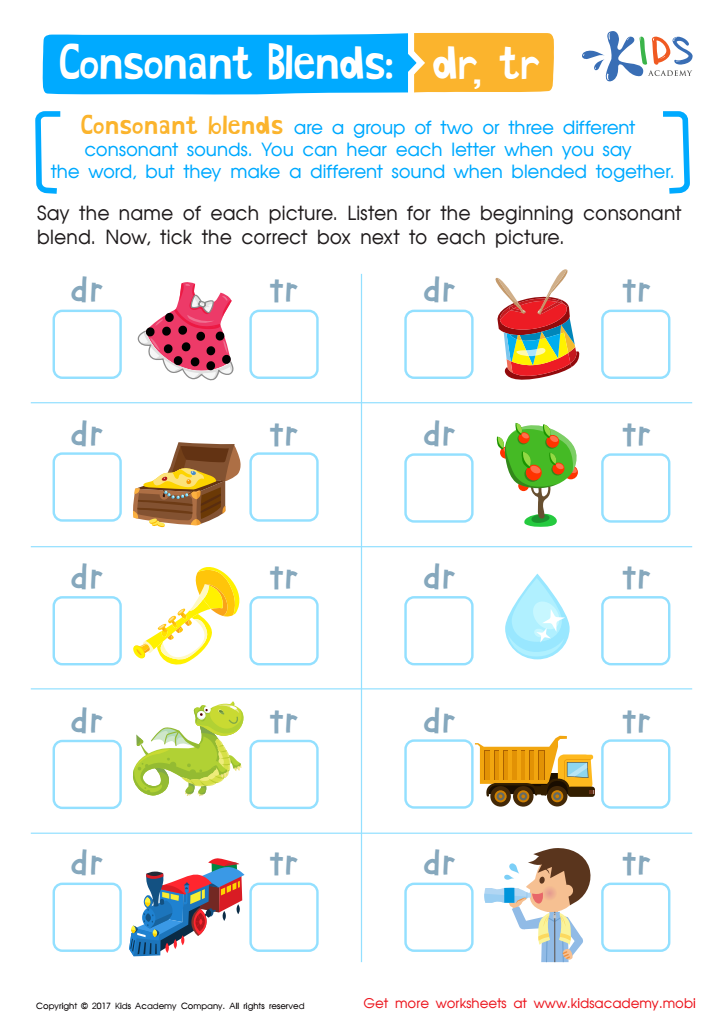
Consonant Blends: "Dr" and "Tr" Printable
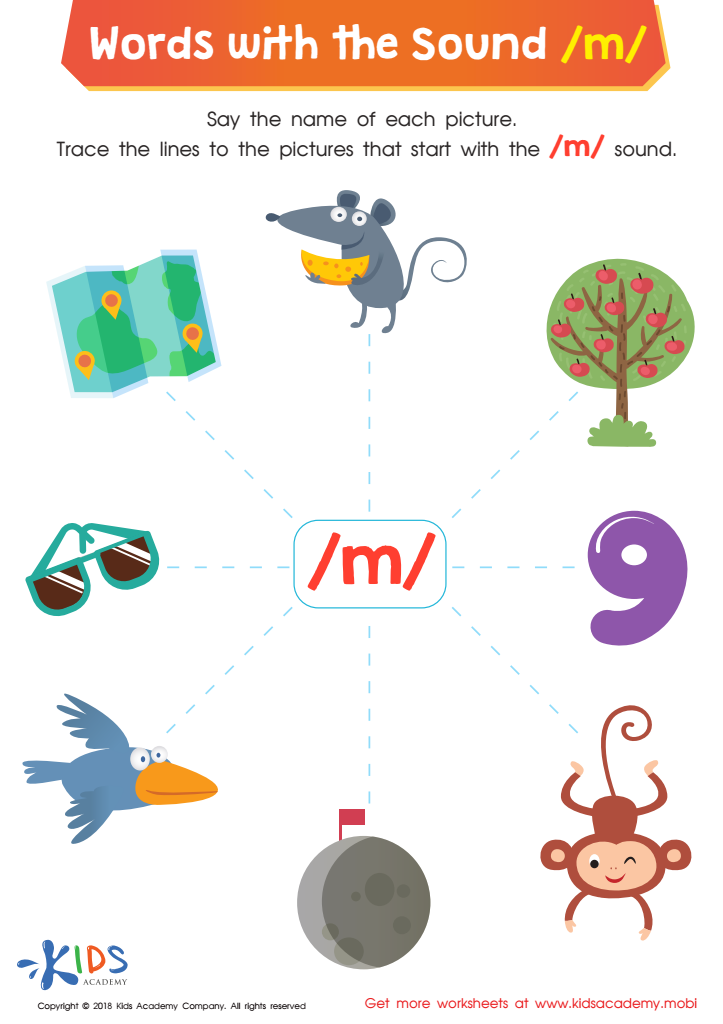
Words with Sound M Reading Worksheet
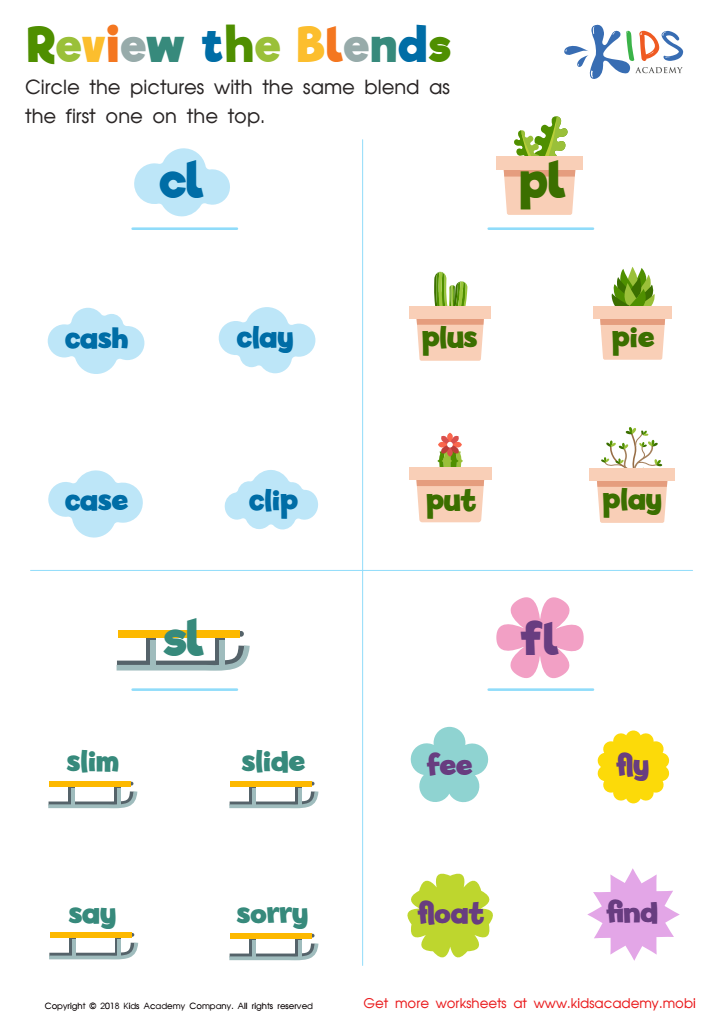
Review the Blends Worksheet
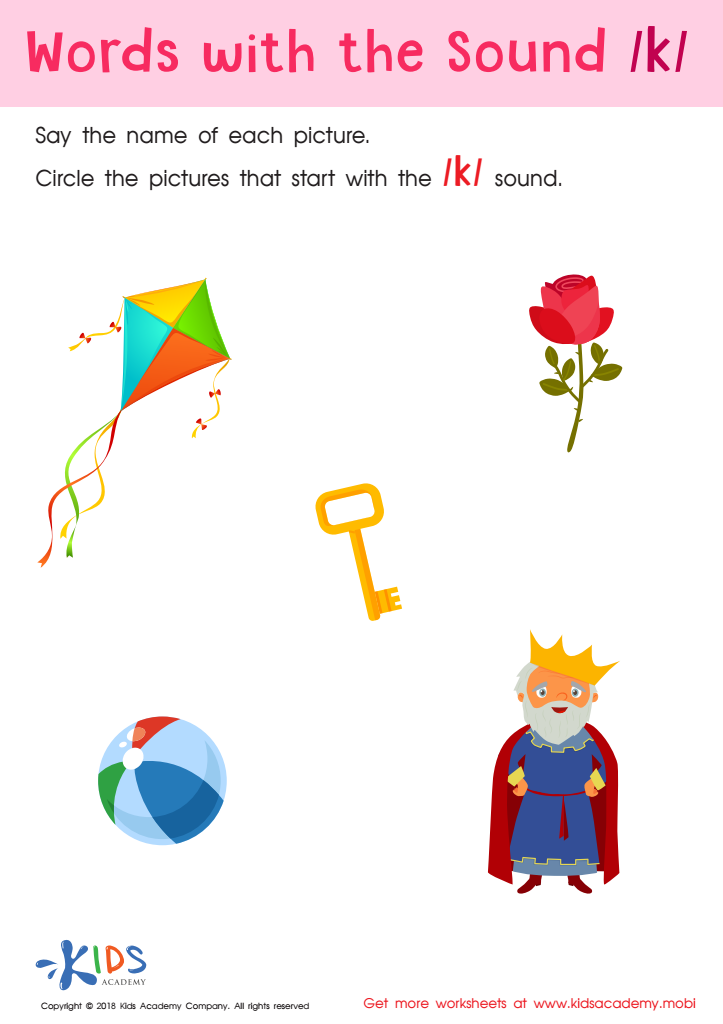
Words with sound k Reading Worksheet



Parents and teachers should care about consonants for children ages 5-7 because this period is critical for foundational literacy development. Consonants are building blocks of language, and understanding them ensures children can decode words, which is essential for reading and writing proficiency.
At this age, kids are typically in kindergarten or first grade, where they begin to encounter written language more formally. Consonants, along with vowels, form phonemes – the smallest units of sound in speech. Phonemic awareness, the ability to hear and manipulate these sounds, directly links to their capability to read and spell. Mastery of consonants empowers children to start blending sounds to form words. For instance, recognizing the consonants in "cat" (c, t) helps them understand the word’s structure and meaning.
Neglecting consonant recognition can lead to struggles with phonics, where children realize how letters correspond to sounds. Without this foundational skill, they may face difficulties in higher-order reading and writing tasks, affecting overall academic success and confidence. Moreover, focusing on consonants aids speech development and enhances communication skills, all critical at this developmental stage. By stressing the importance of consonants, parents, and teachers set children on a path toward literacy achievements and a lifelong love for reading and learning.







