Letter Recognition Worksheets for Ages 5-7 - Page 4
99 filtered results
-
From - To
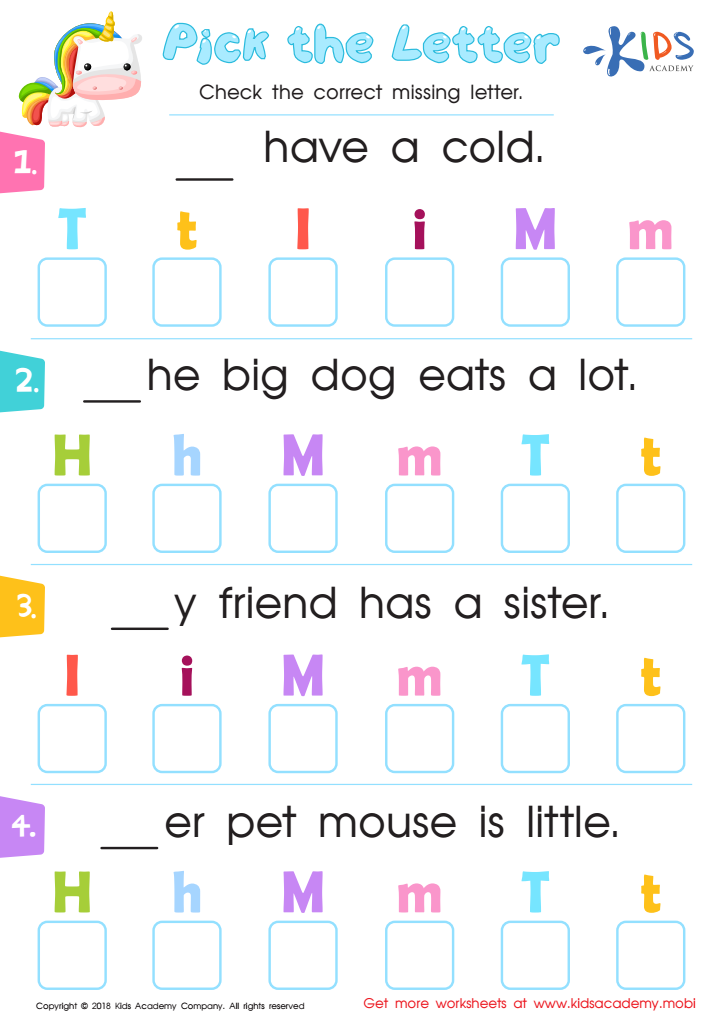
Pick the Letter Worksheet
 Assign to My Students
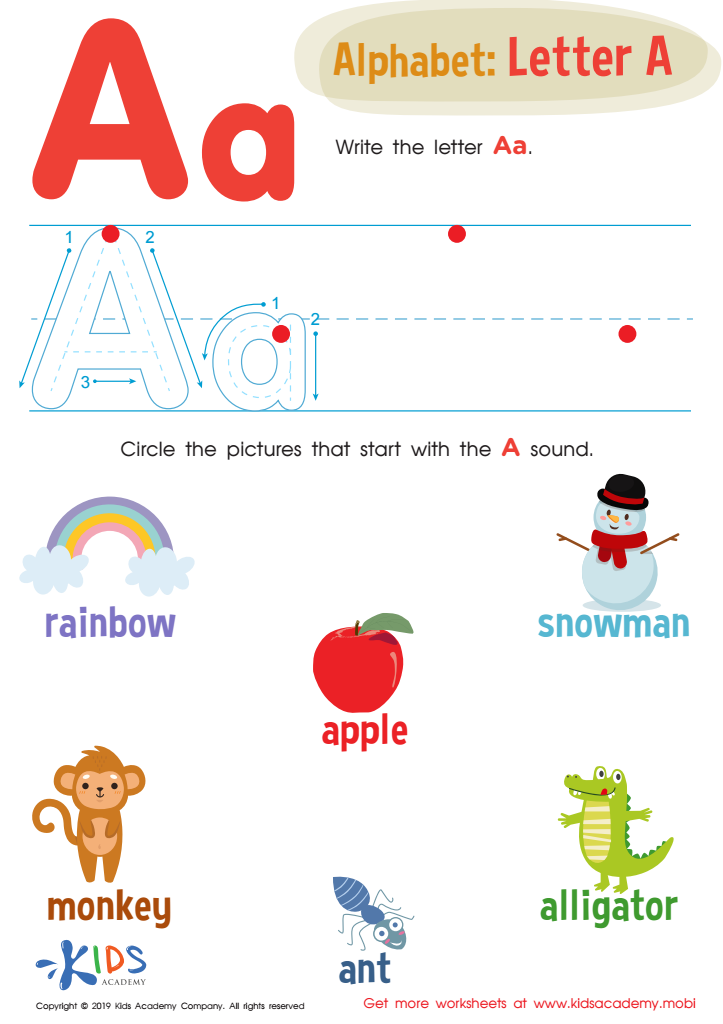
Letter A Tracing Worksheet
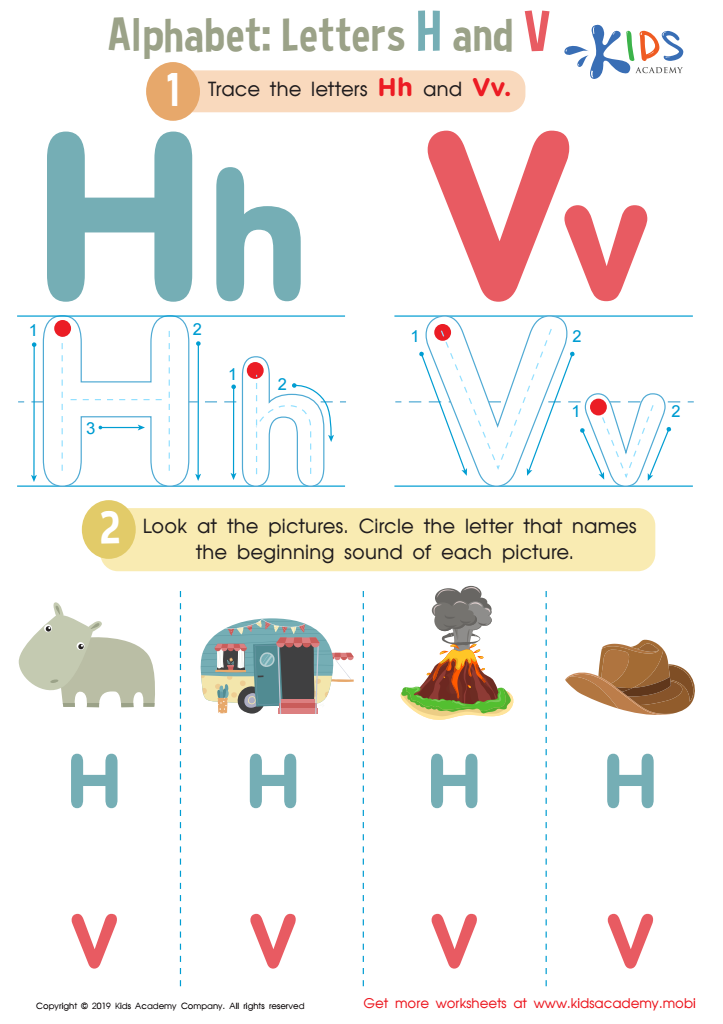
Letters H and V Tracing Worksheet
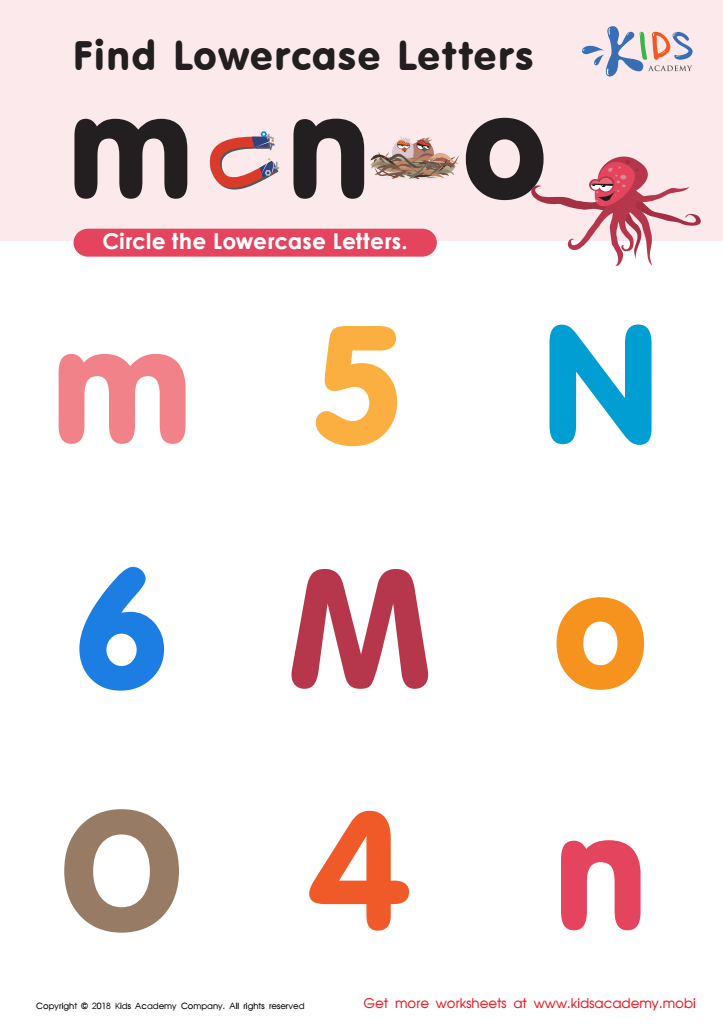
Find Lowercase Letters m n o Worksheet
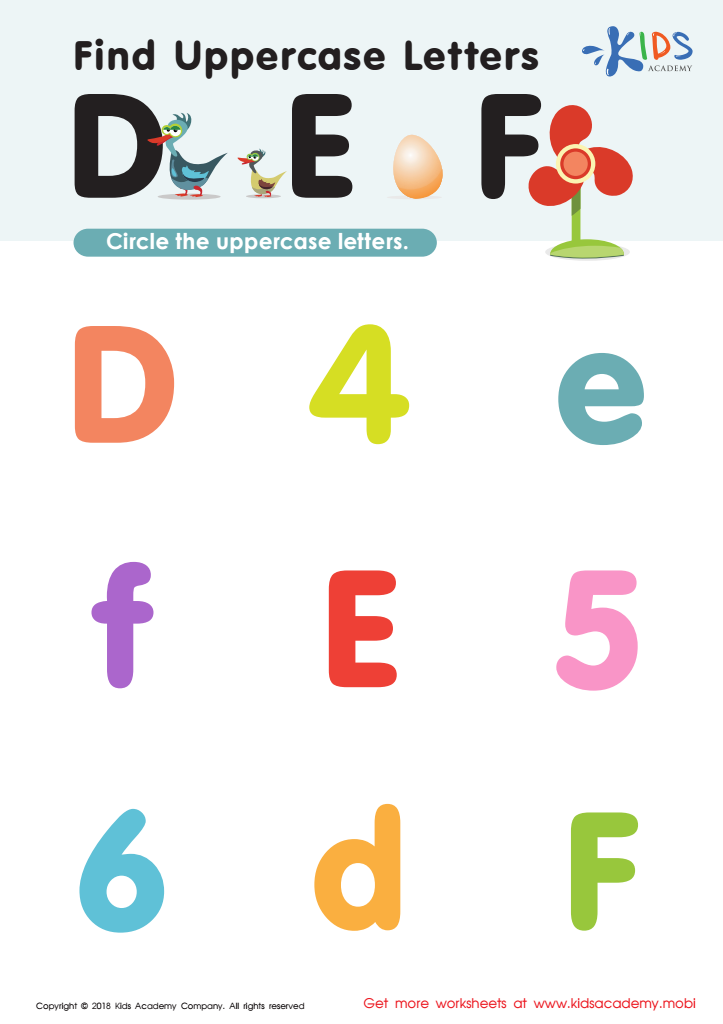
Find Uppercase Letters D, E, and F Worksheet
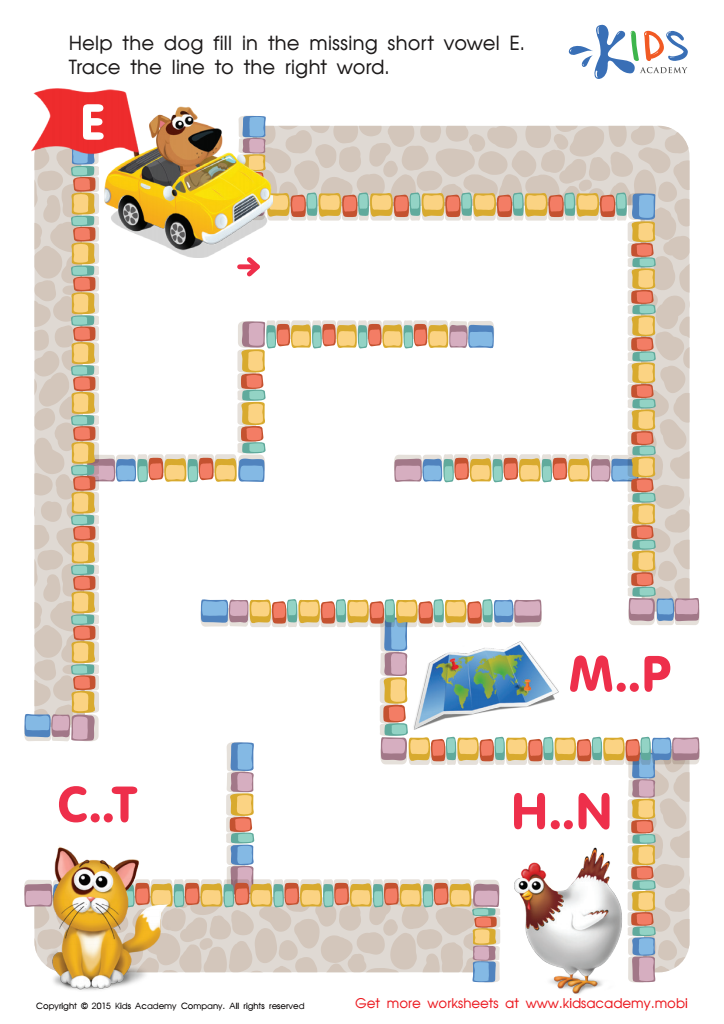
Short Vowel Sound E Worksheet
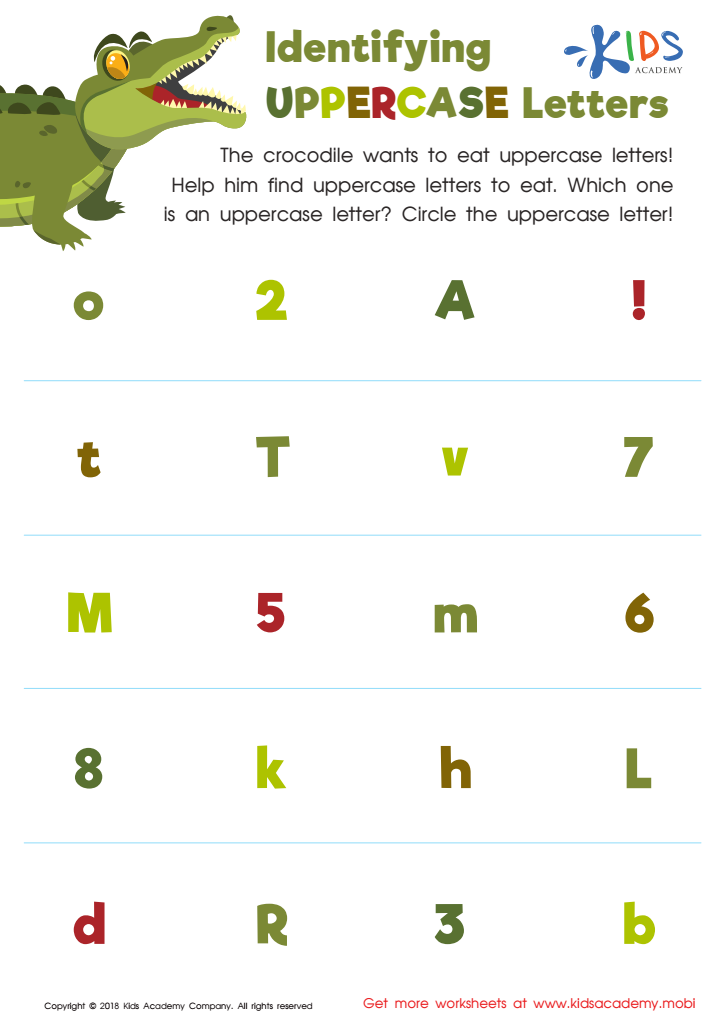
Identifying Uppercase Letters Worksheet
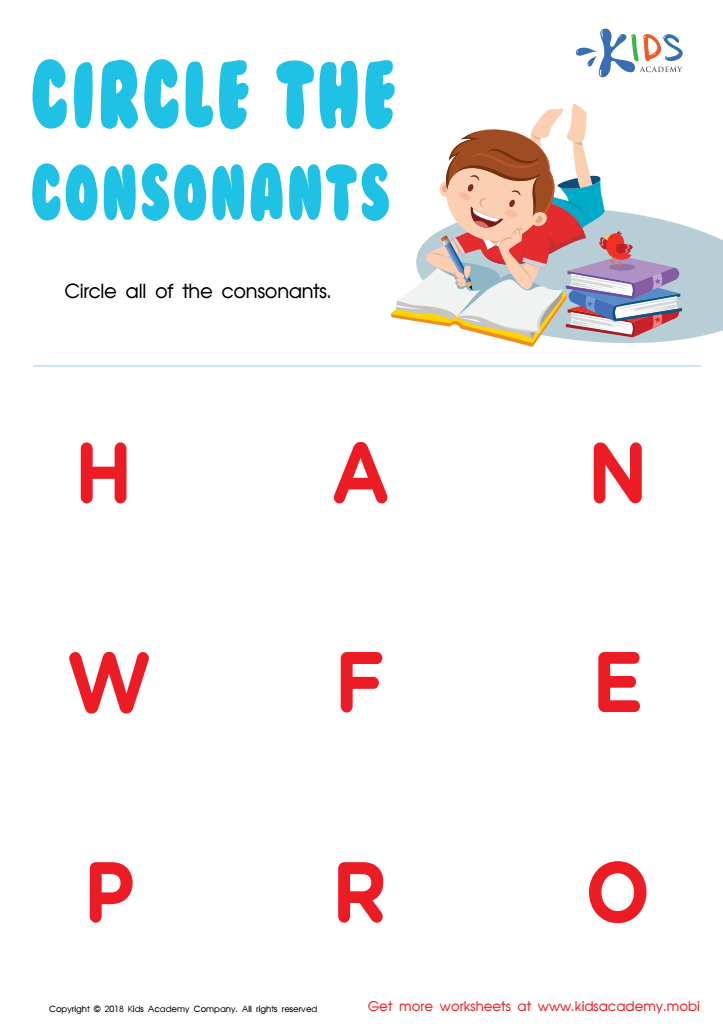
Circle the Consonants Worksheet
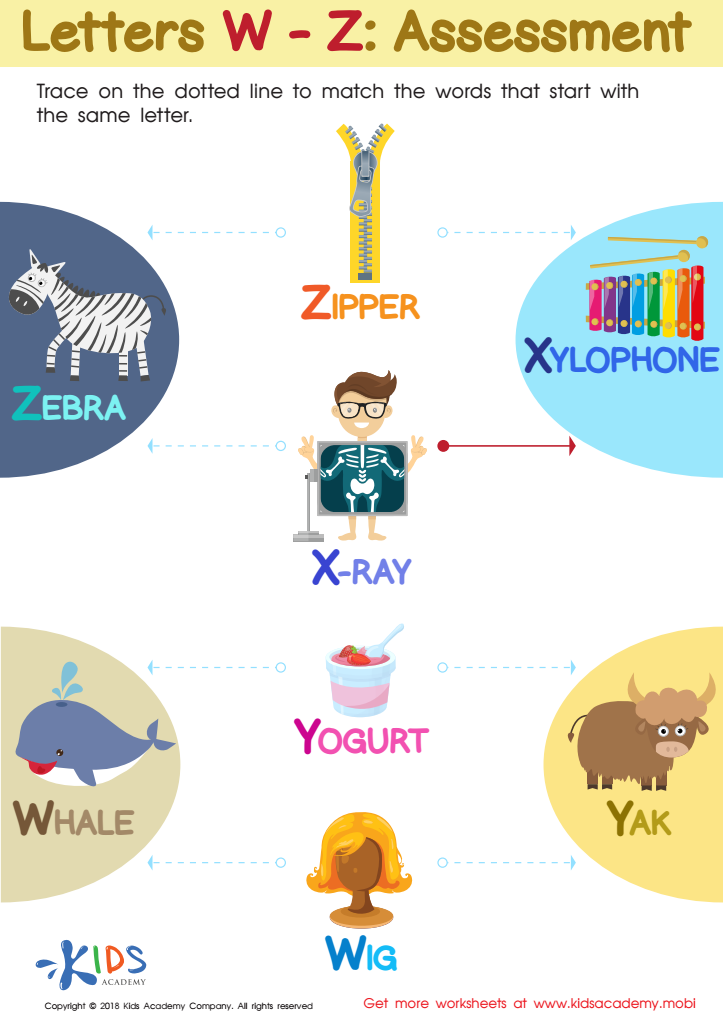
Letters W–Z Tracing Worksheet
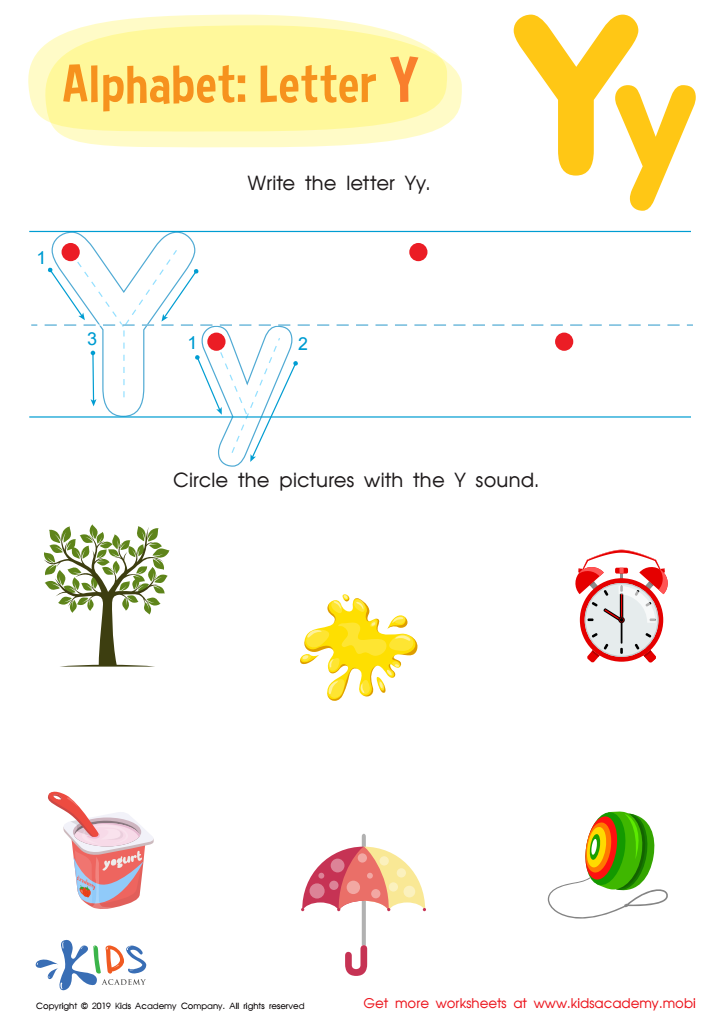
Letter Y Tracing Worksheet
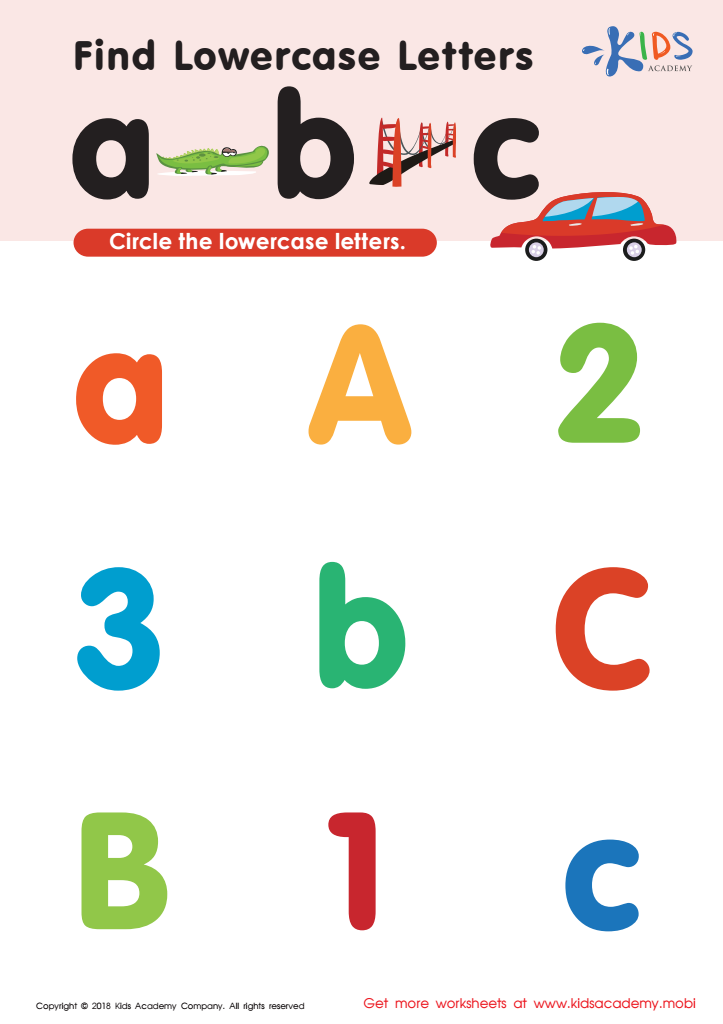
Find lowercase letters a b c Worksheet
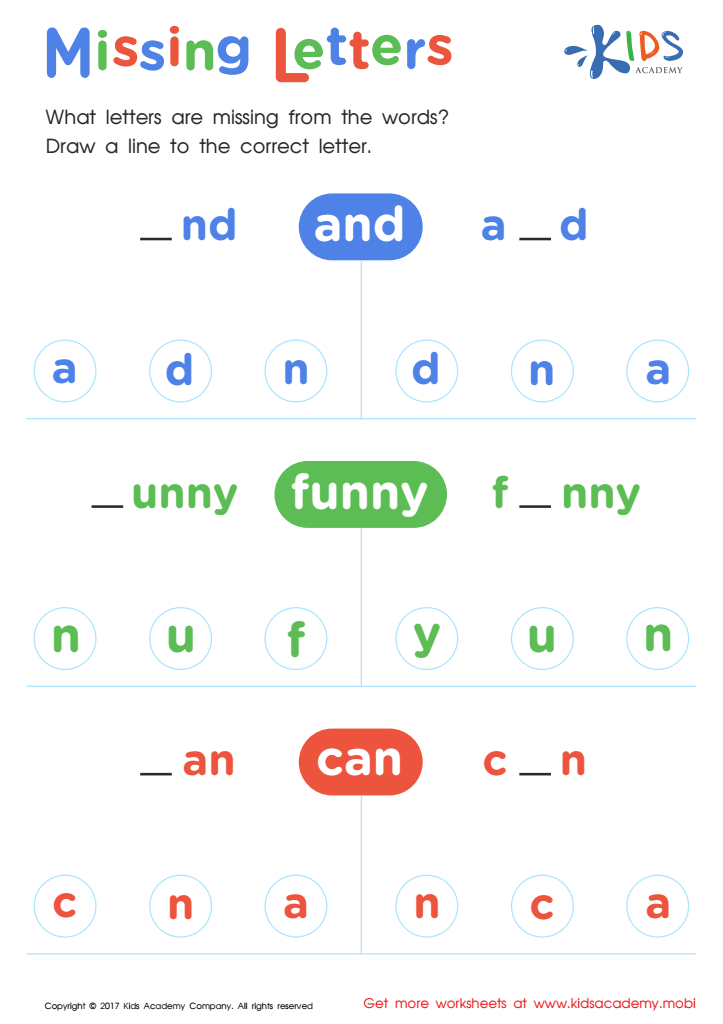
Missing Letters Worksheet
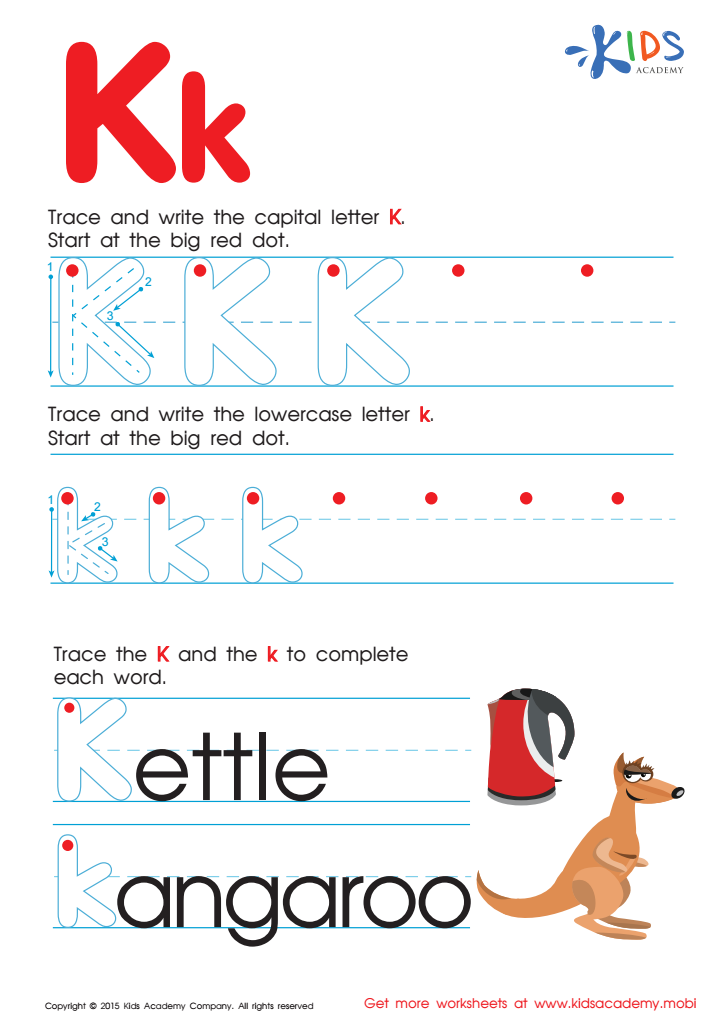
Letter K Tracing Page
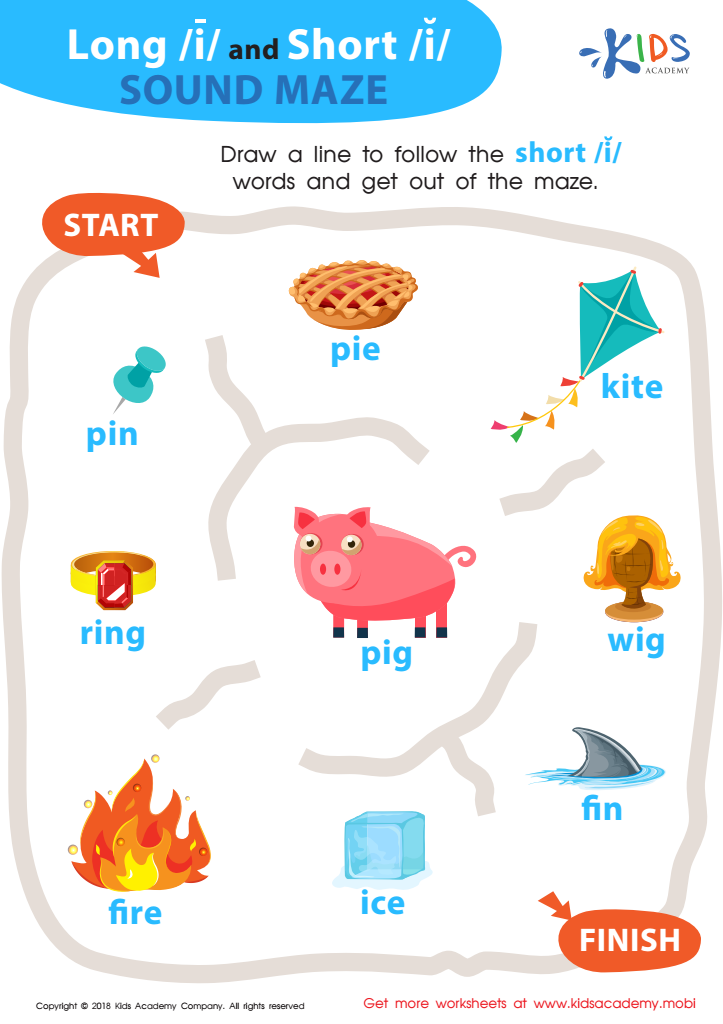
Reading: Long I and Short I Sound Maze Worksheet
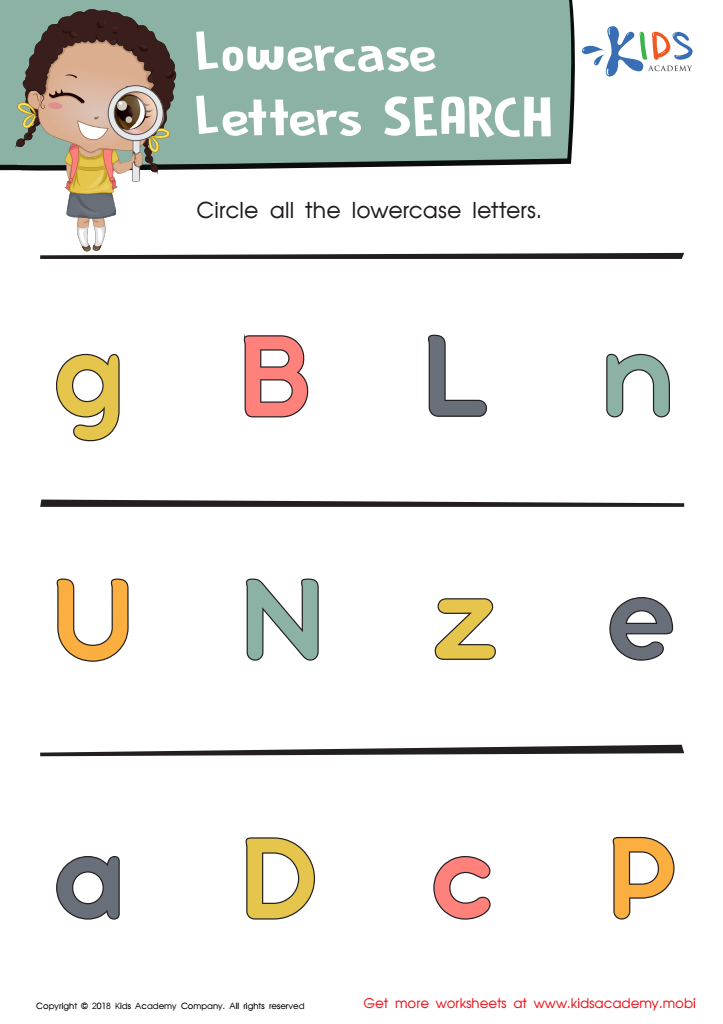
Lowercase Letters Search: Assessment Worksheet
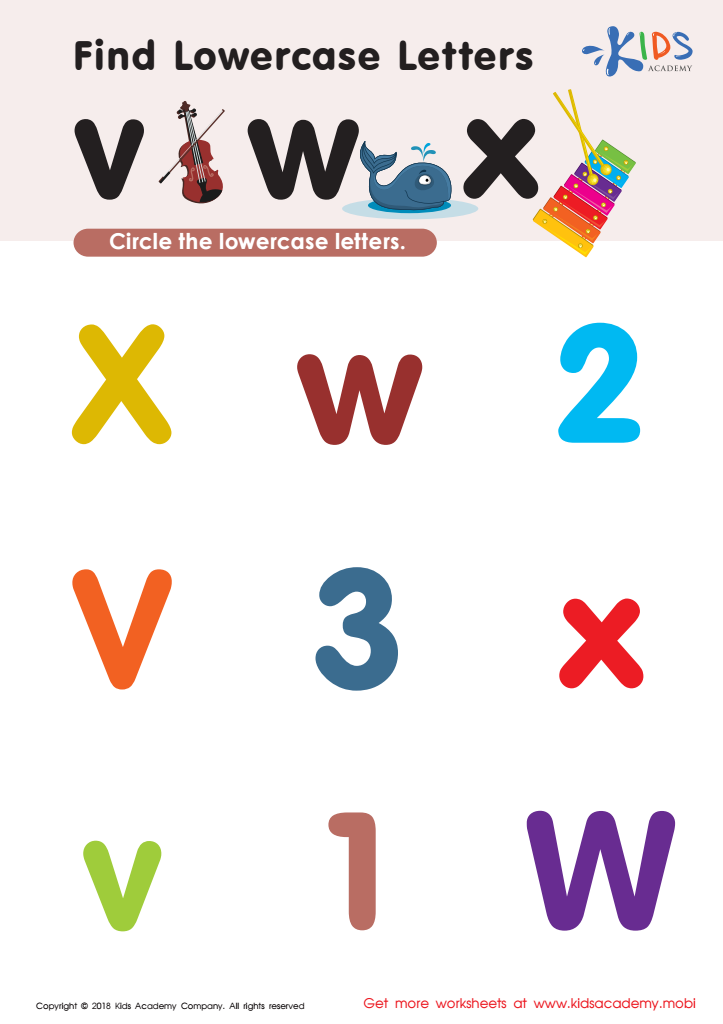
Find Lowercase Letters v w x Worksheet
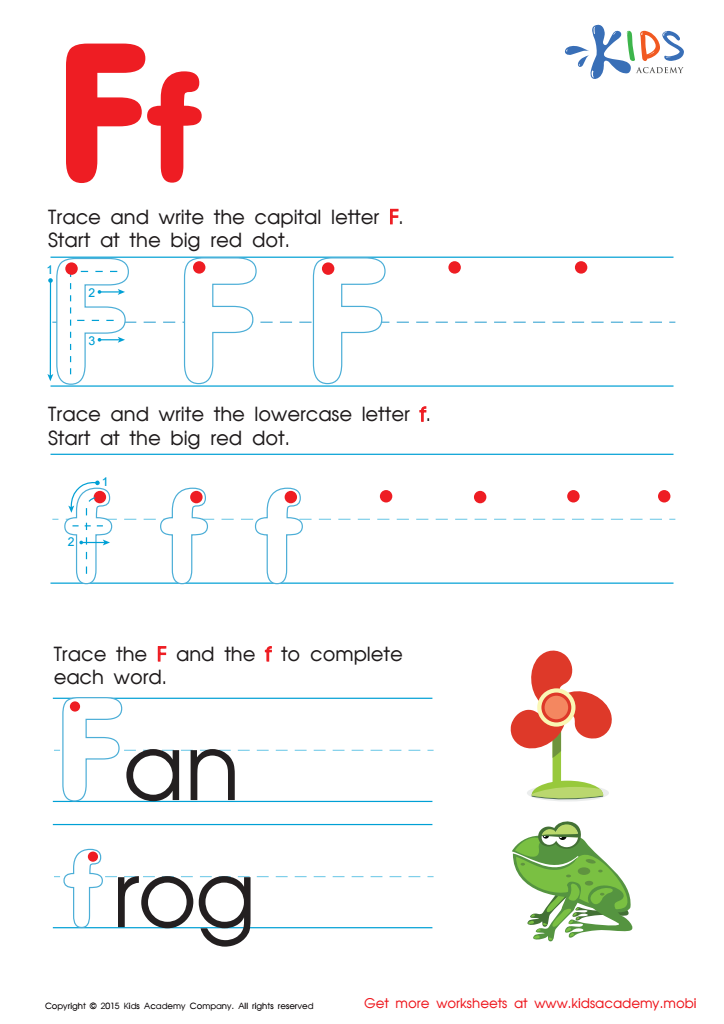
Letter F Tracing Page
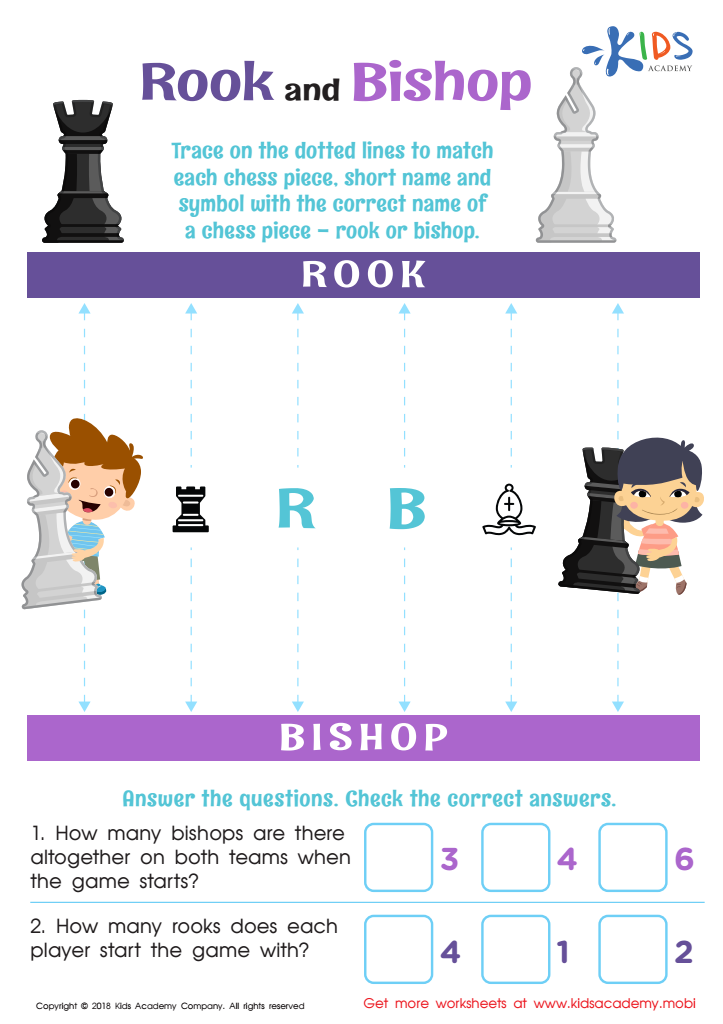
Rook and Bishop Worksheet
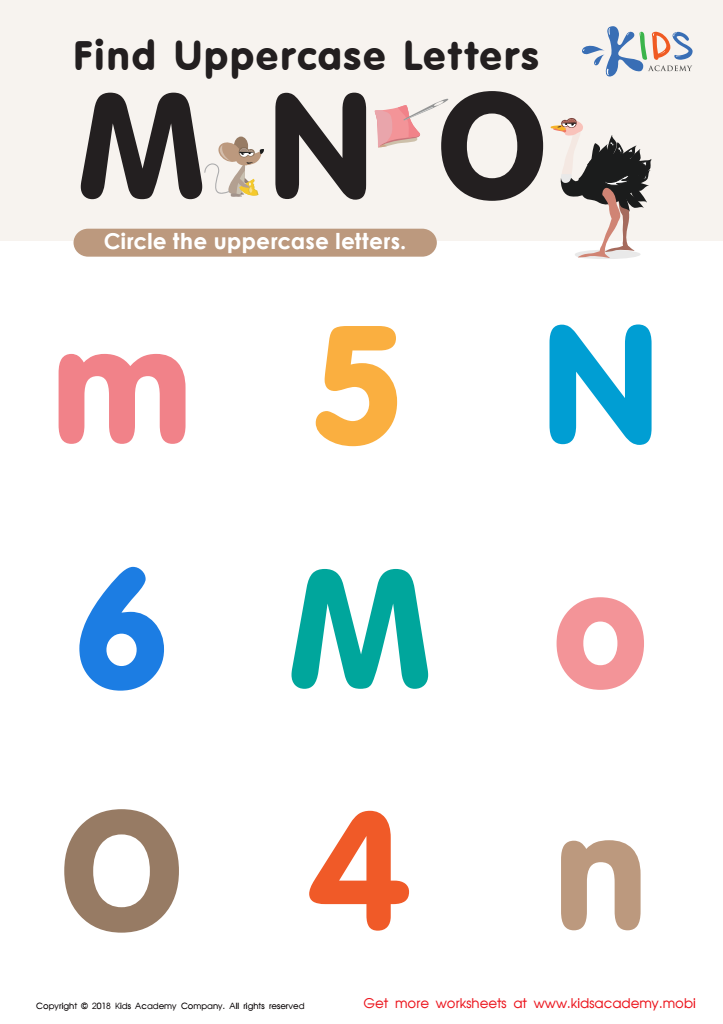
Find Uppercase Letters M, N, and O Worksheet
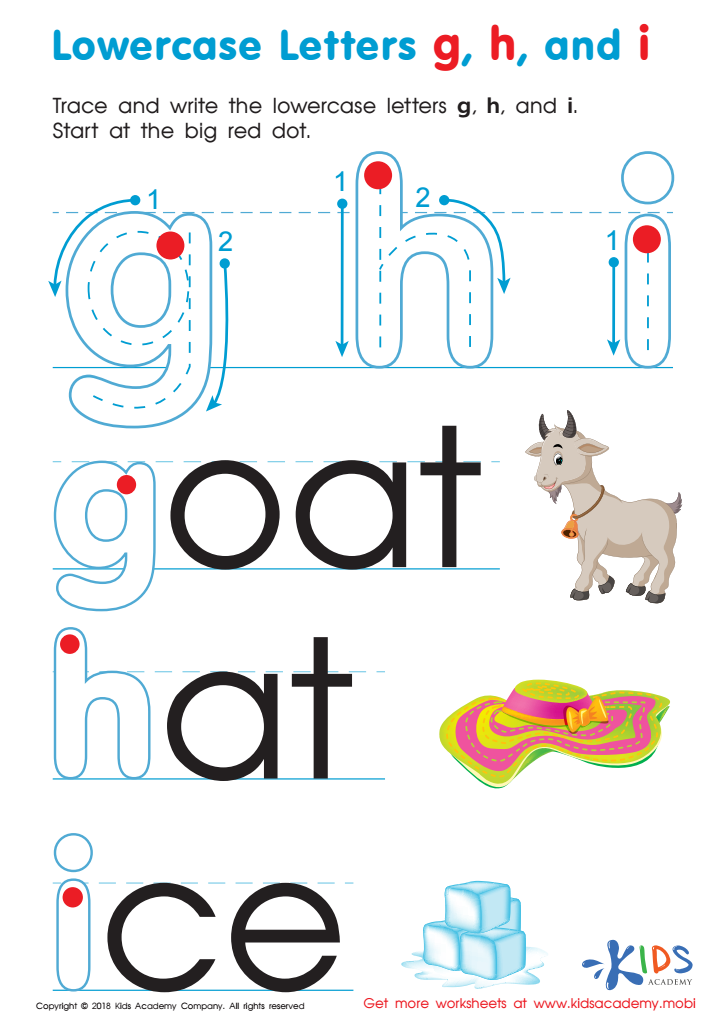
Lowercase Letters g h i Worksheet
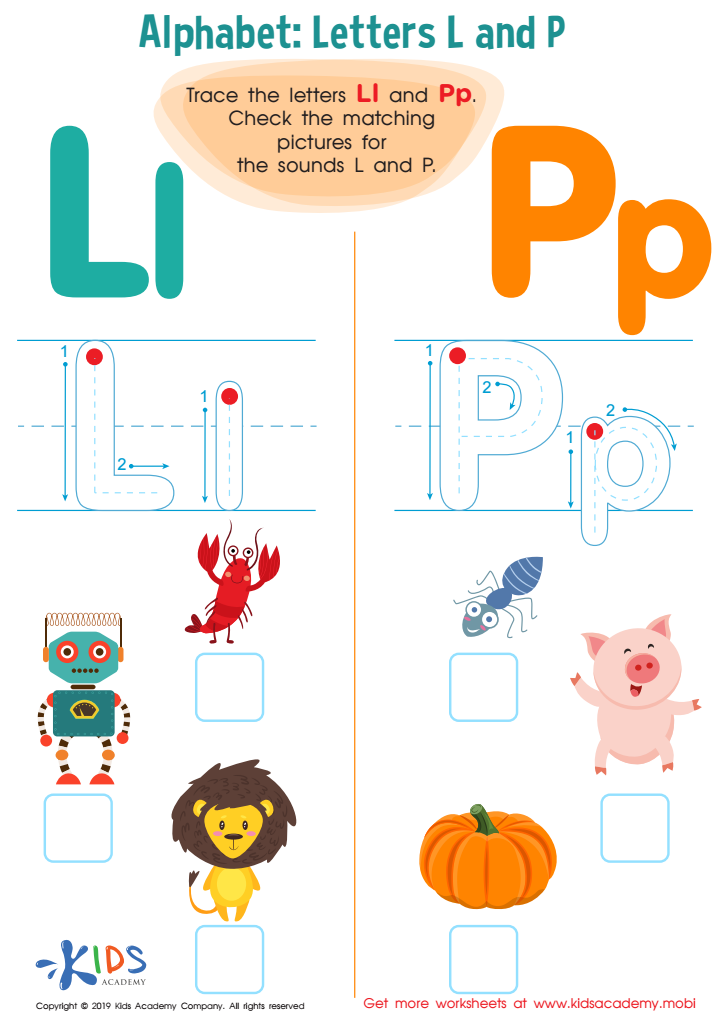
Letter L and P Tracing Worksheet
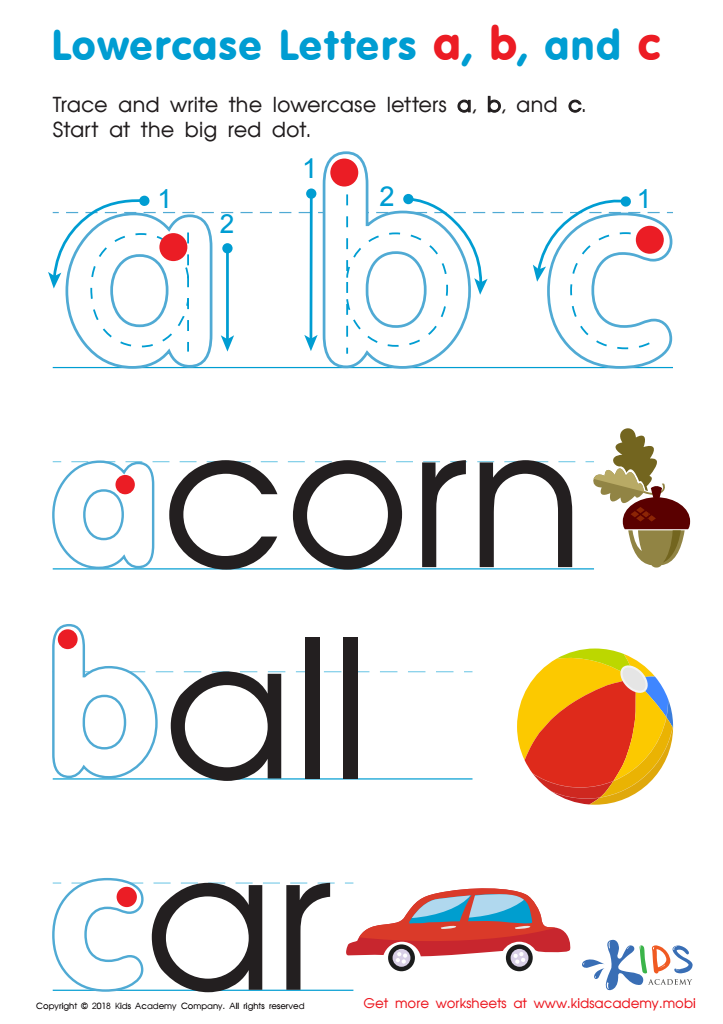
Lowercase Letters a b c Worksheet
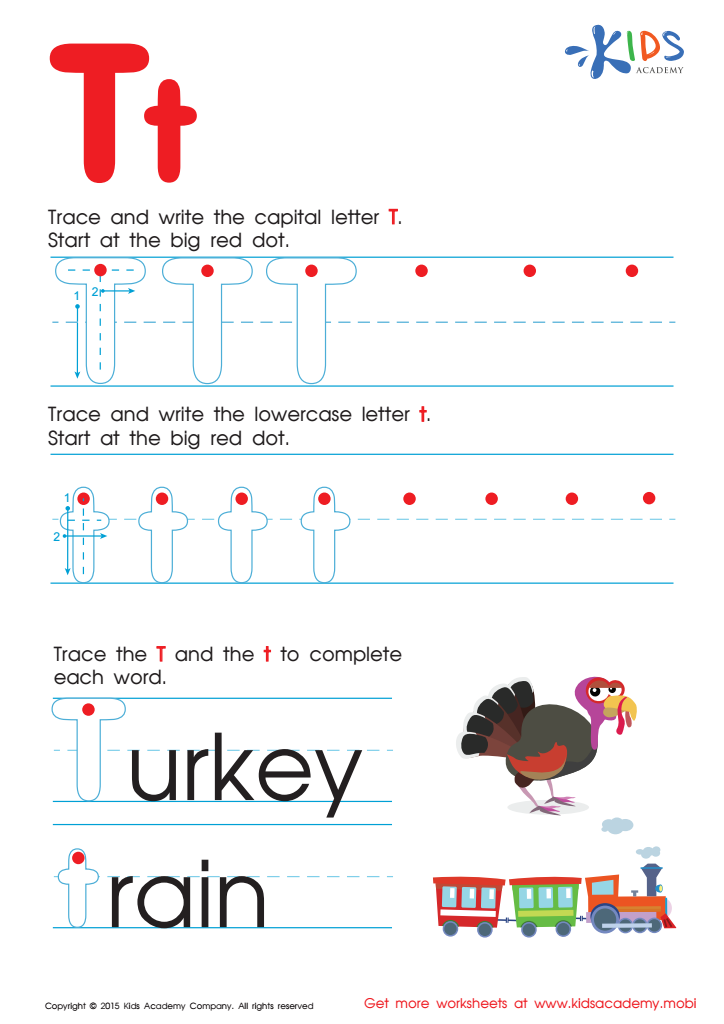
Letter T Tracing Page
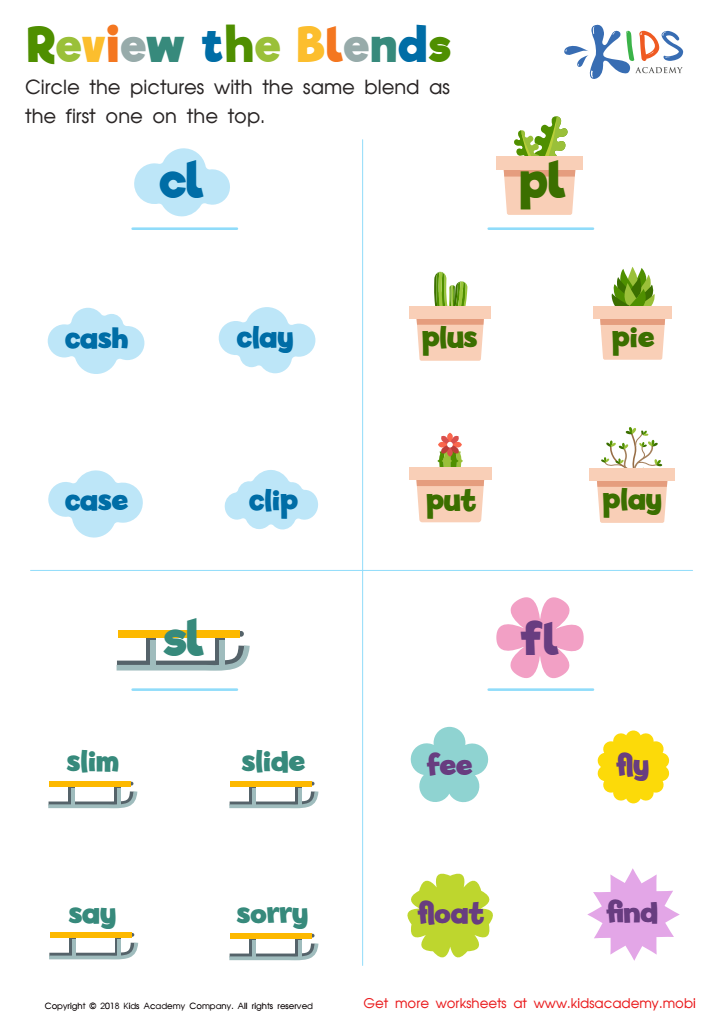
Review the Blends Worksheet








Letter recognition is a fundamental skill for children aged 5-7 as it forms the cornerstone of early literacy and future academic success. During these formative years, establishing a solid foundation in recognizing uppercase and lowercase letters can significantly impact a child's ability to learn to read and write efficiently.
Firstly, letter recognition is crucial for phonemic awareness, where children learn the sounds associated with each letter. This connection between letters and sounds is essential for decoding words while reading, an indispensable skill that directly influences comprehension and fluency.
Secondly, familiarity with letters enhances children's ability to spell and form words. Consistent interaction with letters enables young learners to understand alphabetical order, which is vital for tasks such as using dictionaries or indexes in future academic endeavors.
Moreover, early proficiency in letter recognition can boost a child’s confidence and foster a positive attitude towards learning. When children master recognizing and naming letters, they feel a sense of accomplishment, which encourages further exploration in reading and writing.
Parents and teachers play pivotal roles in this developmental stage by providing engaging activities, such as letter games, books, and multisensory learning experiences. Investing time and effort in nurturing letter recognition paves the way for literacy skills that will serve students throughout their educational journey and beyond.







