Vowels Worksheets for Ages 5-7 - Page 4
86 filtered results
-
From - To
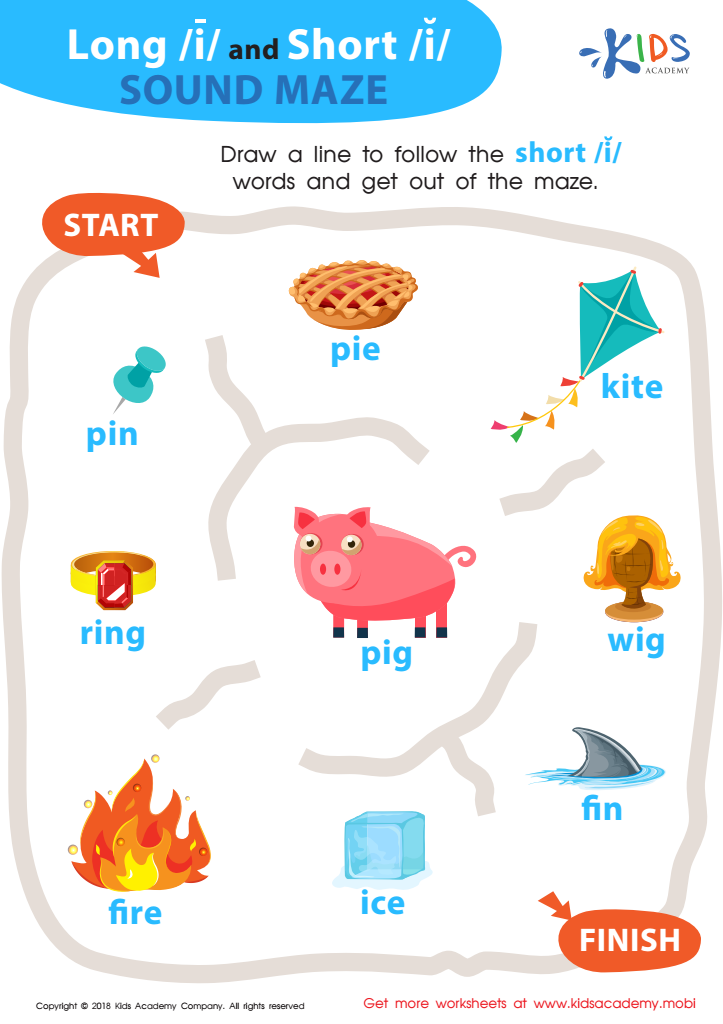
Reading: Long I and Short I Sound Maze Worksheet
 Assign to My Students
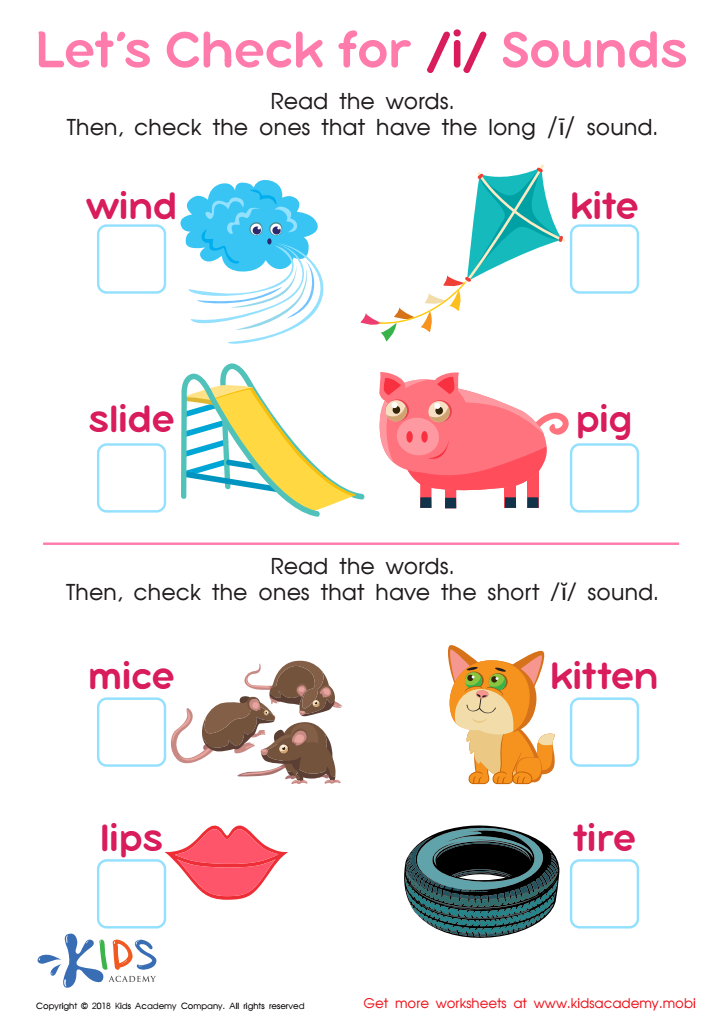
Let's Check for «i» Sounds Worksheet
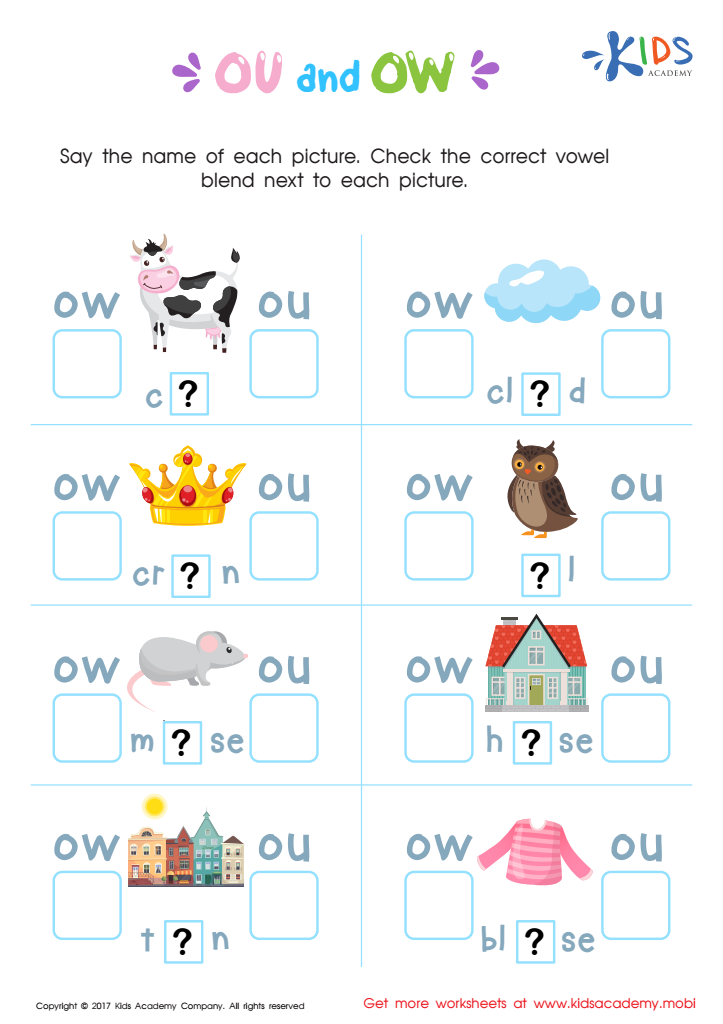
OU and OW Words Worksheet
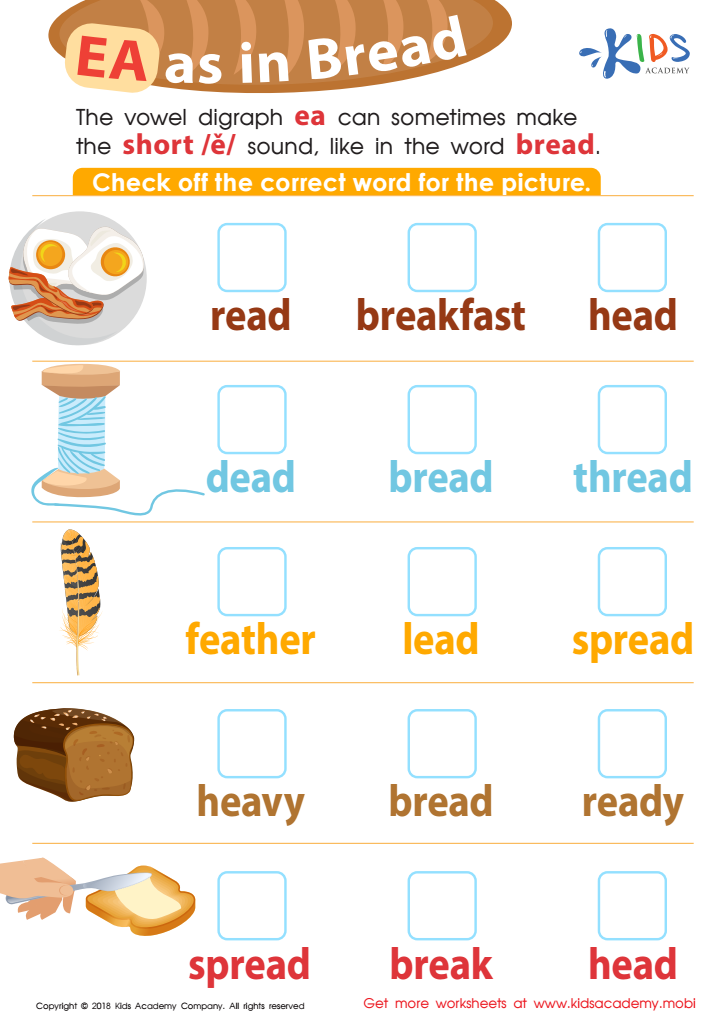
Reading: EA as in Bread Worksheet
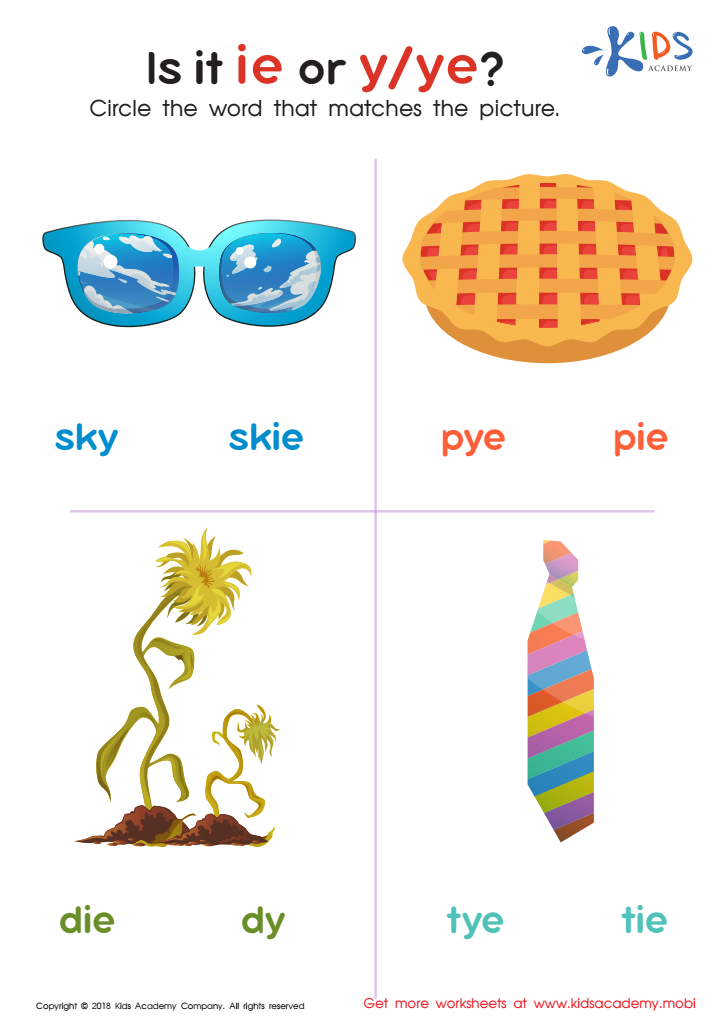
Is It IE or Y/Ye? Worksheet
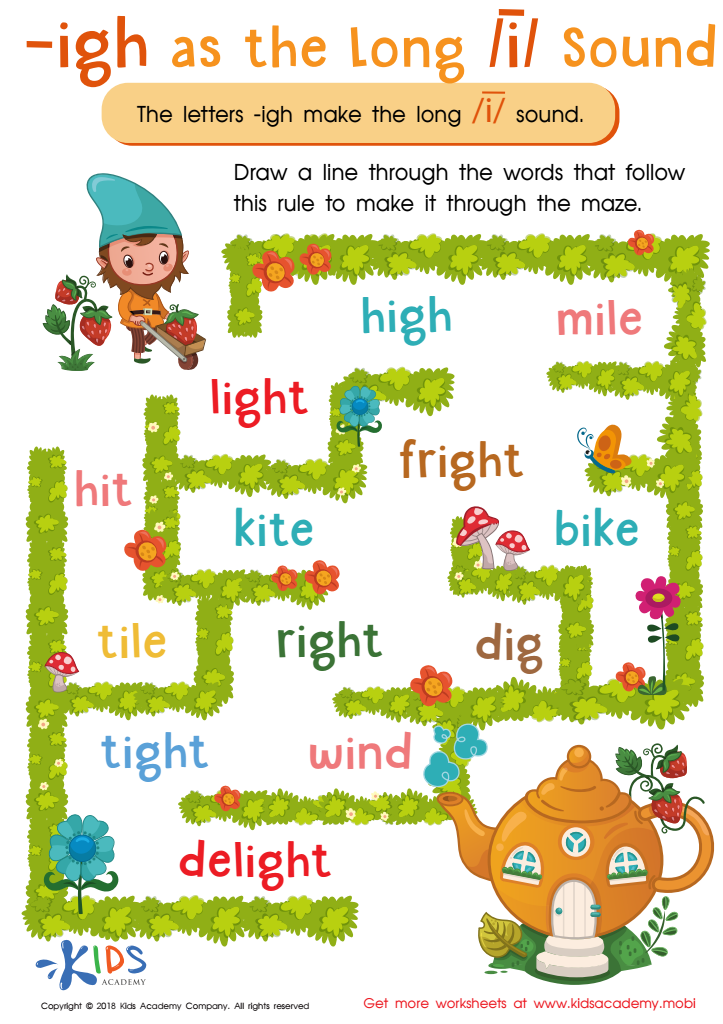
Reading: IGH as Long I Worksheet
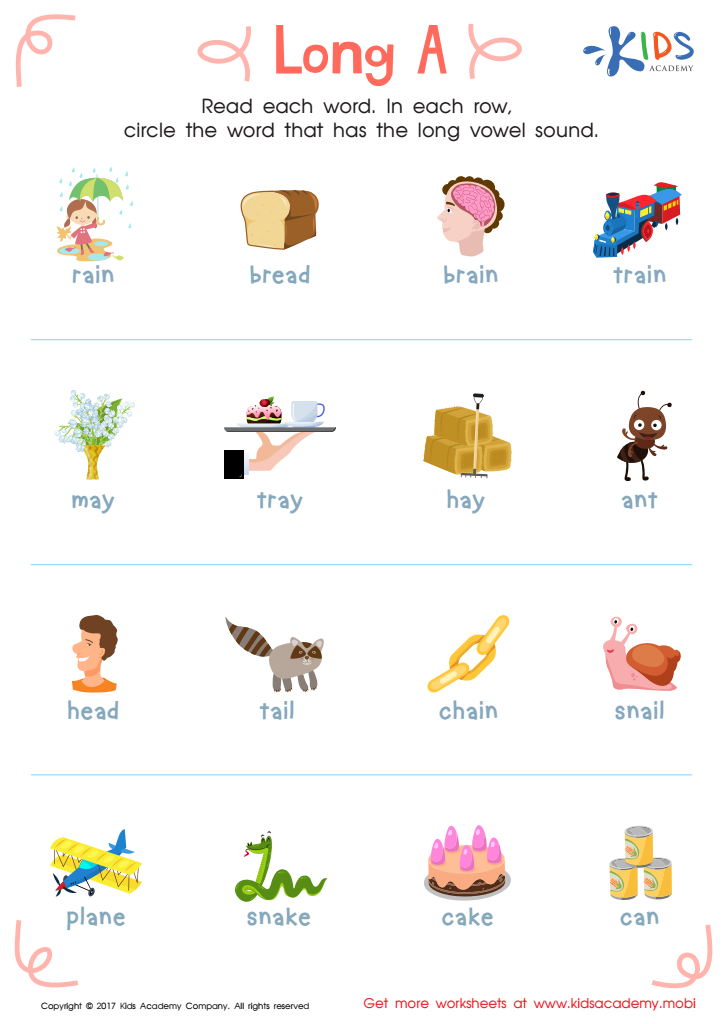
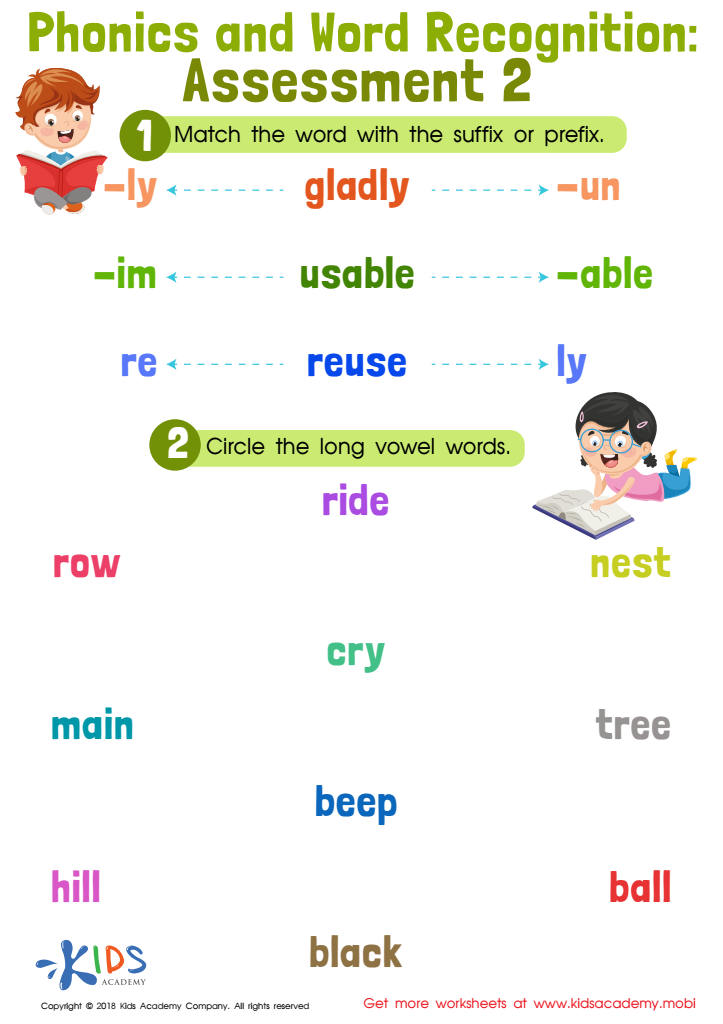
Phonics and Word Recognition: Assessment 2
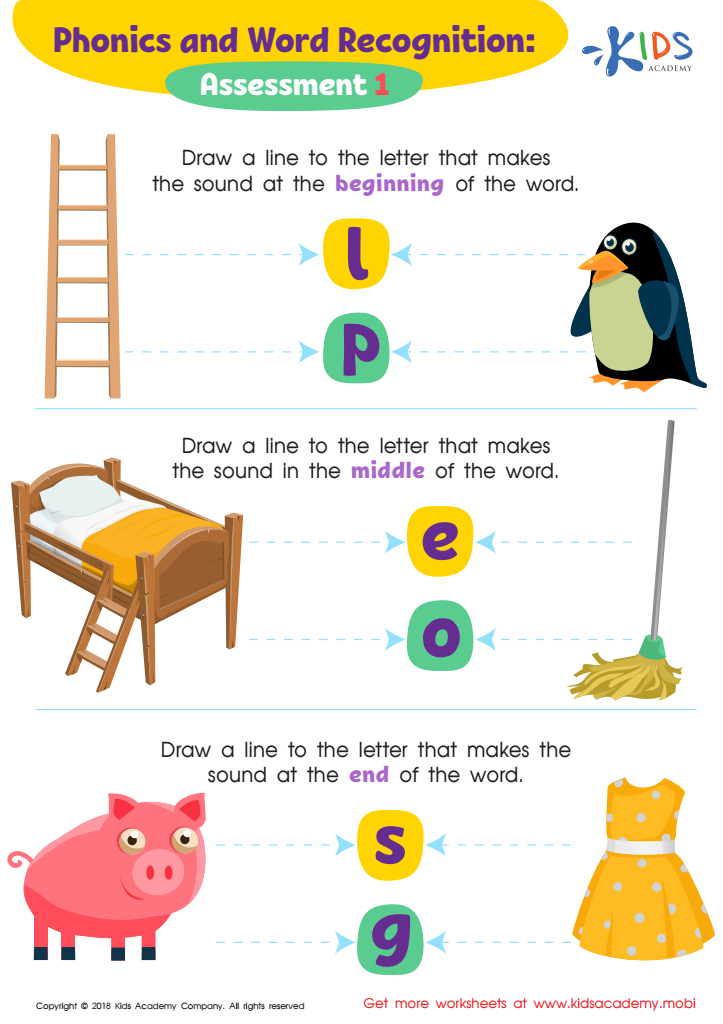
Phonics and Word Recognition: Assessment 1 ELA Worksheet
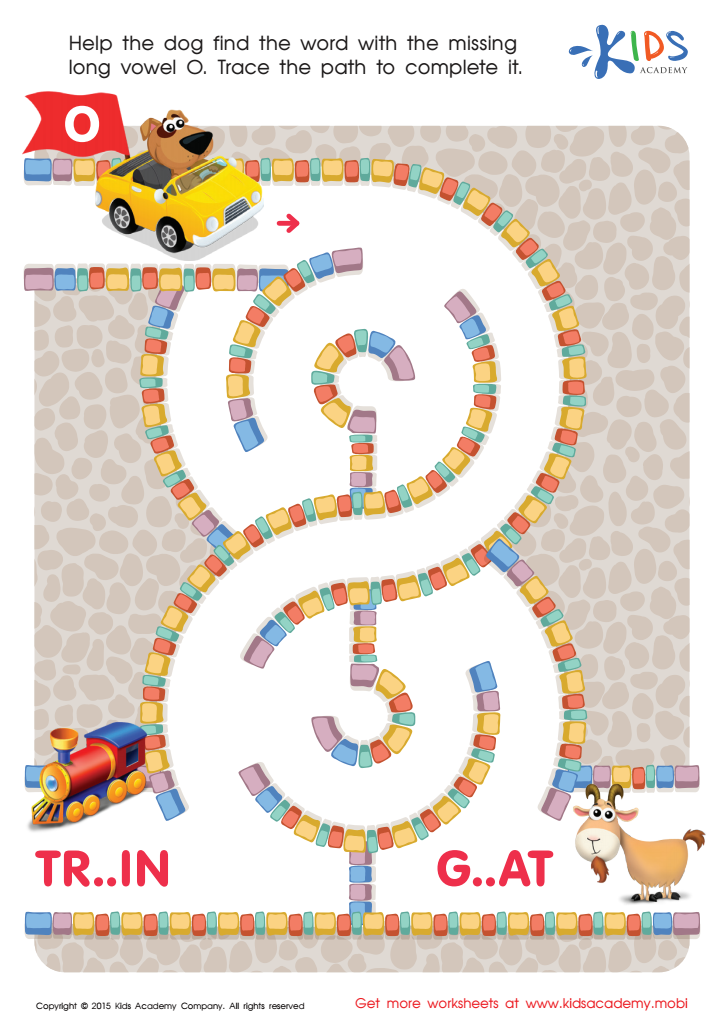
Long Vowel Sound O Worksheet
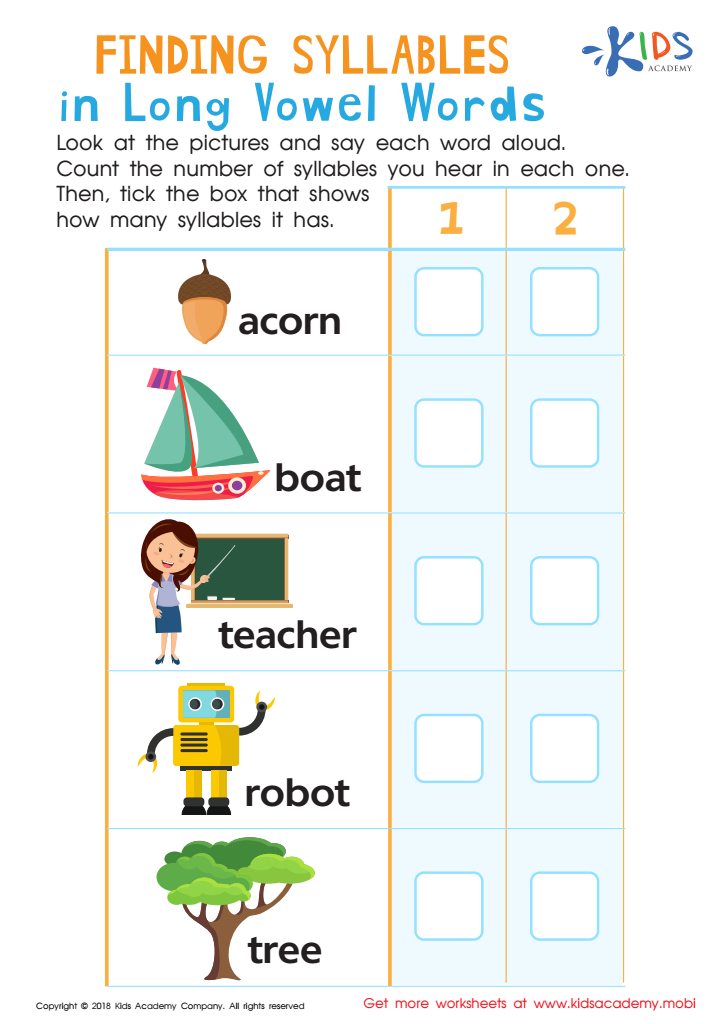
Finding Syllables in Long Vowel Words Worksheet
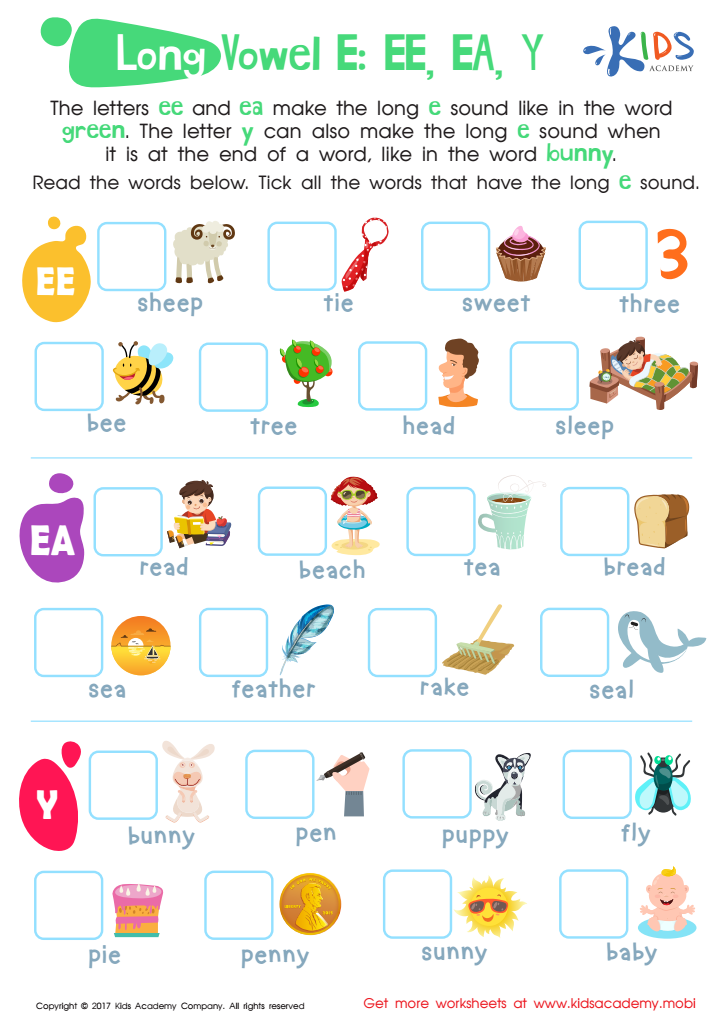
Long Vowel E Printable
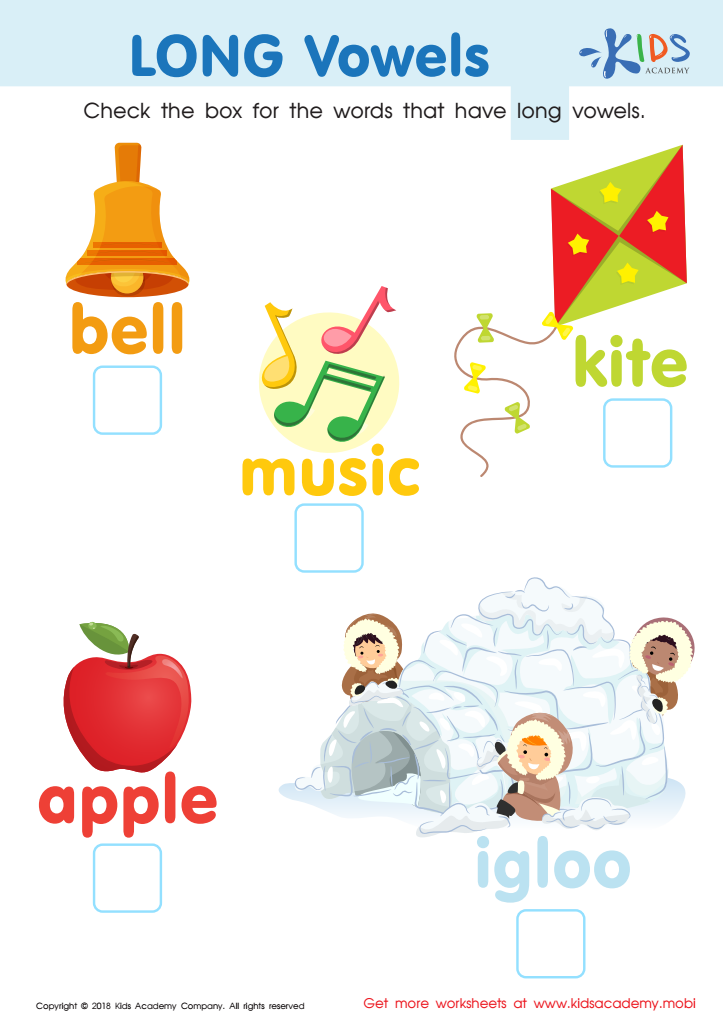
long vowels Worksheet
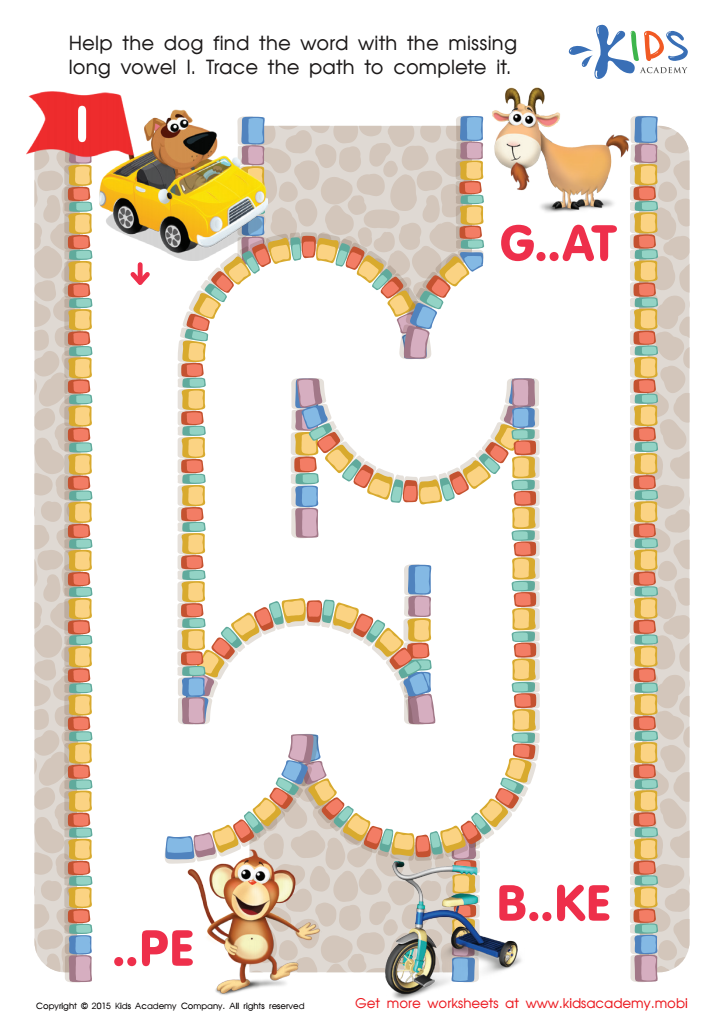
Long Vowel Sound I Worksheet





Vowels play a crucial role in the early literacy development of children aged 5-7. This age group is often in the beginning stages of reading, and understanding vowels is foundational for recognizing and constructing words. Vowels—A, E, I, O, U, and sometimes Y—are essential for forming syllables and building successful reading skills. When children grasp the sounds of vowels, they can blend phonemes and decode unfamiliar words, fostering confidence and fluency in reading.
Moreover, enhanced engagement with vowels promotes language development. Children start to notice patterns in words, enhancing their vocabulary and comprehension skills. Activities centered around vowels can also be fun and interactive, encouraging a love for reading and language. Kinetic and auditory recognition of vowels makes the learning process more enjoyable, boosting participation and retention among young learners.
For parents and teachers, promoting vowel awareness nurtures foundational skills that directly contribute to overall academic success. By prioritizing vowels in lesson plans and home activities, adults can help set the stage for effective communication, critical thinking, and a lifelong interest in learning. In essence, a focus on vowels is not merely an academic exercise but a gateway to broader literacy and cognitive skills that benefit children as they grow.







