Sorting Worksheets for Ages 5-7 - Page 2
25 filtered results
-
From - To
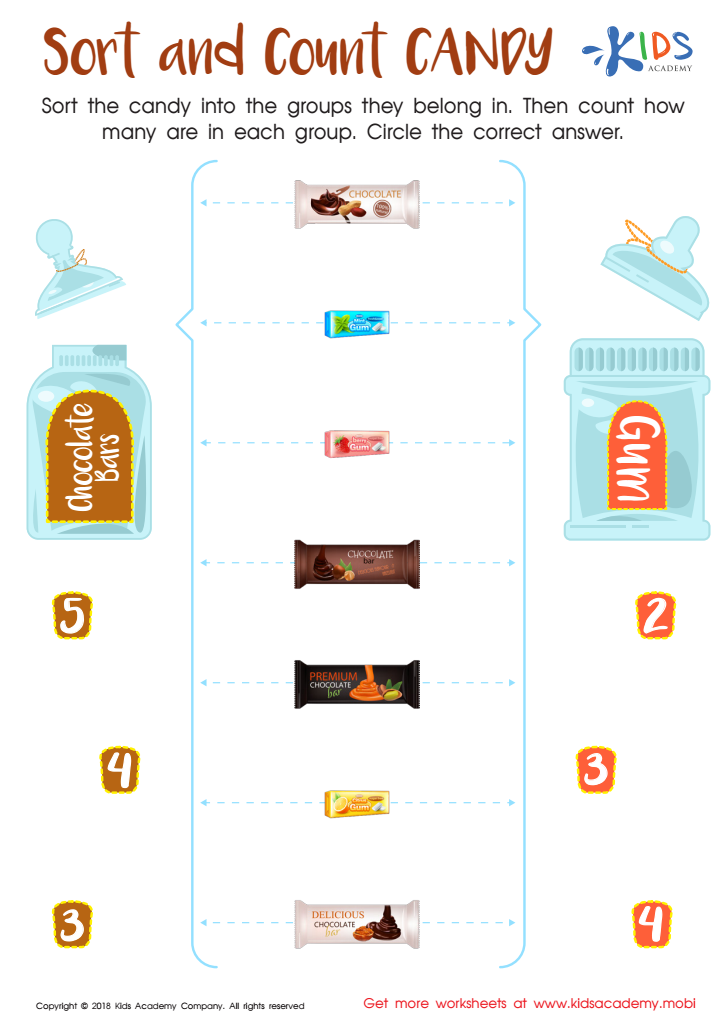
Sort and Count Candy Worksheet
 Assign to My Students




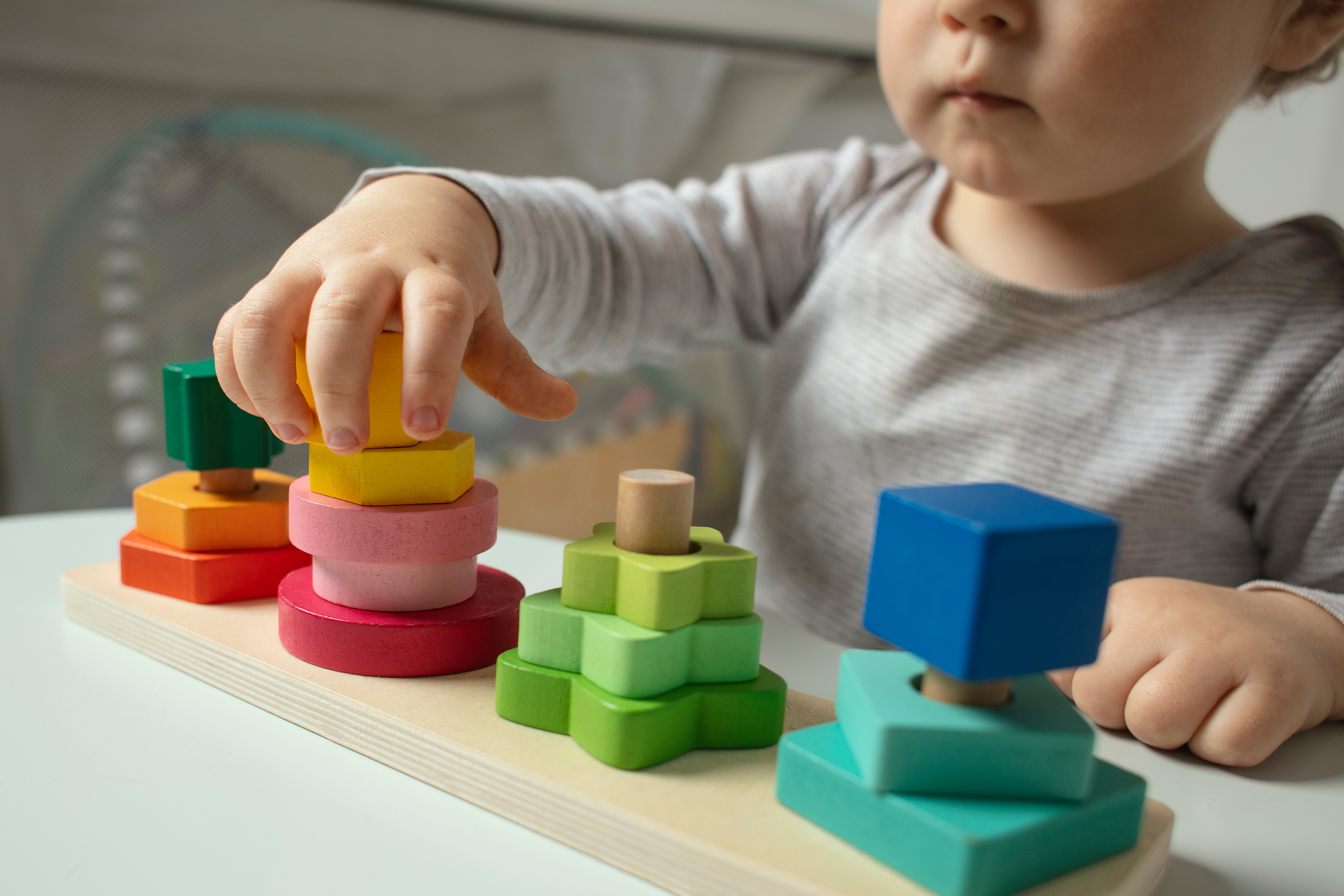



Sorting is a foundational skill that plays a crucial role in early childhood education for children aged 5-7. Parents and teachers should care about sorting because it fosters critical cognitive abilities and lays the groundwork for more advanced concepts in mathematics and science. By engaging in sorting activities, children learn how to categorize objects based on different attributes such as size, color, shape, or function. This not only enhances their observational skills but also promotes logical thinking and reasoning.
Moreover, sorting encourages language development as children learn to describe their sorting criteria, enhancing their vocabulary and communication skills. It supports social interaction when children sort objects together, prompting discussions and collaborative play.
Furthermore, sorting activities engage children's fine motor skills as they manipulate physical objects, contributing to their overall dexterity. These skills are essential as they progress in their educational journeys.
In essence, sorting shapes young learners' cognitive, social, and physical development. When parents and teachers prioritize sorting, they provide children with valuable tools for successful learning, paving the way for future problem-solving, analytical skills, and curriculum mastery.








