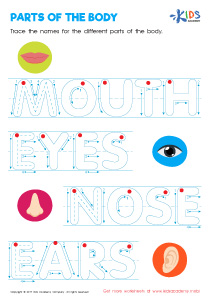
Life Science Worksheets for Ages 5-8
3 filtered results
-
From - To
Discover our engaging Life Science Worksheets designed specifically for children ages 5-8! These printable resources encourage young learners to explore the wonders of the natural world, covering essential topics like animals, plants, and ecosystems. Our worksheets promote critical thinking and observation skills through fun activities, colorful illustrations, and interactive questions that capture children's interest. Perfect for classroom use or home learning, these materials align with educational standards to support foundational science knowledge. Dive into the exciting journey of discovery with our Life Science Worksheets and promote a lifelong love of science in your young learners today!
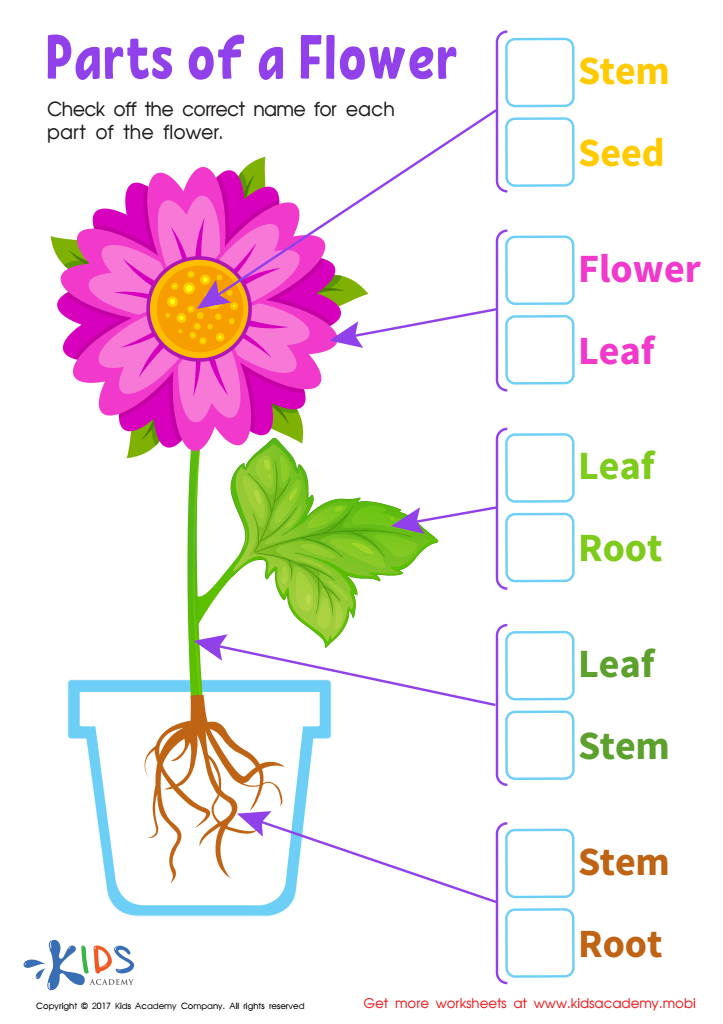
Parts Flower Printable
 Assign to My Students
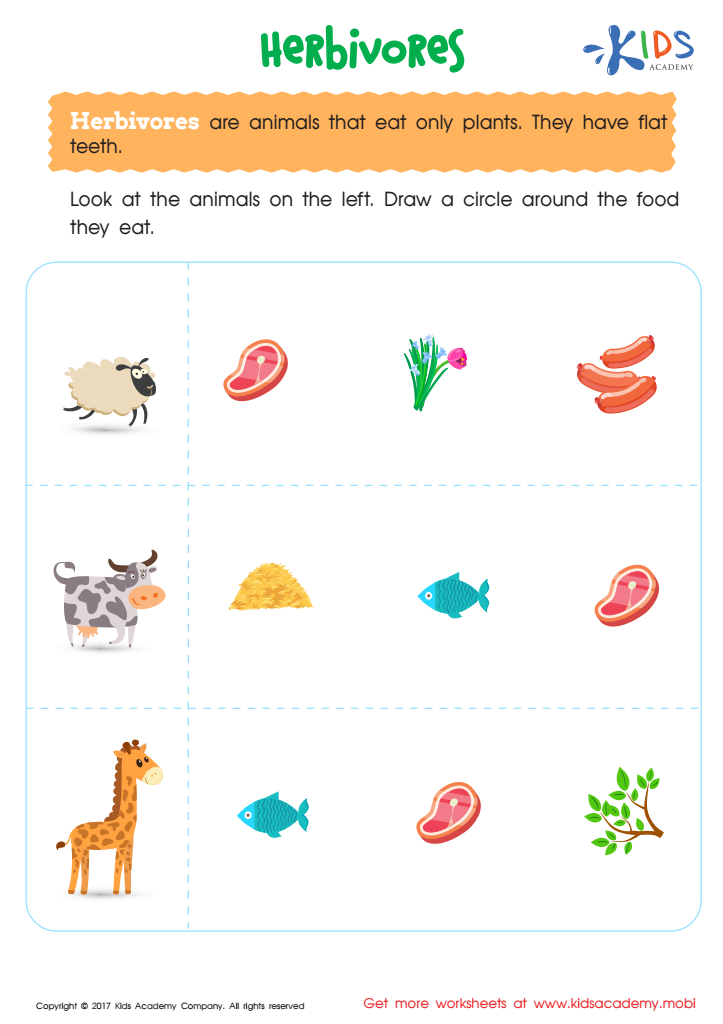
Herbivores Printable
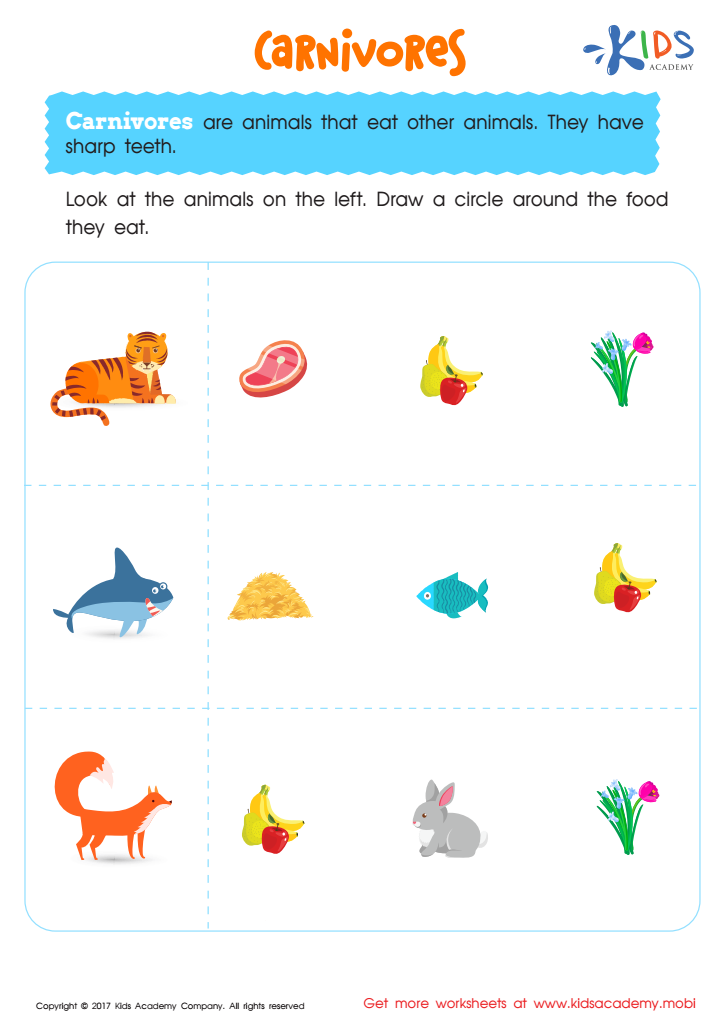
Carnivores Worksheet








Parents and teachers should prioritize Life Science education for children aged 5-8 because it plays a crucial role in nurturing curiosity and a foundational understanding of the natural world. At this developmental stage, children are naturally curious and eager to explore their surroundings. Life Science helps capitalize on that curiosity by introducing concepts such as plants, animals, ecosystems, and the human body, paving the way for critical thinking and scientific inquiry.
Moreover, Life Science encourages environmental awareness. By learning about ecosystems and biodiversity, children develop a sense of responsibility towards nature and an understanding of sustainability. This early exposure fosters respect for life and encourages eco-friendly behaviors that can last a lifetime.
Additionally, Life Science literacy is essential for future academic success. Concepts introduced in early grades are the building blocks for more complex scientific topics later in education. Engaging children in hands-on activities, such as observing plants or studying insects, makes learning fun and memorable.
By promoting Life Science for young learners, parents and teachers empower children to ask questions, explore, and develop a lifelong love for science, ultimately preparing them to face the challenges of an increasingly complex world.