Worksheets for Ages 6-8 - Page 3
2649 filtered results
-
From - To
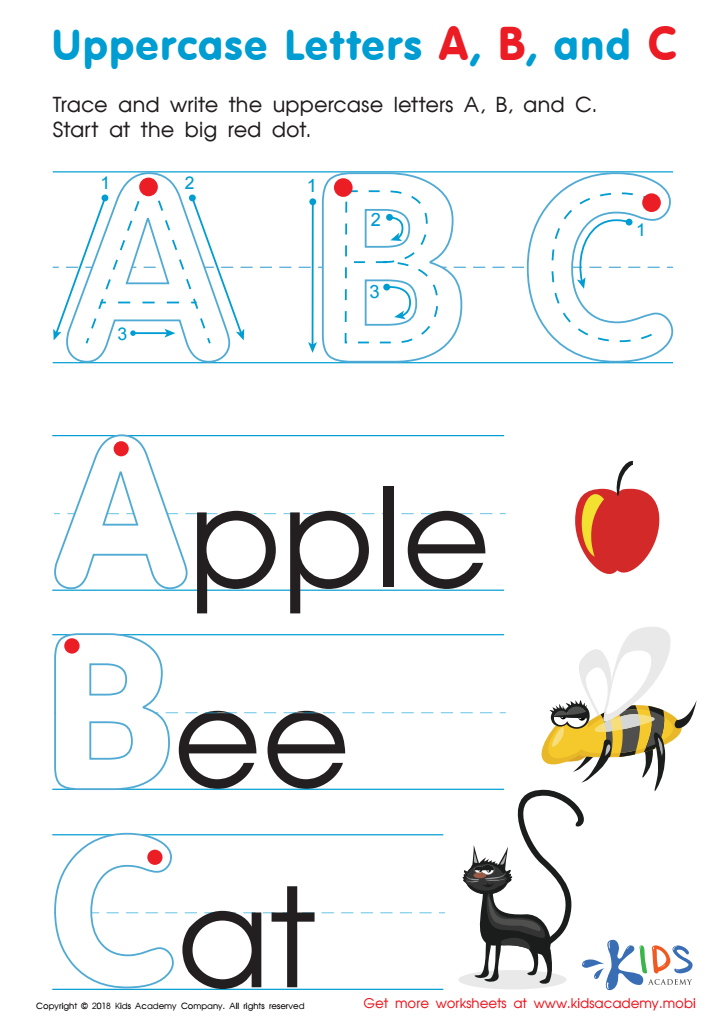
Uppercase Letters A, B, and C Worksheet
 Assign to My Students
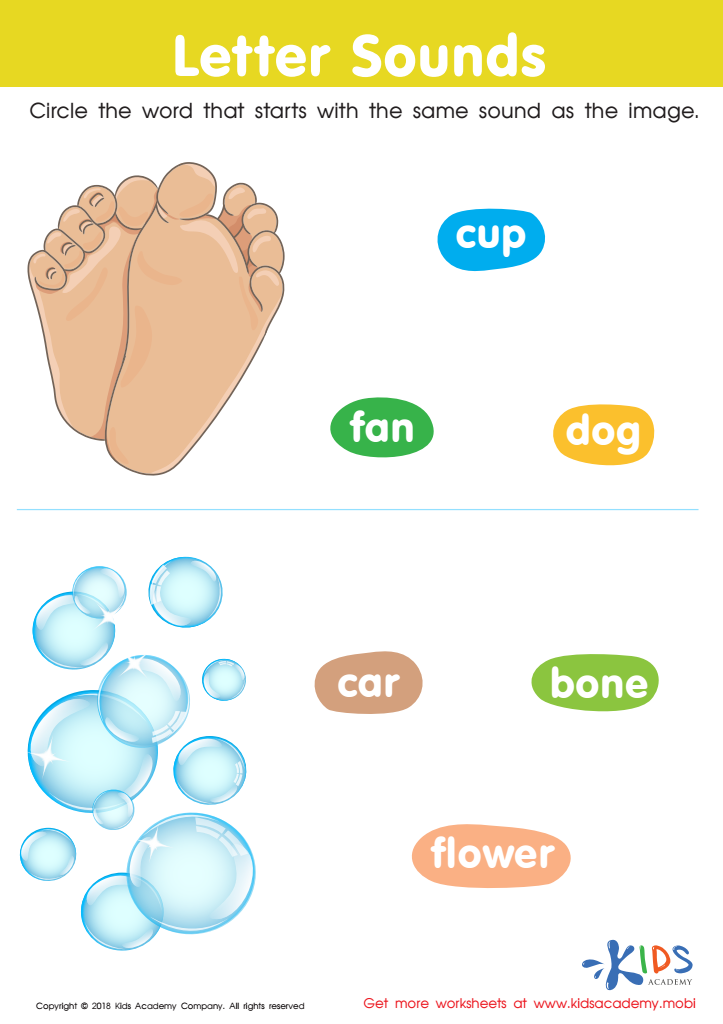
letter sounds Worksheet
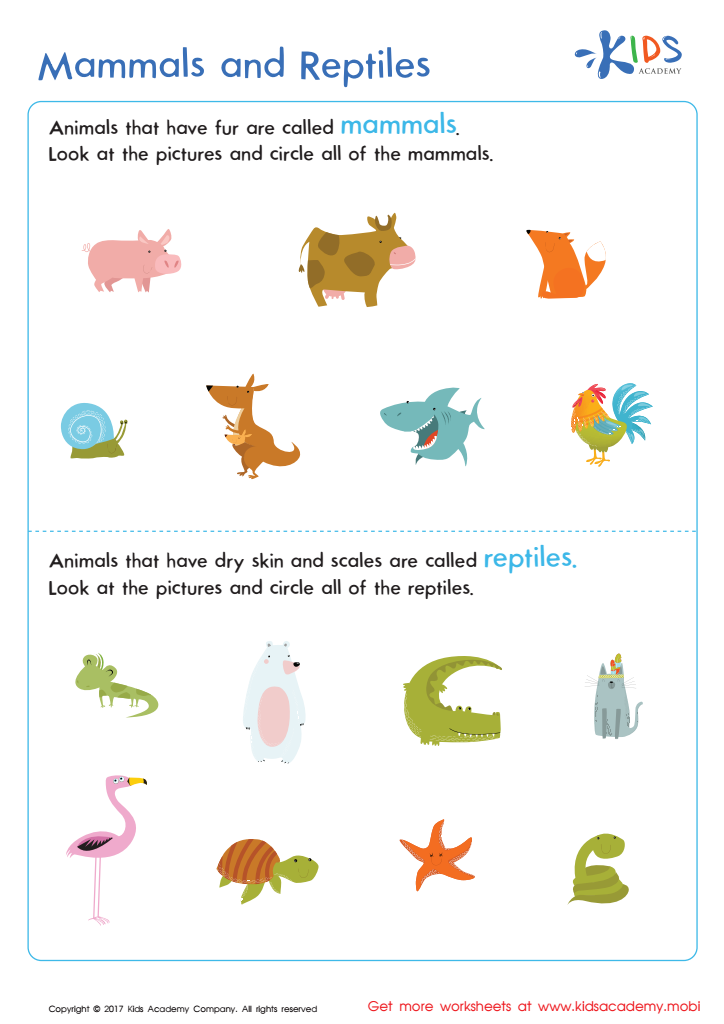
Mammals and Reptiles Worksheet

Birthday Words Worksheet
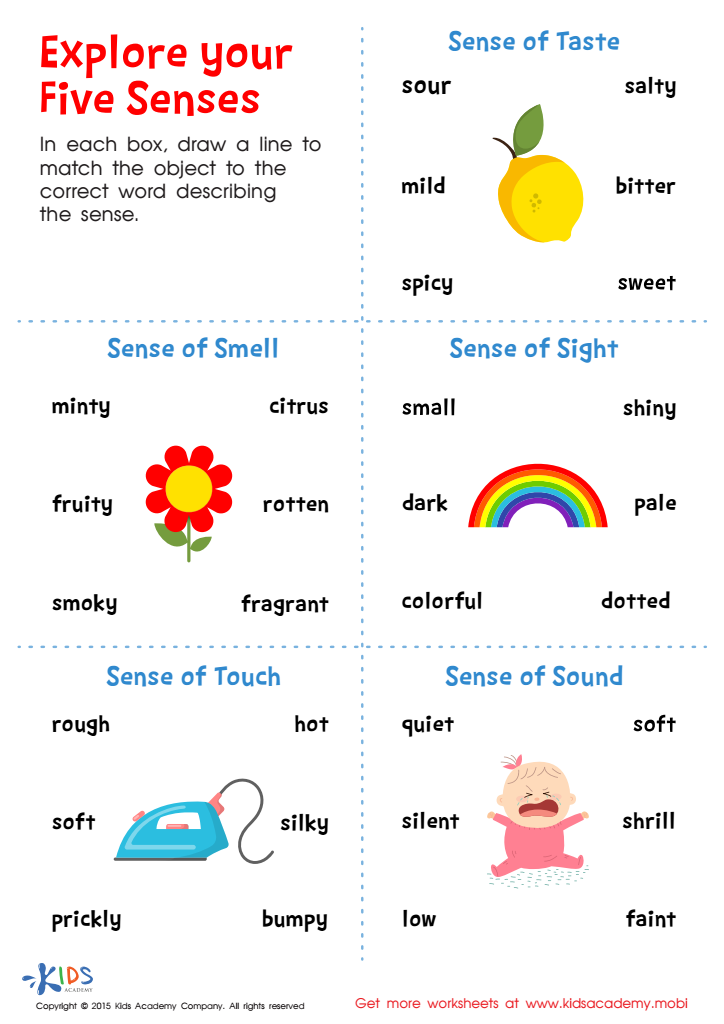
Explore Your Five Senses Printable
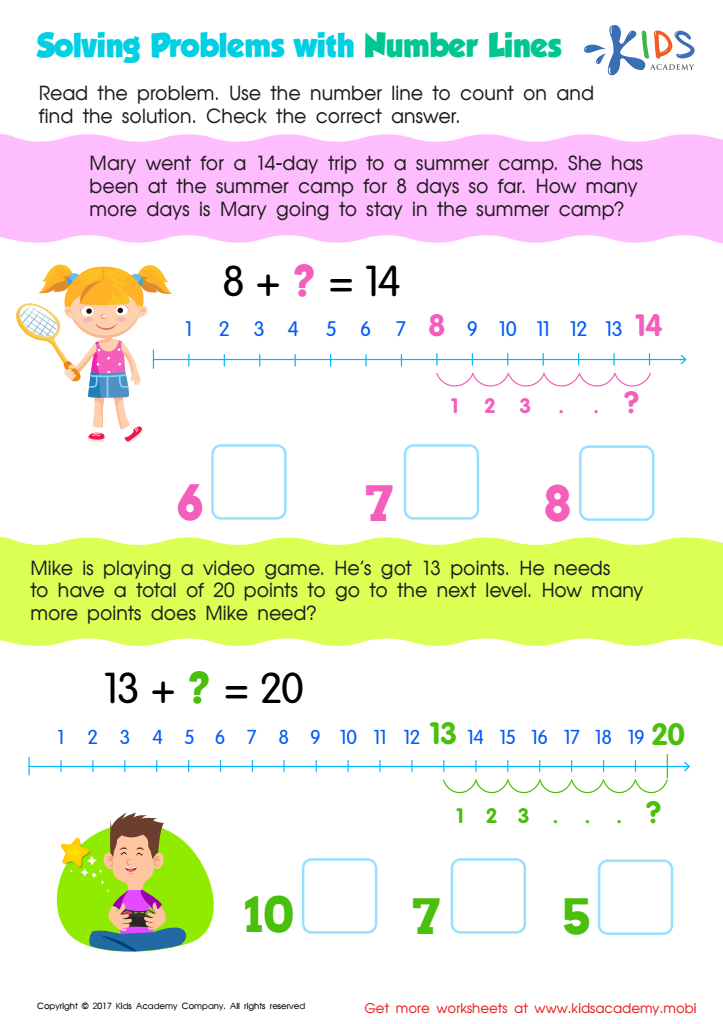
Solving Problems: Number Lines Worksheet
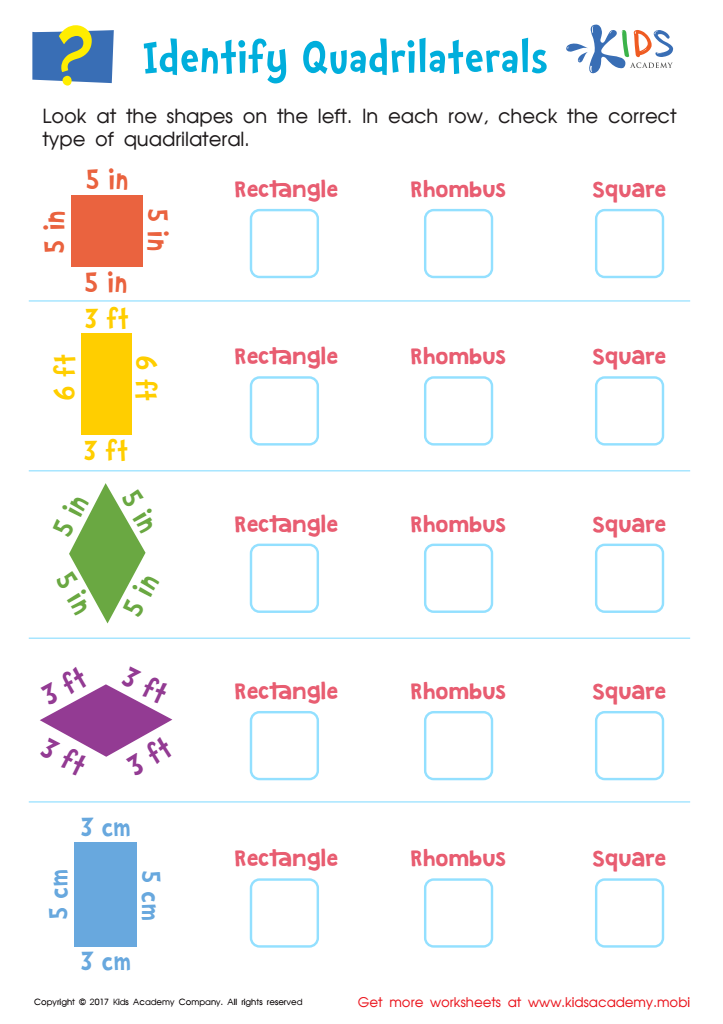
Identify Quadrilaterals Worksheet
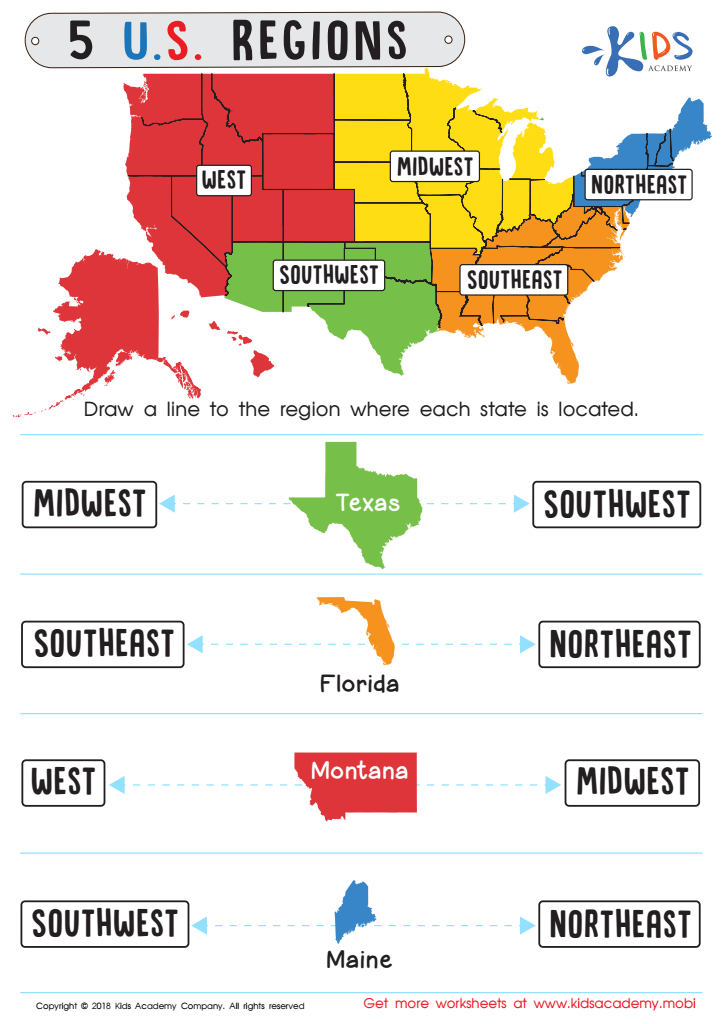
5 U.S. Regions Worksheet

Happy Diwali Printable

Drawing the Bear's Route by Number Worksheet
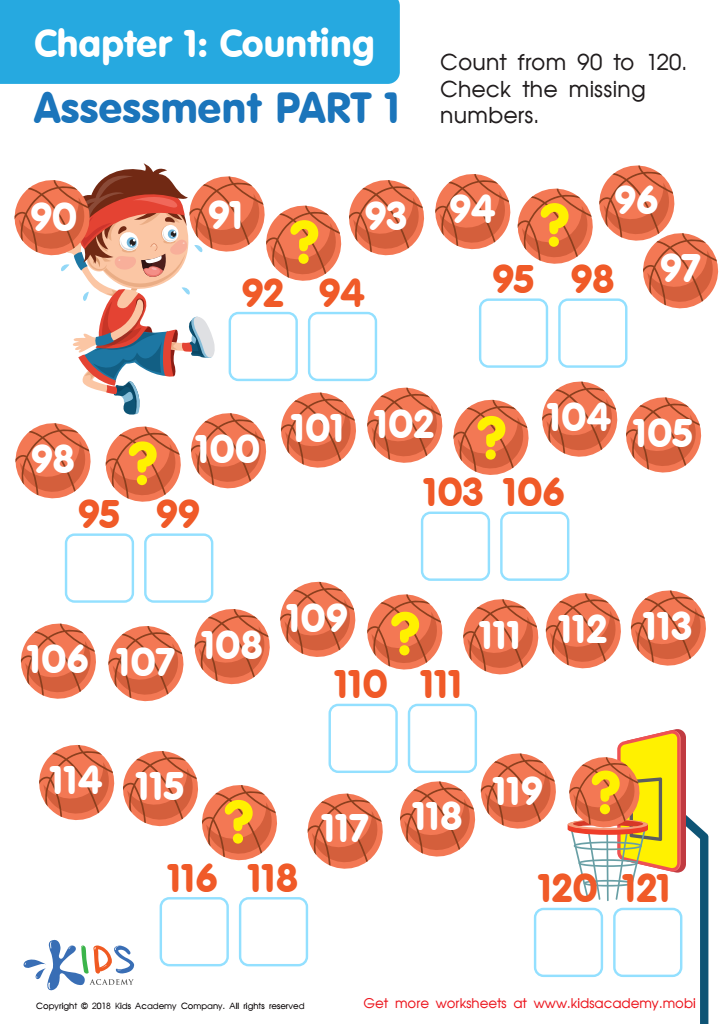
Counting Past 1: Assessment 1 Worksheet


Itsy Bitsy Spider Nursery Rhyme PDF Worksheet

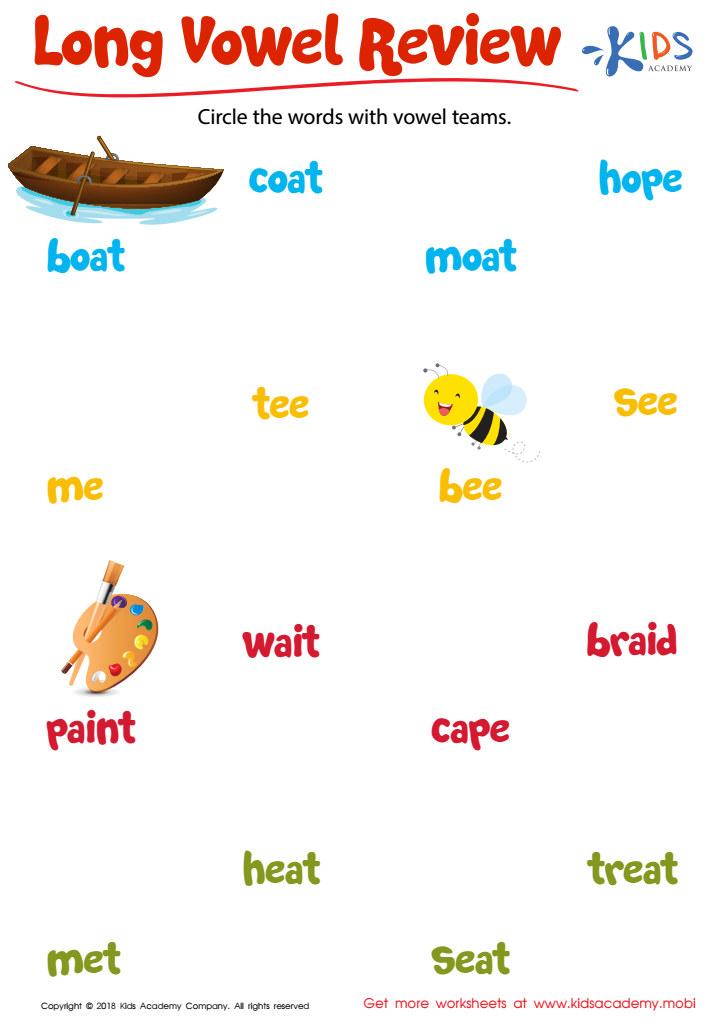
Long Vowel Review Worksheet
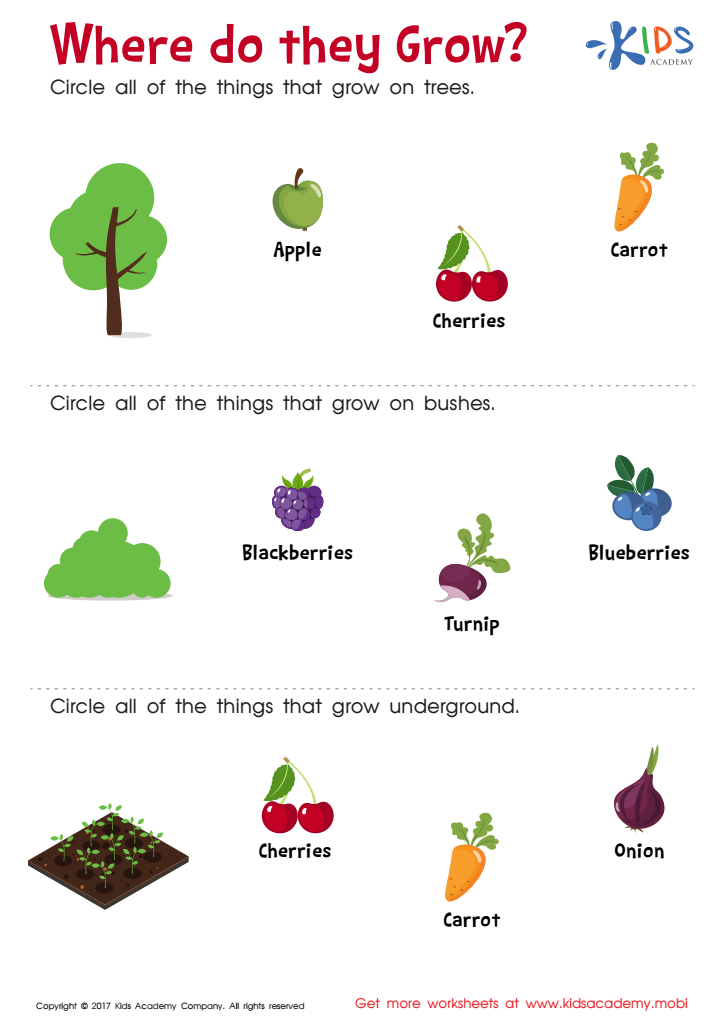
Where Do They Grow Worksheet

Adjective Hunt Printable
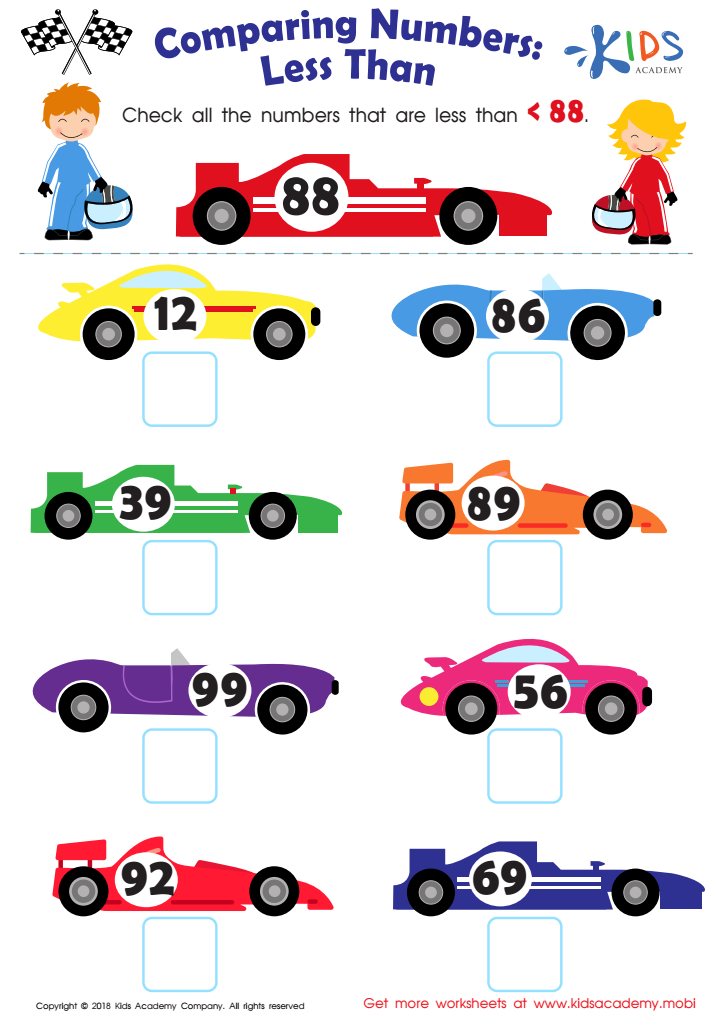
Less Than Worksheet
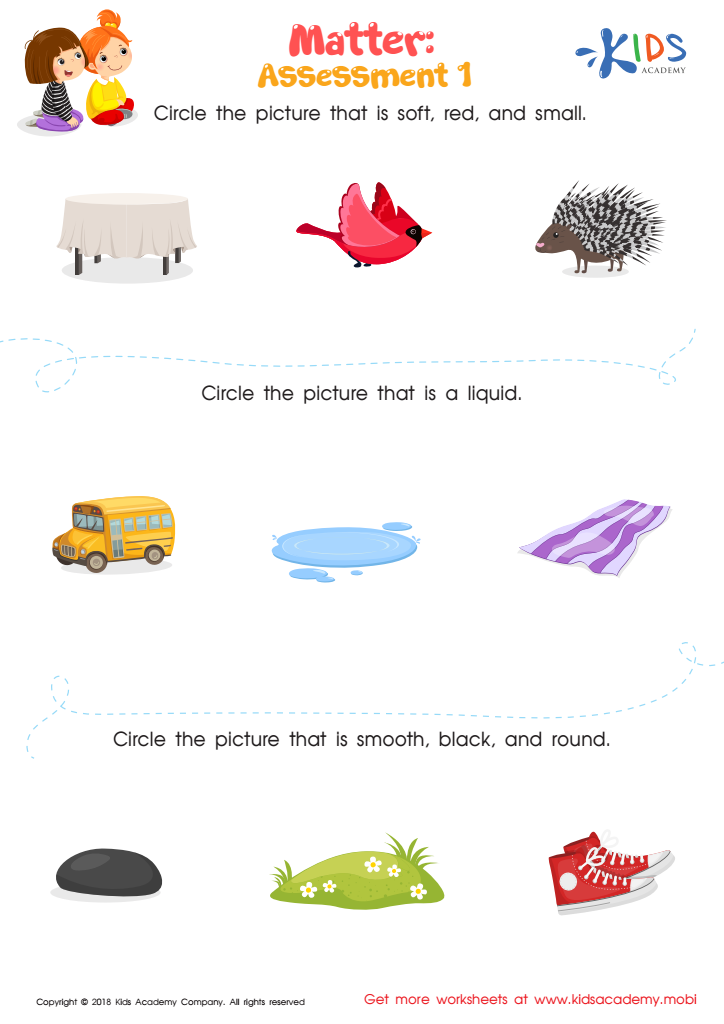
Matter: Assessment 1 Worksheet
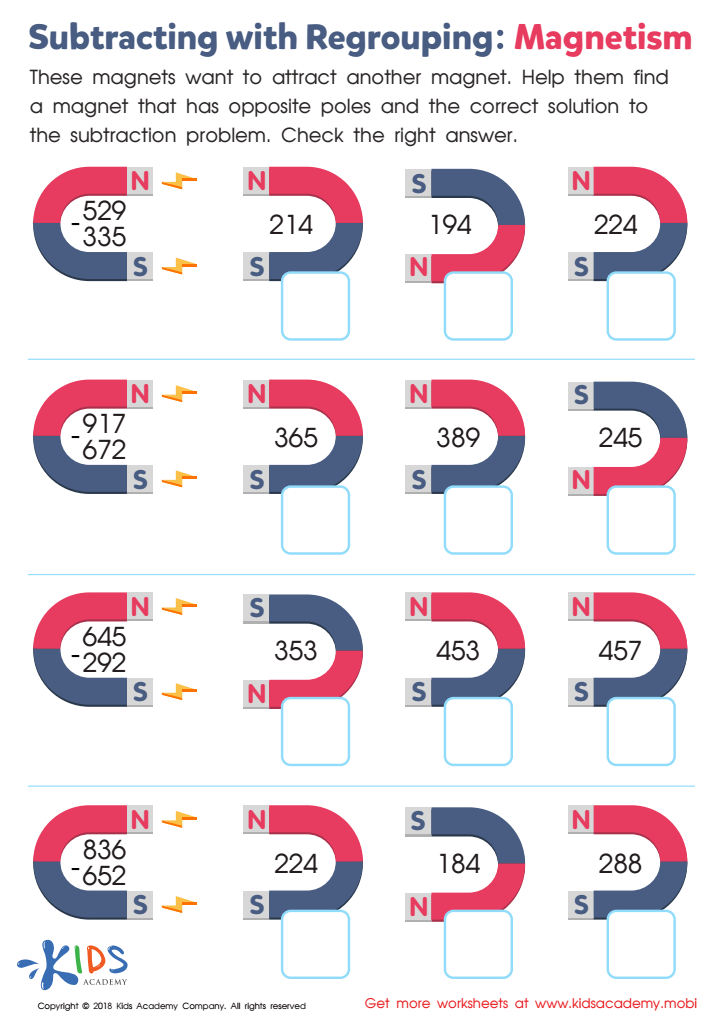
Subtracting with Regrouping: Magnetism Worksheet
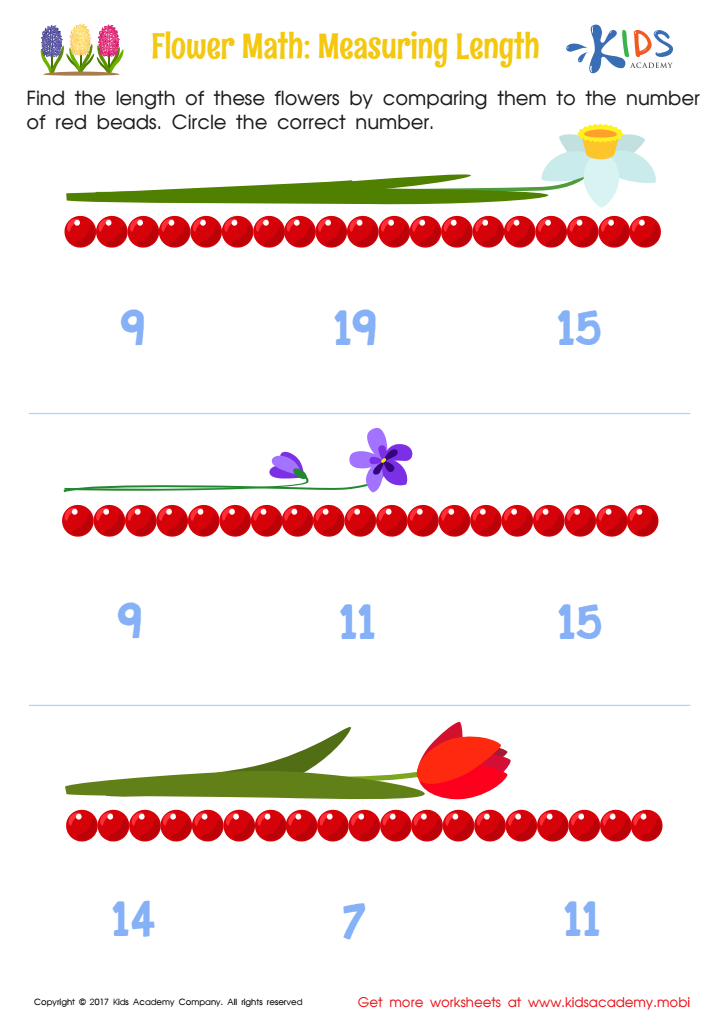
Flower Math: Measuring Height Worksheet

Latitude and Longitude: Map Locations Worksheet
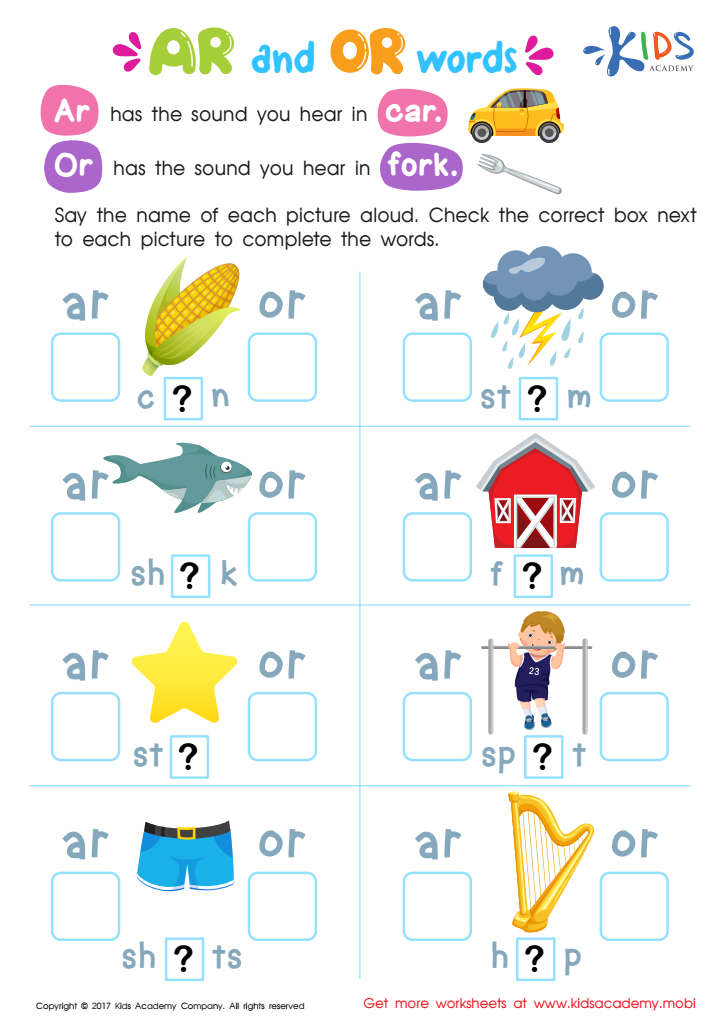
Ar and Or Words Phonics Worksheet

Number Worksheet: Counting With Peapods








Parents and teachers should care about the developmental stage of children aged 6-8 because it is crucial for their social, emotional, and intellectual growth. During these years, children start to build fundamental skills that lay the groundwork for lifelong learning and healthy relationships. They are developing critical thinking abilities and begin to think more independently, which encourages curiosity and exploration.
Additionally, social interactions become more complex as children form friendships outside their family units. Teachers and parents play pivotal roles in guiding them through the nuances of cooperation, empathy, and conflict resolution, which are essential for their emotional intelligence. Furthermore, children in this age range are honing their literacy and numeracy skills, which are fundamental for future academic success. Engaging parents in this process reinforces a culture of learning and support at home.
Teaching practices and parental involvement that focus on encouragement, patience, and constructive feedback are vital during this time. By fostering a positive learning environment and promoting resilience, adults can help kids navigate challenges and setbacks. Ultimately, nurturing children during these formative years equips them with the tools to become confident, capable learners and thoughtful members of society.








