Consonants Worksheets for Ages 6-8 - Page 2
34 filtered results
-
From - To
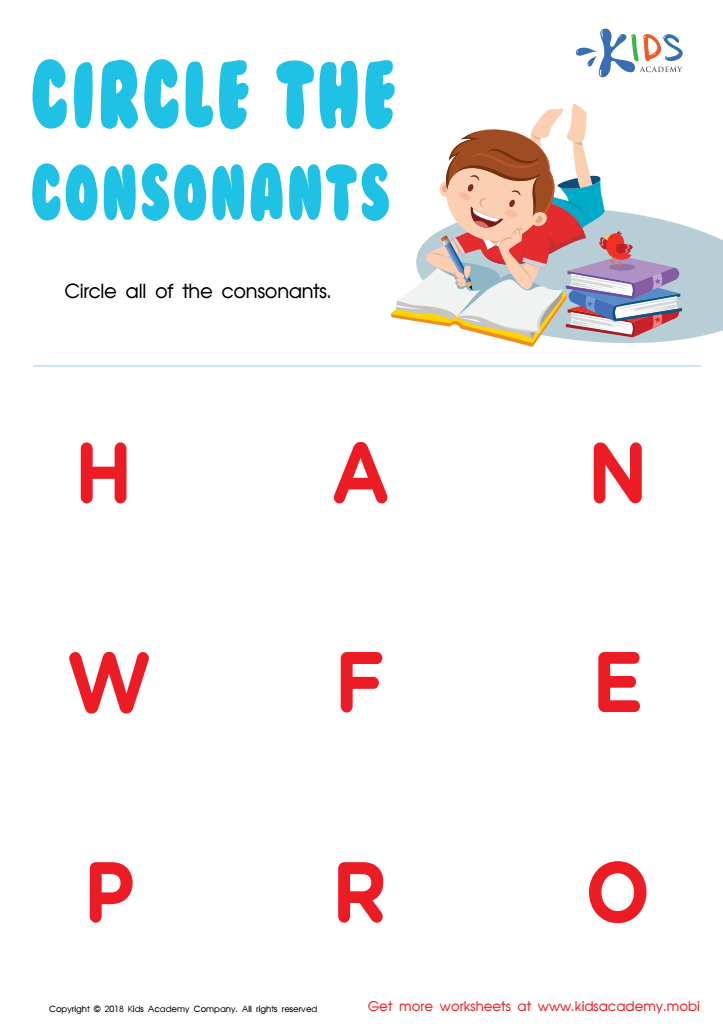
Circle the Consonants Worksheet
 Assign to My Students
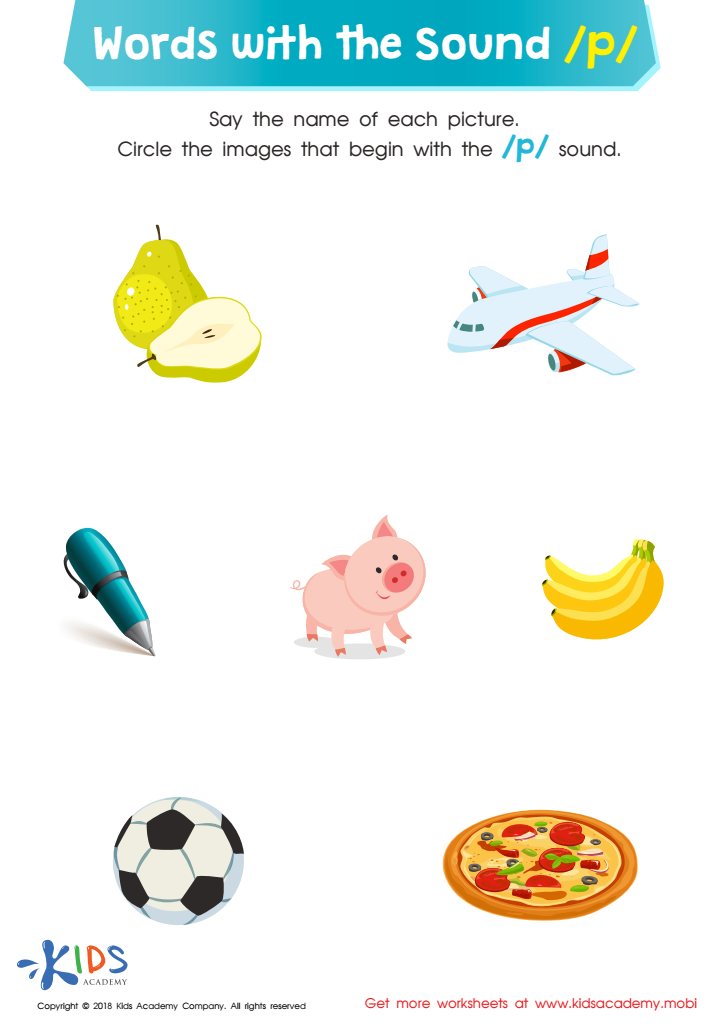
Words with sound p Reading Worksheet
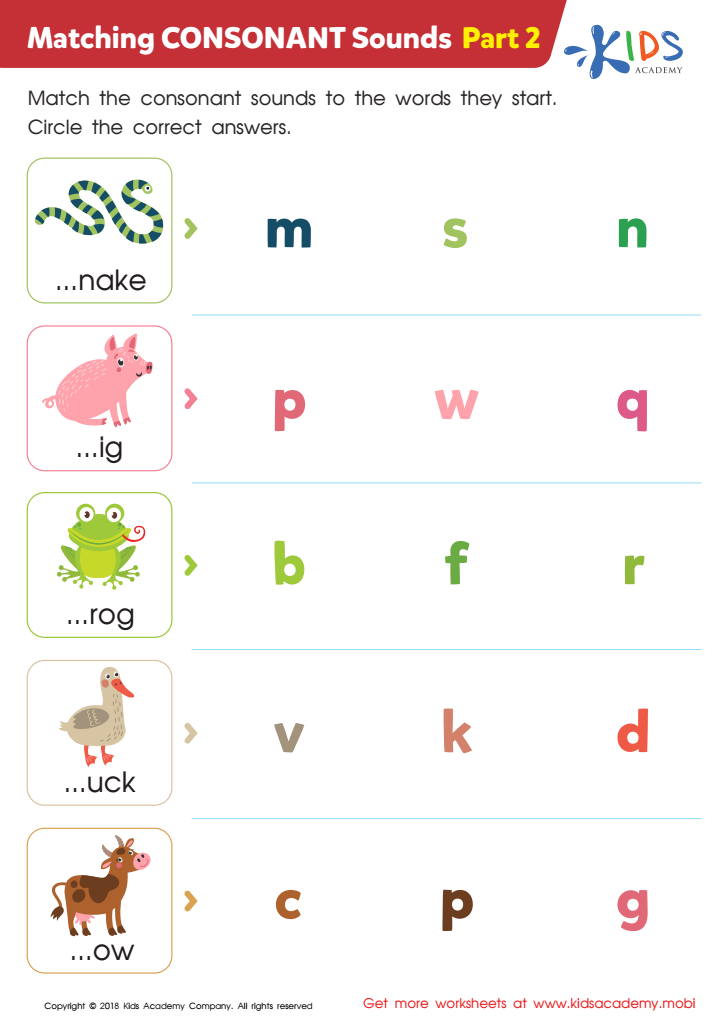
Matching Consonant Sounds: Part 2 Worksheet
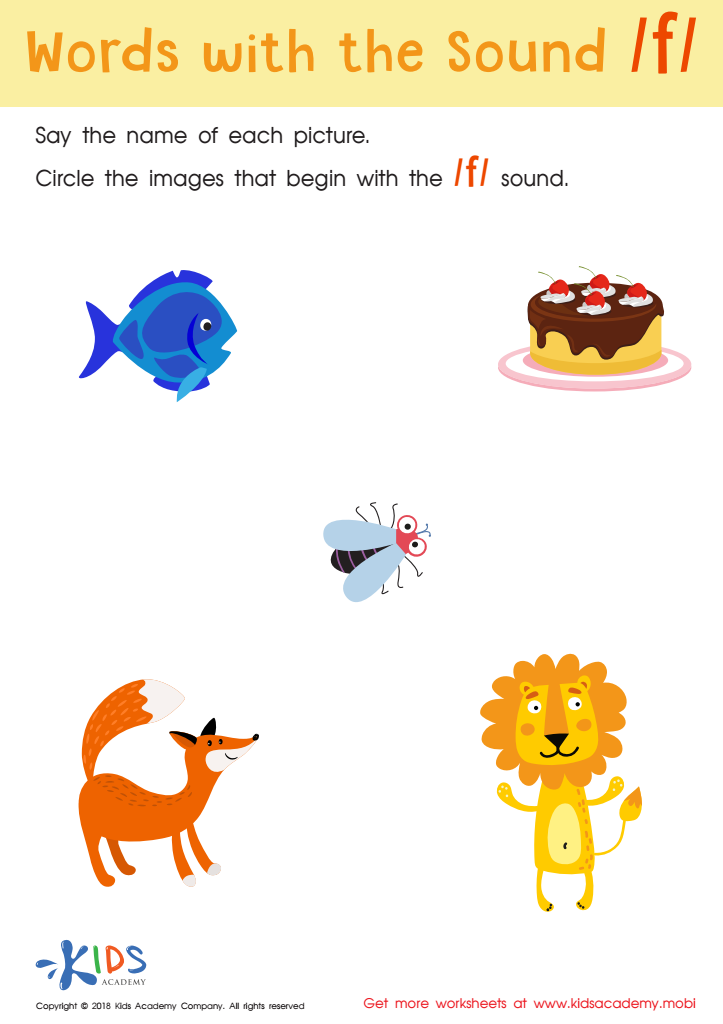
Words with sound f Reading Worksheet
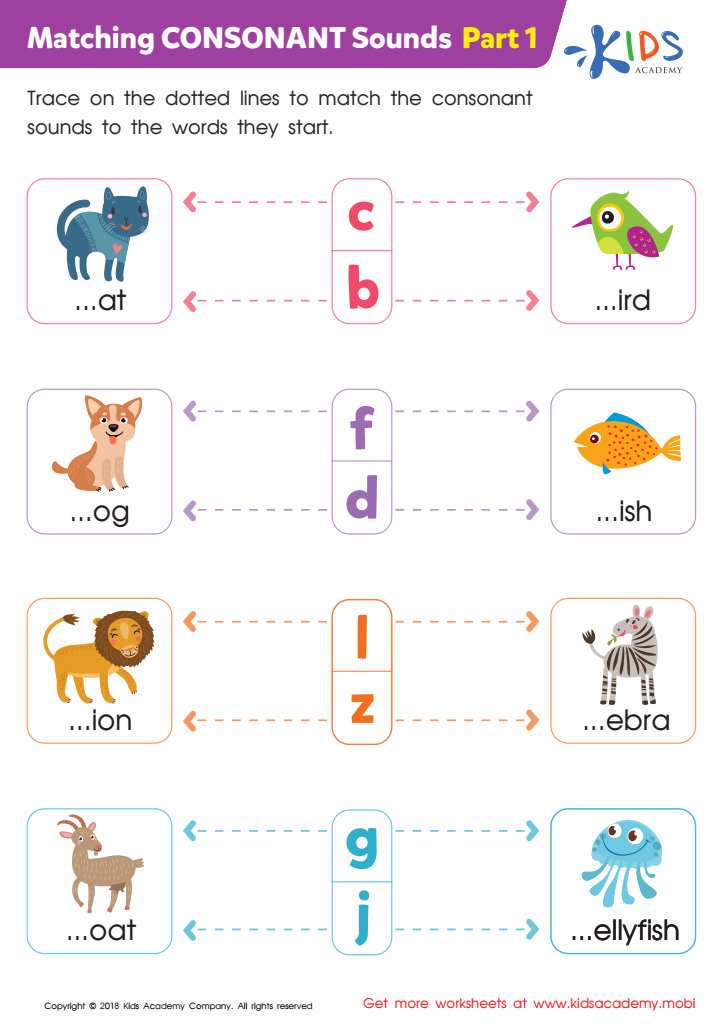
Matching Consonant Sounds: Part 1 Worksheet
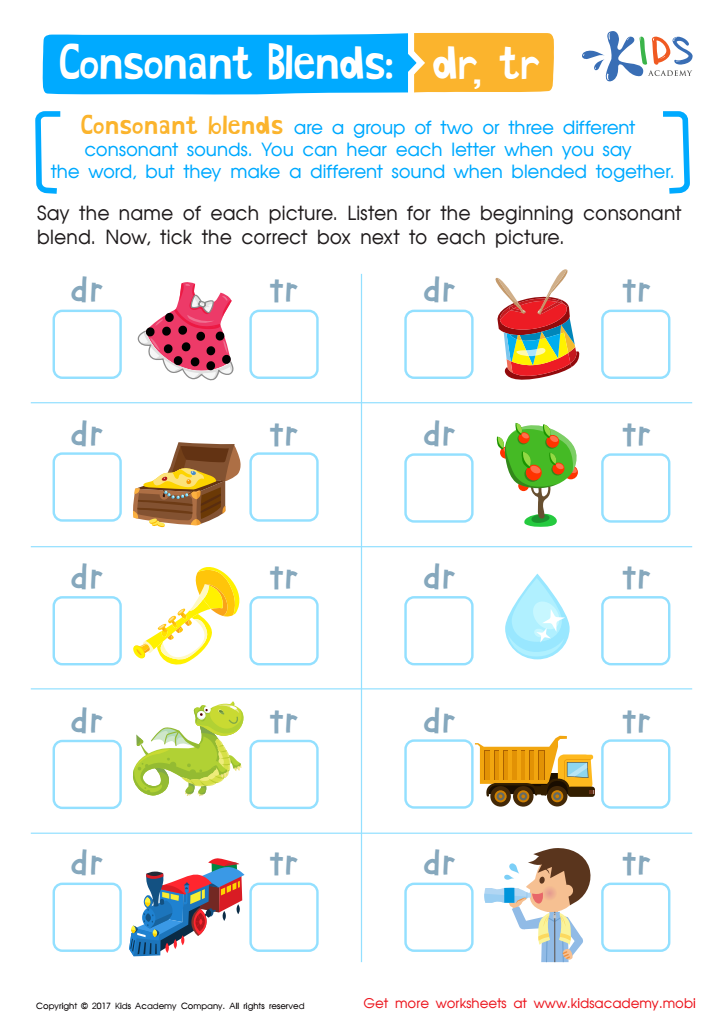
Consonant Blends: "Dr" and "Tr" Printable
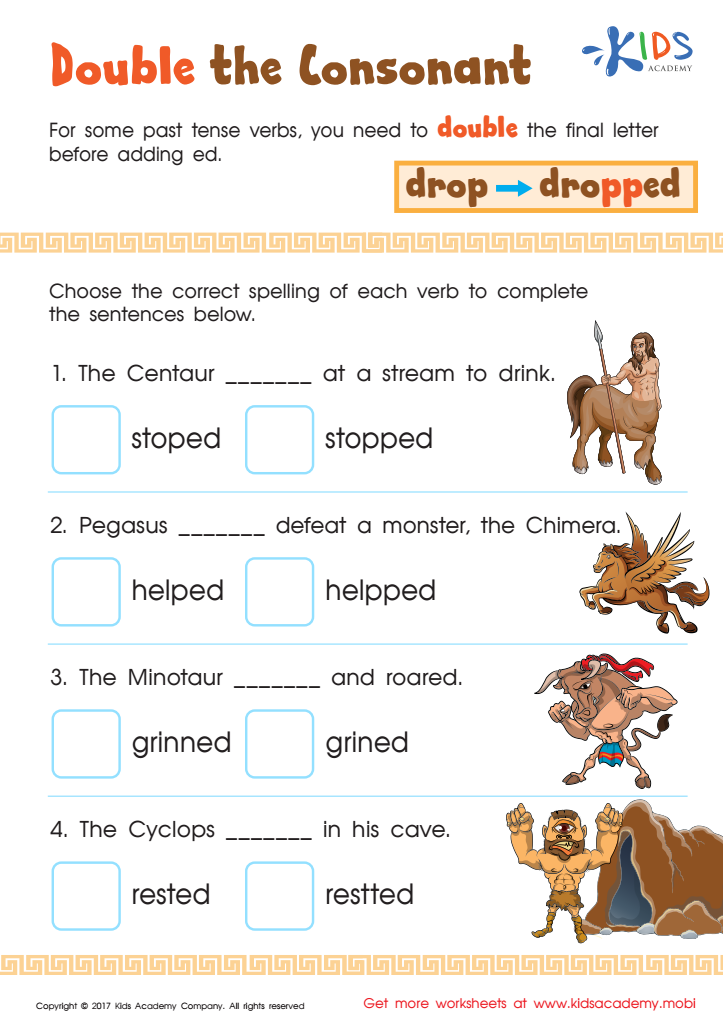
Double Consonant Spelling Worksheet
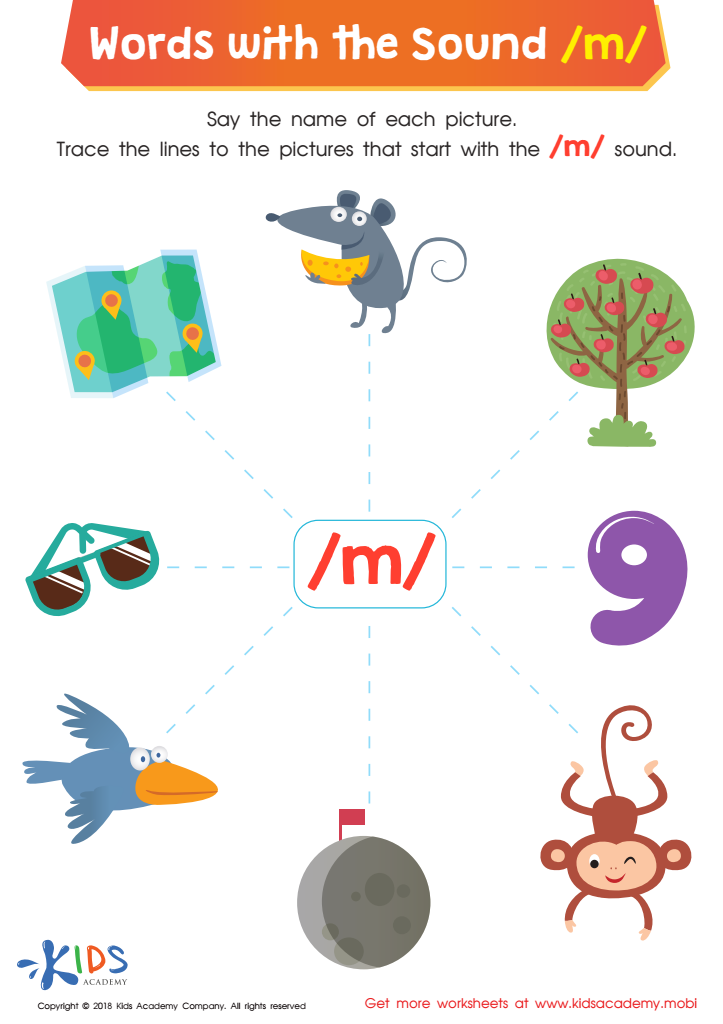
Words with Sound M Reading Worksheet
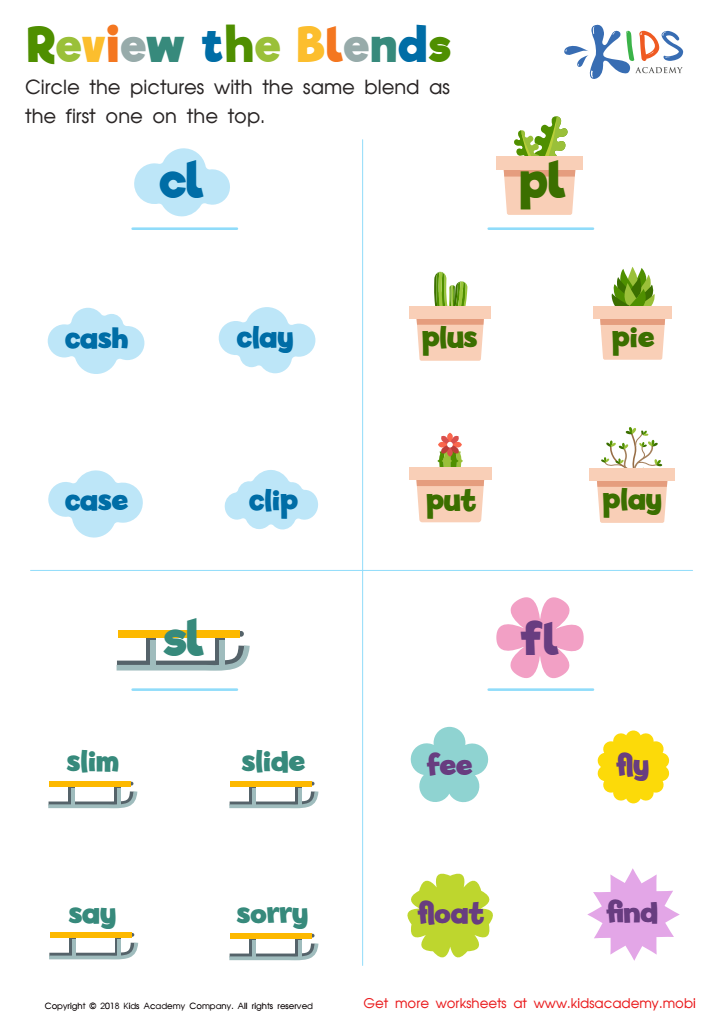
Review the Blends Worksheet
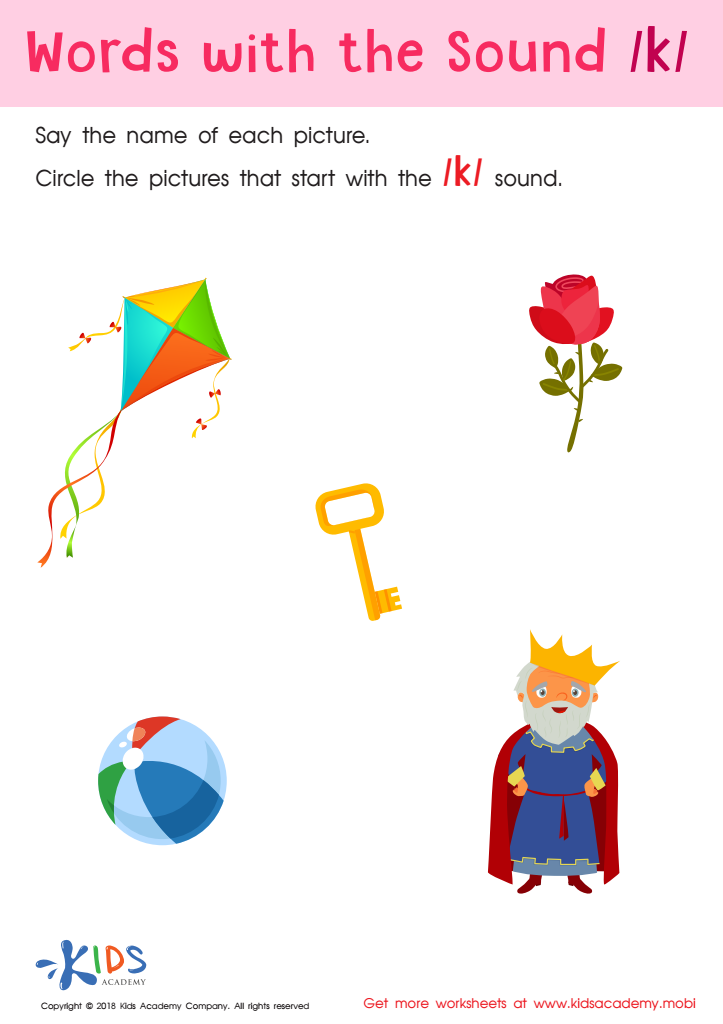
Words with sound k Reading Worksheet



Understanding consonants is crucial for children aged 6-8, as they form the foundation of reading and writing skills. This age group typically transitions from learning to read to reading to learn, and a strong grasp of consonants aids in phonemic awareness, which is essential for decoding words. When children recognize consonants, they can better analyze sounds within words and blend them to form complete words.
Moreover, consonants play a vital role in spelling. Many common spelling patterns hinge on consonant combinations and blends. Providing children with a solid understanding of consonants maximizes their ability to think critically about words and simplifies the learning process as they encounter more complex phonics and vocabulary in higher grades.
Additionally, research shows that early literacy experiences directly correlate with later academic success. By fostering a strong phonetic foundation through consonant recognition, parents and teachers can support children's confidence and motivation in academic pursuits. Engaging activities focused on consonants, like games or interactive activities, can make learning enjoyable and impactful. Ultimately, a robust understanding of consonants is fundamental to children's literacy journey, empowering them for future academic achievements.







