Tracing Letters Worksheets for Ages 6-8 - Page 3
56 filtered results
-
From - To
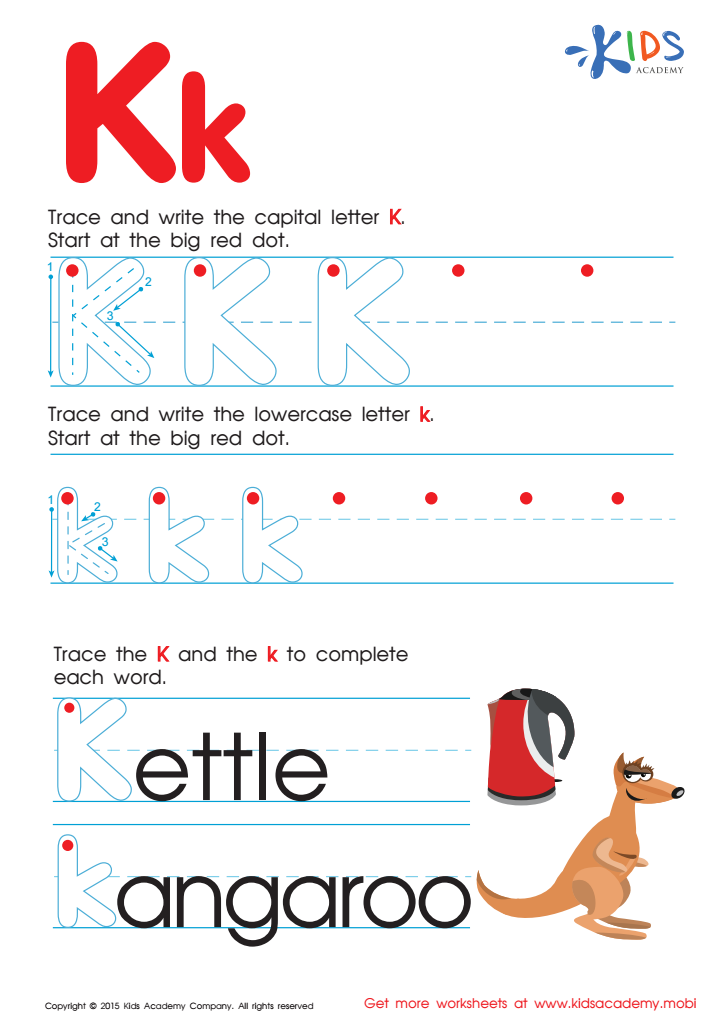
Letter K Tracing Page
 Assign to My Students
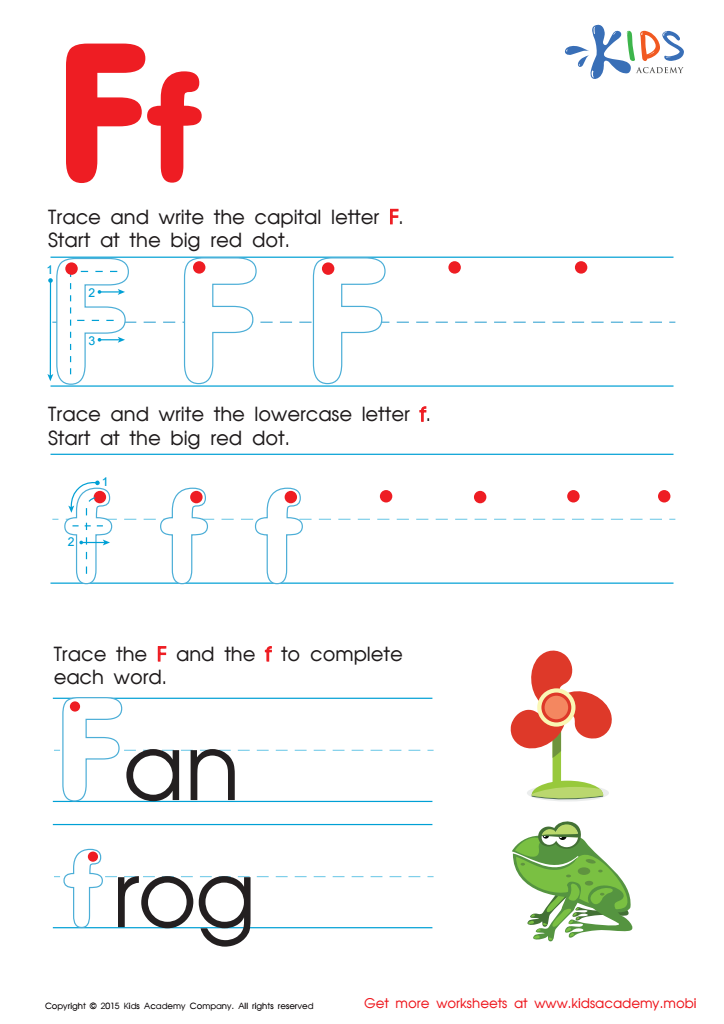
Letter F Tracing Page

Uppercase Letters Y Z Worksheet
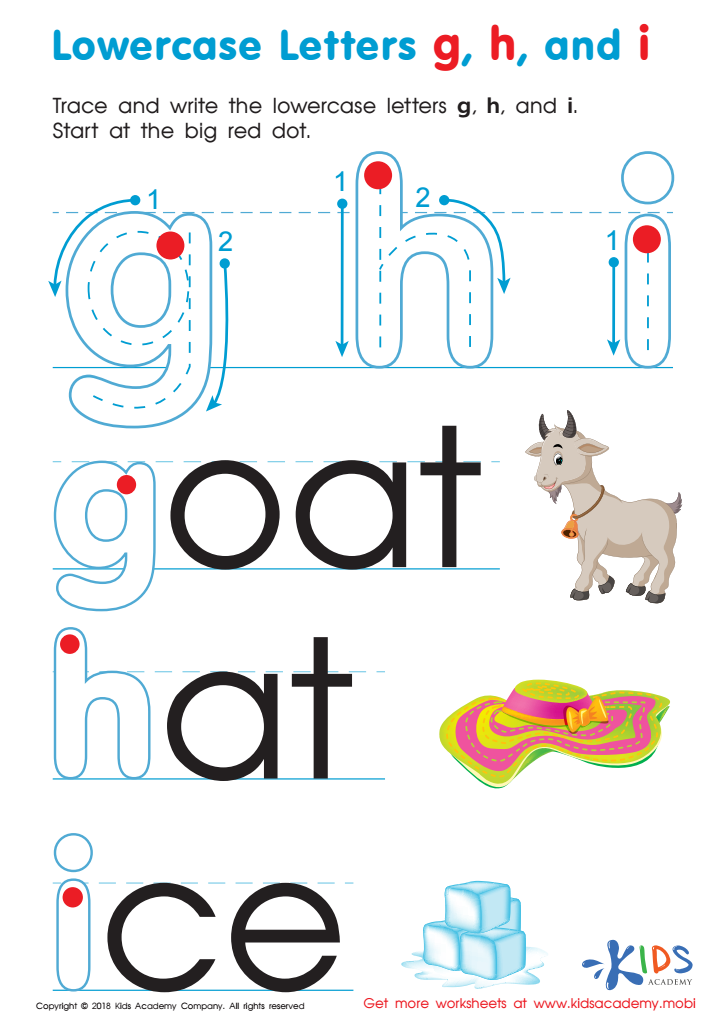
Lowercase Letters g h i Worksheet
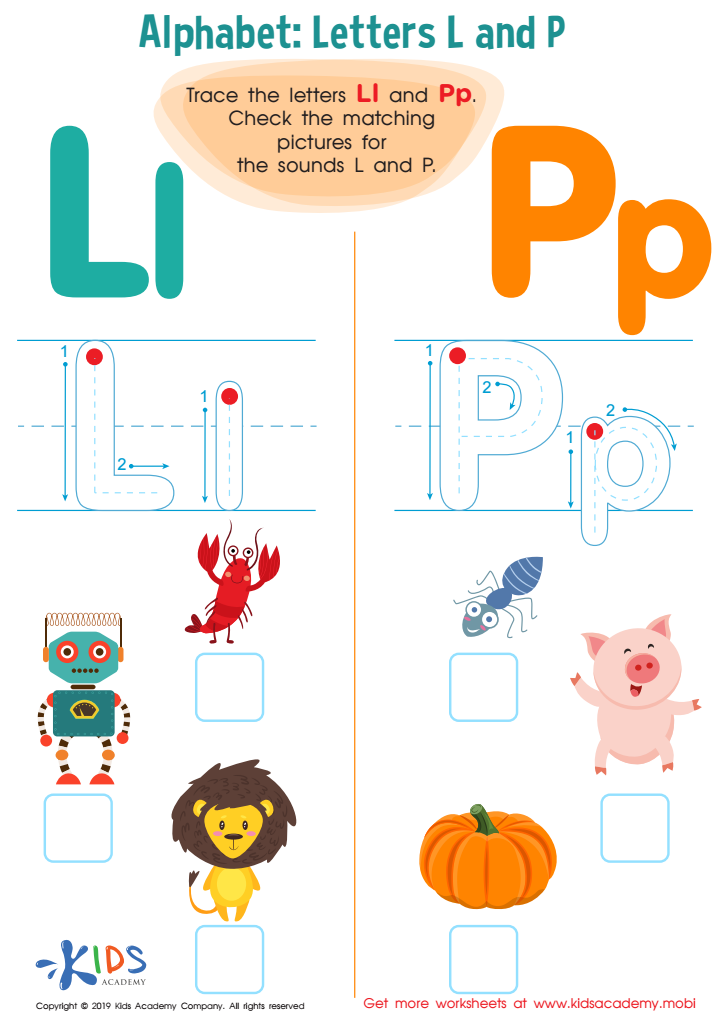
Letter L and P Tracing Worksheet
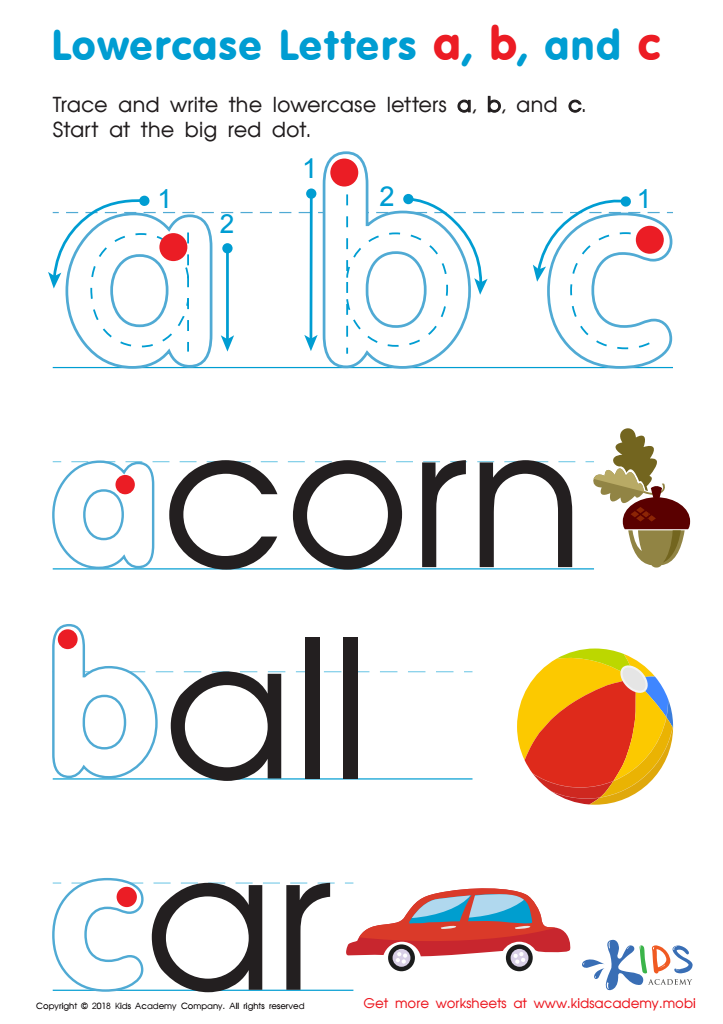
Lowercase Letters a b c Worksheet
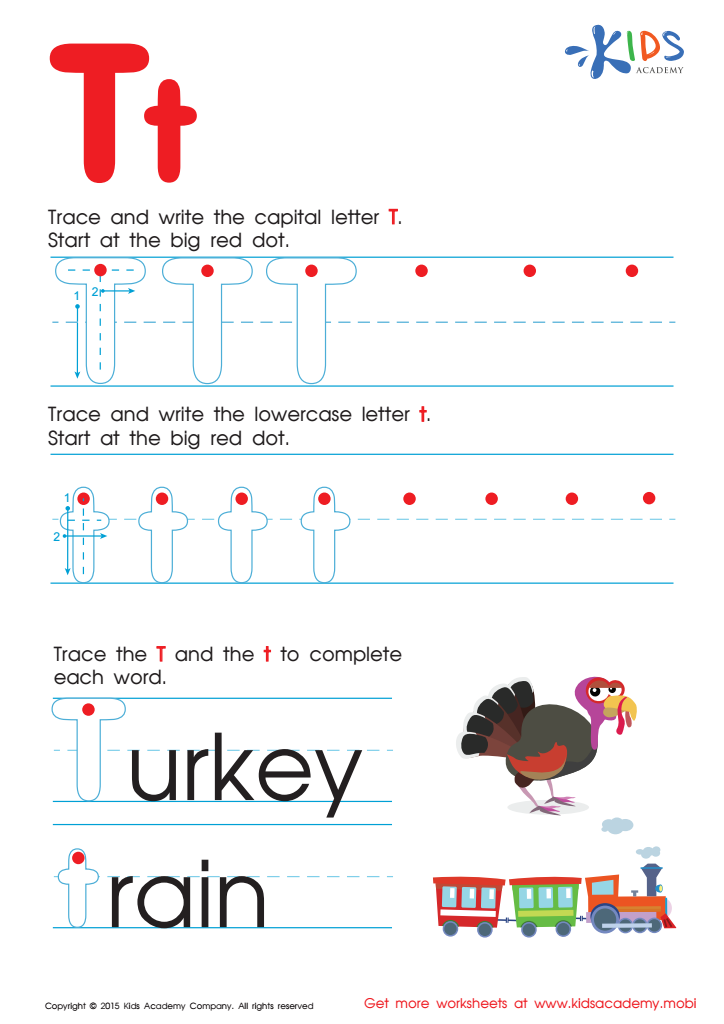
Letter T Tracing Page
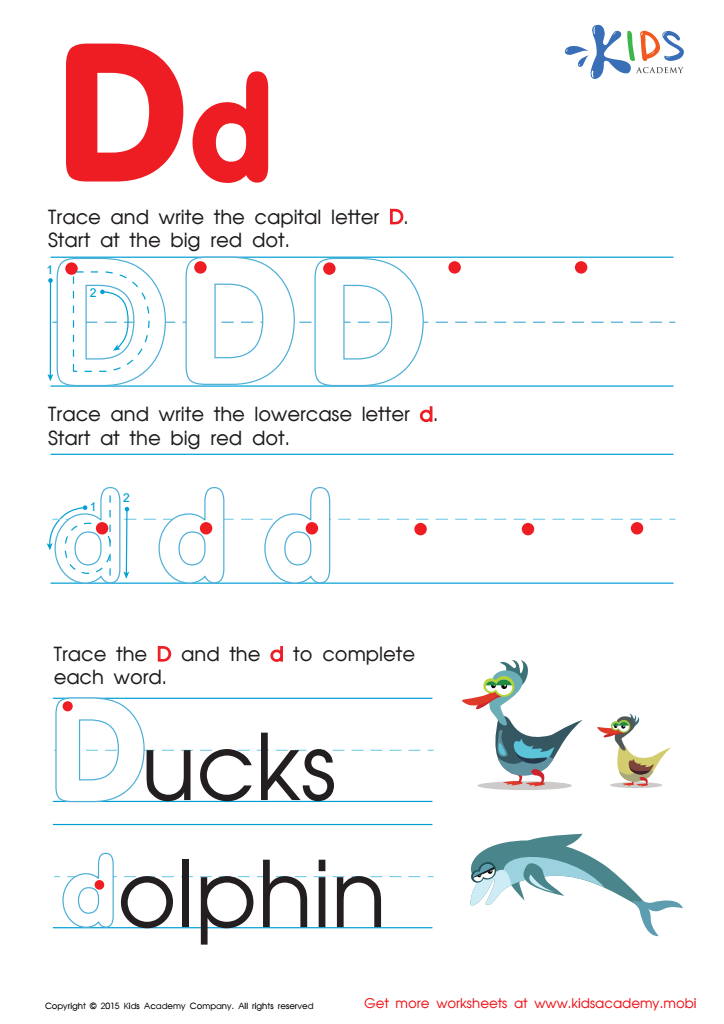
Letter D Tracing Page








Teachers and parents should care about tracing letters for children aged 6 to 8 for several essential reasons. First, tracing helps to develop fine motor skills, which are crucial for young learners as they navigate daily tasks. By gripping pencils correctly and engaging in repeated movements, children strengthen the muscles in their hands, enhancing coordination and dexterity.
Moreover, tracing letters supports the foundational aspects of literacy. It aids in letter recognition and promotes an understanding of letter formation. Early mastery of these skills can lead to greater confidence in writing, reading, and overall academic performance. Additionally, this activity fosters cognitive development, as children learn to connect sounds with letters, paving the way for improved phonological awareness.
Engaging in tracing activities can also be a fun and motivating experience, allowing for creativity through the use of various art materials or themed worksheets. When children enjoy the learning process, they become more eager to engage with written language. Lastly, parental and teacher involvement during tracing practice can foster positive relationships and communication, reinforcing the importance of early literacy development. Ultimately, encouraging tracing letters sets the stage for academic success in reading and writing.








