Geography Worksheets for Ages 6-8 - Page 3
56 filtered results
-
From - To
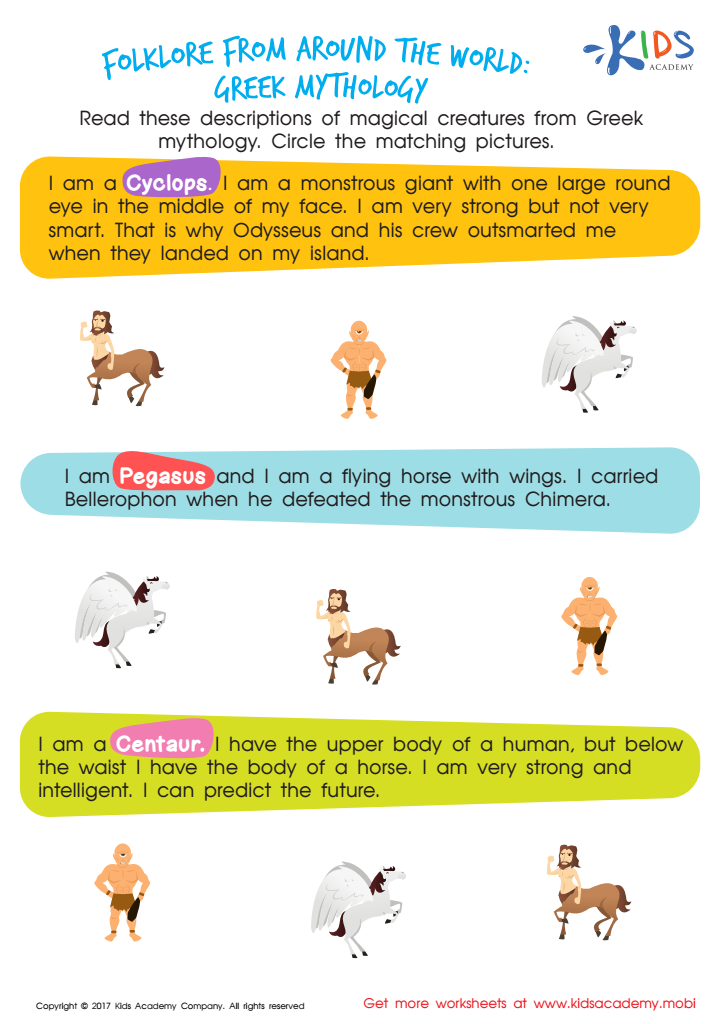
Greek Mythology Worksheet
 Assign to My Students
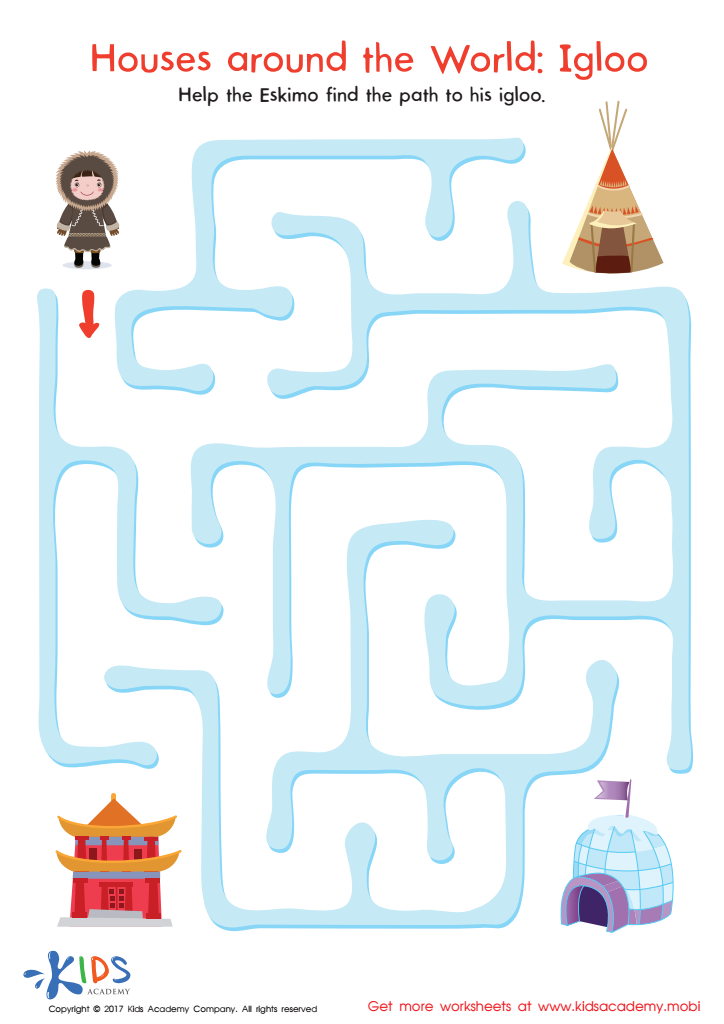
Houses Around the World: Igloo Printable
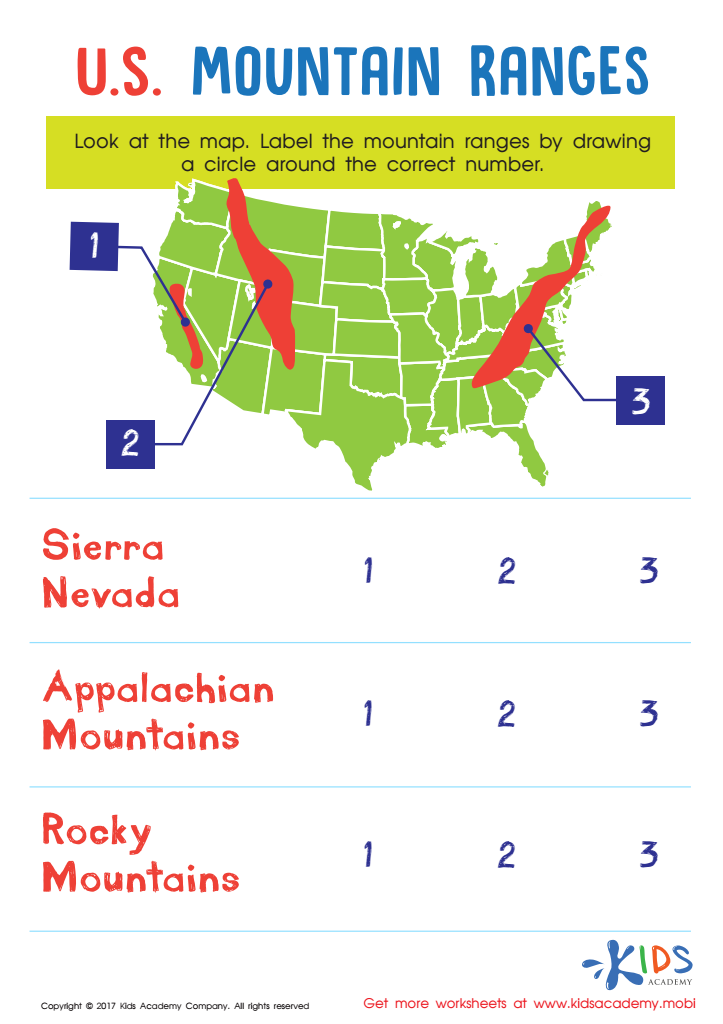
US Mountain Ranges Worksheet
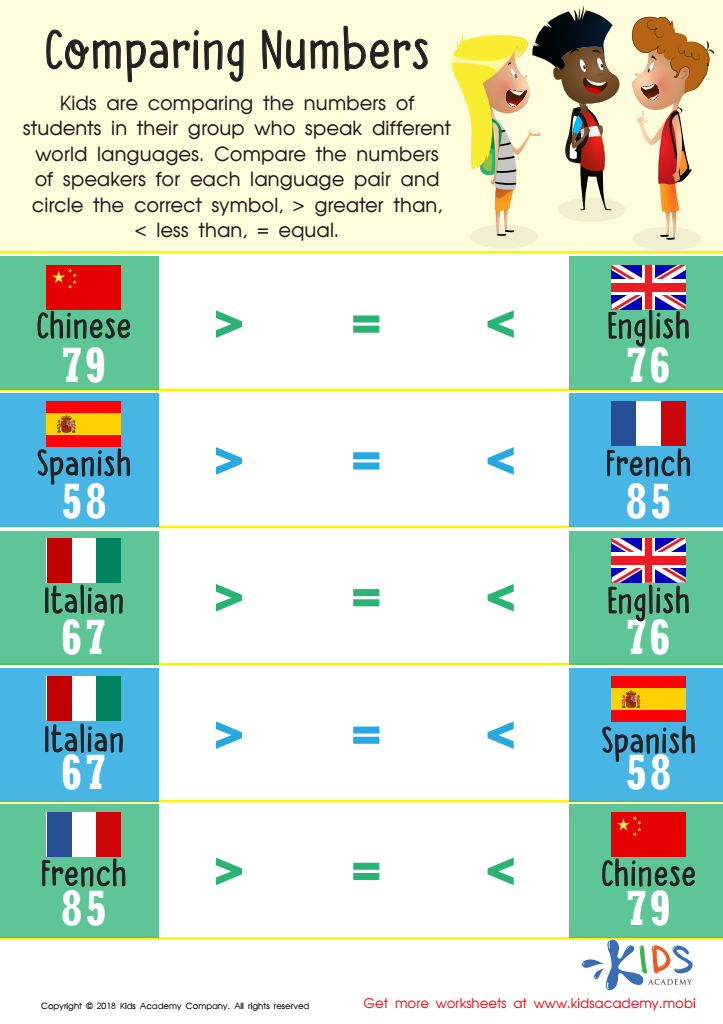
Comparing Numbers Worksheet for 1st Grade
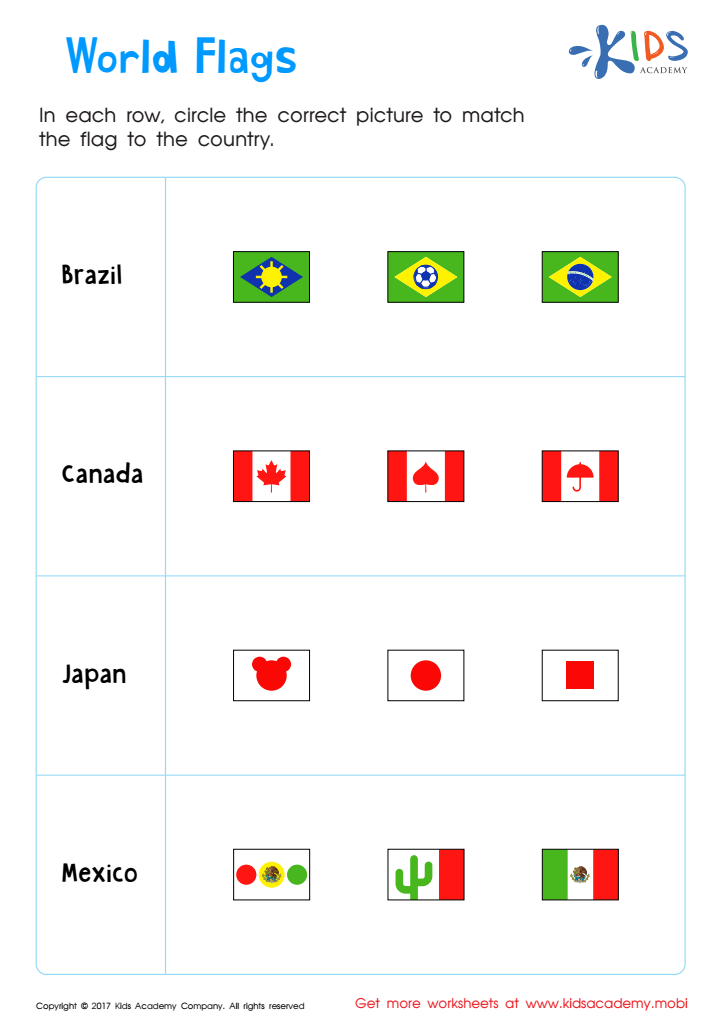
World Flags Printable
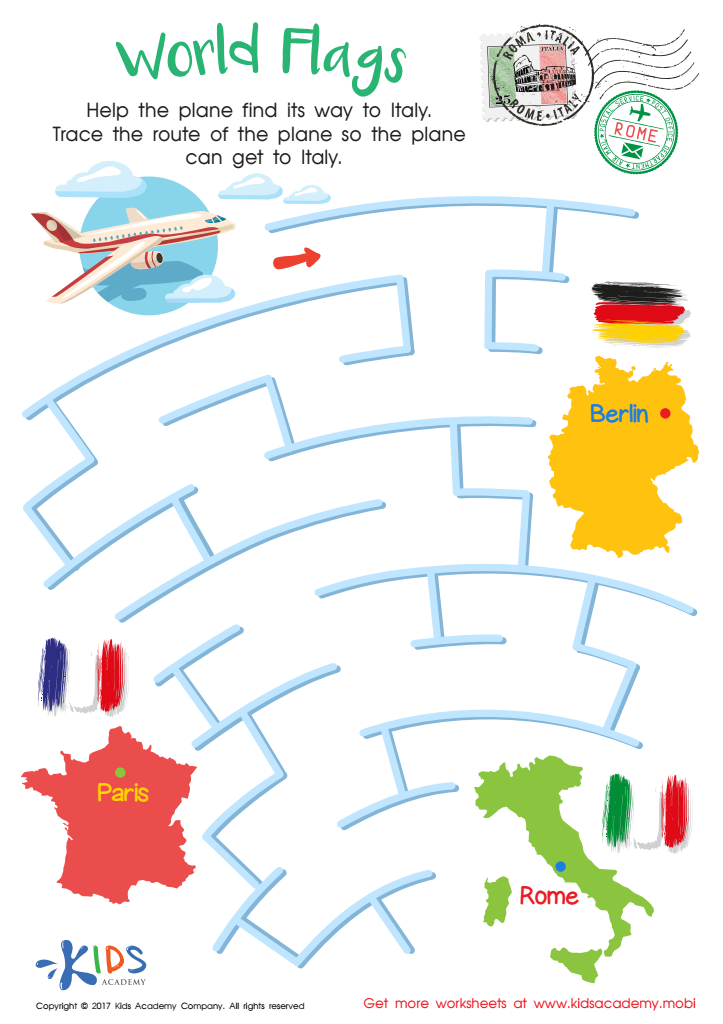
World Flags Maze Worksheet
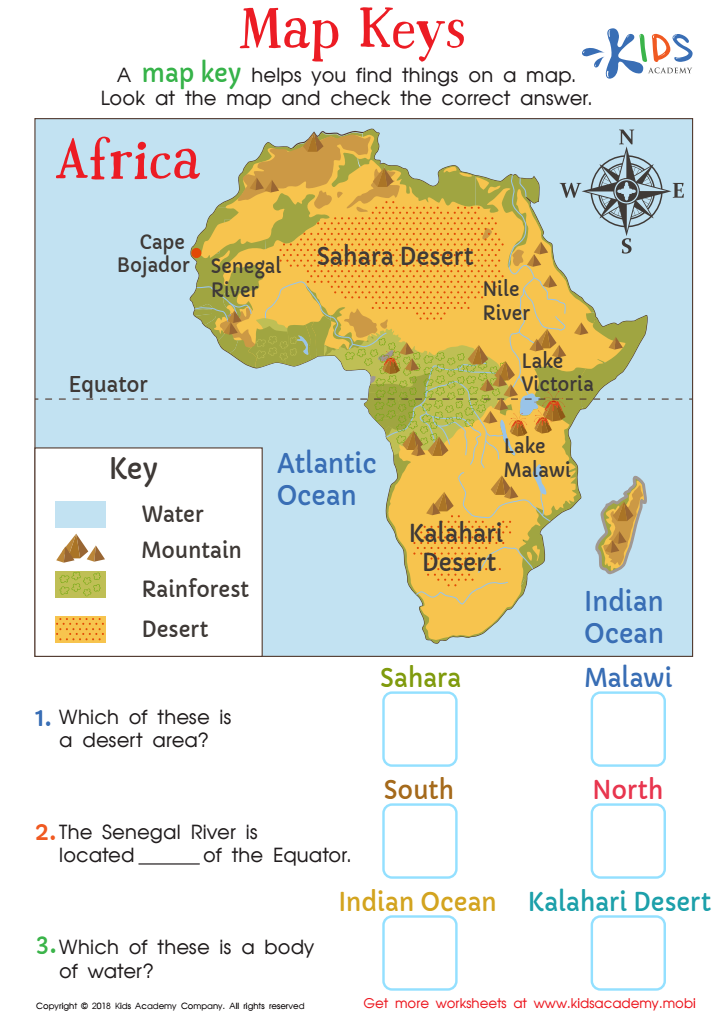
Map Keys Worksheet
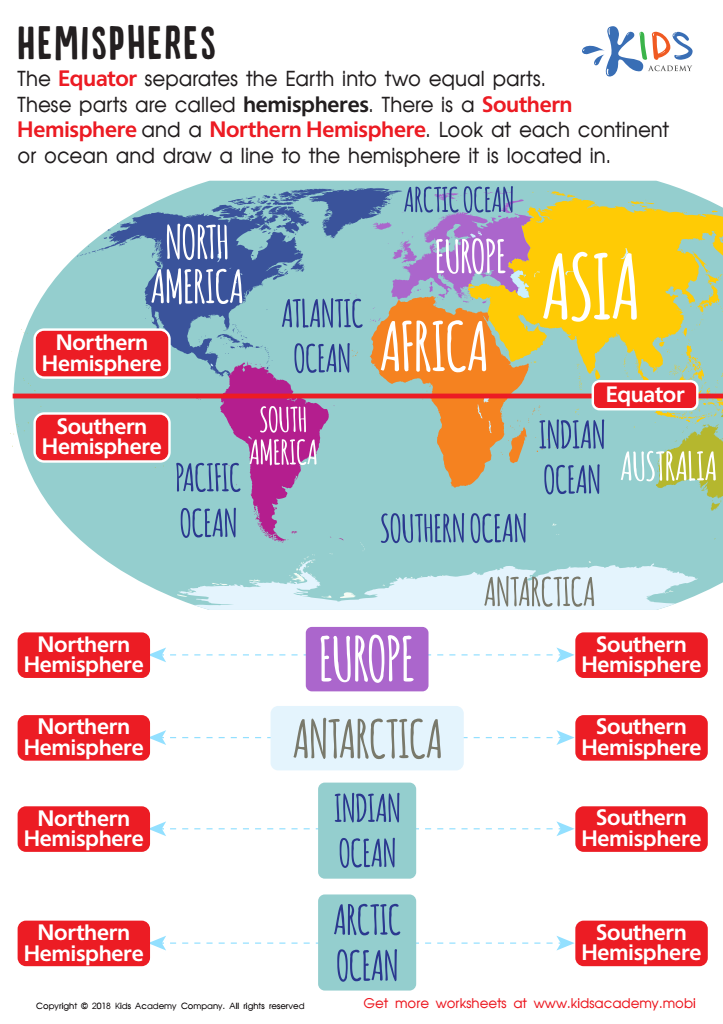
Hemispheres Worksheet



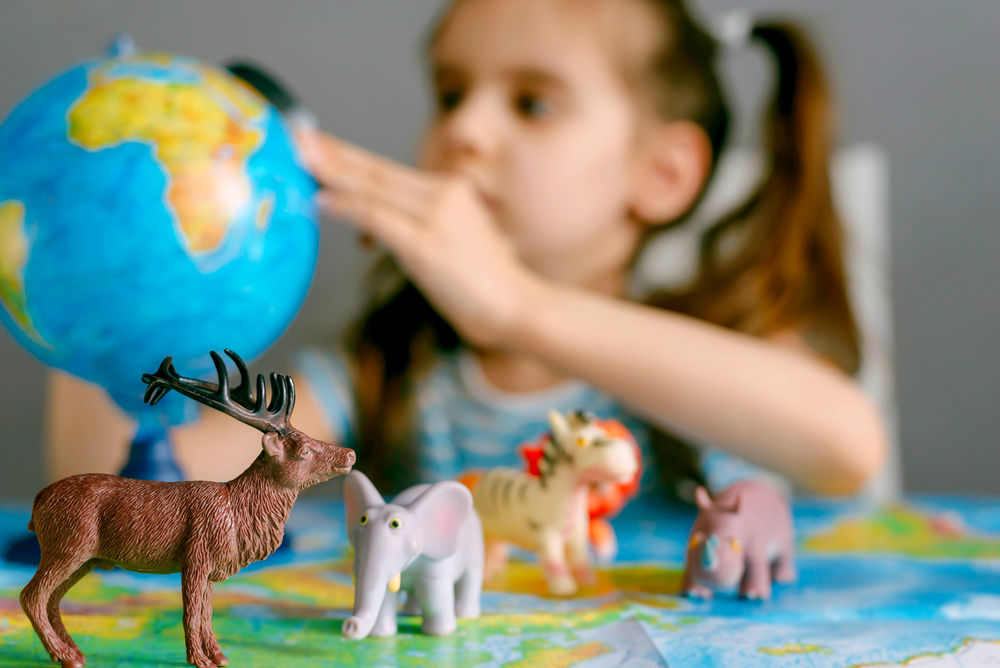



Understanding geography is essential for young children aged 6-8 for several key reasons. First, it nurtures curiosity about the world, fostering a sense of wonder and a thirst for knowledge. Geography is more than just memorizing maps; it involves understanding relationships between places and how people interact with their environments, which can stimulate critical thinking and problem-solving skills.
Moreover, learning geography helps children develop a stronger sense of spatial awareness and direction, abilities that are not only crucial for navigation but also for understanding larger concepts in science and history. It also lays a foundation for global awareness and cultural literacy, promoting empathy by exposing children to diverse cultures, lifestyles, and perspectives.
By integrating geography into early education, parents and teachers can help children draw connections between their personal experiences and the broader world around them, making learning more relevant and engaging. Children's books, interactive maps, and hands-on activities are excellent tools to make geography fun and accessible at this age.
In sum, prioritizing geography in the early grades establishes a framework for lifelong learning, fosters a well-rounded worldview, and equips children with practical skills that will benefit them in multiple facets of their lives.