Long Vowels Worksheets for Ages 6-9 - Page 2
29 filtered results
-
From - To
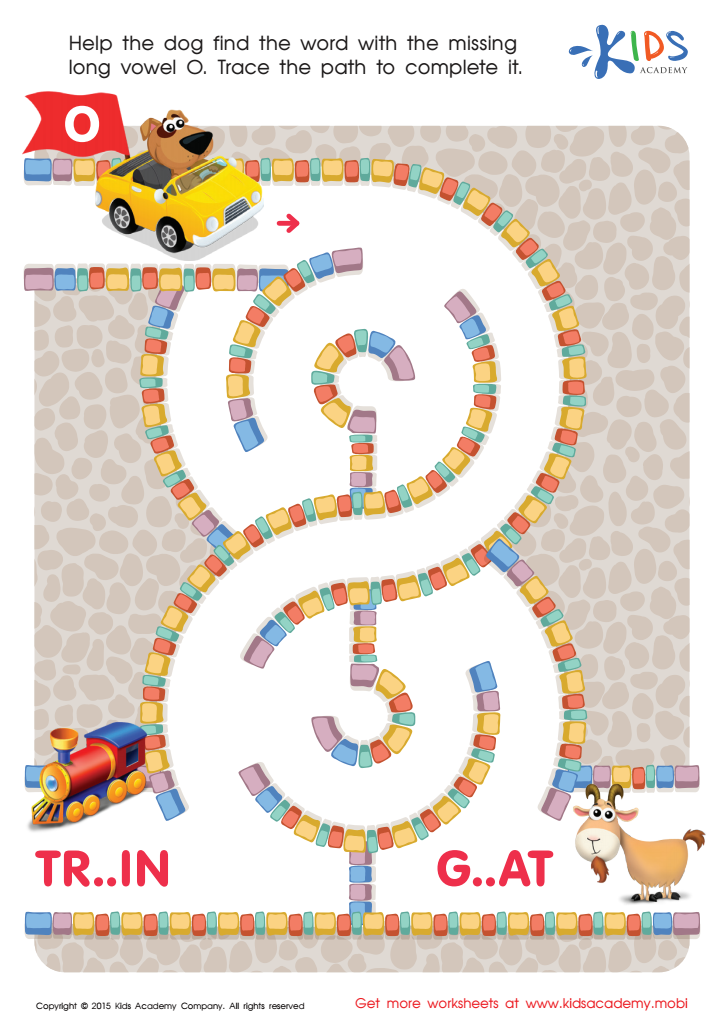
Long Vowel Sound O Worksheet
 Assign to My Students
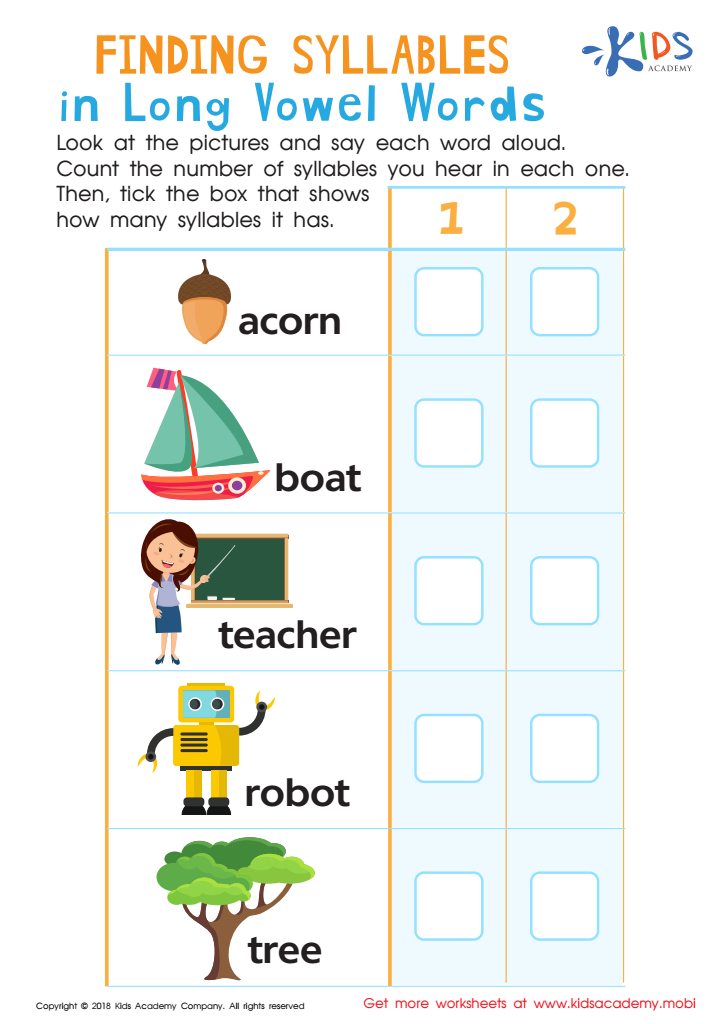
Finding Syllables in Long Vowel Words Worksheet
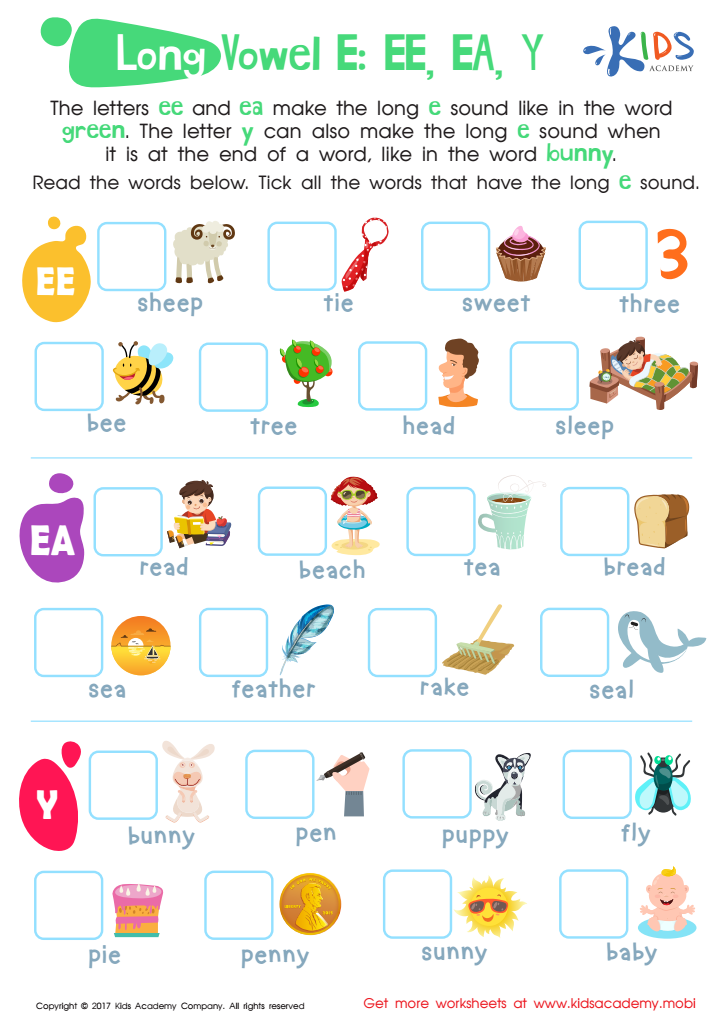
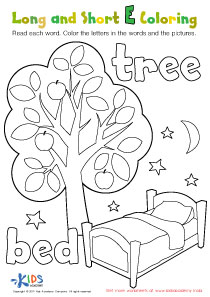
Long Vowel E Printable
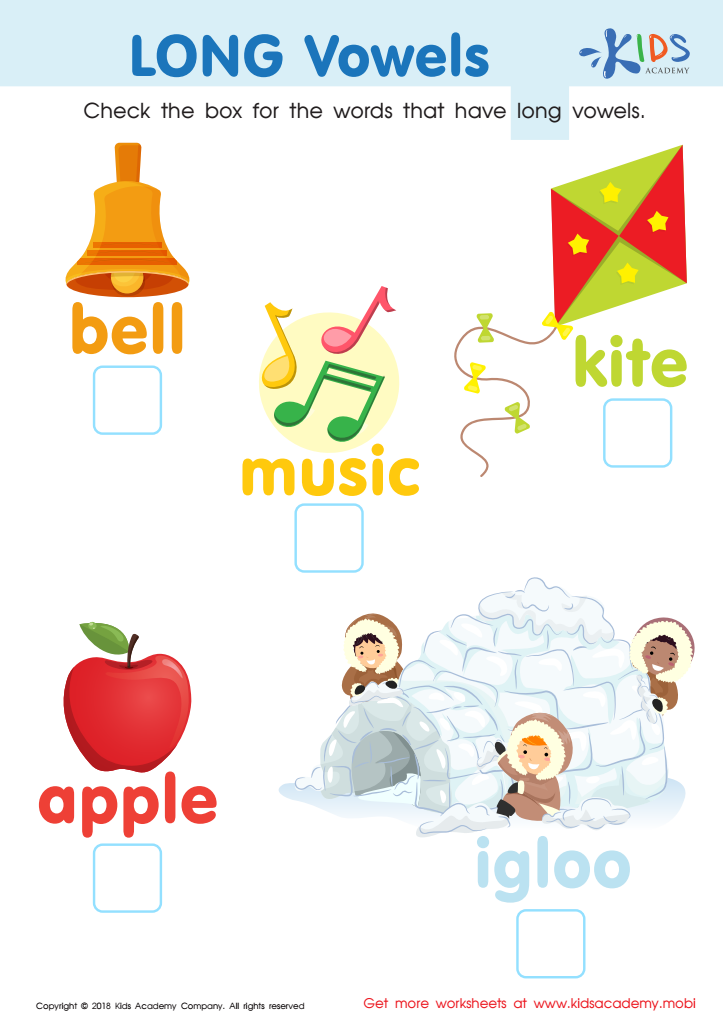
long vowels Worksheet
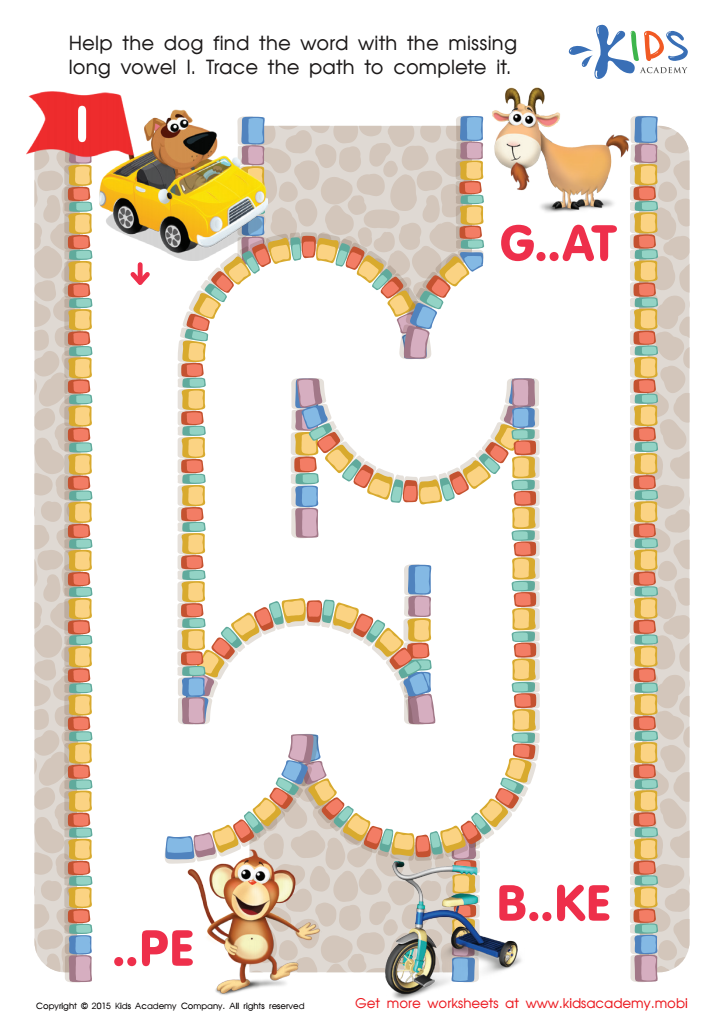
Long Vowel Sound I Worksheet



Understanding long vowels is critical for young readers and can greatly influence their literacy development between the ages of 6-9. This period typically includes first, second, and third grade, crucial years for developing fundamental reading skills. Long vowels are vowels that say their name, like the 'a' in 'cake' or the 'i' in 'ice.' Grasping this concept helps children decode and spell many words accurately, thus fostering their decoding and phonemic awareness skills.
Moreover, the ability to differentiate between short and long vowels improves reading fluency and comprehension. Words like 'pin' (short vowel) and 'pine' (long vowel) have different meanings, and mixing them up can lead to misunderstandings. When children can correctly interpret these differences, they are better equipped for reading more complex texts and understanding them fully.
Teaching long vowels also enhances spelling proficiency. Many English words follow regular patterns, and knowing these can guide children in making the right vowel choices when they write. This foundation in phonics not only boosts their reading and writing skills but also builds their confidence, making them more eager and successful learners. Hence, a strong focus on long vowels is an investment in a child's educational journey, providing tools they need for advanced literacy.