Phonics Worksheets for Ages 6-9 - Page 9
198 filtered results
-
From - To
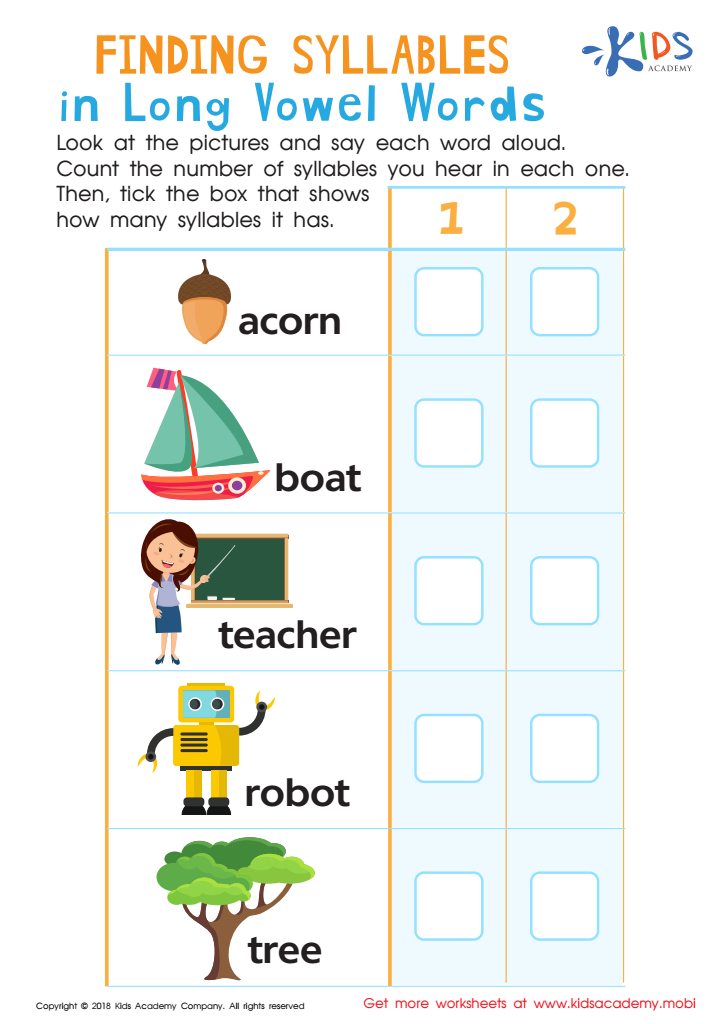
Finding Syllables in Long Vowel Words Worksheet
 Assign to My Students
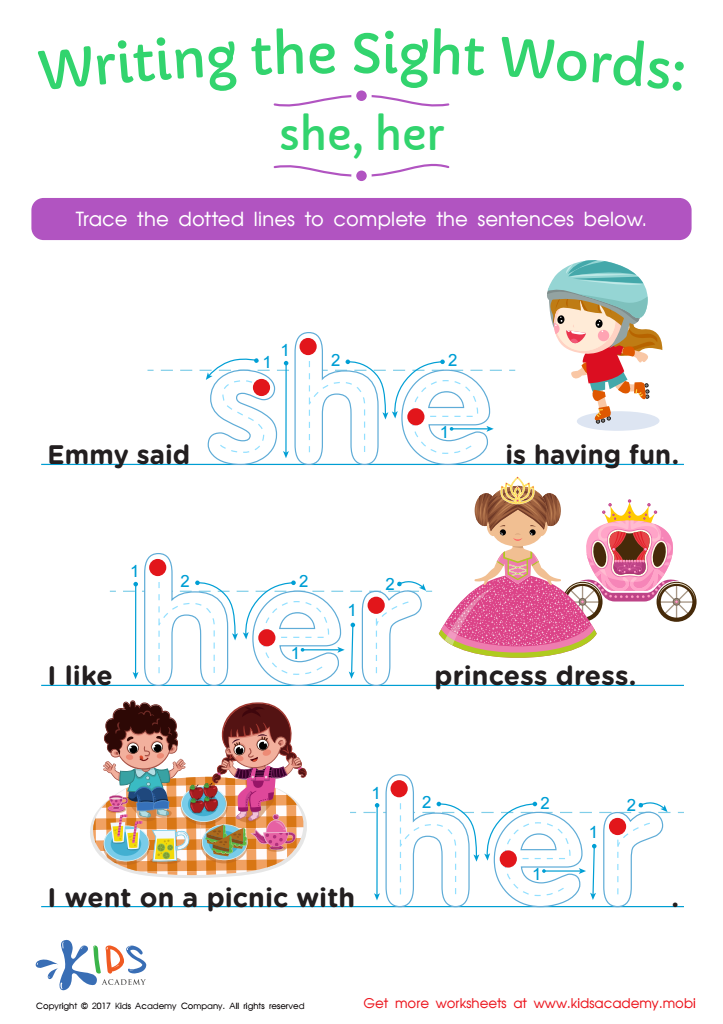
She, Her Printable Sight Words Worksheet
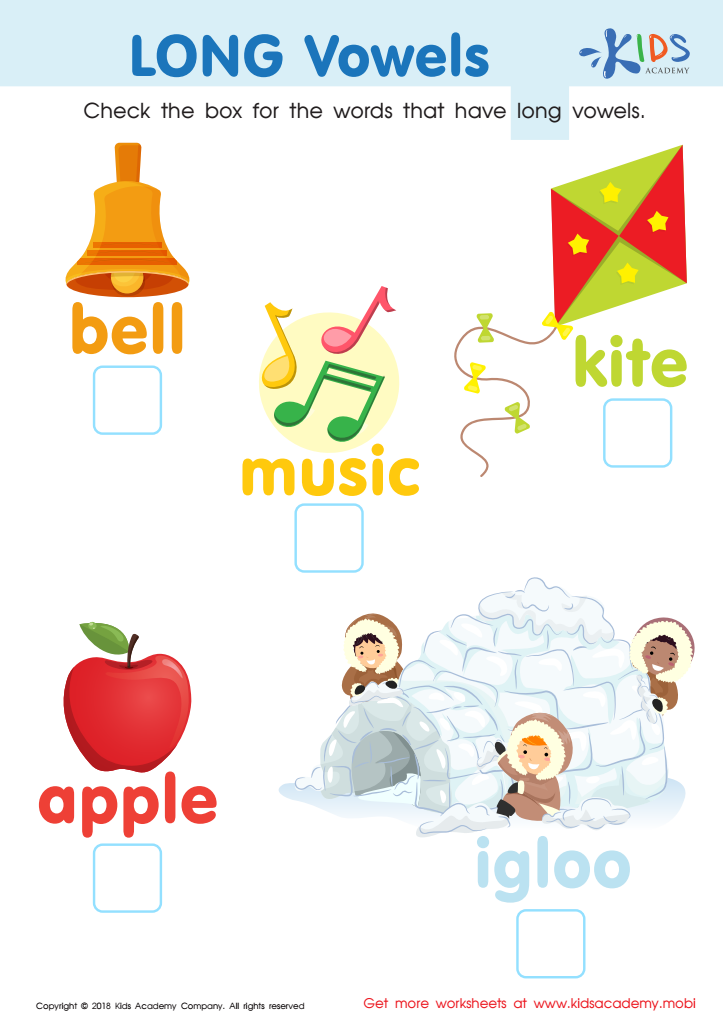
long vowels Worksheet
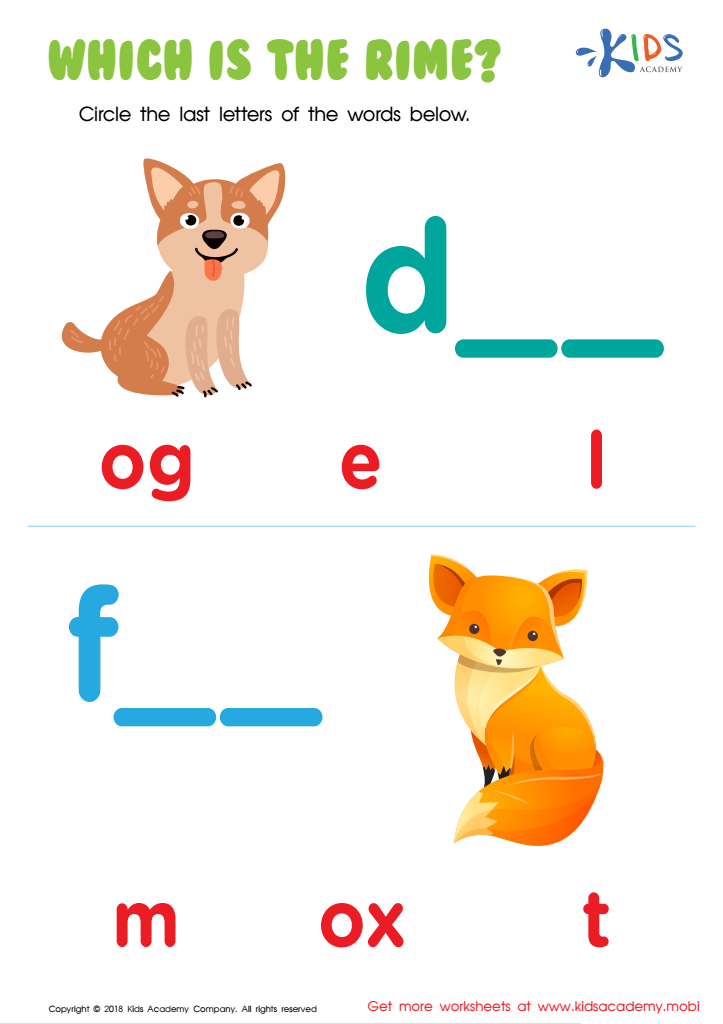
Which Is the Rime? Worksheet
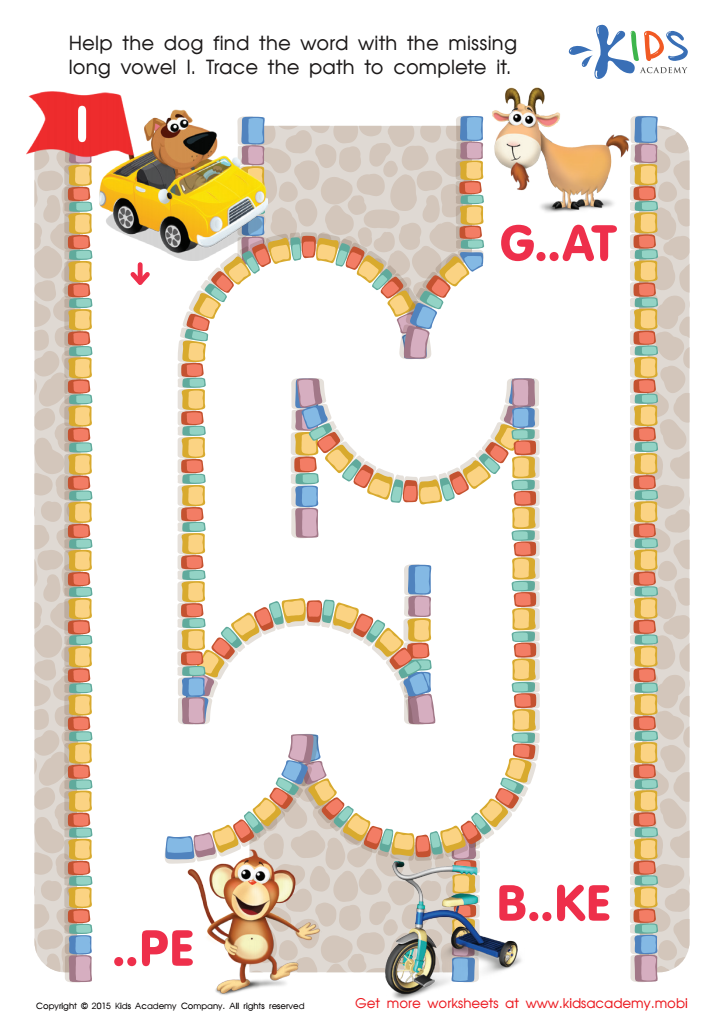
Long Vowel Sound I Worksheet
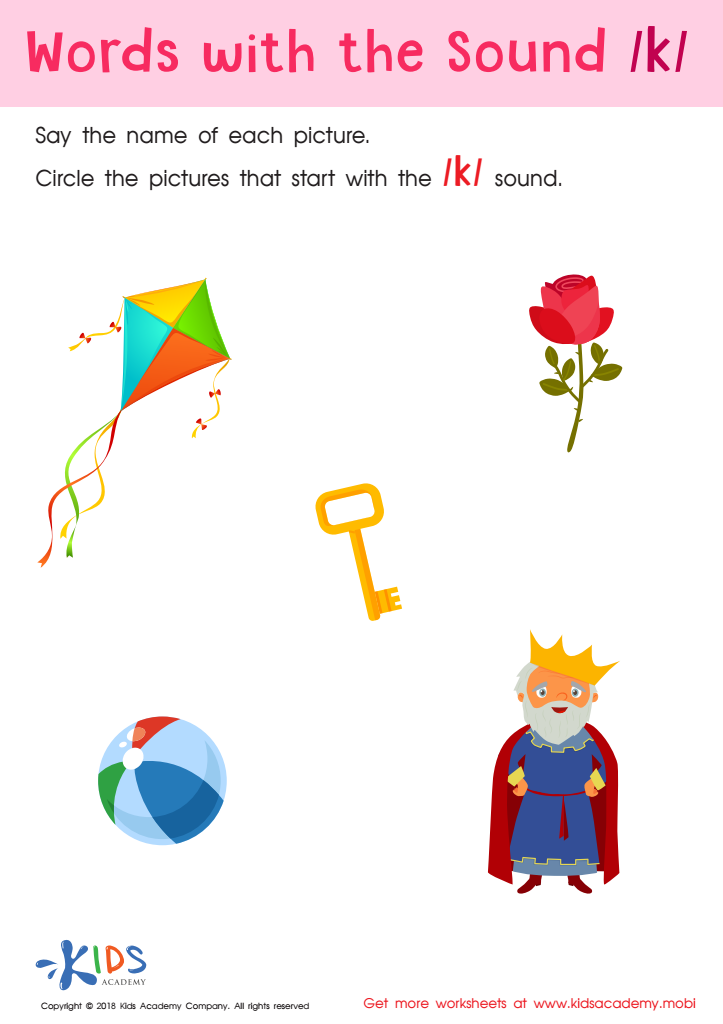
Words with sound k Reading Worksheet








Phonics is a crucial component of early literacy development for children ages 6 to 9, and both parents and teachers play essential roles in fostering this skill. Understanding phonics—the relationship between sounds and their corresponding letters or groups of letters—enables children to decode words effectively, paving the way for fluent reading. This capability enhances comprehension, allowing students to engage with a variety of texts confidently.
Moreover, prioritizing phonics assists in building a strong foundation for future reading and writing skills. In early childhood, students often face challenges like reading anxiety or confusion around language, and a solid phonics program can mitigate these issues. It bolsters their self-esteem and encourages a lifelong love for reading.
Additionally, research shows that phonics instruction contributes to improved phonemic awareness, spelling, and vocabulary development. For educators, incorporating phonics into the curriculum can lead to more effectively differentiated instruction, addressing the diverse learning needs of students. For parents, reinforcing phonics at home can be enriching and engaging, helping to create a supportive environment for progress. In essence, a focus on phonics transforms the way children interact with language and prepares them for success in their academic journey.







