Chess Worksheets for 6-Year-Olds - Page 4
86 filtered results
-
From - To
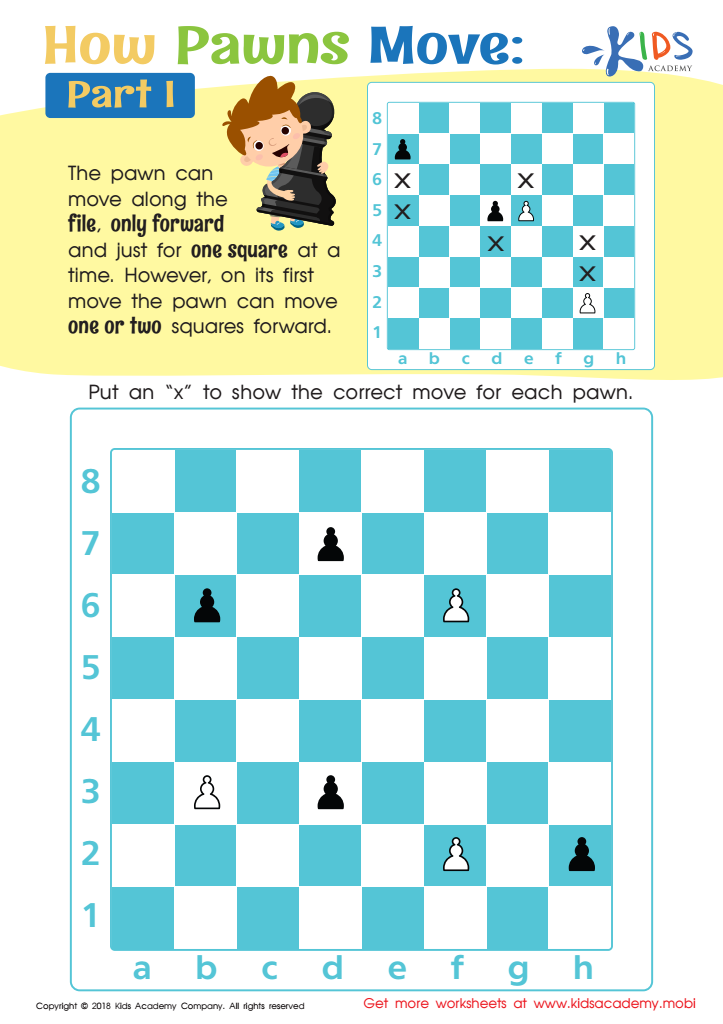
How Pawns Move: Part I Worksheet
 Assign to My Students
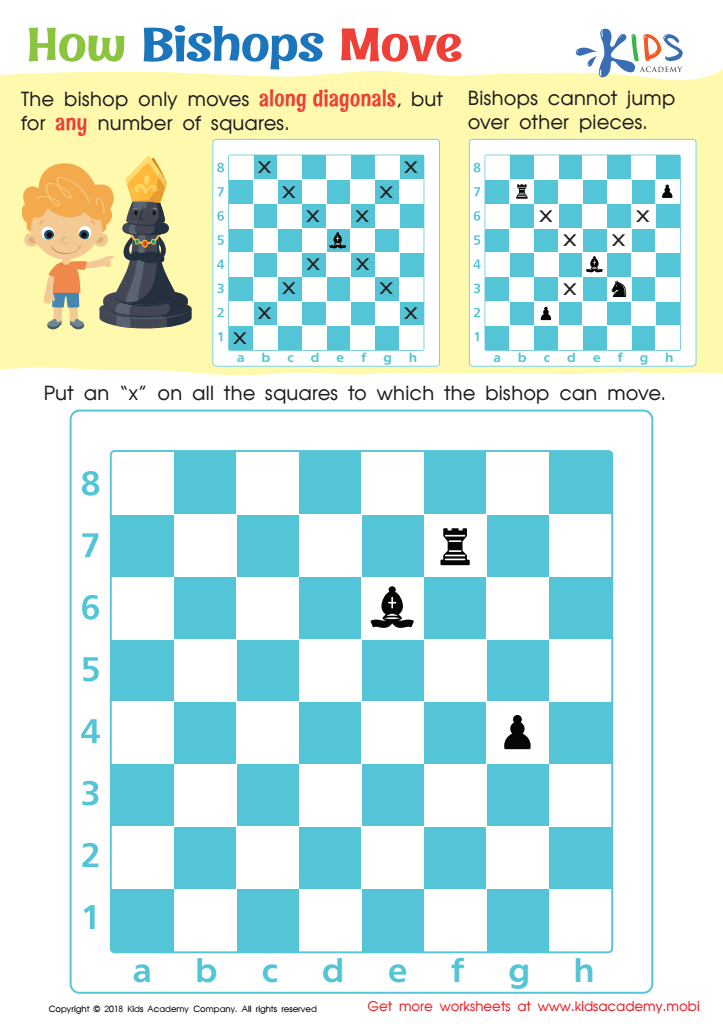
How Bishops Move Worksheet
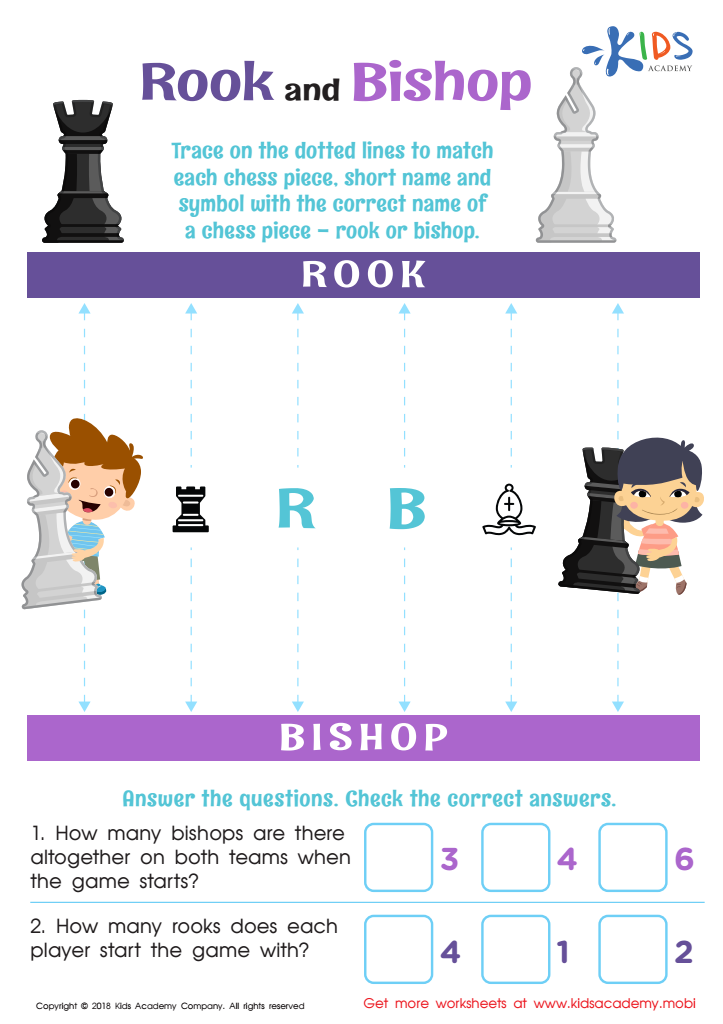
Rook and Bishop Worksheet
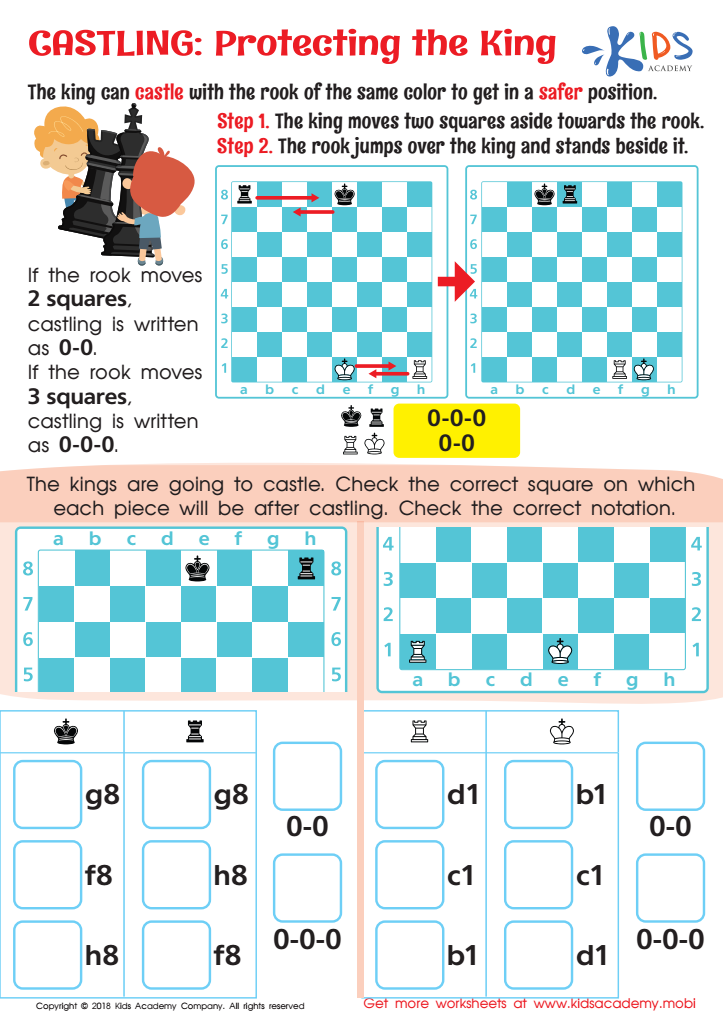
Castling: Protecting the King Worksheet
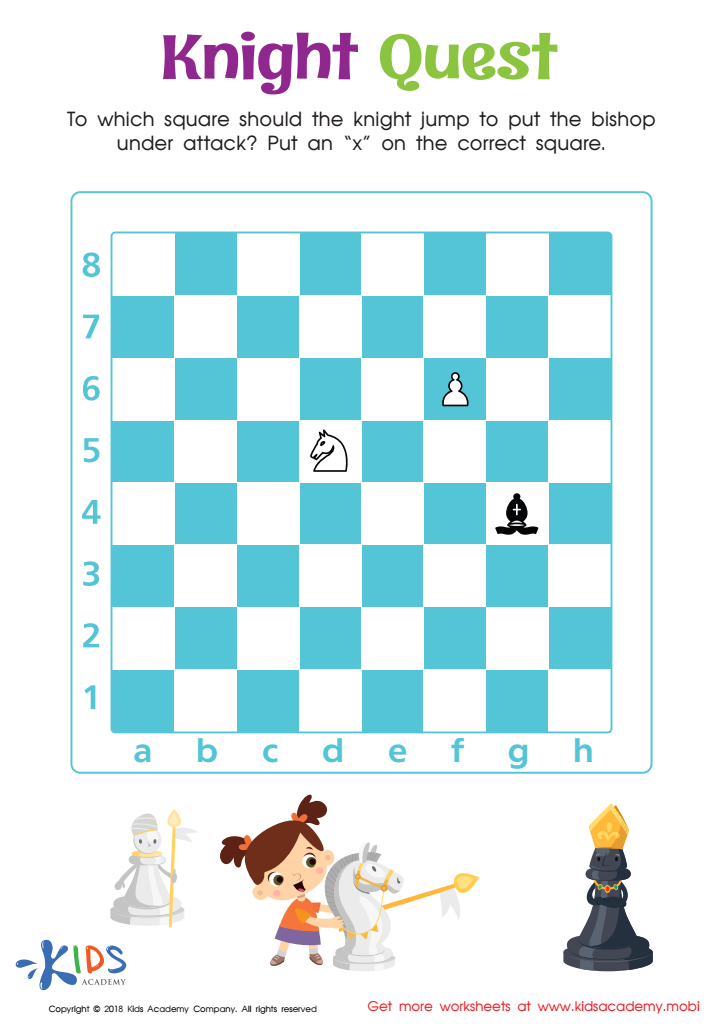
Knight Quest Worksheet
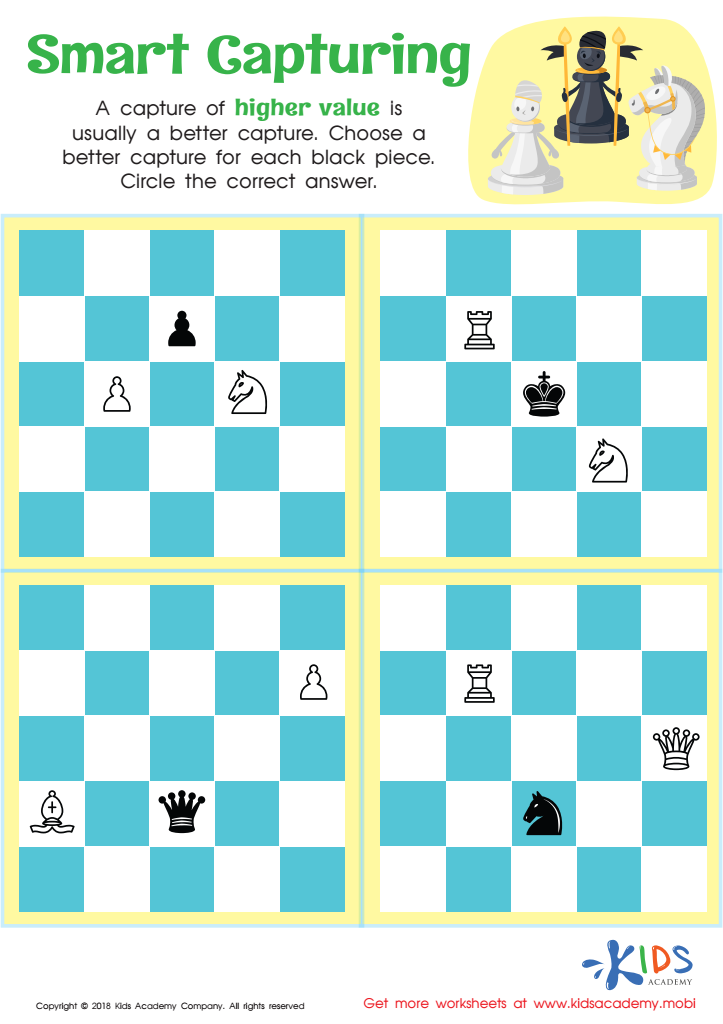
Smart Capturing Worksheet
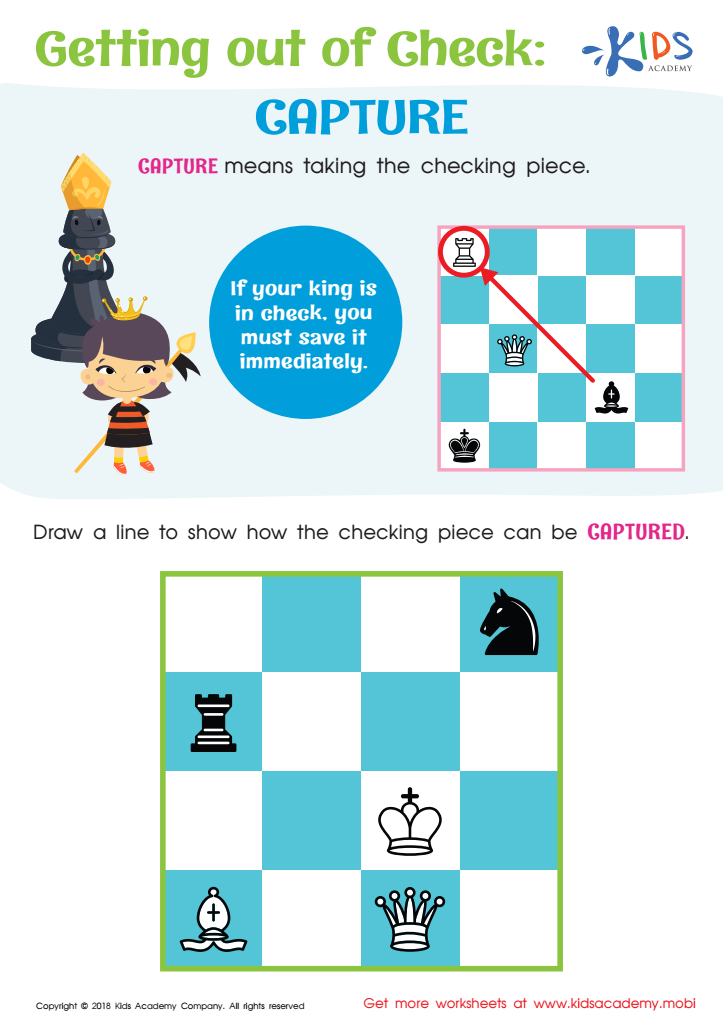
Getting out of Check: Capture
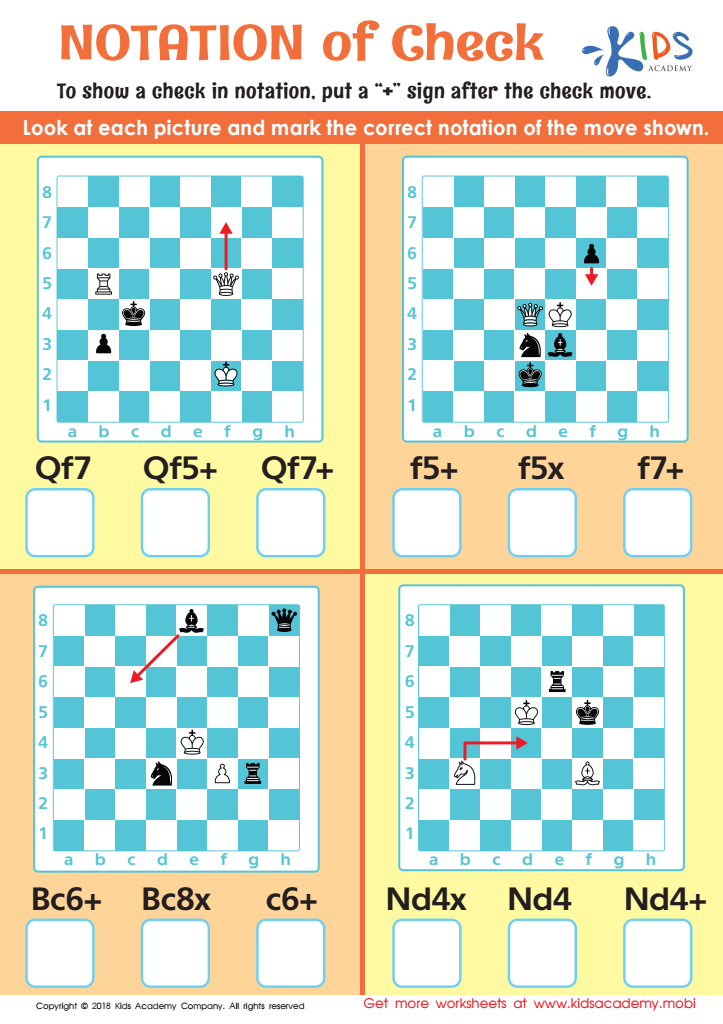
Notation of Check Worksheet
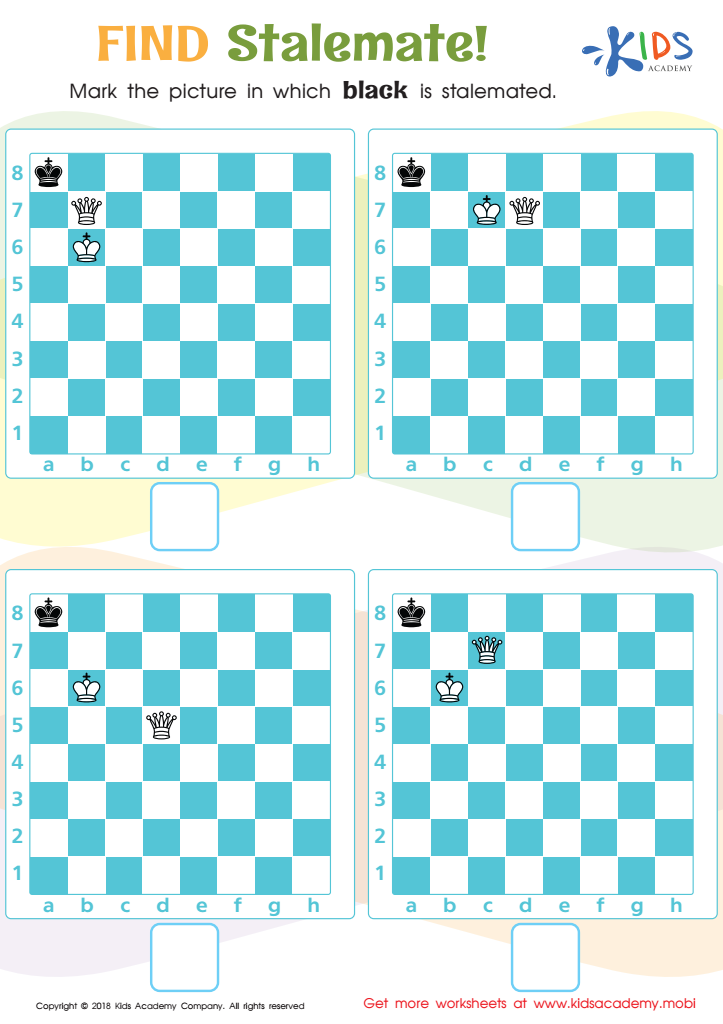
Find Stalemate! Worksheet
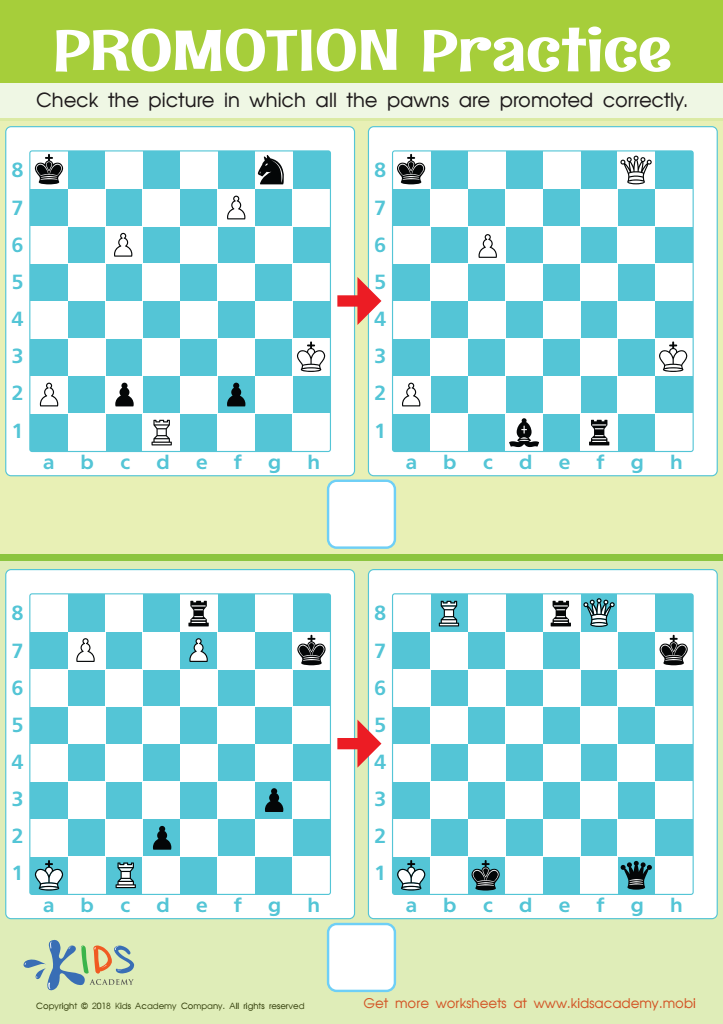
Promotion Practice Worksheet
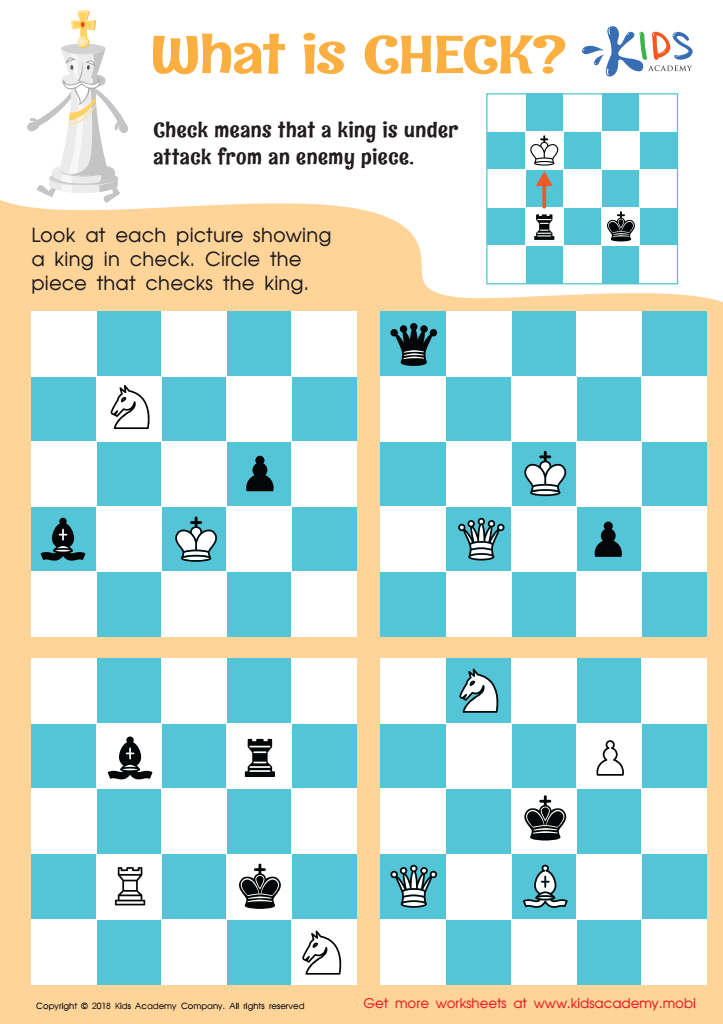
What is Check? Worksheet
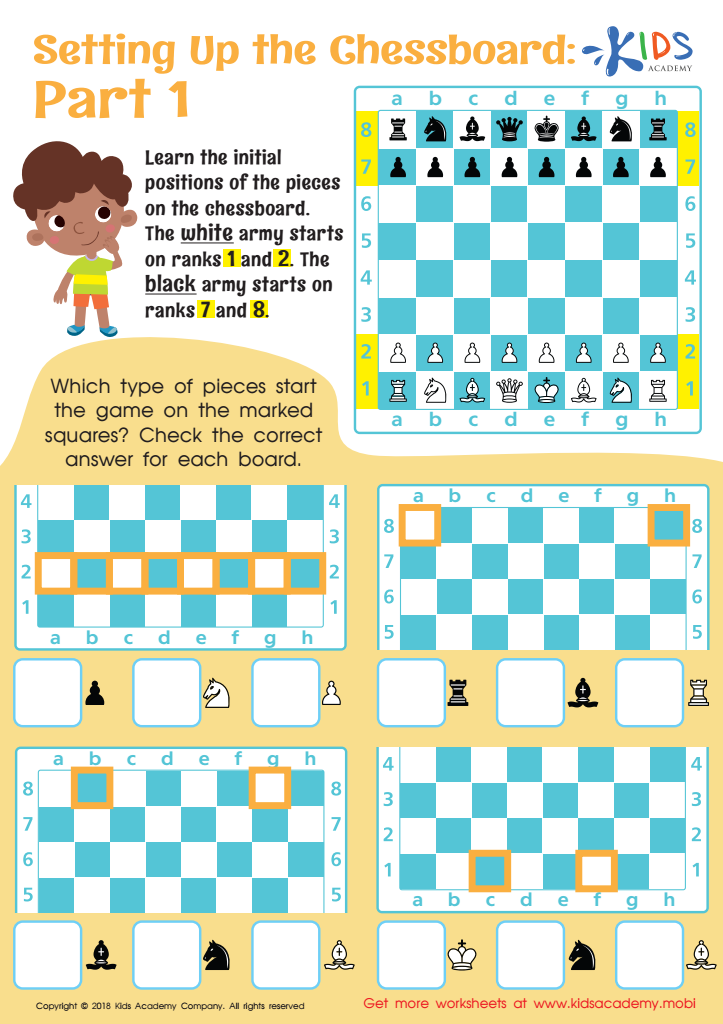
Setting up the Chessboard: Part 1 Worksheet
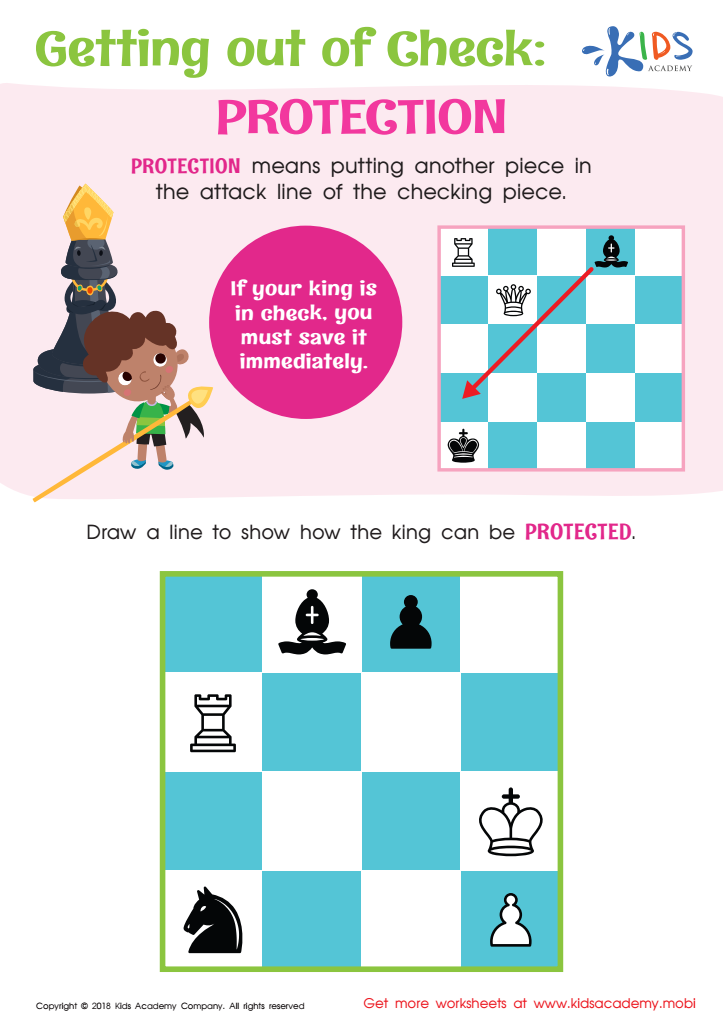
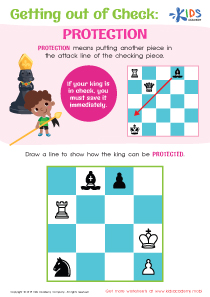
Getting out of Check: Protection
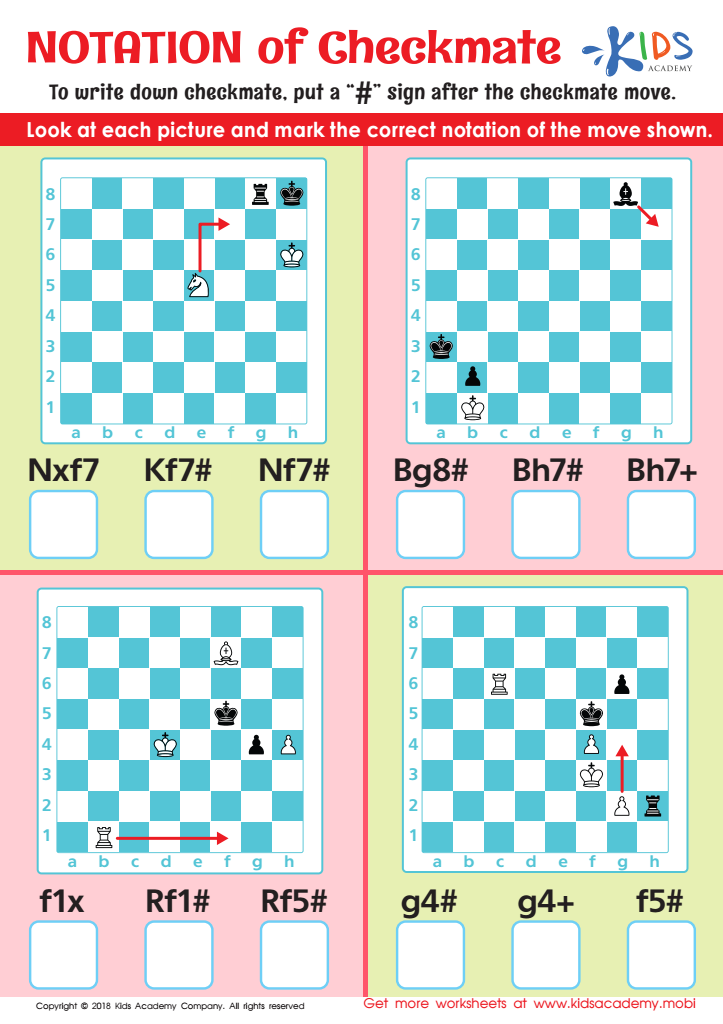
Notation of Checkmate Worksheet





Chess for 6-Year-Olds: Unleashing Creativity and Strategic Thinking
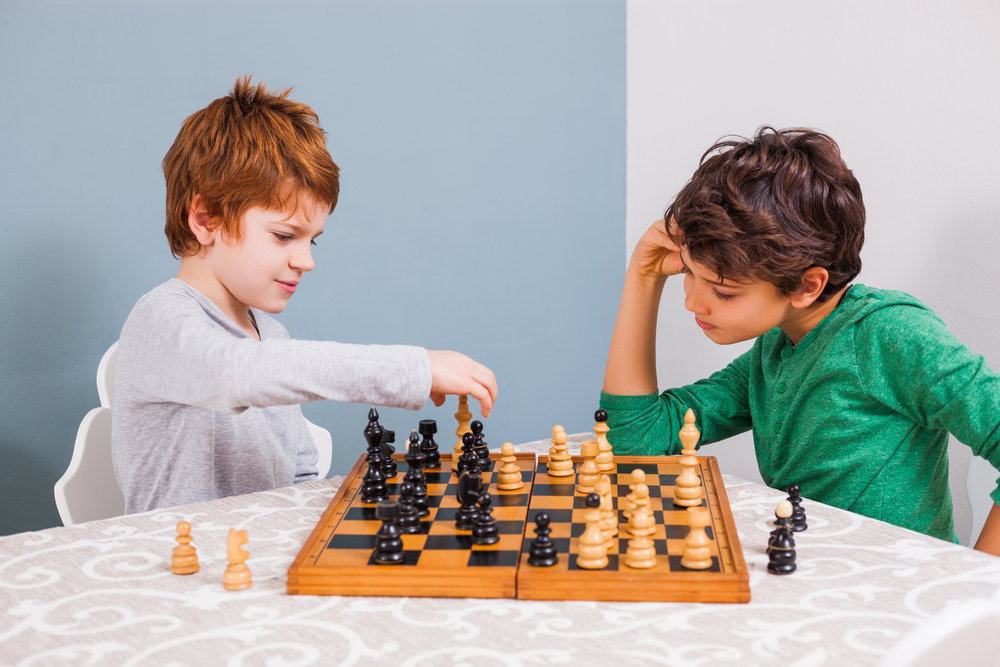
Chess, often considered the game of kings, holds boundless benefits for young minds, particularly for 6-year-olds. Integrating worksheets on chess into the learning curriculum of 6-year-olds is a brilliant strategy to foster early cognitive development and critical thinking skills. Here’s why chess worksheets are an invaluable tool for young learners.
First off, chess for 6-year-olds through worksheets introduces them to the world of strategic thinking. At this tender age, children are just beginning to understand the cause and effect in the choices they make. Chess worksheets encourage them to think ahead, anticipate their opponent's moves, and strategize their own, enhancing their decision-making skills.
Moreover, these worksheets are structured to stimulate problem-solving skills. Each chess puzzle or scenario presented requires careful analysis and solution finding, which is a fantastic way to develop a child's analytical skills. By tackling various chess challenges, they learn to approach problems in a logical and systematic manner.
Furthermore, chess worksheets for 6-year-olds promote patience and concentration. The game itself is a test of patience, requiring players to wait their turn and think through their moves. Working through chess puzzles on worksheets teaches children the value of concentrating on a task until completion.
Lastly, introducing chess through worksheets makes the game accessible and less intimidating for young learners. They can work at their own pace, gradually understanding the game's rules and strategies in a fun, engaging manner. This not only builds their confidence but also sparks an interest in chess, which can be a lifelong hobby or passion.
In conclusion, chess worksheets for 6-year-olds are an invaluable educational tool, nurturing early development in critical thinking, problem-solving, patience, and strategic planning. By engaging with the timeless game of chess in a format that's tailored to their learning pace, young children are set on a path of intellectual growth and curiosity.