Life Science Worksheets for Ages 7-8
3 filtered results
-
From - To
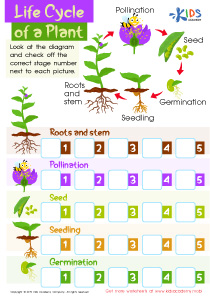
Discover our Life Science Worksheets for Ages 7-8 designed to make learning about the natural world engaging and fun! Created to align with educational standards, these worksheets cover key topics such as animal and plant life cycles, ecosystems, and the human body. Each worksheet features a variety of activities, from drawing and labeling to matching and solving puzzles, all aimed at enhancing comprehension and critical thinking skills. Perfect for both classroom use and homeschooling, our vibrant, easy-to-understand materials help children explore and understand the world around them while fostering a lifelong love of science.
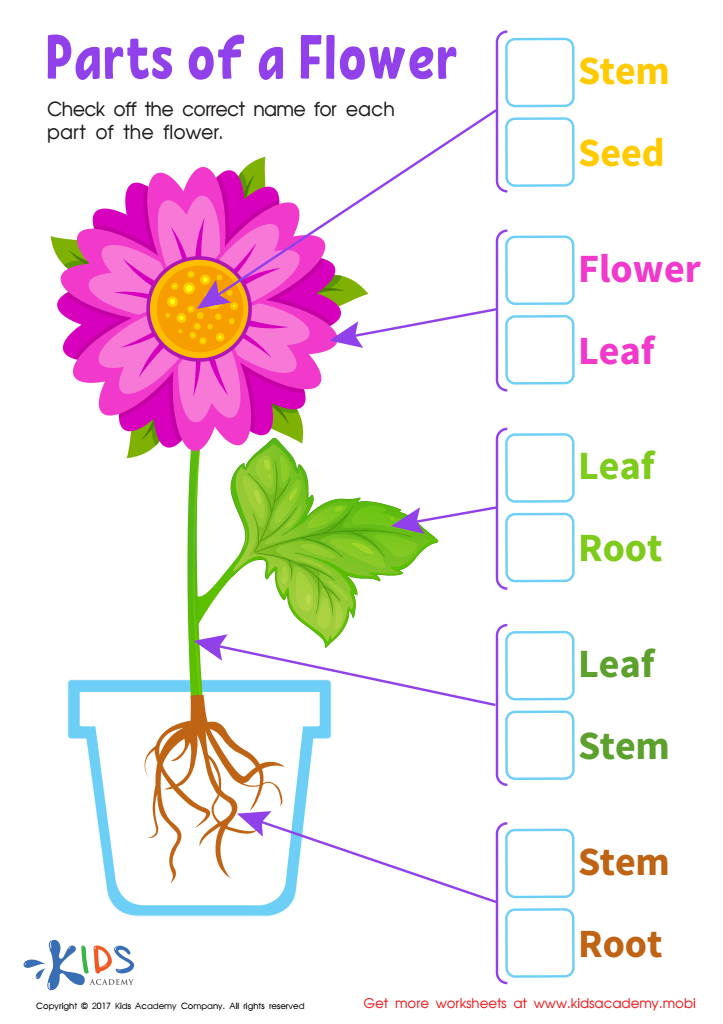
Parts Flower Printable
 Assign to My Students
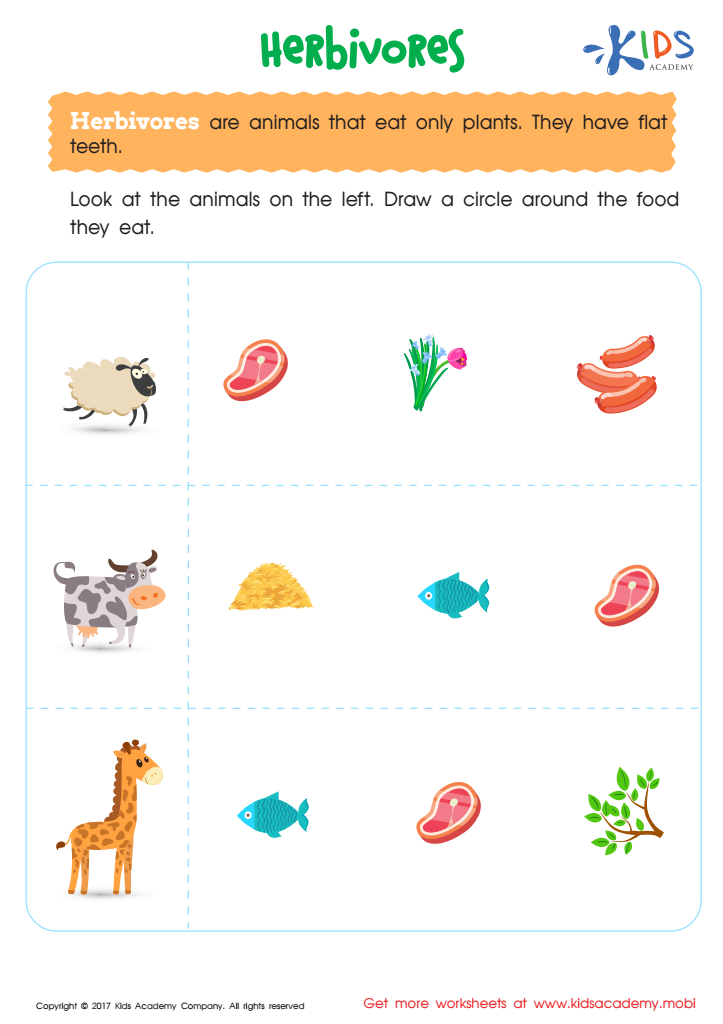
Herbivores Printable
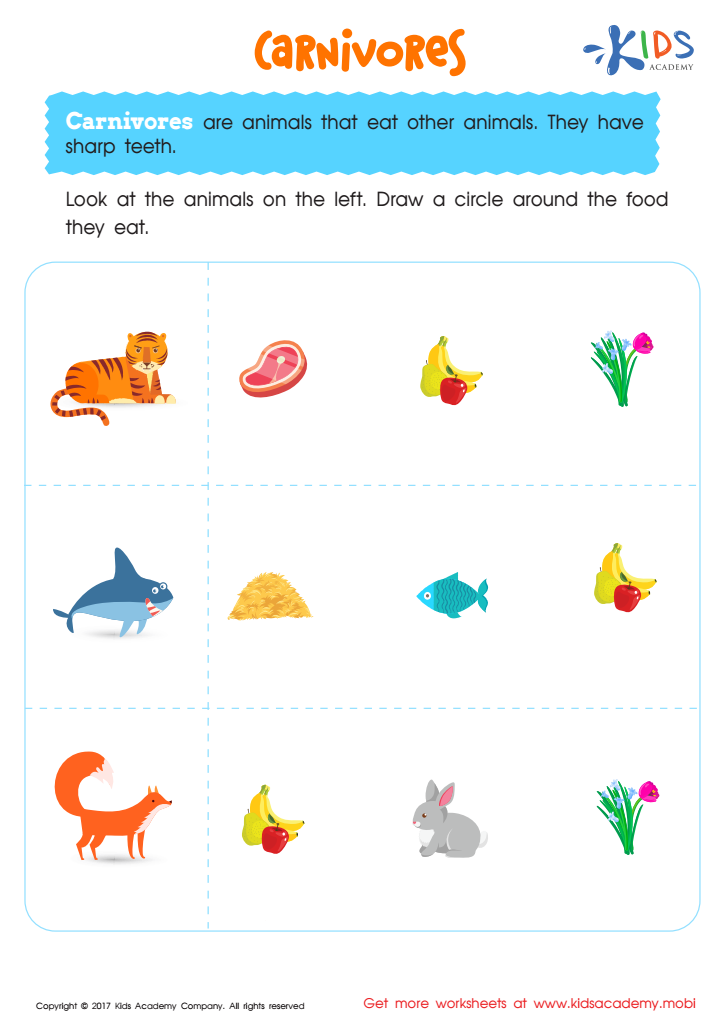
Carnivores Worksheet








Parents and teachers should care deeply about Life Science for ages 7-8 because it builds a foundation for critical thinking, curiosity, and understanding of the natural world. At this formative age, children are naturally curious about their environment, and teaching them Life Science encourages exploration and observation. Engaging with Life Science helps students grasp essential concepts such as the life cycles of plants and animals, ecosystems, and the interdependence of living organisms.
Understanding these concepts at an early age fosters an appreciation for nature and environmental stewardship. It promotes awareness of the impacts of human activity on the planet, thereby nurturing responsible behavior toward the environment. Additionally, Life Science develops problem-solving and inquiry-based learning skills. Students learn to ask questions, gather data, conduct experiments, and draw conclusions—skills crucial for scientific literacy and applicable across subjects.
Moreover, Life Science broadens children's knowledge, enhancing their vocabulary and comprehension abilities. These cognitive benefits tie into overall academic performance improvements. Crucially, fostering an early interest in science could spark a lifelong passion and lead to future careers in STEM fields. Altogether, nurturing an understanding of Life Science during early childhood education is an investment in creating well-rounded, informed, and responsible future citizens.