Math Worksheets for Ages 7-9 - Page 37
866 filtered results
-
From - To
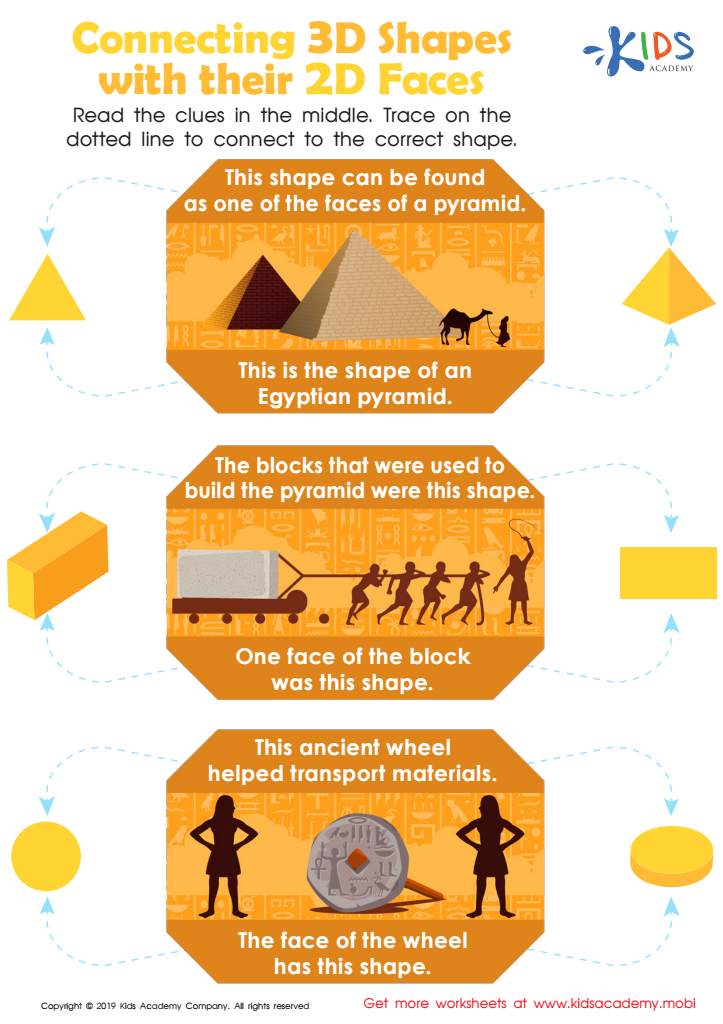
Connecting 3D Shapes with Their 2d Faces Worksheet
 Assign to My Students
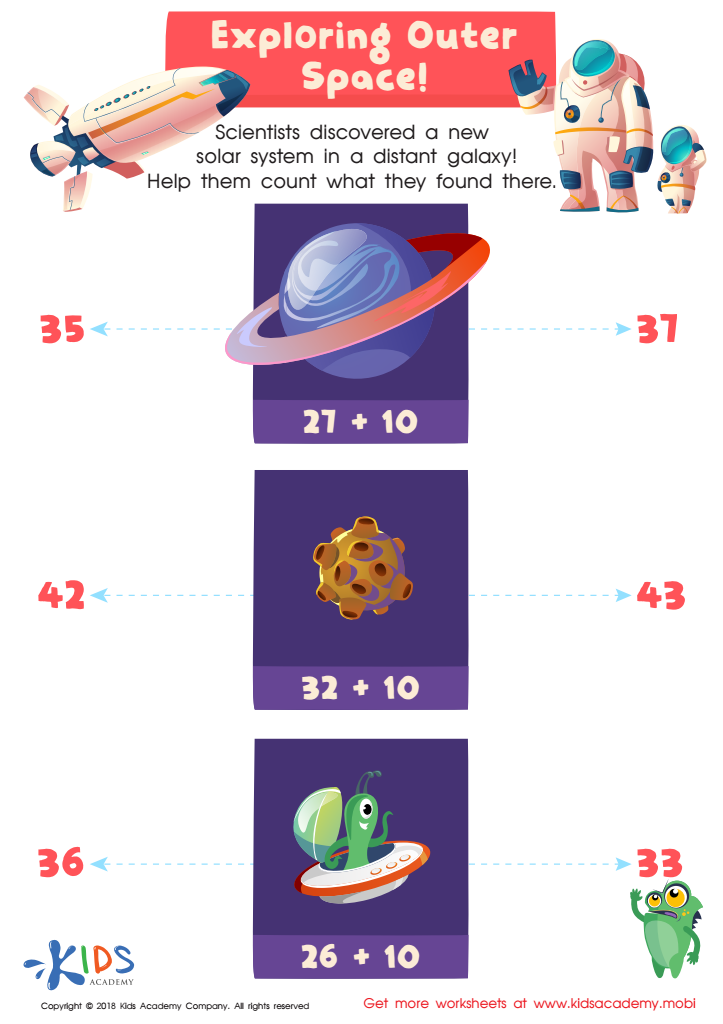
Exploring Outer Space Worksheet







Math for ages 7-9 is crucial for children's cognitive development and sets the foundation for future learning. During these formative years, children transition from understanding basic concepts to mastering more complex operations. This age group begins to encounter patterns, problem-solving, and critical thinking skills through math, essential components of their overall education.
Moreover, math proficiency analytics correlates positively with success in many school subjects. Parents and teachers should recognize that integrating math into everyday life encourages meaningful learning. Simple activities like cooking, shopping, or playing games can make math engaging and relatable, sparking children's interest and confidence.
Developing a strong mathematical foundation also helps reduce future math anxiety, enabling children to approach challenges with a positive mindset. By fostering a supportive environment where math is seen as fun and exciting, we can cultivate lifelong learners who appreciate the value of math in their daily lives and future careers. Ultimately, investing in math education at this stage promotes logical reasoning and problem-solving skills, preparing children not only for academic success but also for critical thinking in real-world scenarios. This holistic approach underscores the importance of collaborative efforts between parents and educators in nurturing young mathematicians.








