Geometry worksheets With Answers for Grade 2 - Page 3
51 filtered results
-
From - To
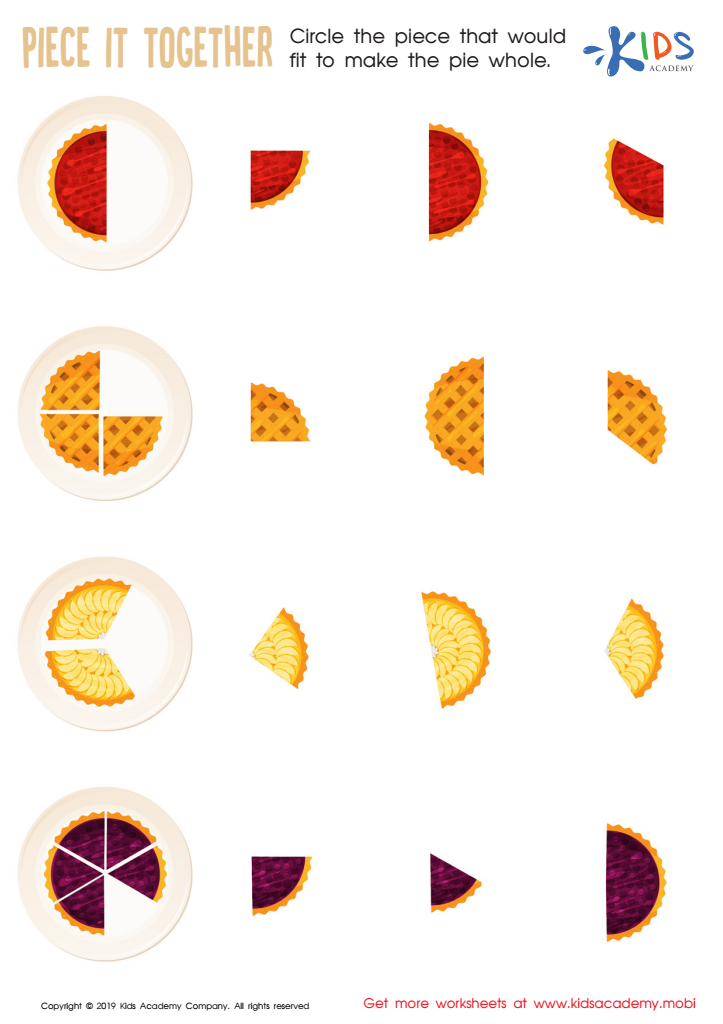
Piece it together Worksheet
 Assign to My Students
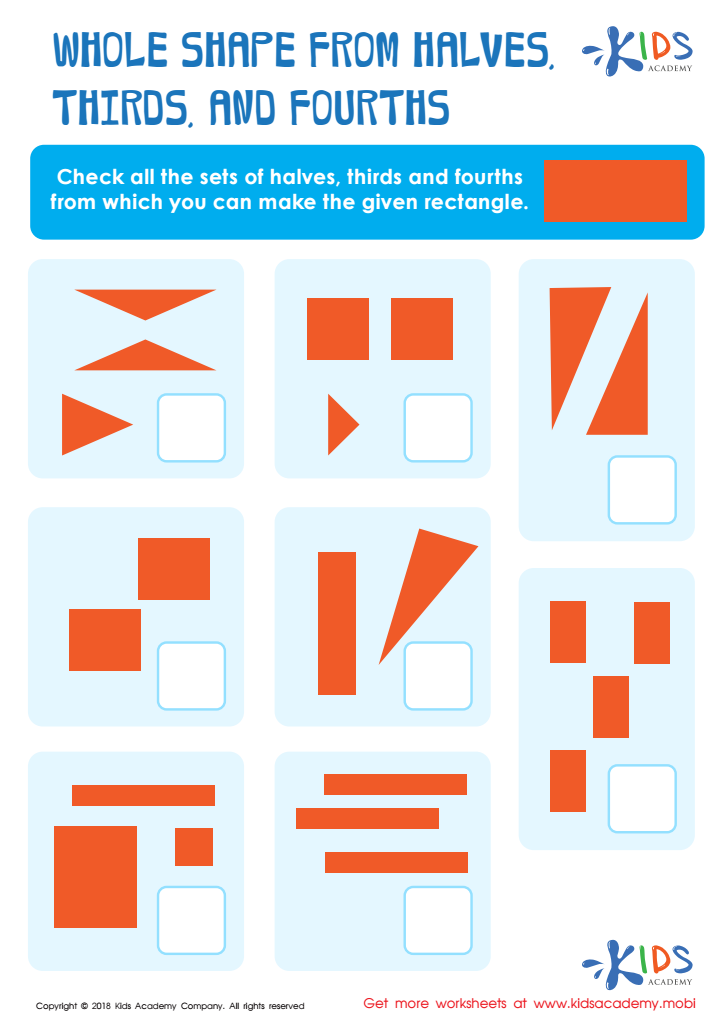
Whole Shape from Halves, Thirds and Fourths Worksheet
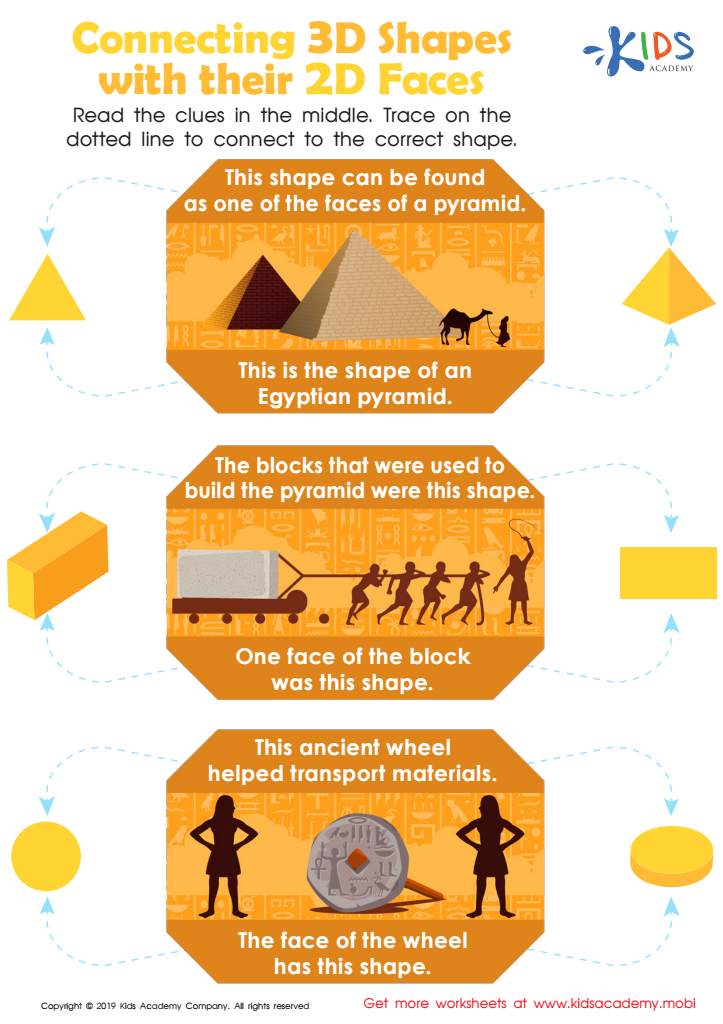
Connecting 3D Shapes with Their 2d Faces Worksheet







Geometry is an essential part of mathematics that helps young learners understand shapes, sizes, and spatial relationships. For parents and teachers, promoting geometry learning in grade 2 has several benefits.
Firstly, geometry enhances critical thinking and problem-solving skills. As children explore different shapes, they learn to recognize patterns, make connections, and devise solutions. These skills are not just vital in math but are applicable in everyday decision-making.
Secondly, geometry is everywhere in our environment. By teaching children to recognize and describe shapes in real life—like circles in wheels or rectangles in windows—they can better connect their studies to the world around them. This helps students appreciate the relevance of what they learn.
Moreover, geometry lays the foundation for future math concepts. Understanding the basic properties of shapes can make it easier to tackle more complex topics, such as measurement and algebra, in later grades.
Lastly, engaging in geometry can be fun! Activities like drawing, building, or using games helps make learning interactive and enjoyable. Encouraging parents and teachers to focus on geometry can foster children's mathematical confidence and enthusiasm, setting a positive foundation for lifelong learning.