Easy Building Vocabulary Worksheets for Ages 6-8 - Page 2
32 filtered results
-
From - To
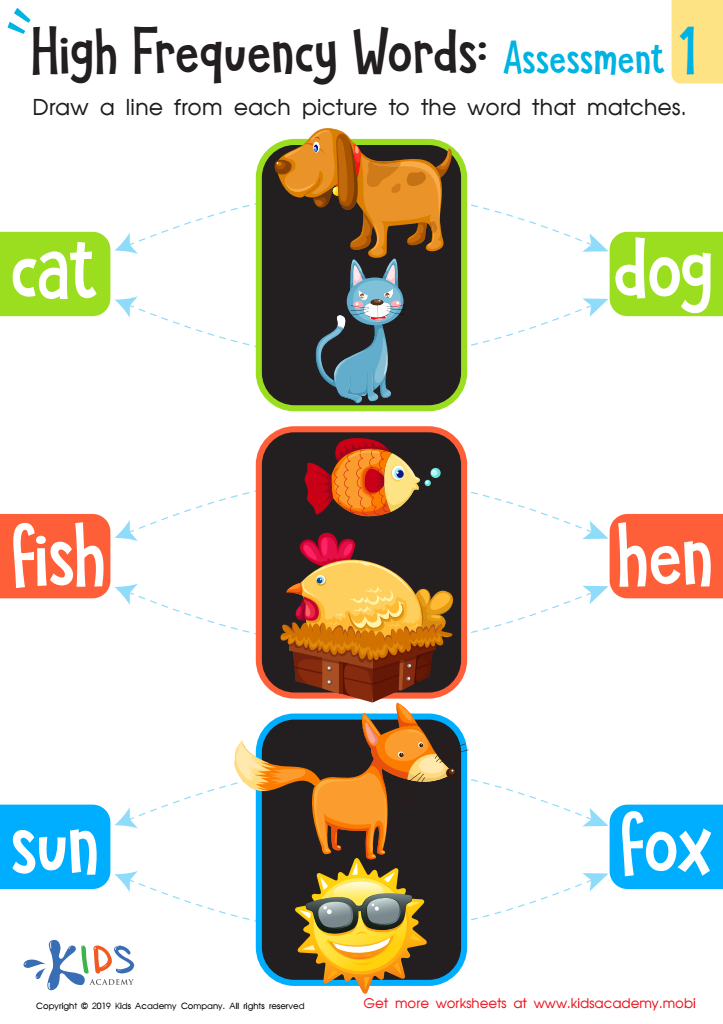
High Frequency Words: Assessment 1 Worksheet
 Assign to My Students











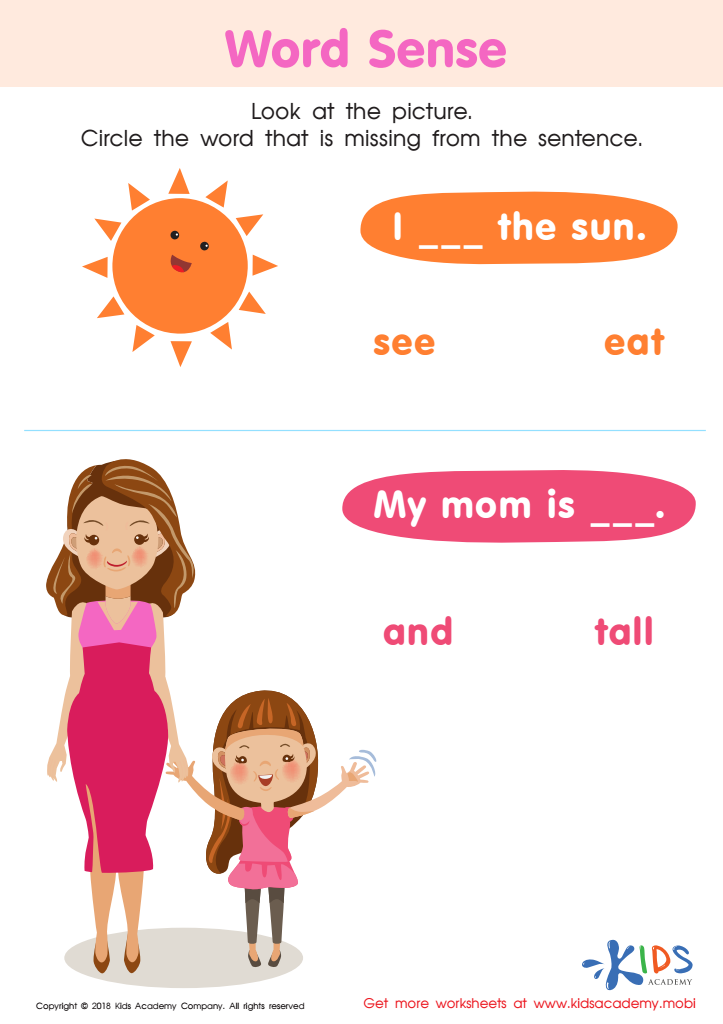
Word Sense Worksheet
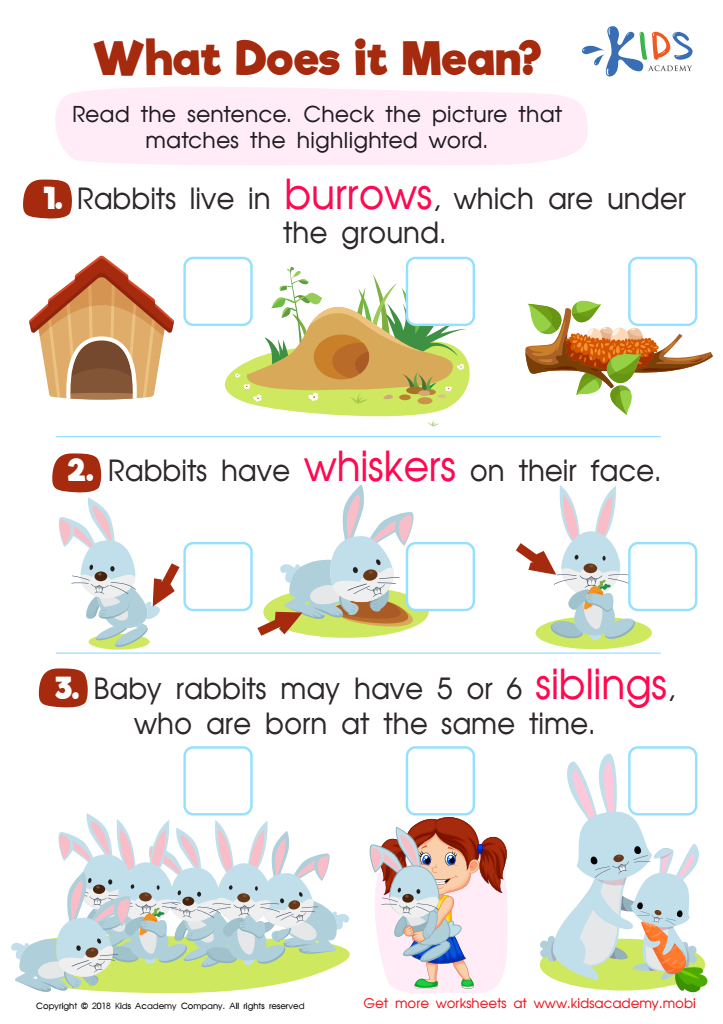
What Does It Mean? Worksheet
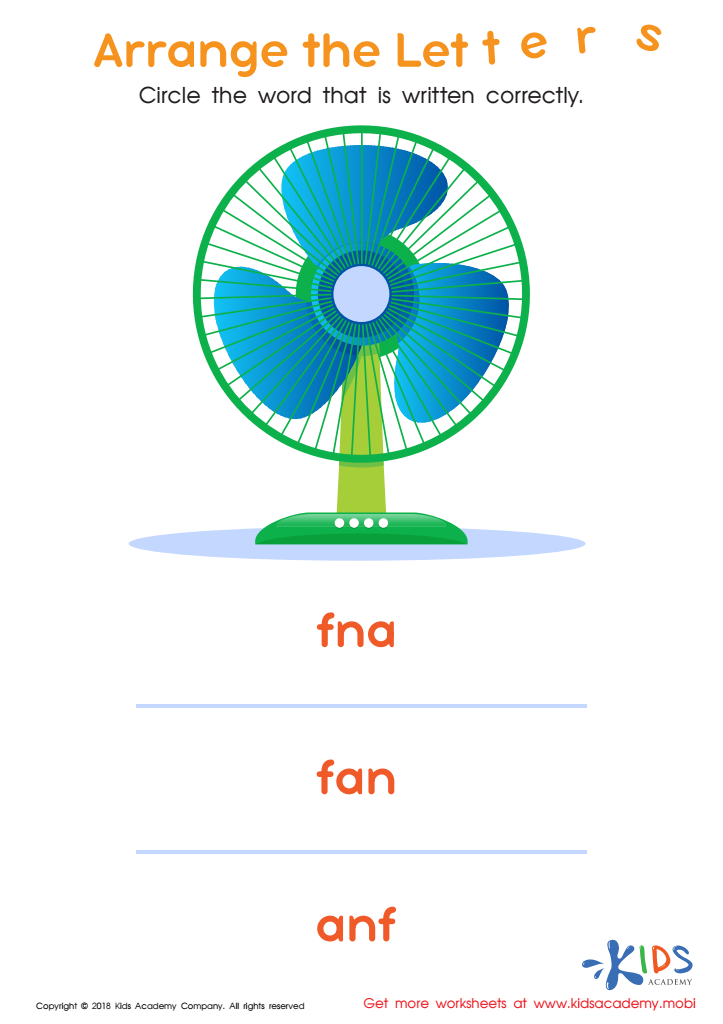
Arrange the Letters Worksheet
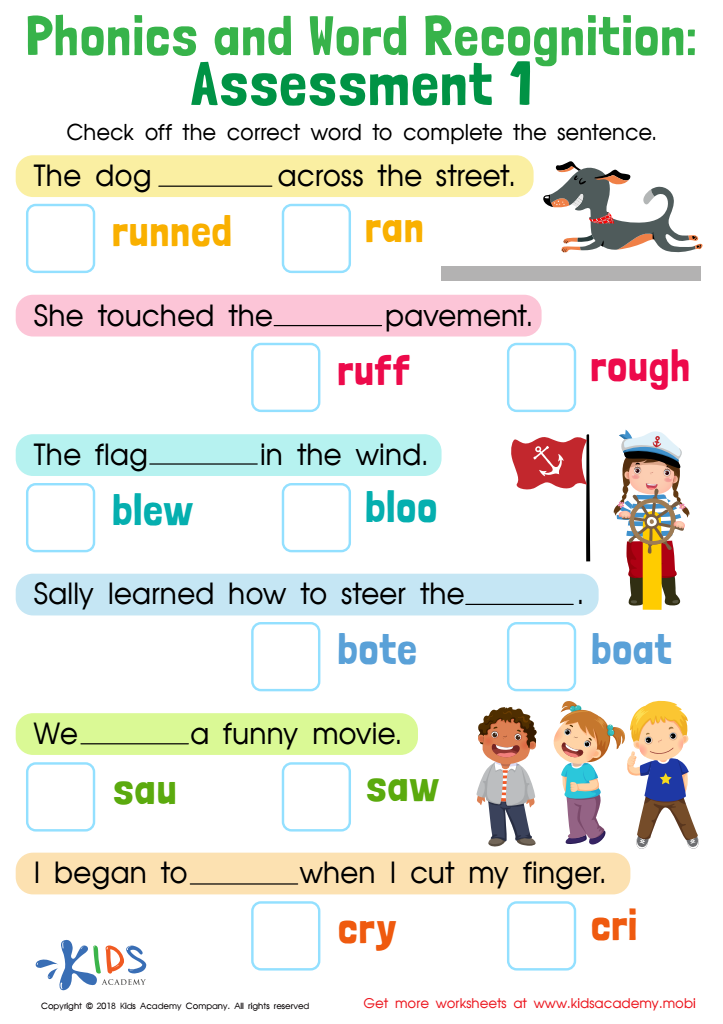
Phonics and Word Recognition: Assessment 1 Worksheet
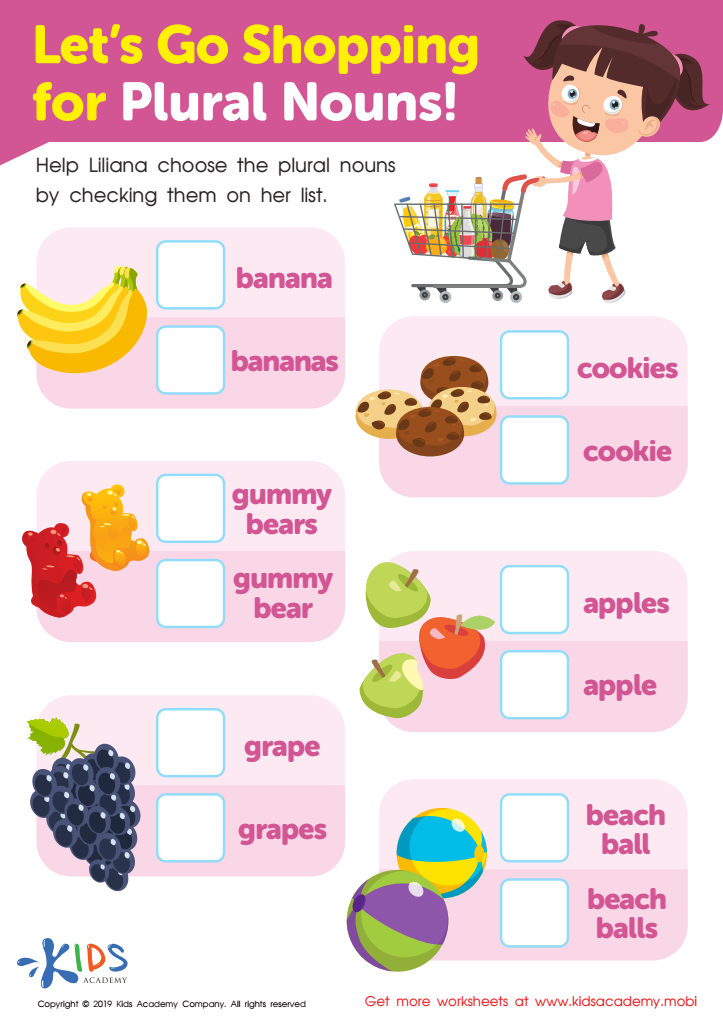
Let's Go Shopping for Plural Nouns! Worksheet
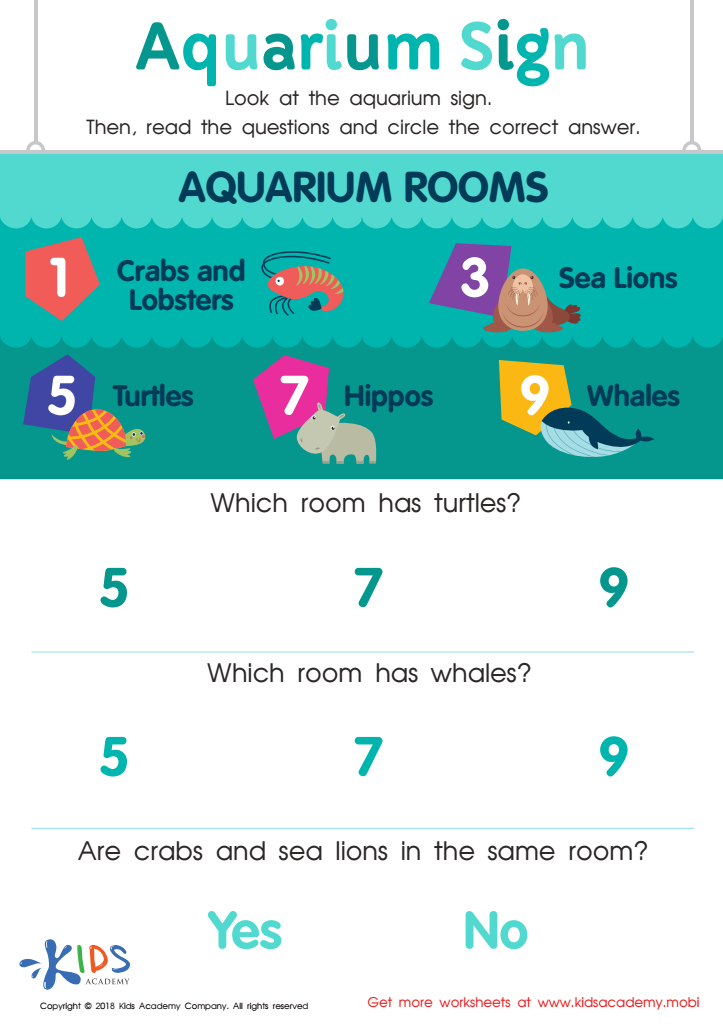
Assessment: Aquarium Sign Worksheet
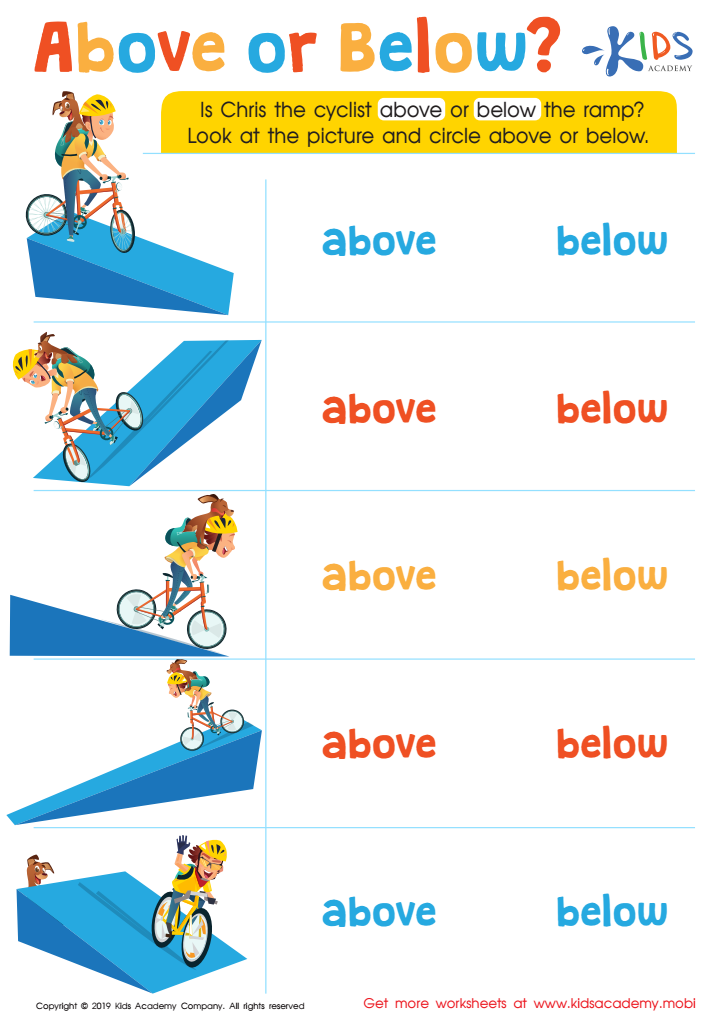
Above or Below? Worksheet


.jpg)


.jpg)


Building a robust vocabulary during early childhood, particularly for ages 6-8, is crucial for several reasons. During these formative years, children’s brains are highly receptive to learning new words and concepts, which creates a strong foundation for their future academic success. With an expansive vocabulary, children can better understand reading materials, follow classroom instructions, and express their thoughts and emotions clearly.
Parents and teachers play a significant role in enhancing vocabulary by creating a rich language environment. Simple practices, such as reading aloud, engaging in meaningful conversations, and introducing diverse age-appropriate texts, can significantly aid vocabulary acquisition. A well-developed vocabulary is directly linked to improved reading comprehension, as children with a wider range of words understand stories and instructions better. This understanding is vital as they progress in their schooling and encounter more complex texts.
Moreover, a strong vocabulary helps children in social interactions and boosts their confidence. Being able to articulate themselves effectively enables them to make friends more easily and fosters a positive learning environment, both at home and school. By focusing on building vocabulary at an early age, parents and teachers can equip children with the essential tools they need for lifelong learning and personal growth.