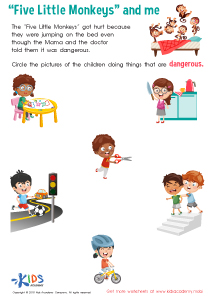
Easy Building Vocabulary Worksheets for Ages 6-9 - Page 2
32 filtered results
-
From - To
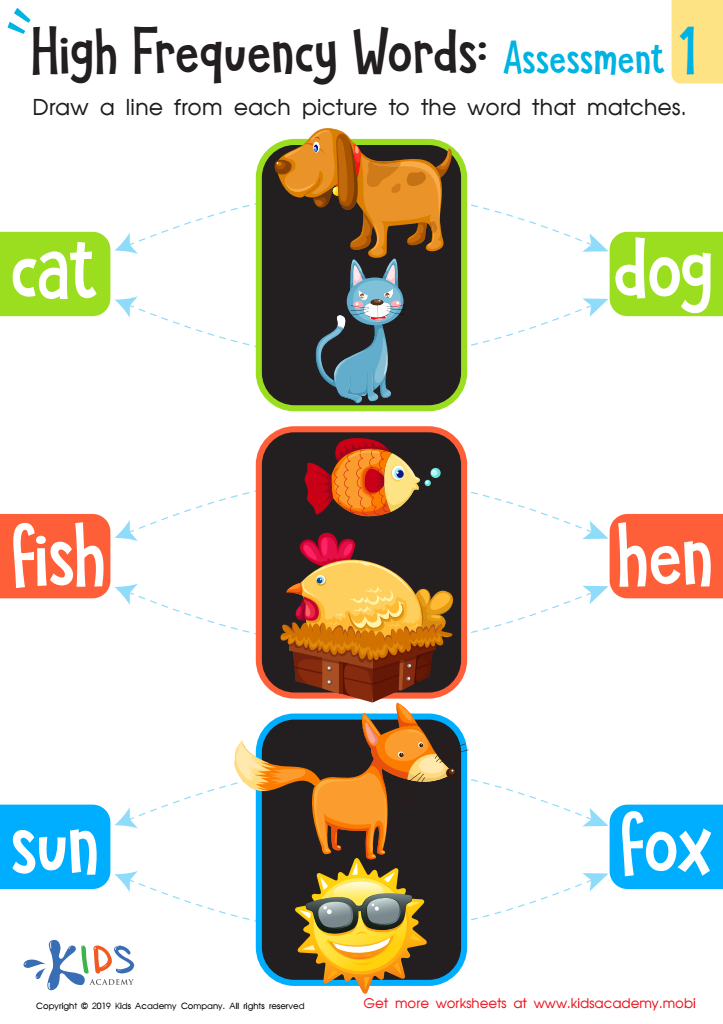
High Frequency Words: Assessment 1 Worksheet
 Assign to My Students











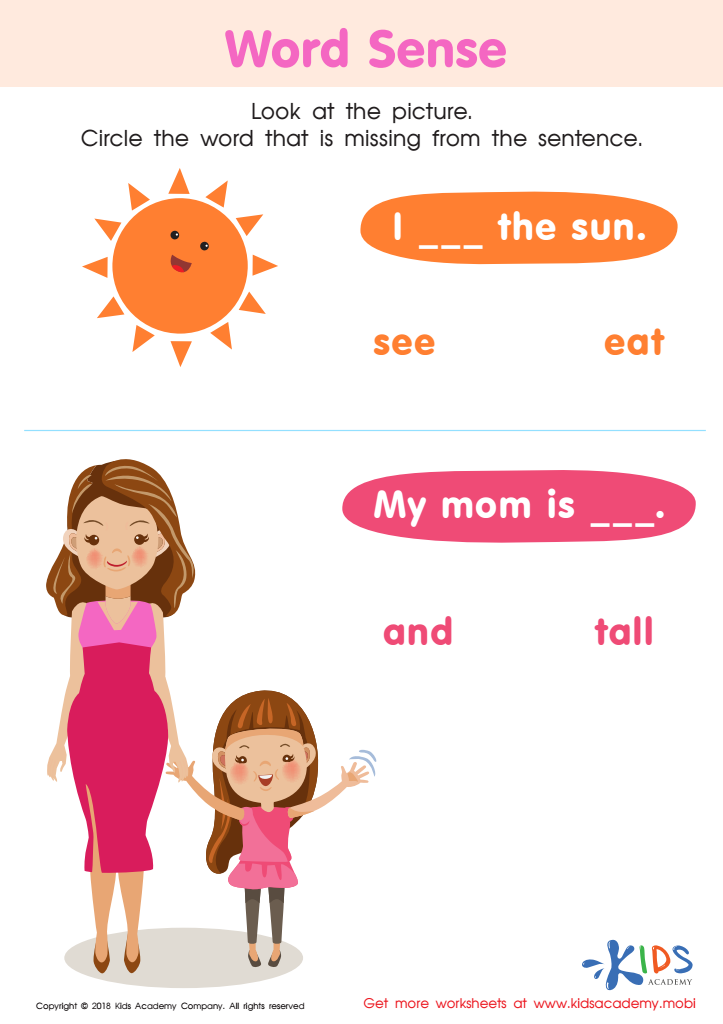
Word Sense Worksheet
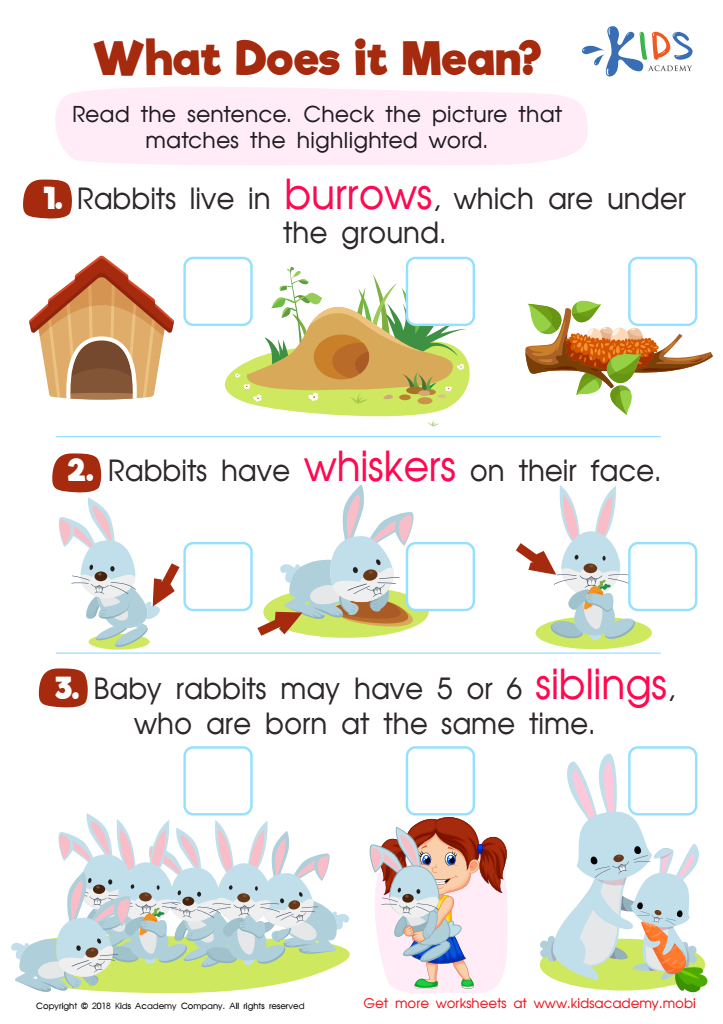
What Does It Mean? Worksheet
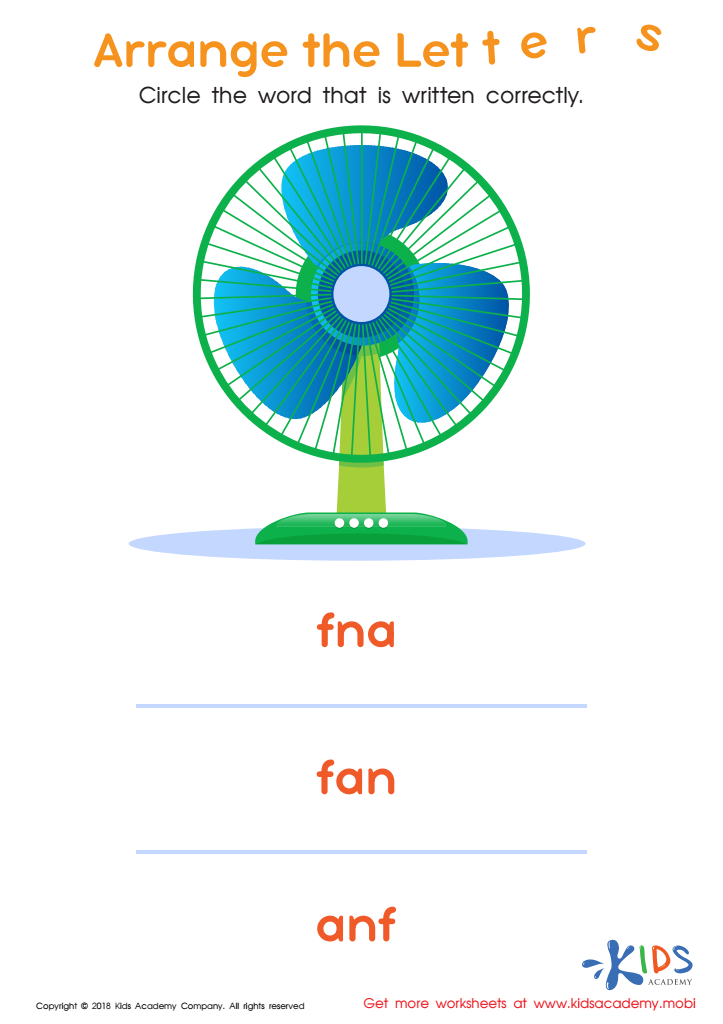
Arrange the Letters Worksheet
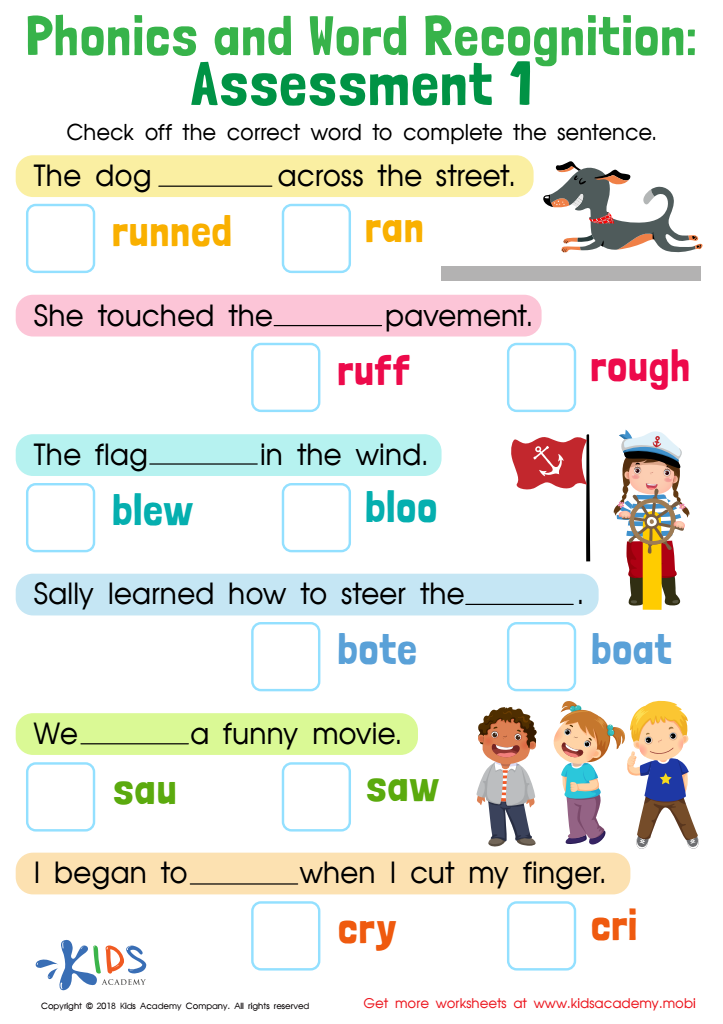
Phonics and Word Recognition: Assessment 1 Worksheet
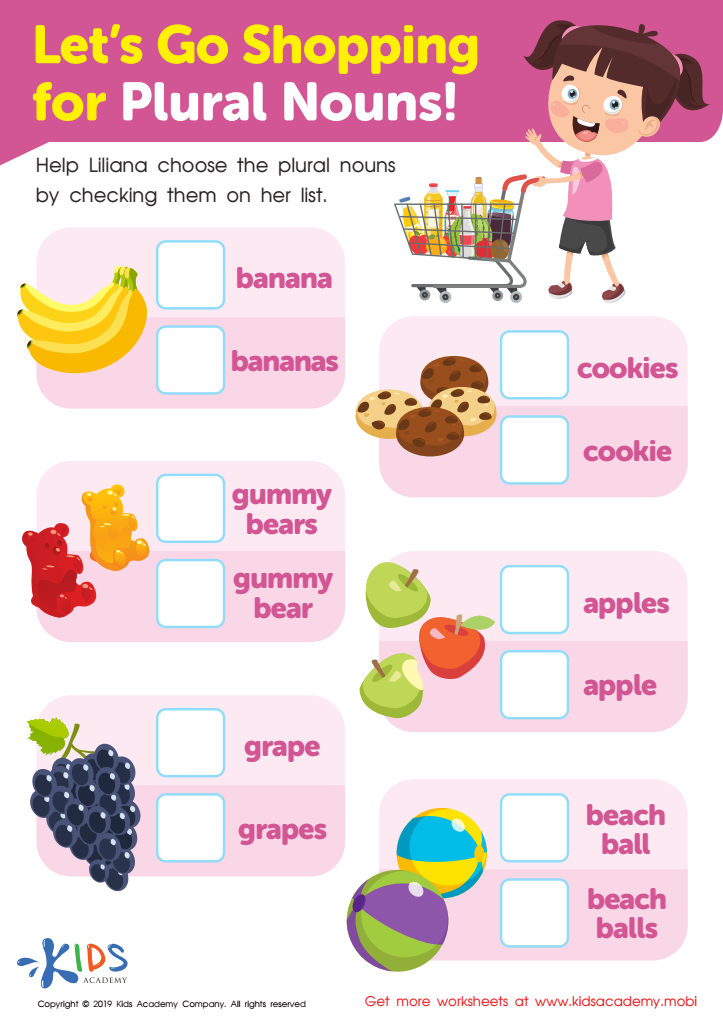
Let's Go Shopping for Plural Nouns! Worksheet
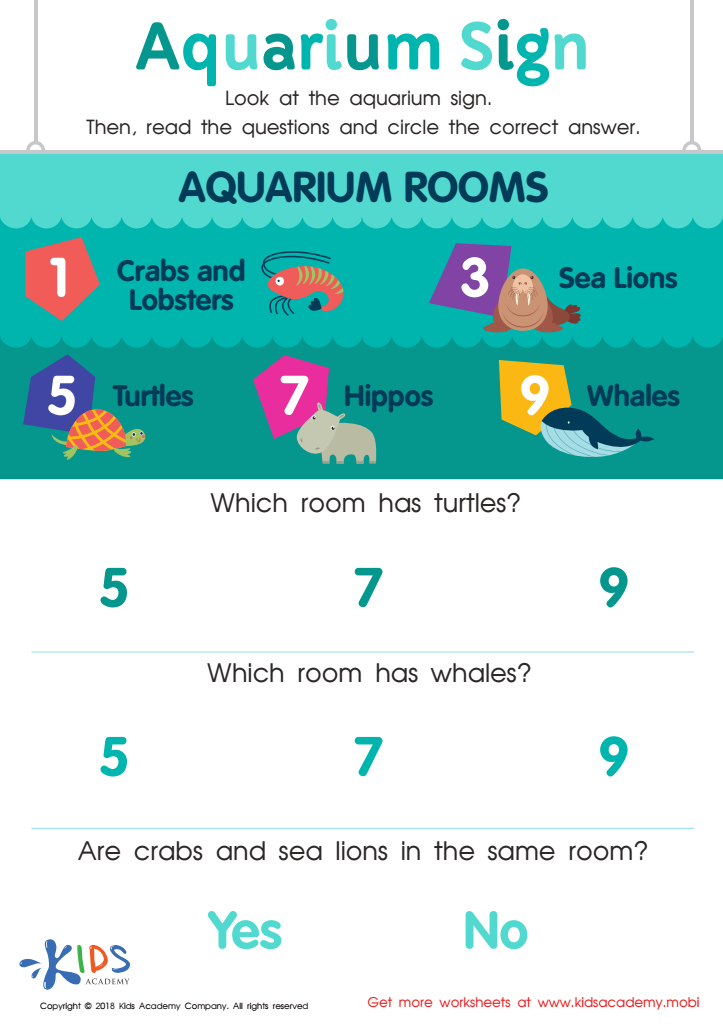
Assessment: Aquarium Sign Worksheet
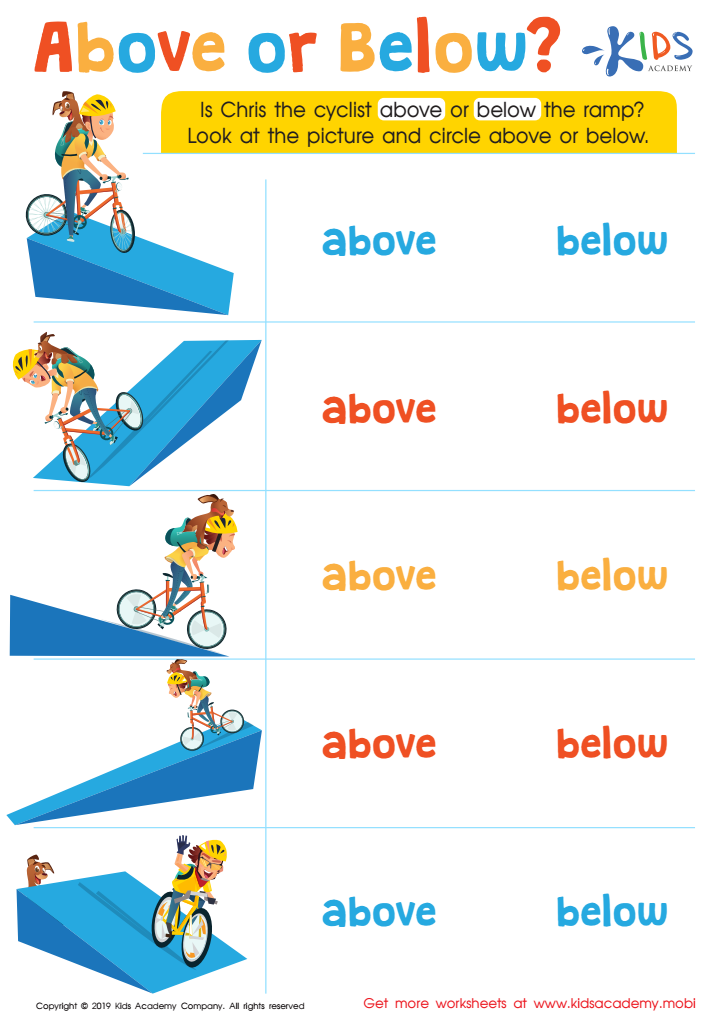
Above or Below? Worksheet


.jpg)




.jpg)
Building a strong vocabulary at an early age is crucial for a child's academic success and overall development. For children aged 6-9, a period often corresponding to early elementary school, vocabulary acquisition plays a vital role in several key areas.
Firstly, a robust vocabulary enhances reading comprehension. When children encounter new words in books, having a larger reservoir of known words helps them understand the text better, thereby fostering a love for reading. This is crucial because reading is foundational to learning in almost all other subject areas.
Secondly, a more extensive vocabulary aids in effective communication. Children with a good command of words can express their thoughts, feelings, and questions more clearly and confidently. This improves relationships with peers and adults and enables richer social interactions.
Furthermore, vocabulary development supports cognitive skills such as memory, critical thinking, and problem-solving. When children learn new words, they are essentially building new neural connections in their brains, which can enhance overall cognitive abilities.
For parents and teachers, focusing on vocabulary-building exercises and activities opens the door to lifelong learning and curiosity in children. It supports a positive educational experience by equipping them with the tools needed for understanding complex concepts as they progress through their academic journey. Encouraging vocabulary development is an investment in a child's future success and well-being.