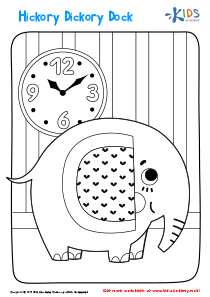
Easy Nursery Rhymes Worksheets for Ages 7-9
4 filtered results
-
From - To
Discover our "Easy Nursery Rhymes Worksheets" designed specifically for children ages 7-9! These engaging worksheets combine fun and learning, helping young learners explore popular nursery rhymes while enhancing their reading, writing, and comprehension skills. Each activity features colorful illustrations and age-appropriate challenges that make learning enjoyable. From fill-in-the-blanks to matching exercises, kiddos will delve into rhythm, rhyme, and vocabulary through interactive tasks. Perfect for home, classroom, or remote learning, our worksheets encourage creativity and foster a love for poetry and music. Download your favorites today to spark imagination and build essential literacy skills through the timeless joy of nursery rhymes!
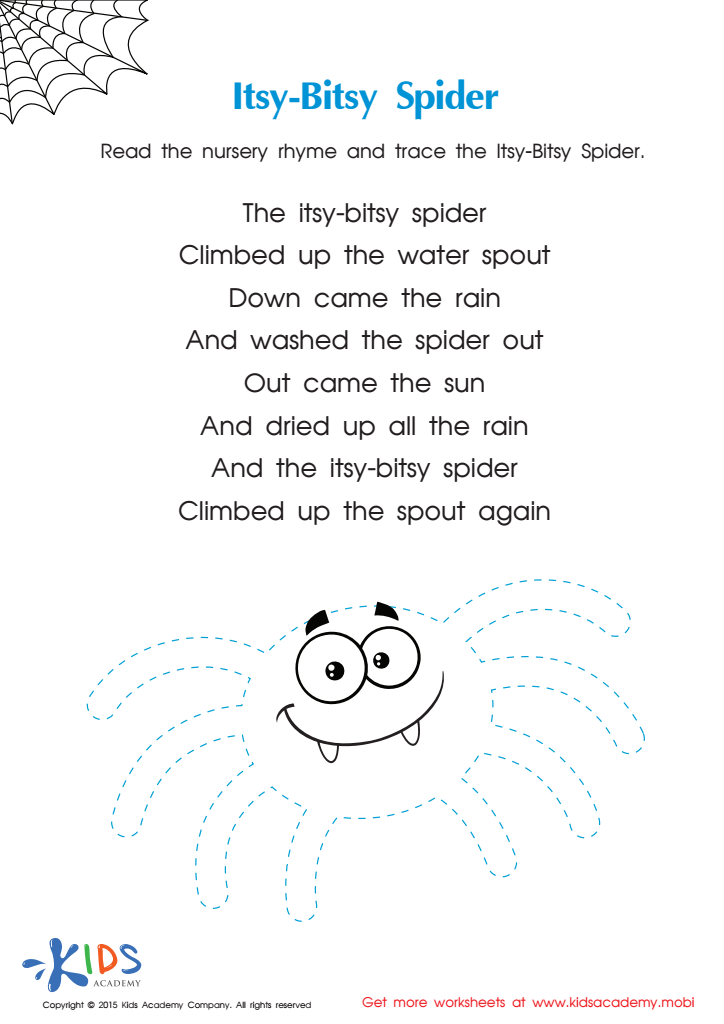
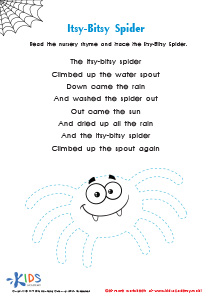
Itsy Bitsy Spider Nursery Rhyme PDF Worksheet
 Assign to My Students
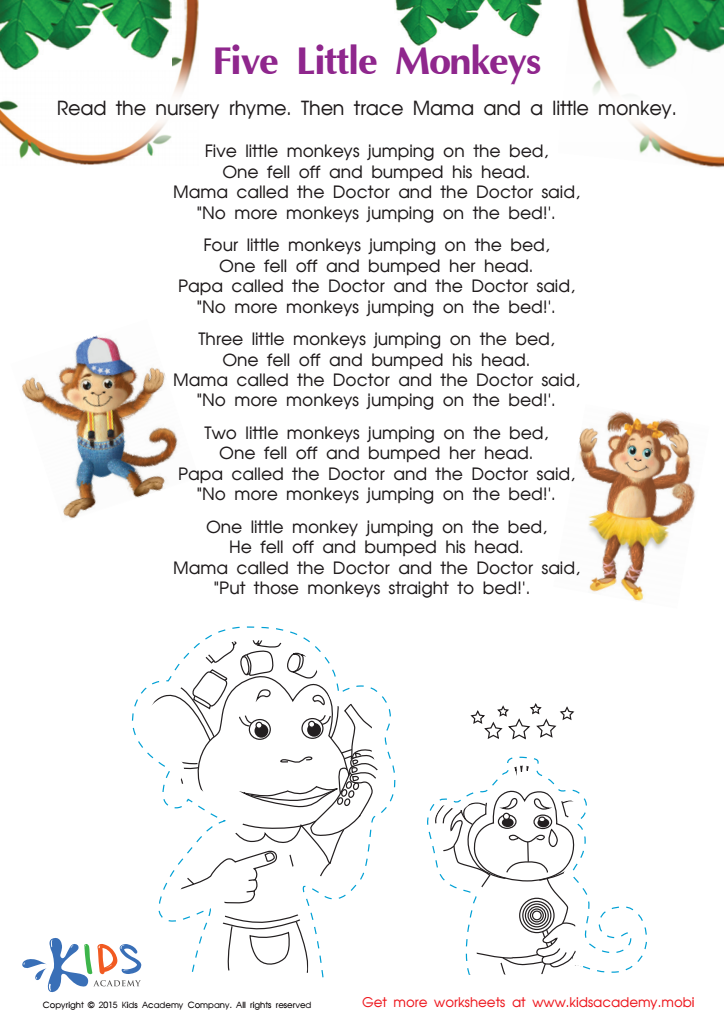
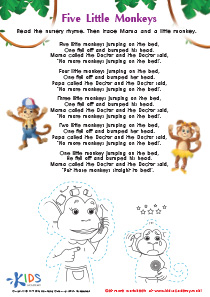
The Five Little Monkeys Nursery Rhyme Worksheet
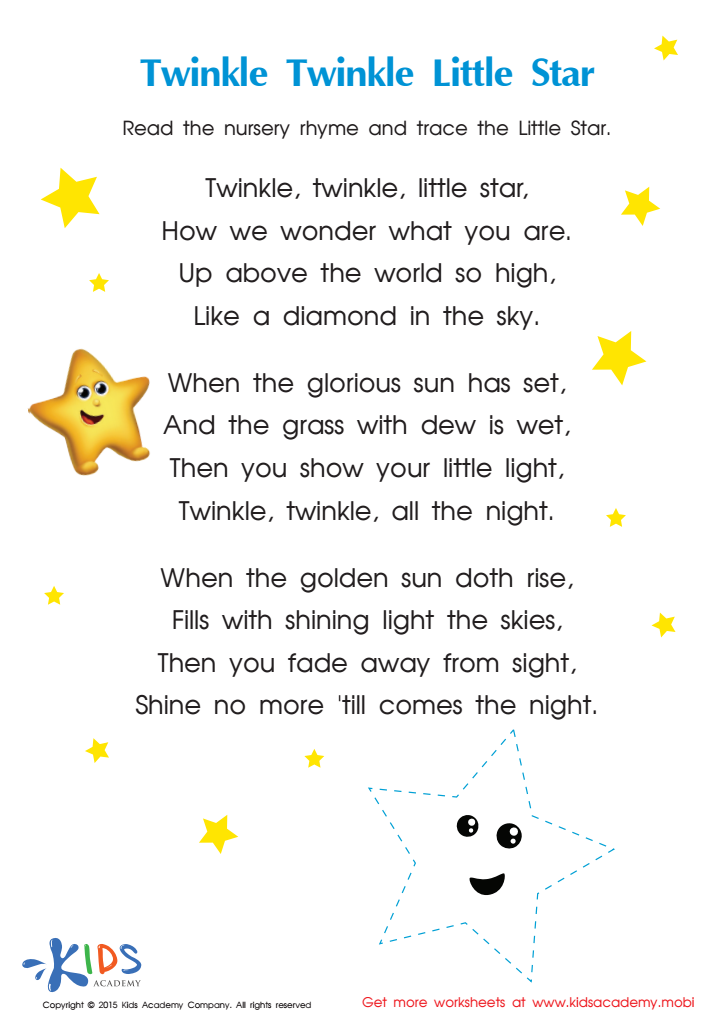
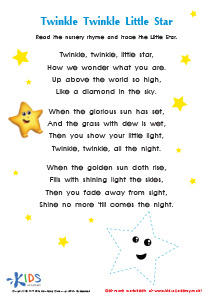
Nursery Rhymes: Twinkle Little Star Worksheet
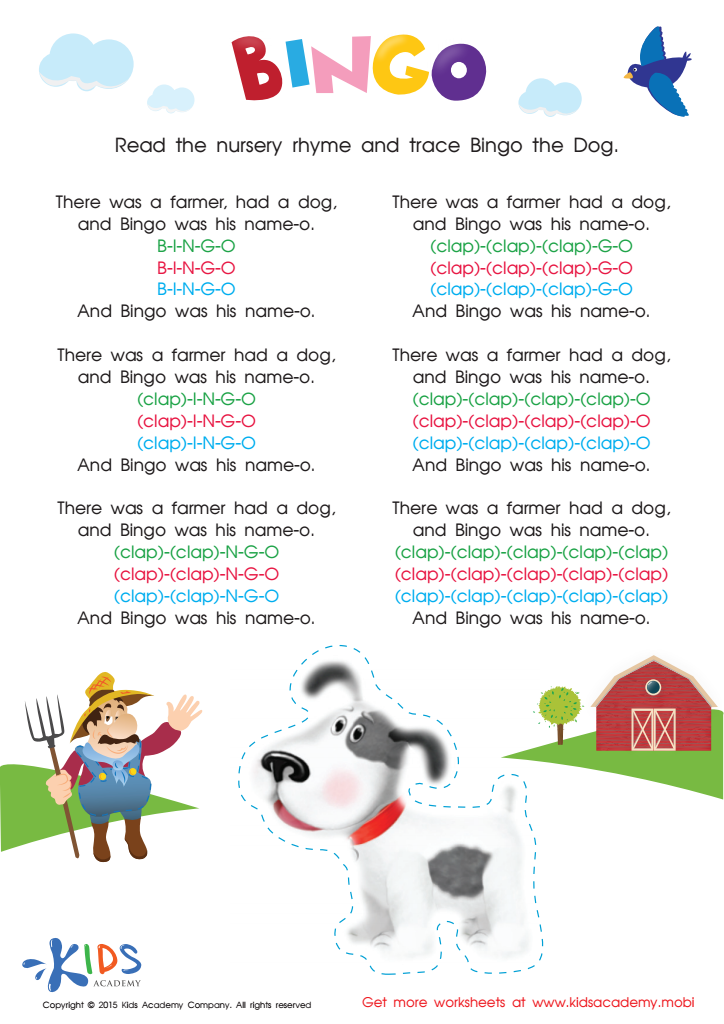
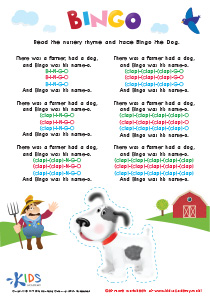
Nursery Rhymes: The Bingo Song Worksheet







Parents and teachers should prioritize easy nursery rhymes for children aged 7-9 because these timeless verses play a crucial role in language development and literacy skills. At this age, children are refining their reading abilities and developing vocabulary; nursery rhymes offer a fun and engaging way to introduce new words, enhance phonemic awareness, and improve pronunciation. The rhythm and repetition found in nursery rhymes make learning enjoyable and aid in memory retention.
Moreover, nursery rhymes often carry important cultural and social lessons, fostering emotional growth and an understanding of the world. They can spark conversations about values, morals, and even history. Additionally, singing or reciting nursery rhymes promotes auditory skills and can enhance listening abilities, which are foundational for effective communication.
From a social perspective, engaging in nursery rhymes can create bonding moments between parents, caregivers, and children. These shared experiences foster creativity and imagination, as children can create their own verses or adapt classics.
Overall, incorporating easy nursery rhymes into education and home life allows children to build foundational skills, enjoy rich linguistic experiences, and cultivate meaningful connections, making them an invaluable tool for growth during the formative ages of 7-9.