Filters

36 filtered results

Clear all filters
Favorites
With answer key
Interactive

36 filtered results

Difficulty Level

Grade


Check out this FREE Trial Lesson on Reading Comprehension for age 7-9!

Make Connections to Text and Self

Favorites
With answer key
Interactive
  • 7-9
  • With answer key
  • Reading Comprehension
  • Easy
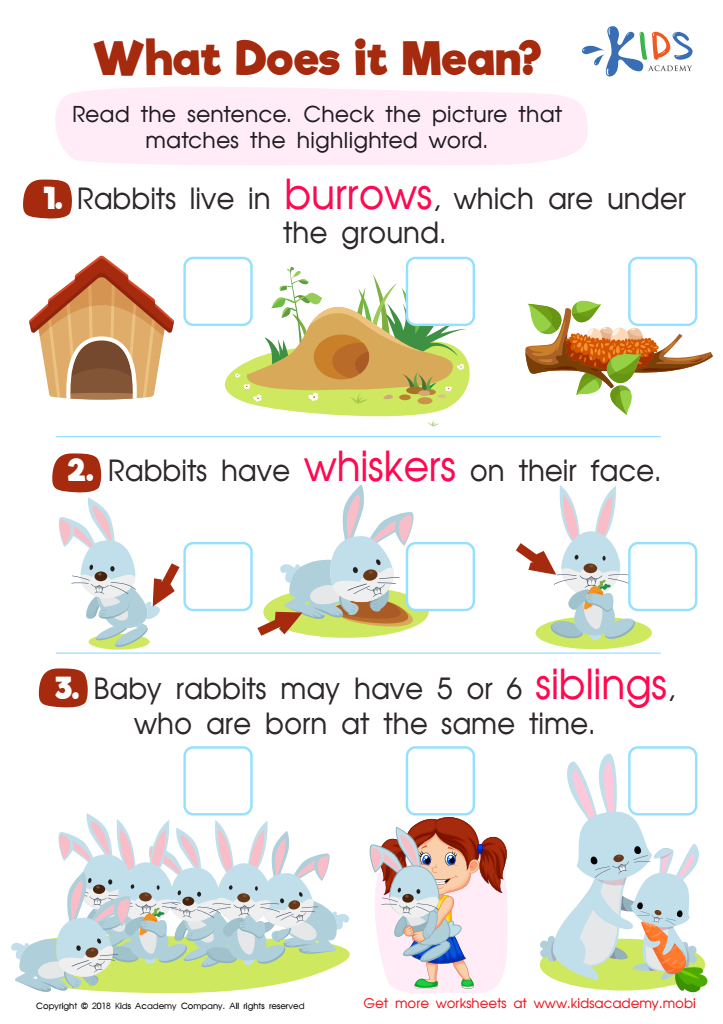
What Does It Mean? Worksheet

What Does It Mean? Worksheet

Teach your child to use context clues with this engaging Kids Academy worksheet. Read the sentences and find the pink-highlighted word. Use the other words in the sentence to figure out the meaning, then check the box next to the picture that represents it.
What Does It Mean? Worksheet
Worksheet
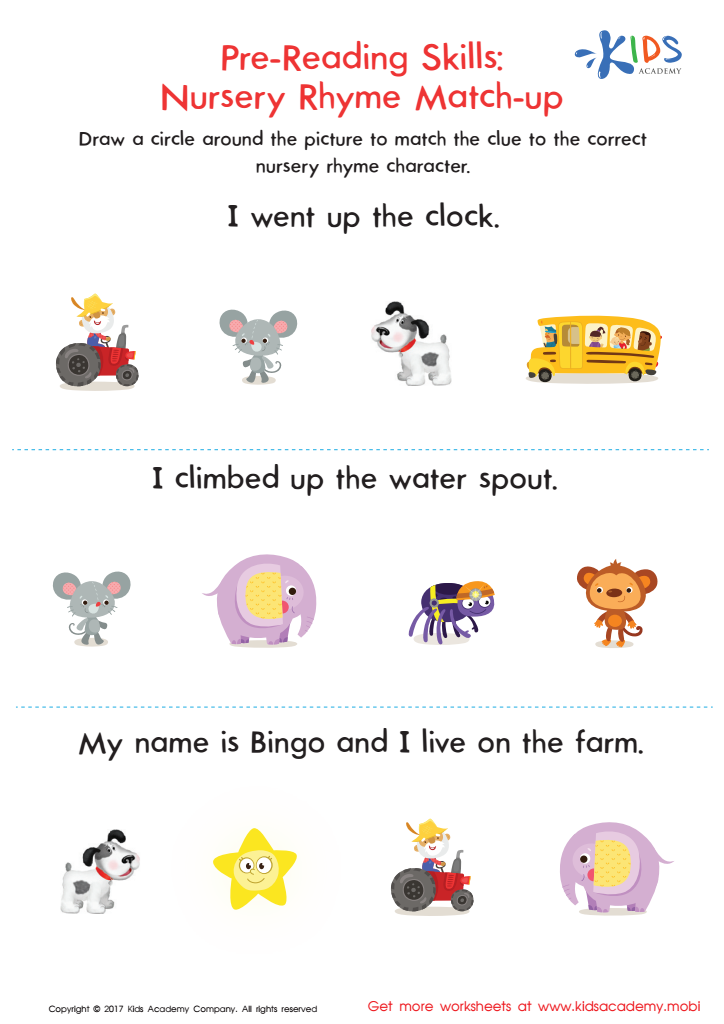
Nursery rhyme match-up worksheet

Nursery Rhyme Match–Up Worksheet

This worksheet helps kids build pre-reading skills using stories they know and love! By connecting with prior knowledge, kids can develop ideas about characters and set the stage for reading strategies.
Nursery Rhyme Match–Up Worksheet
Worksheet
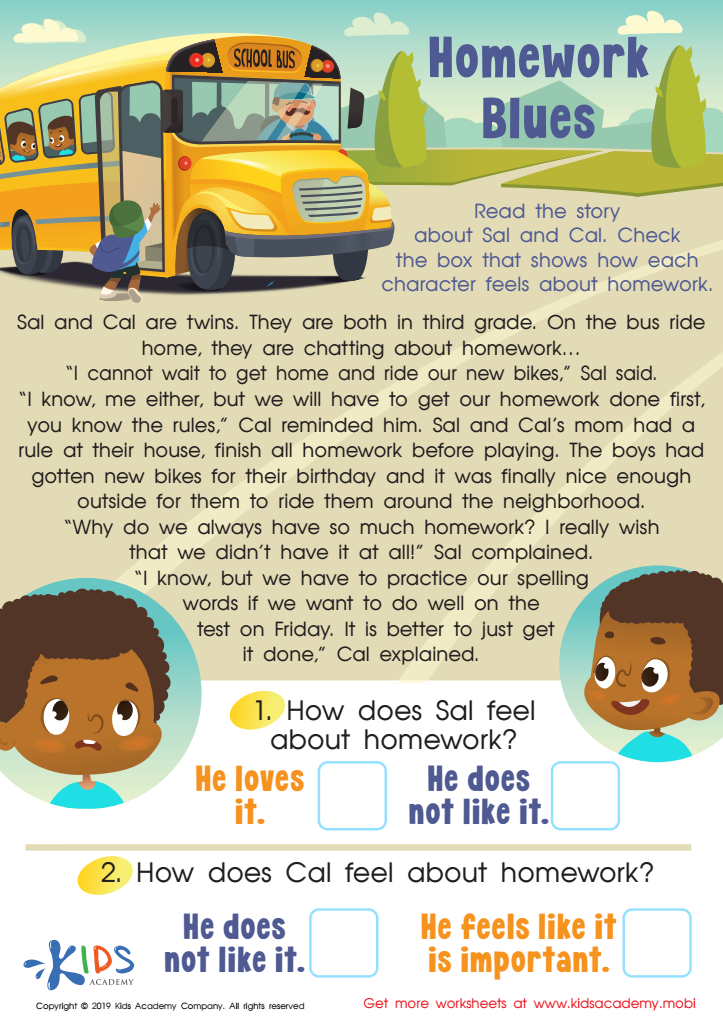
Homework Blues Worksheet

Homework Blues Worksheet

Cal and Sal don't love doing homework, just like your kids. Use this worksheet to help your children understand why homework is important. Read the passage together and then answer the questions at the bottom of the page. It's a fun way to learn together!
Homework Blues Worksheet
Worksheet
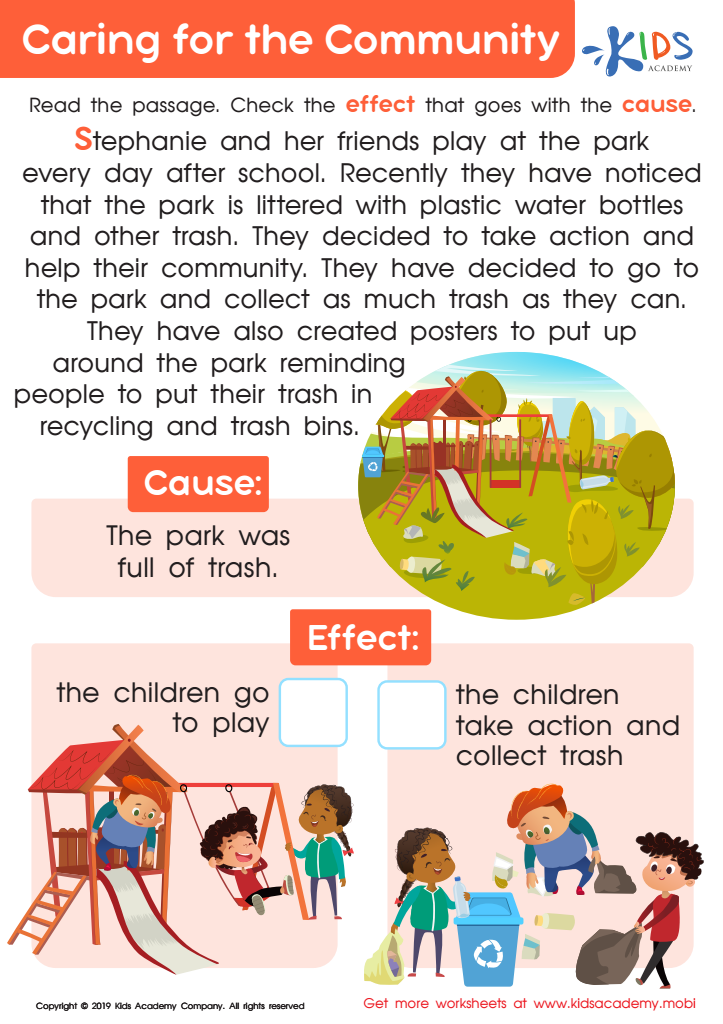
Caring for the Community Worksheet

Caring for the Community Worksheet

Before beginning, get your kids in the right mind-set by having them name ways to care for their community. Read the passage with them, pointing at pictures, then ask them to match the ‘cause’ with the ‘effect’ on the worksheet. This will help them learn more about how to care for their community.
Caring for the Community Worksheet
Worksheet
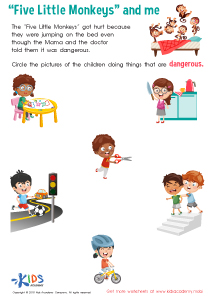
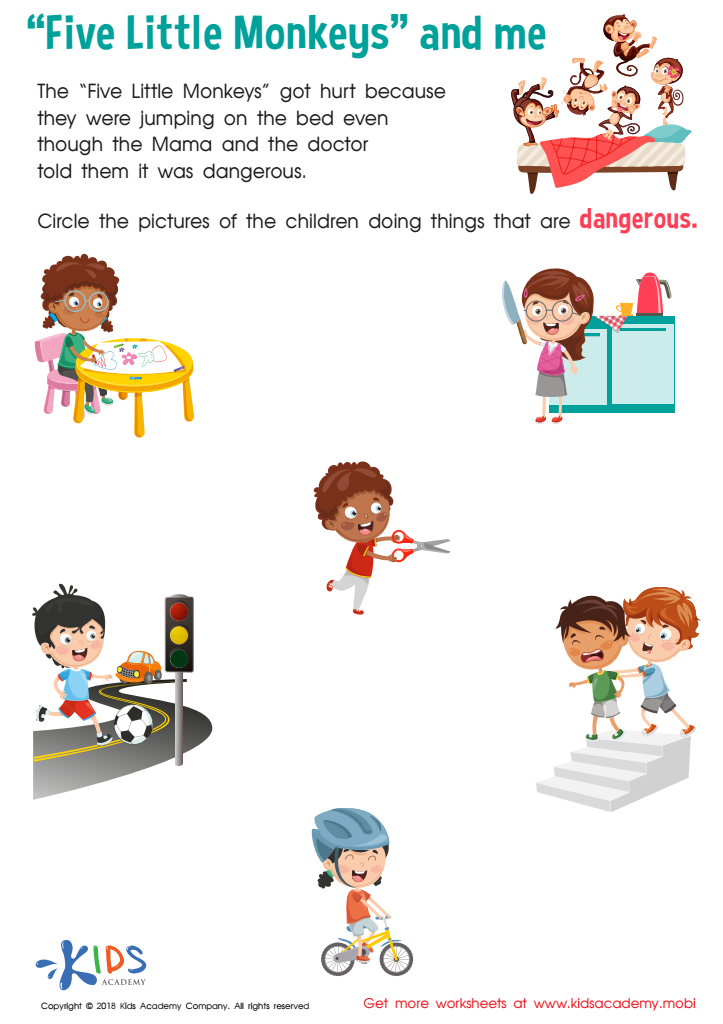
Five Little Monkeys and Me Worksheet

Five Little Monkeys and Me Worksheet

This free PDF worksheet provides preschoolers an understanding of danger and appropriate play. It allows them to recognize dangerous situations and why they can be risky, granting kids perspective from both parents and teachers. It's a fun, safe way to help them internalize what's dangerous and what's not.
Five Little Monkeys and Me Worksheet
Worksheet
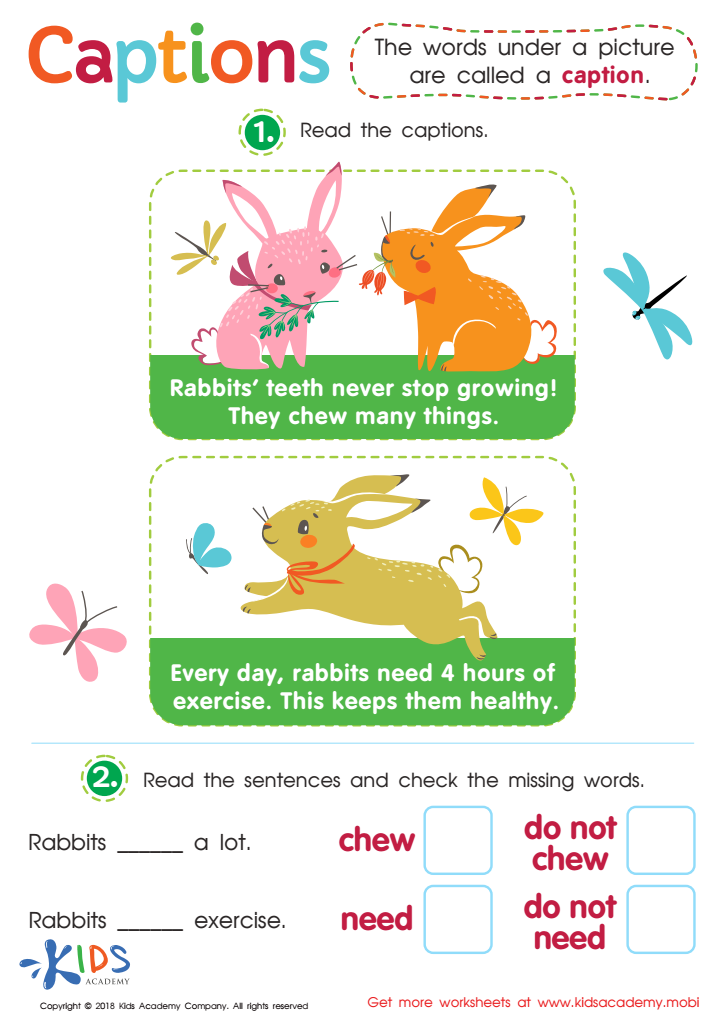
Captions Worksheet
Captions Worksheet

Captions Worksheet

Pictures are key elements of informational texts. Sometimes, captions are added to describe them. Help your child improve their reading habits and comprehension by teaching them about captions. This worksheet introduces the concept, then asks questions to assess your child's understanding.
Captions Worksheet
Worksheet
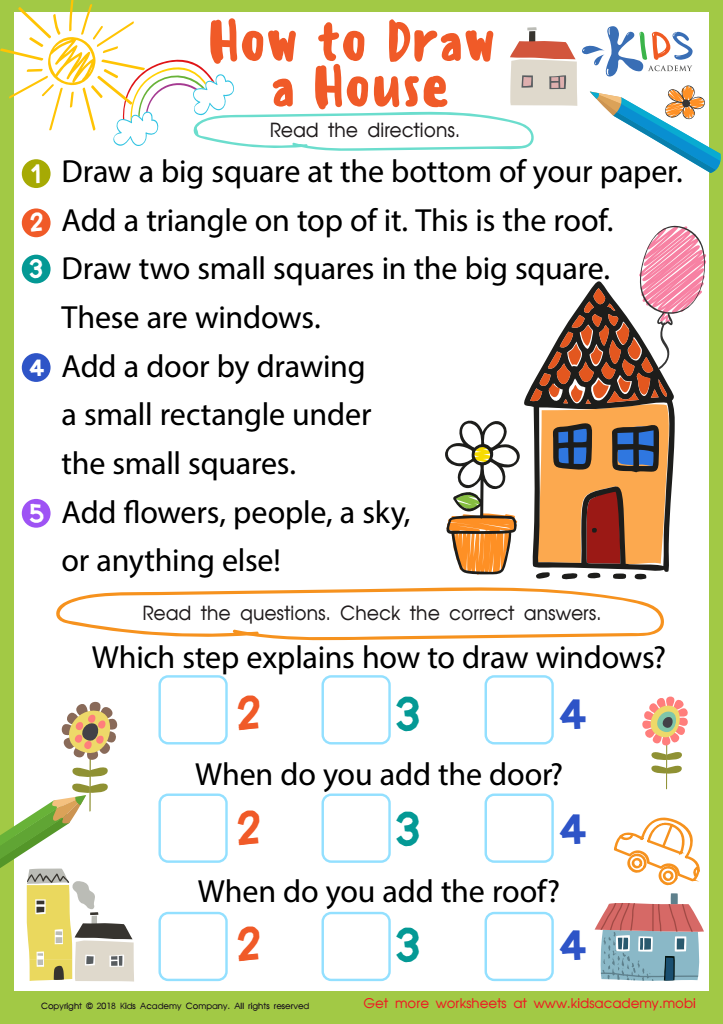
How to Draw House Worksheet

How to Draw House Worksheet

Does your child love to draw? Why not try teaching them some easy tricks? Get them to follow directions on this worksheet and learn how to draw a house. Read the questions at the end and ensure they get the answers right. Your kids will surely love it!
How to Draw House Worksheet
Worksheet
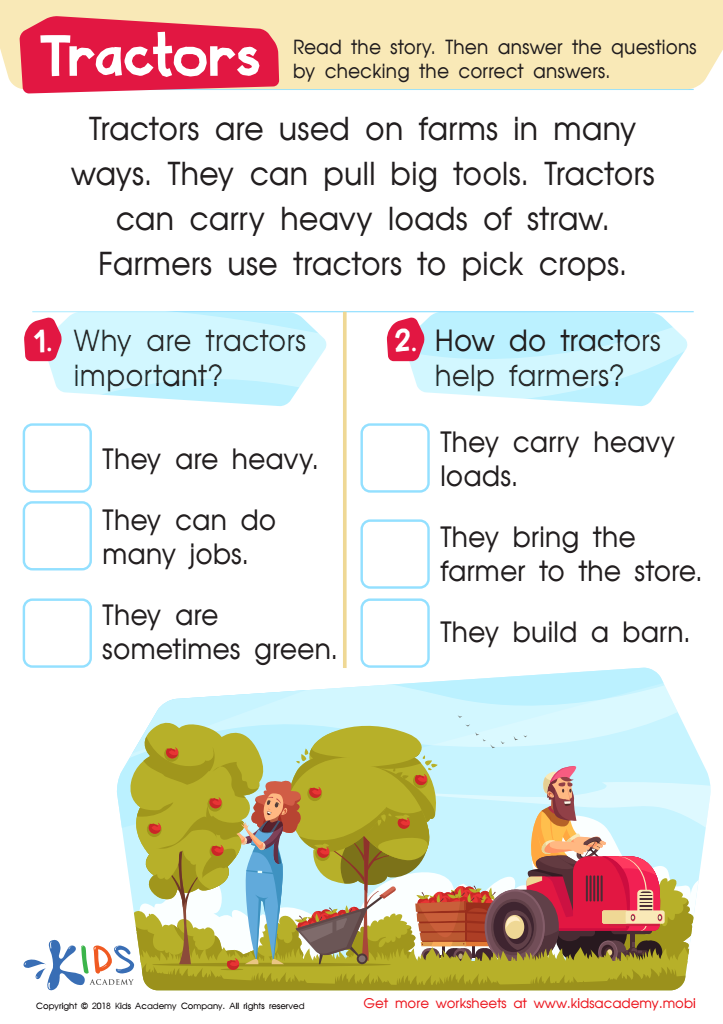
Tractors Worksheet
Tractors Worksheet

Tractors Worksheet

Kids love tractors! Let them read about what they do, what they use, and who uses them with this free worksheet. After reading, they can answer reading comprehension questions to test their knowledge; multiple choices make it easy! Little do they know, they're boosting their literacy skills along the way!
Tractors Worksheet
Worksheet
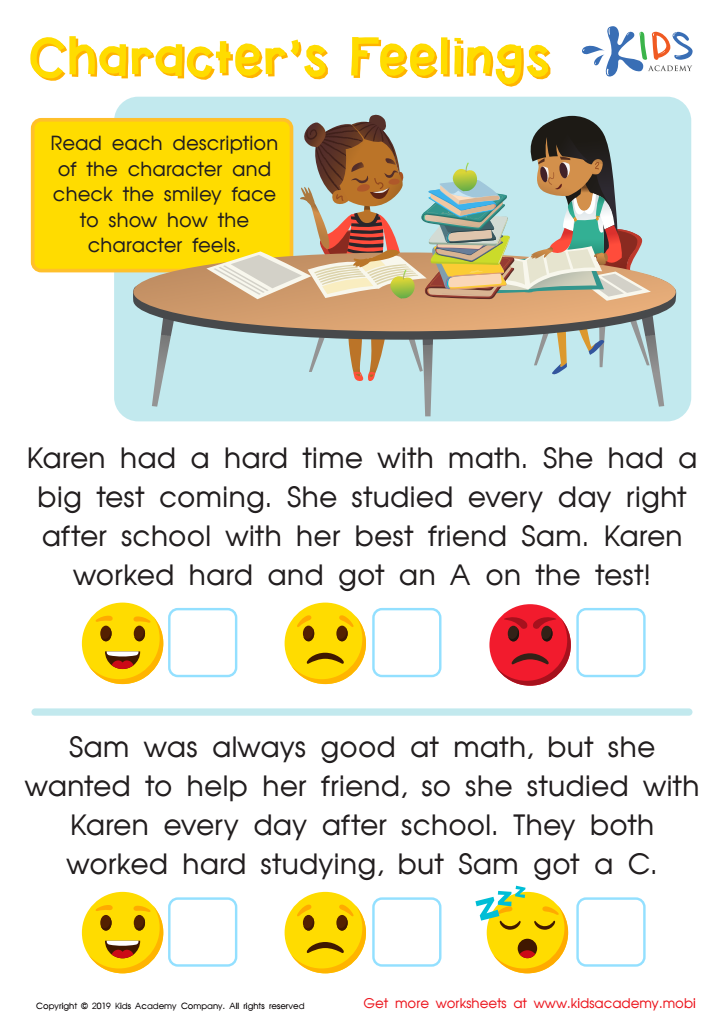
Character’s Feelings Worksheet

Character’s Feelings Worksheet

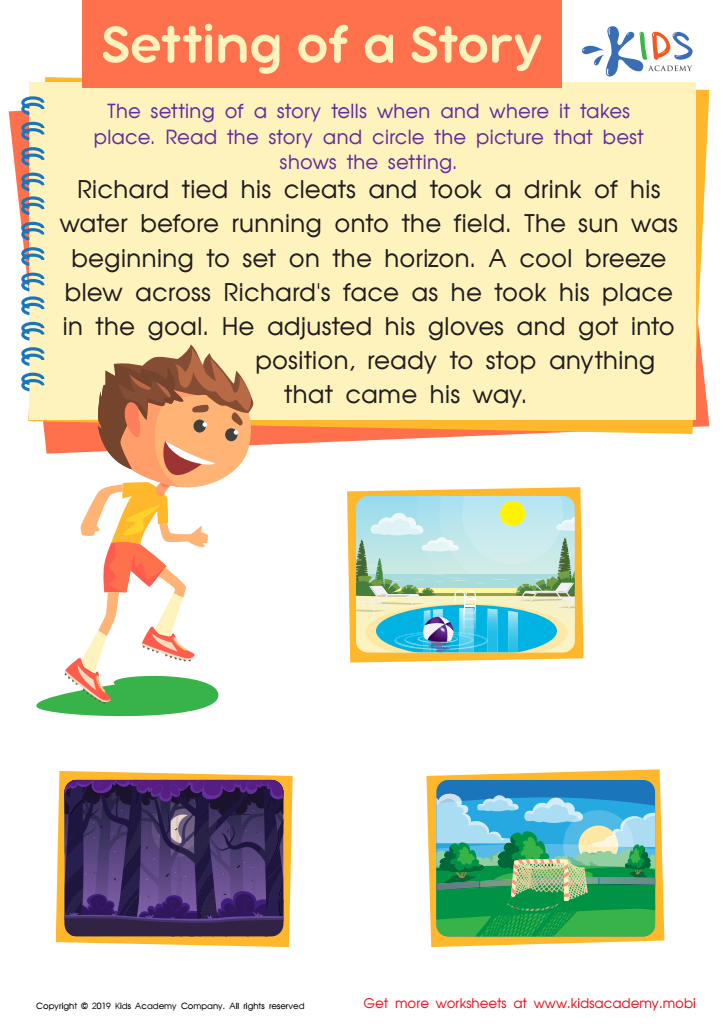
To help your child with reading and writing, encourage them to read simple texts and comprehension passages. This will help them learn new words, build their grammar and practice their reading skills. Go through a worksheet together, read the character descriptions then ask your child to pick the smiley face which shows how the character feels.
Character’s Feelings Worksheet
Worksheet
Setting of a Story Worksheet

Setting of a Story Worksheet

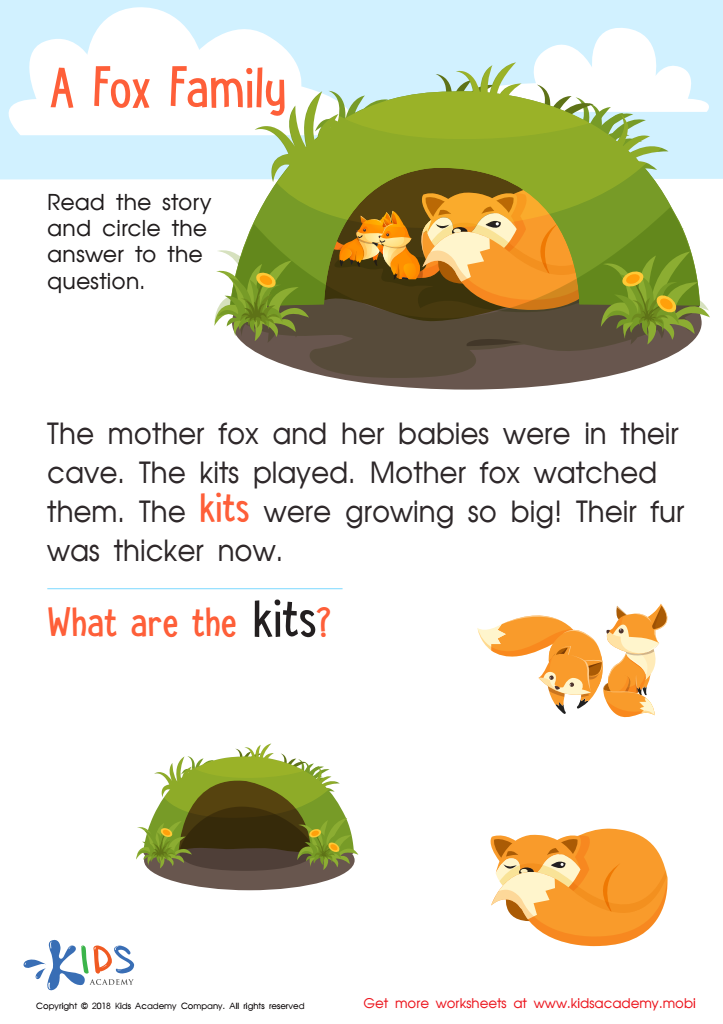
You need characters, theme, POV, plot and setting to tell a good story. Ask your kids to explain them and use this worksheet with a story to teach them about setting. Read the story with your kids, then have them circle the picture that best shows the setting.
Setting of a Story Worksheet
Worksheet
A Fox Family Worksheet

A Fox Family Worksheet

Reading is an easy way to learn new words. This worksheet introduces an interesting story about a fox family, teaching your child that "kits" refers to baby foxes. Read the text together and circle the picture to answer the question.
A Fox Family Worksheet
Worksheet
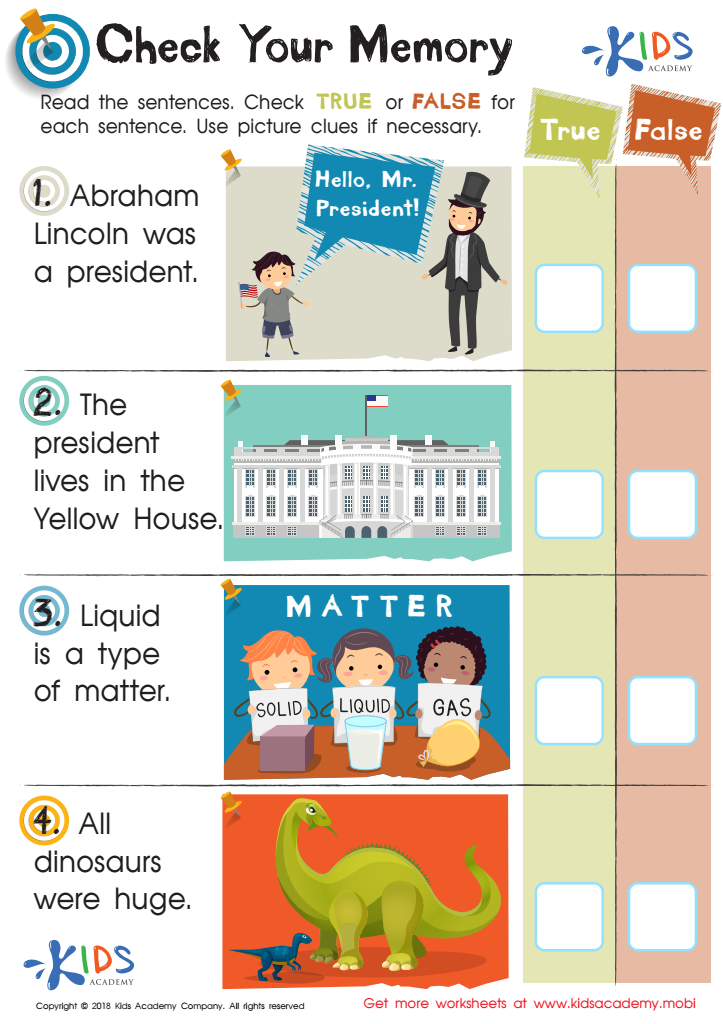
Check Memory Worksheet

Check Memory Worksheet
Assisting your kids with their homework and using worksheets is a great way for them to learn. The vibrant visuals in this printout can help stimulate the mind and motivate your child. Have them read the sentences and then point to the associated images. Afterwards, ask them to state True or False for each sentence. If they are still uncertain, offer them the picture clues to assist further.
Check Memory Worksheet
Worksheet


Easy reading comprehension for ages 7-9 is crucial for several reasons. At this developmental stage, children are transitioning from learning to read to reading to learn. Effective comprehension skills foster a love for reading, enabling children to engage with texts meaningfully. When parents and teachers prioritize comprehension, they encourage kids to think critically about what they read, enhancing their ability to summarize, infer, and evaluate information.

Strong reading comprehension lays the foundation for future academic success, as the skills acquired during these formative years are transferable across subjects. Moreover, comprehension impacts a child's confidence; when children understand what they read, they are more likely to participate in discussions, express their opinions, and ask questions, leading to enhanced cognitive and social skills.

Additionally, developing these skills at an early age helps children grasp complex concepts later on, preparing them for higher cognitive tasks in school. Parents and teachers play a pivotal role in this journey, providing encouragement and resources that nurture comprehension. Their involvement can include discussing stories, asking open-ended questions, and promoting a rich literacy environment at home and in the classroom, ultimately setting children on a path to becoming lifelong readers and learners.