Extra Challenge Building Vocabulary Worksheets for Ages 4-7 - Page 2
27 filtered results
-
From - To
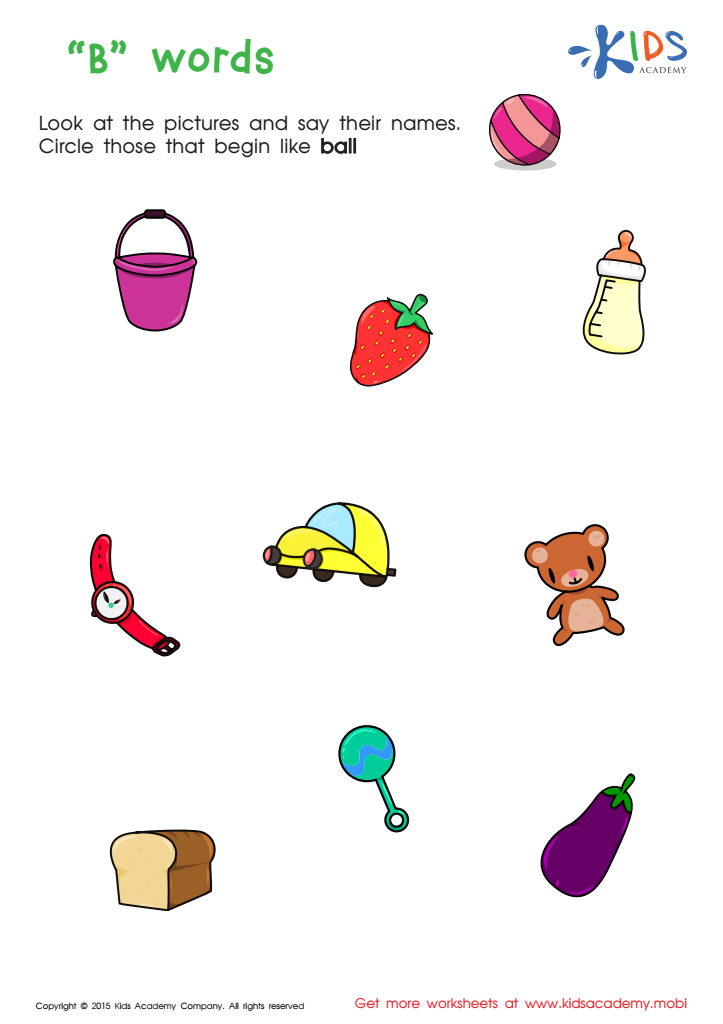
First Words Worksheet
 Assign to My Students











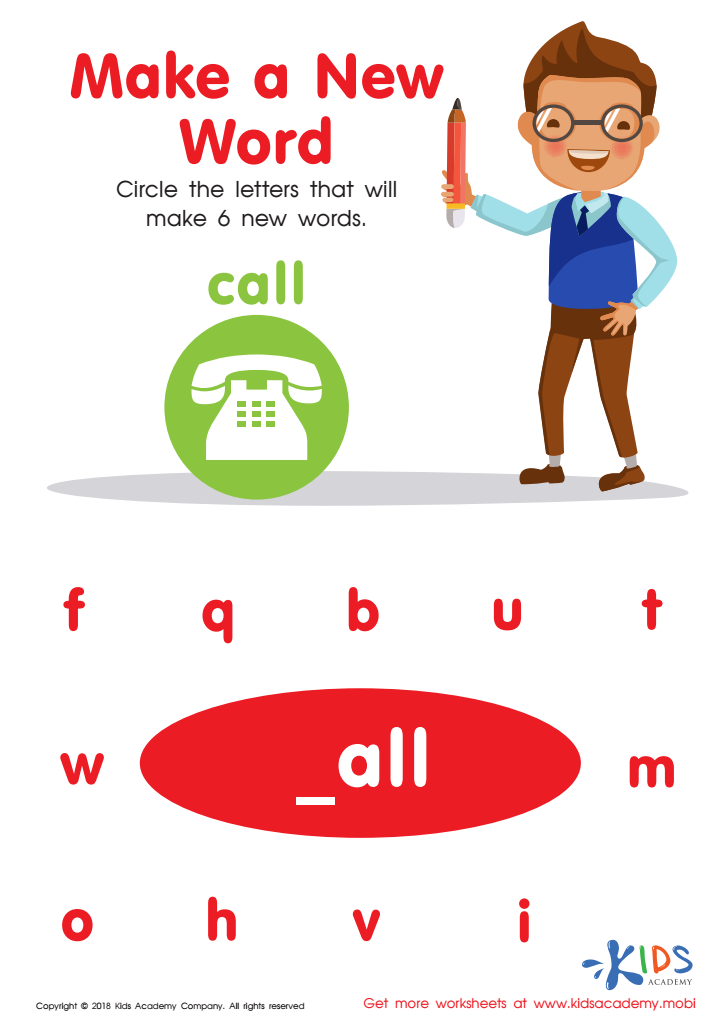
Make a New Word Worksheet
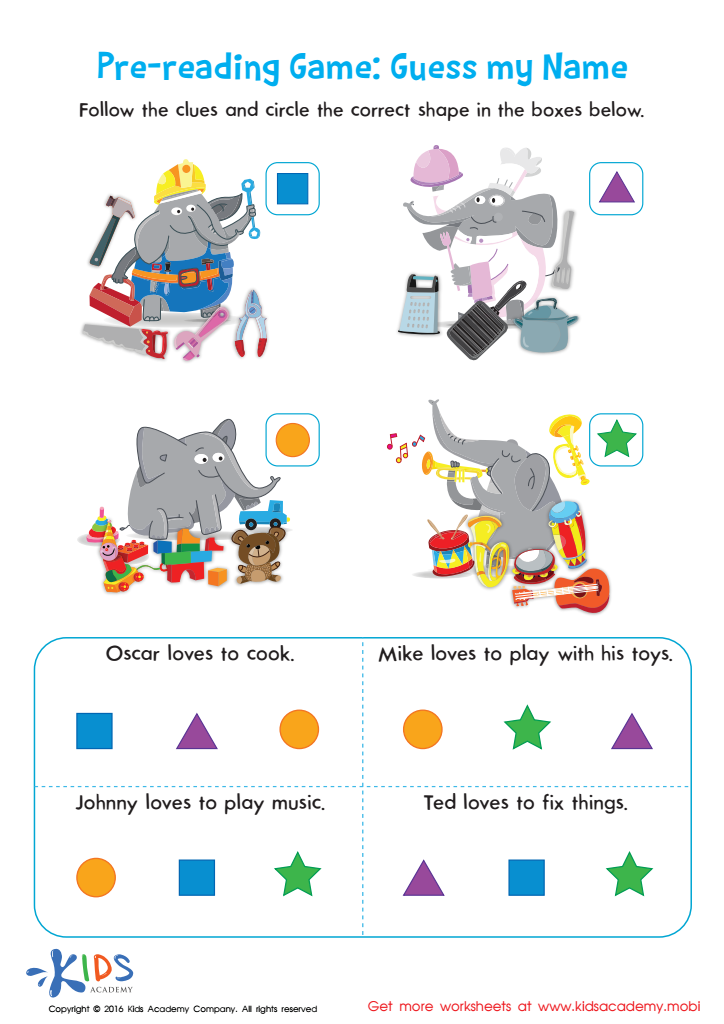
Pre Reading Worksheet Guess My Name





.jpg)

Extra Challenge Building Vocabulary for Ages 4-7 is crucial for the developmental growth of children and lays the foundation for their future academic success. During these formative years, children's language skills thrive through exposure, interaction, and practice. A robust vocabulary enhances their ability to express thoughts clearly, comprehend reading materials, and engage in meaningful conversations.
Parents and teachers should care because an enriched vocabulary leads to improved literacy skills. Children with a diverse range of words are better prepared to tackle reading and writing assignments as they progress in school. Furthermore, a strong vocabulary boosts confidence in communication, empowering children to share ideas and interact socially, which is essential for emotional development.
By focusing on vocabulary-building activities, parents and teachers foster an environment where curiosity thrives. Introducing new words through games, storytelling, and everyday conversations makes learning fun and relatable. This initiative not only supports academic achievements but also nurtures a lifelong love for language and learning.
Ultimately, promoting vocabulary growth in young children prepares them to navigate an increasingly complex world, fostering critical thinking and creativity. Investing in this foundational skill today enriches their tomorrow.