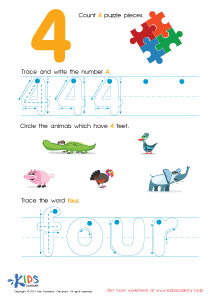
Extra Challenge Comparing Numbers Worksheets for Ages 5-7
4 filtered results
-
From - To
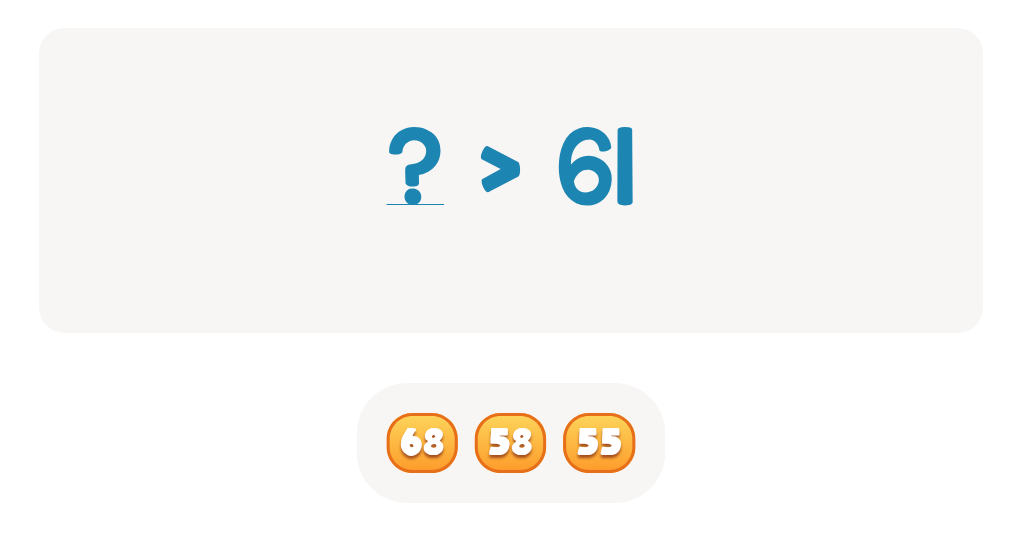
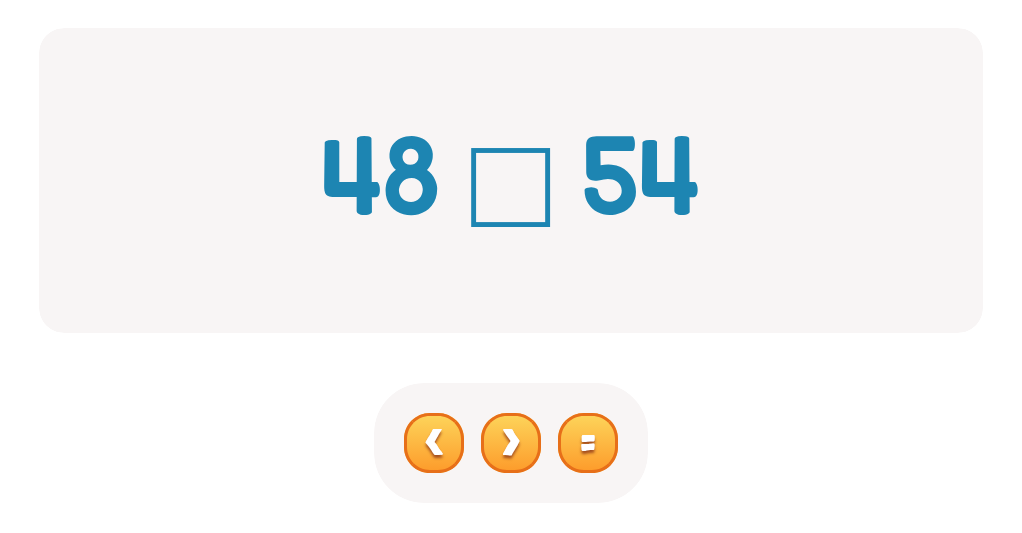
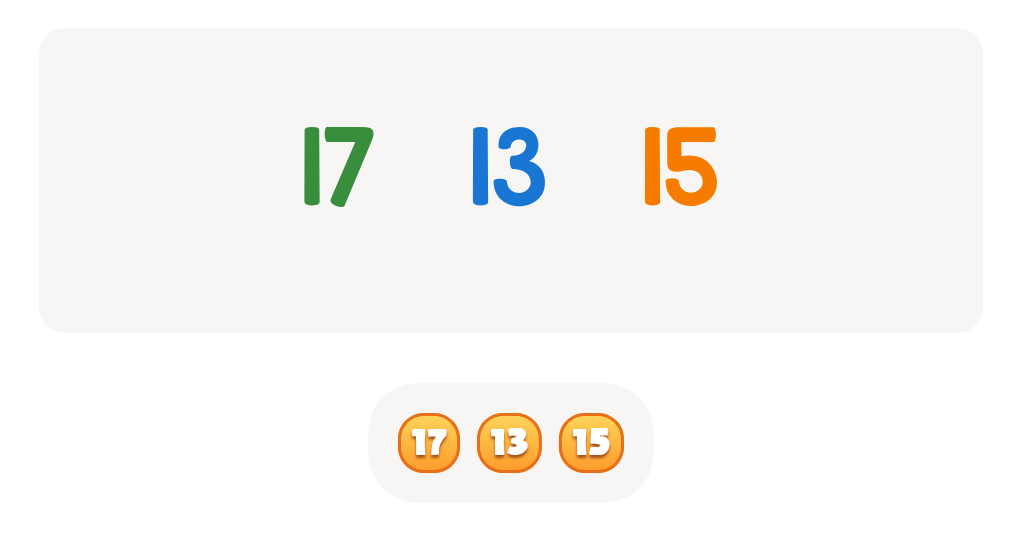
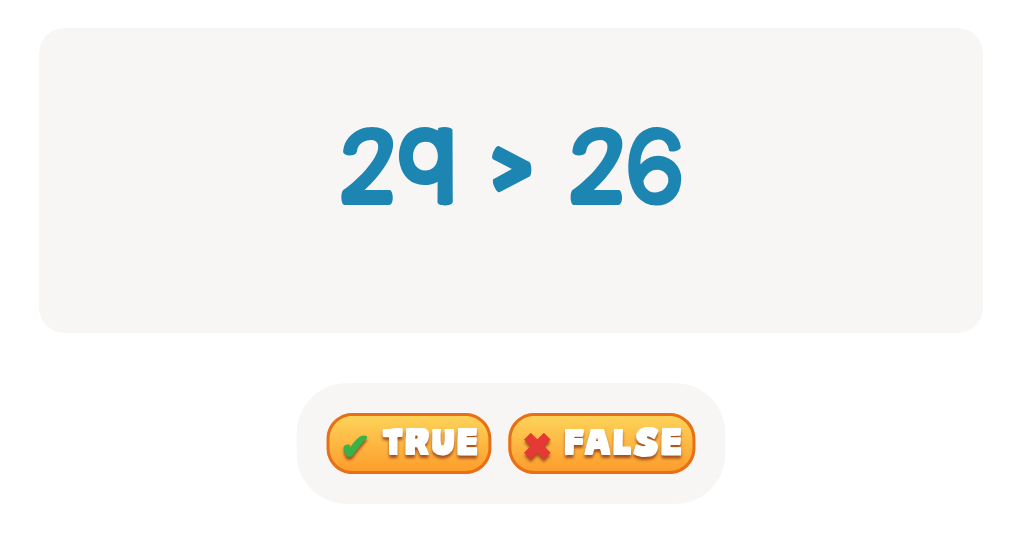
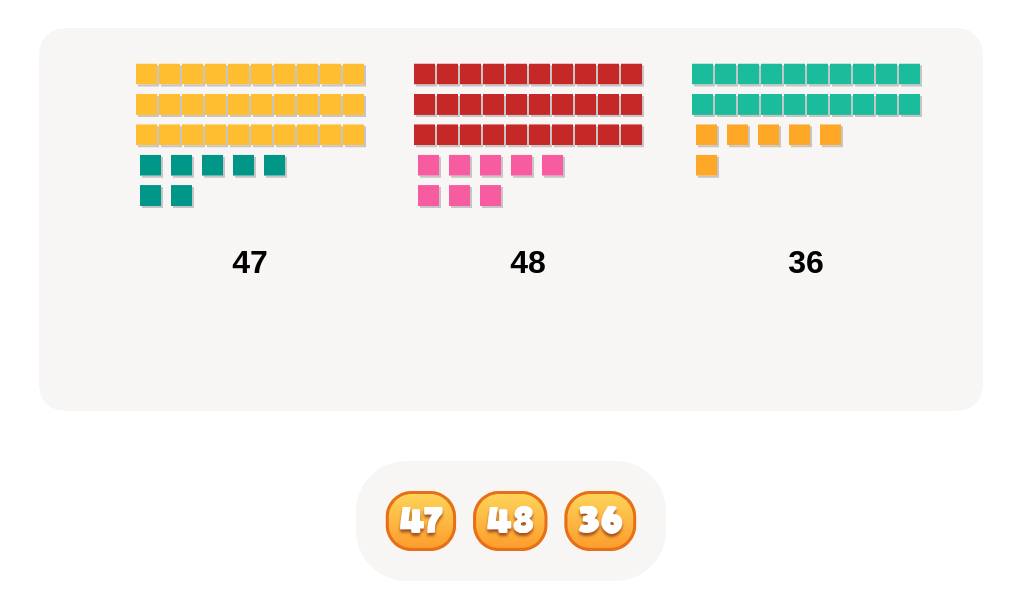
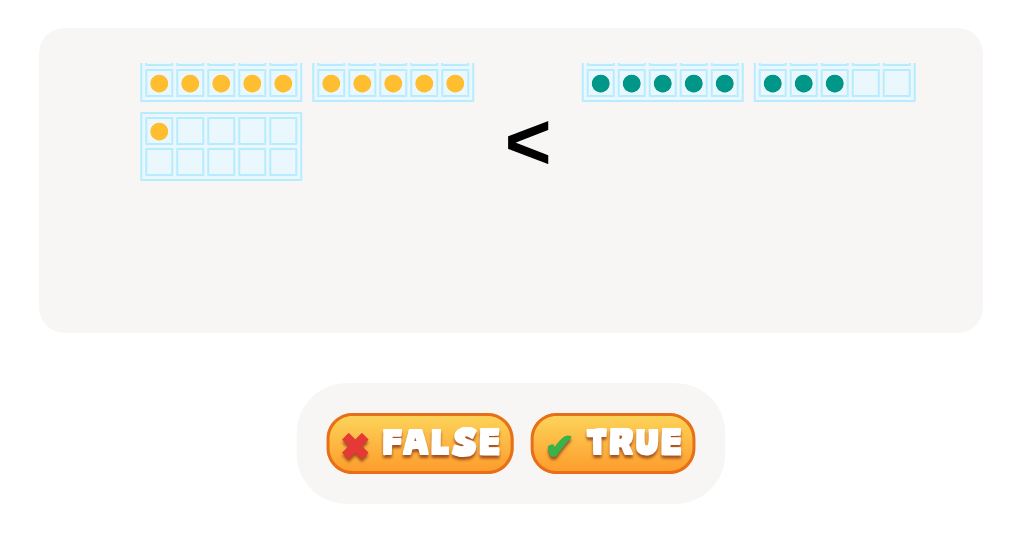
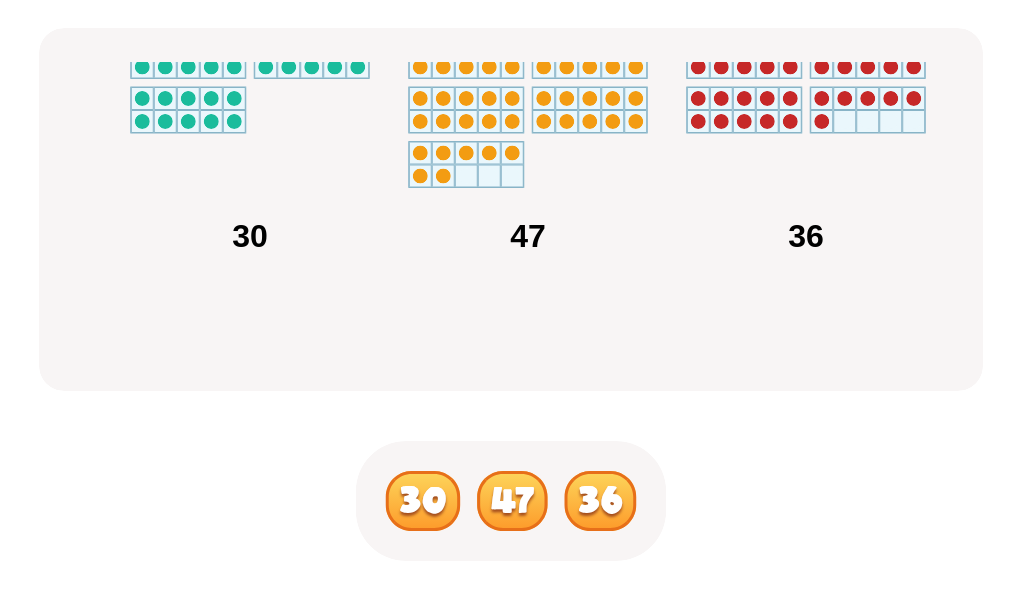
Discover our "Extra Challenge Comparing Numbers Worksheets for Ages 5-7," designed to boost your child's critical thinking and math skills! Perfect for young learners eager to advance, these engaging worksheets provide a variety of tasks that promote the understanding of numerical concepts. Children will practice comparing numbers, identifying the bigger or smaller figures, and using comparison symbols. Each worksheet is thoughtfully crafted to make learning fun and challenging, helping to solidify foundational math skills. Ideal for both classroom and at-home learning, these worksheets ensure your little ones stay ahead and nurture a love for math.
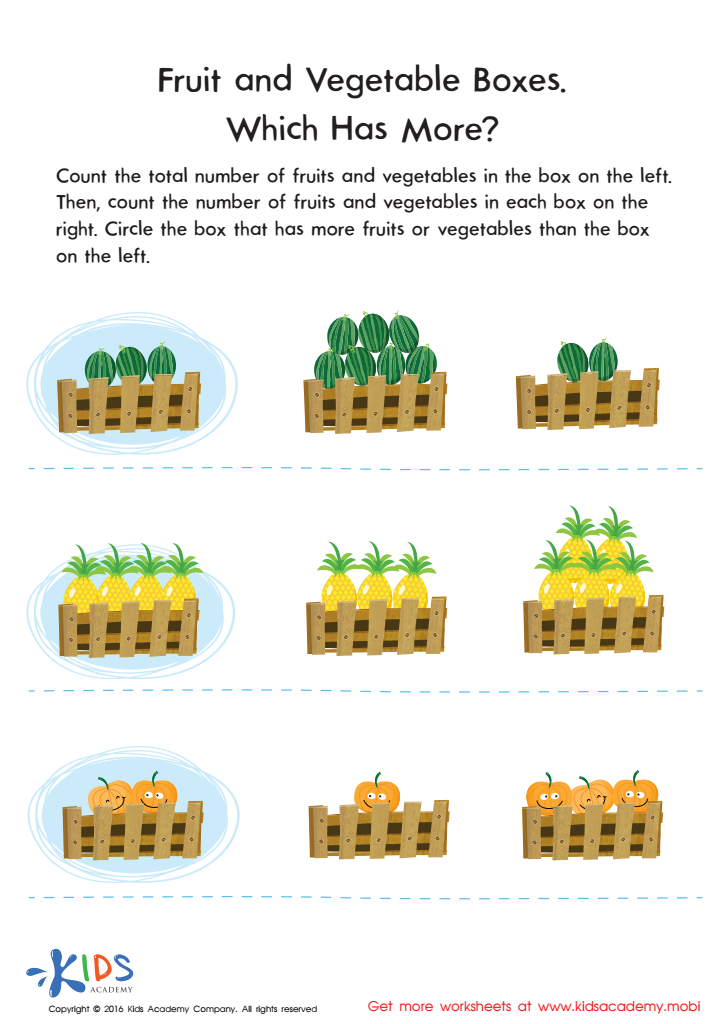
Which Has More? Size Worksheet
 Assign to My Students
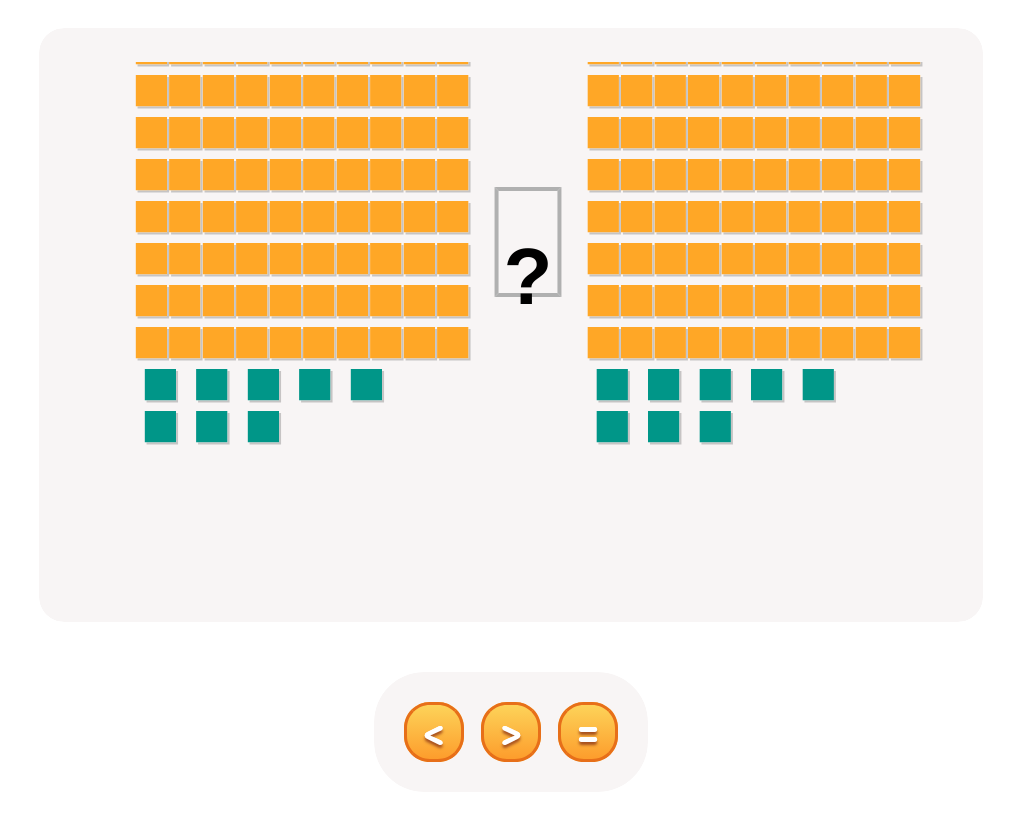

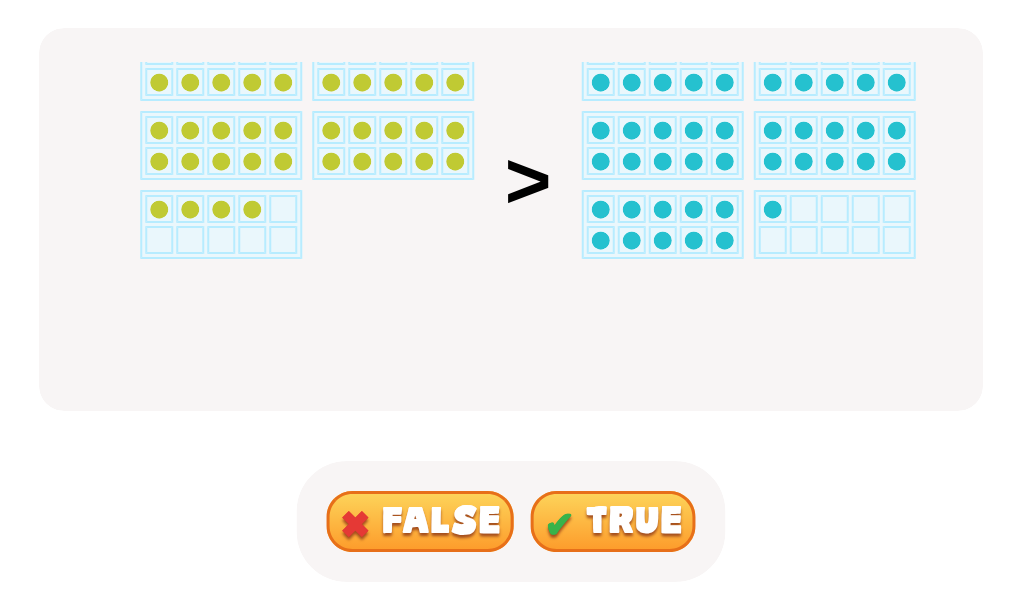
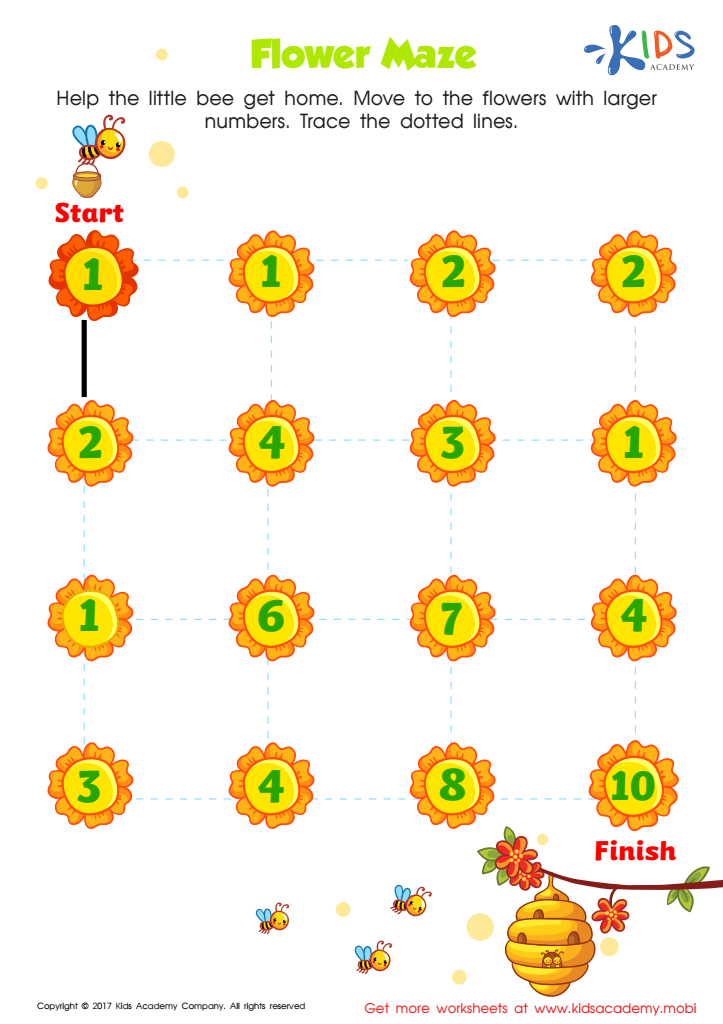
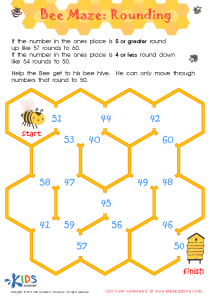
Number Maze For Kindergarten Printable
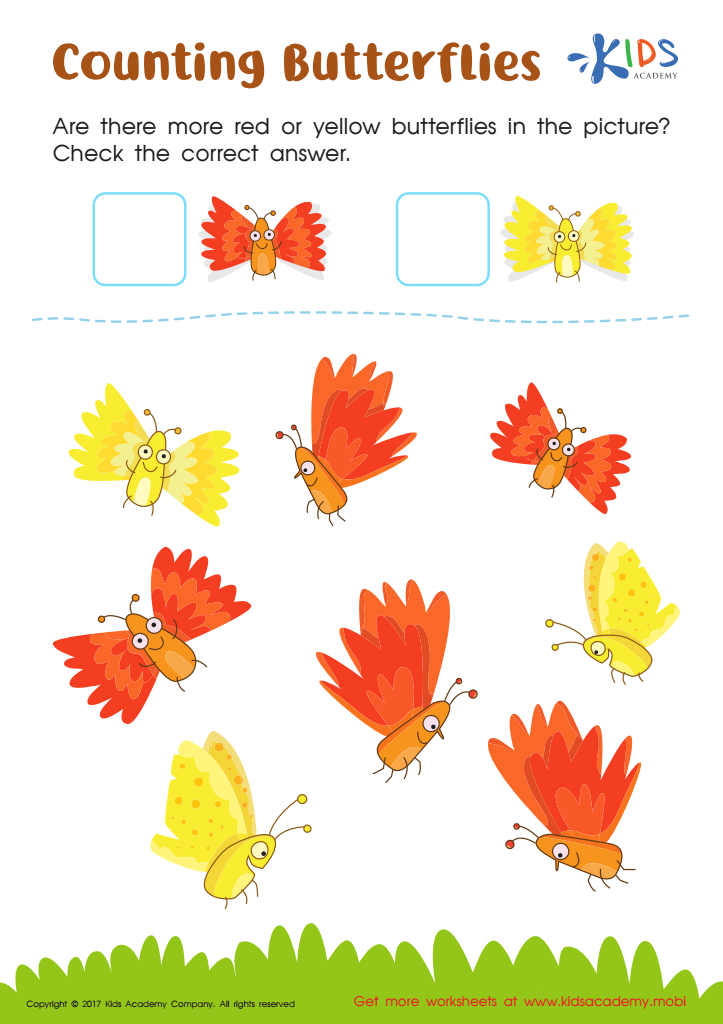
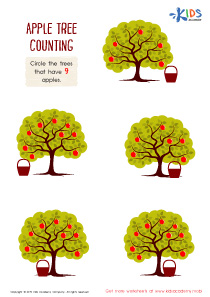
Counting Butterflies Worksheet
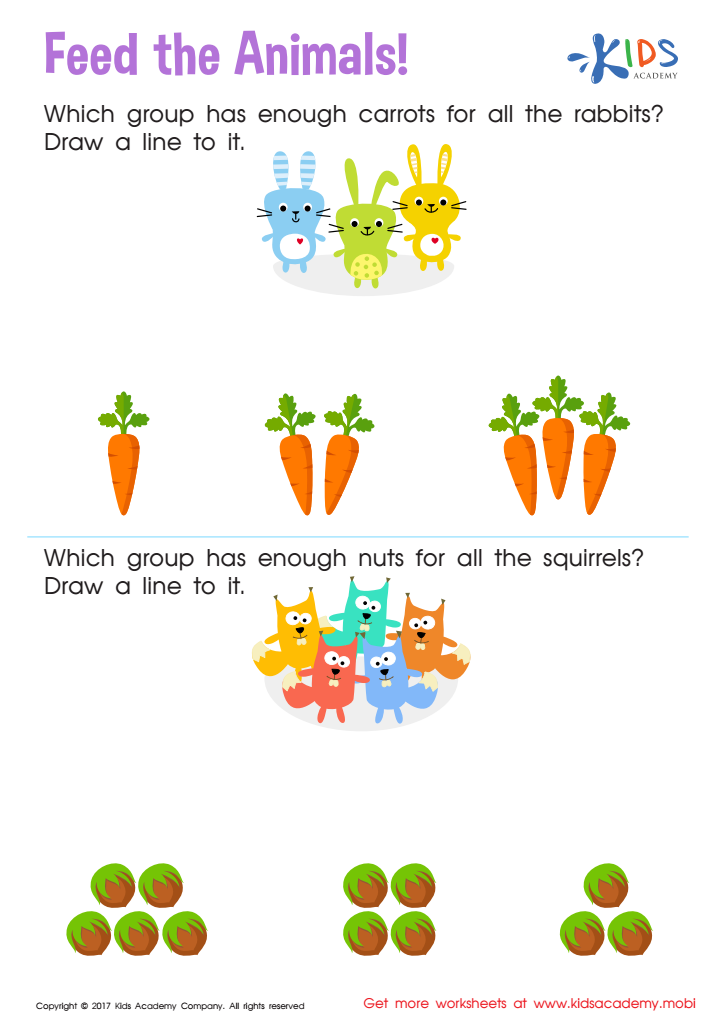
Count and Match: Feed the Animals Worksheet








Extra Challenge: Comparing Numbers for Ages 5-7 plays a crucial role in the fundamental development of young children’s mathematical abilities. At this age, kids are solidifying their understanding of basic numerical concepts, and introducing them to comparing numbers enhances their analytical thinking and number sense. By engaging in such activities, children learn to discern greater than, less than, and equal to relationships, which are foundational for more complex math skills they'll encounter later on, such as addition, subtraction, and eventually multiplication and division.
Parents and teachers should recognize that these activities not only bolster mathematical competence but also encourage critical thinking and problem-solving skills. When children practice comparing numbers, they are developing their ability to reason logically and make decisions based on quantitative information. This kind of cognitive growth is fundamental for academic success in various subjects beyond math.
Furthermore, incorporating extra challenges makes learning interactive and fun, maintaining the child's interest and fostering a positive attitude towards mathematics. This positive reinforcement is invaluable, as early experiences with learning often shape a child's long-term educational trajectory and confidence in their abilities. Supporting these activities at home or in the classroom equips children with the tools necessary for future academic achievements.