Extra Challenge Building Vocabulary Worksheets for Ages 5-7 - Page 2
27 filtered results
-
From - To
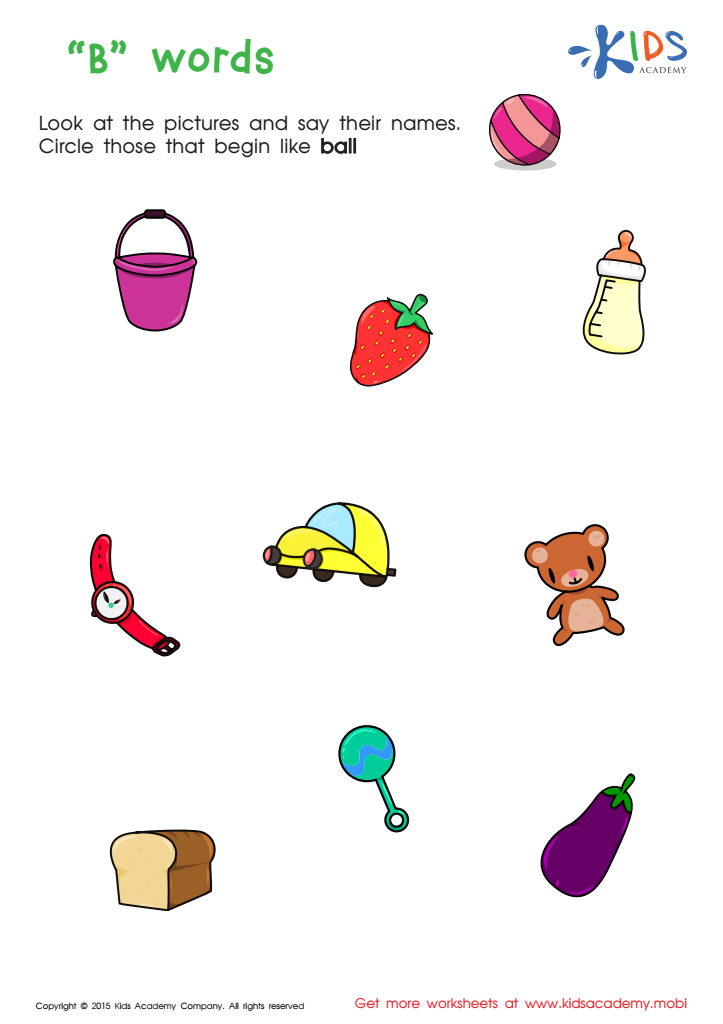
First Words Worksheet
 Assign to My Students











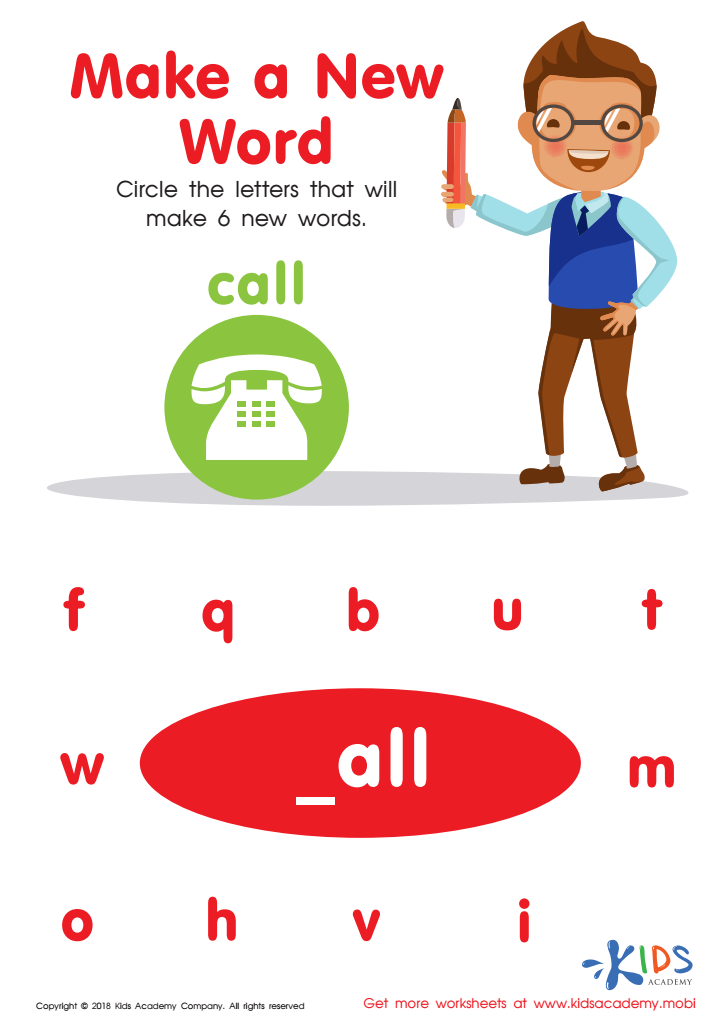
Make a New Word Worksheet
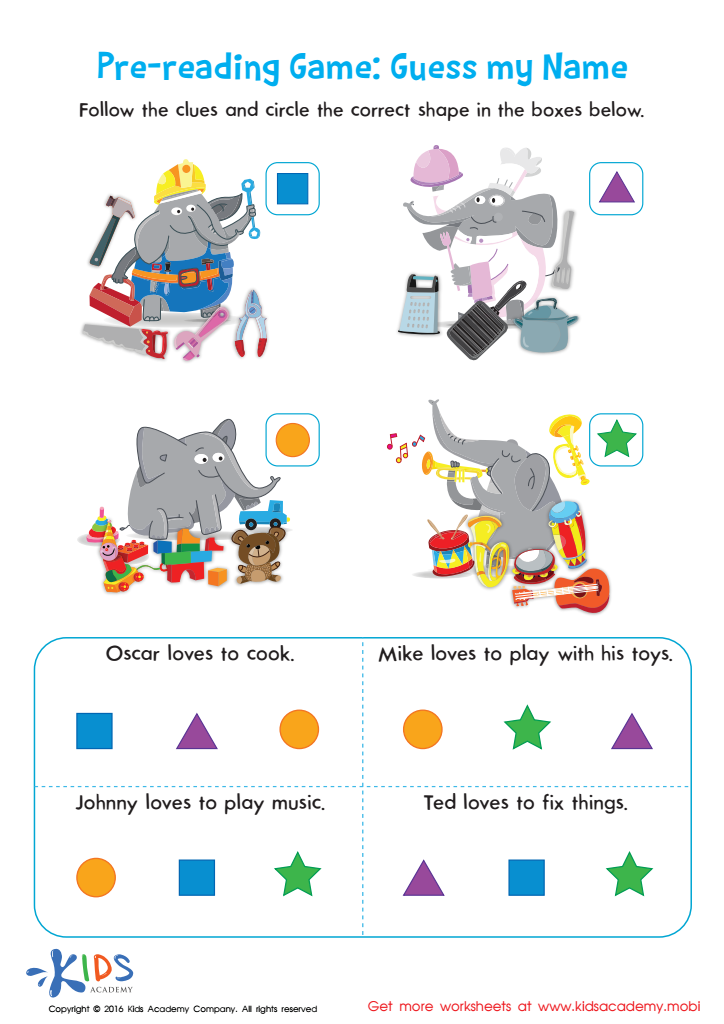
Pre Reading Worksheet Guess My Name






.jpg)
Parents and teachers should prioritize Extra Challenge Building Vocabulary for children ages 5-7 because vocabulary development is fundamental to overall literacy and academic success. During these formative years, children are rapidly acquiring language skills, and a rich vocabulary enhances their ability to communicate effectively, express their thoughts, and engage in discussions.
A strong vocabulary supports reading comprehension; as children encounter new words, they can grasp more complex texts and ideas, fostering a love for reading and learning. Furthermore, vocabulary correlates with critical thinking skills. When children have a broader range of words at their disposal, they can analyze information more deeply, articulate their opinions, and engage in problem-solving discussions.
Additionally, a robust vocabulary contributes to social-emotional development, allowing children to express their feelings and understand others better. It builds confidence in communication, promoting positive interactions with peers and adults.
Inclusion of extra challenges, such as fun games or engaging activities, helps maintain children's interest in learning while making the process enjoyable. By supporting vocabulary growth, parents and teachers equip children for future academic challenges and lifelong learning opportunities, laying the foundation for their success in school and beyond.