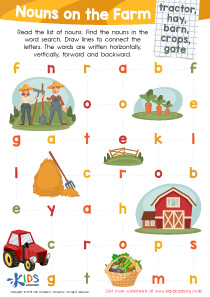
Extra Challenge Sight Words Worksheets for Ages 5-7
3 filtered results
-
From - To
Explore our "Extra Challenge Sight Words Worksheets for Ages 5-7," designed to enhance your child's reading skills with engaging and thought-provoking activities. These worksheets provide young learners with advanced sight words, helping them to build confidence and fluency in reading. Featuring a variety of exercises, including writing, matching, and creative sentence formation, each worksheet challenges students while maintaining an enjoyable learning experience. Ideal for use at home or in the classroom, these resources support early literacy development and cater to diverse learning styles. Perfect for parents and teachers seeking to inspire and motivate young readers! Unlock your child’s potential today!
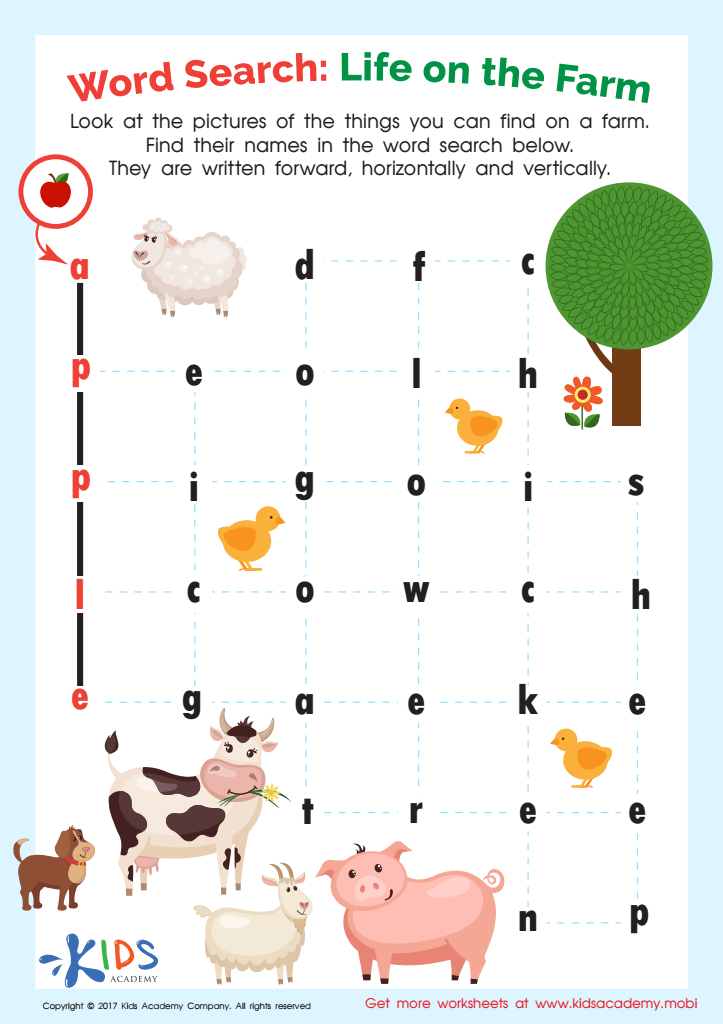
Word Search Puzzles Worksheet
 Assign to My Students
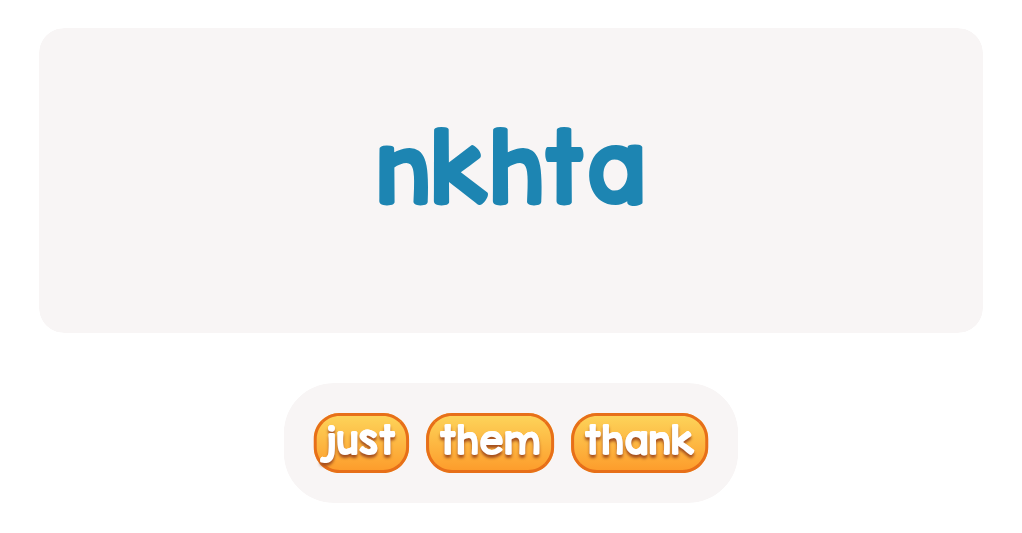



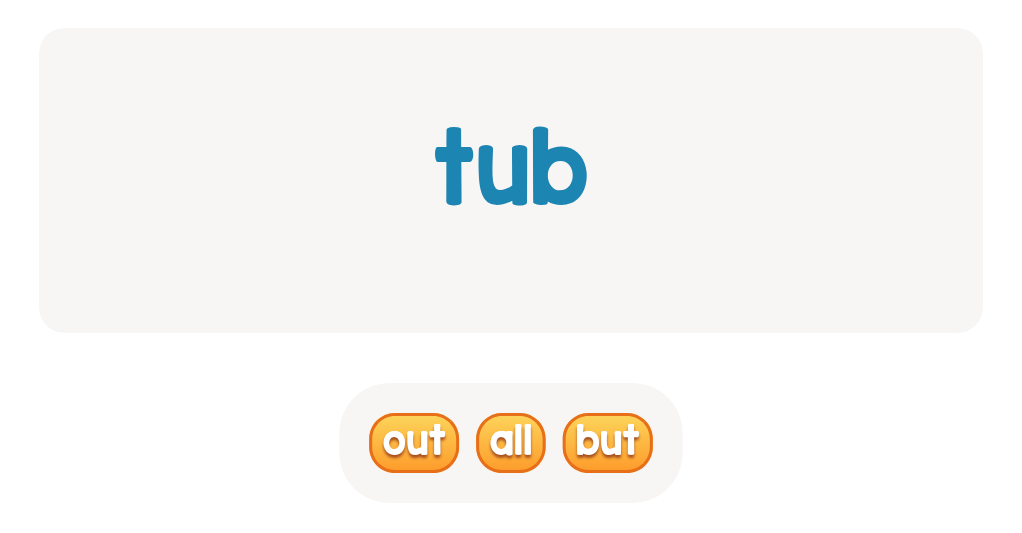
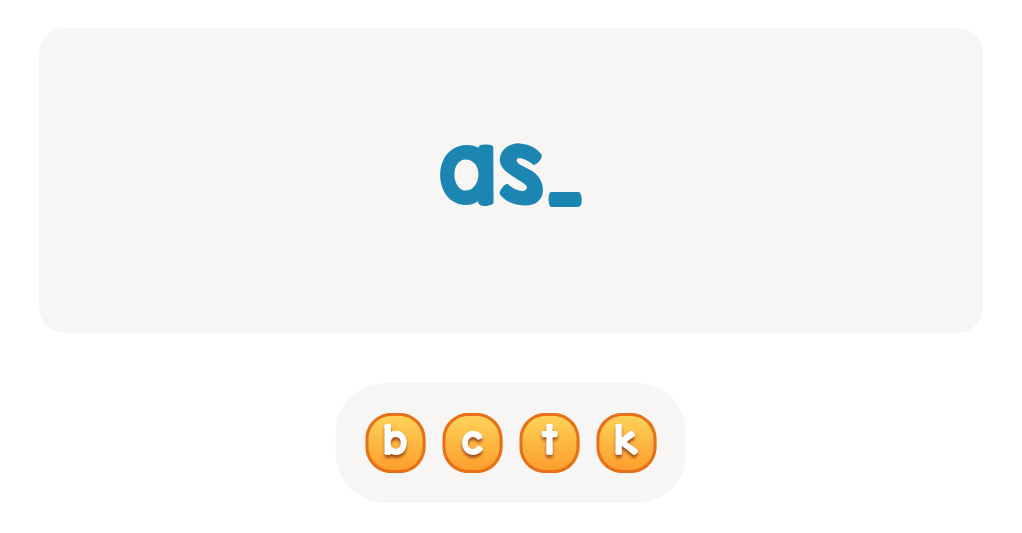
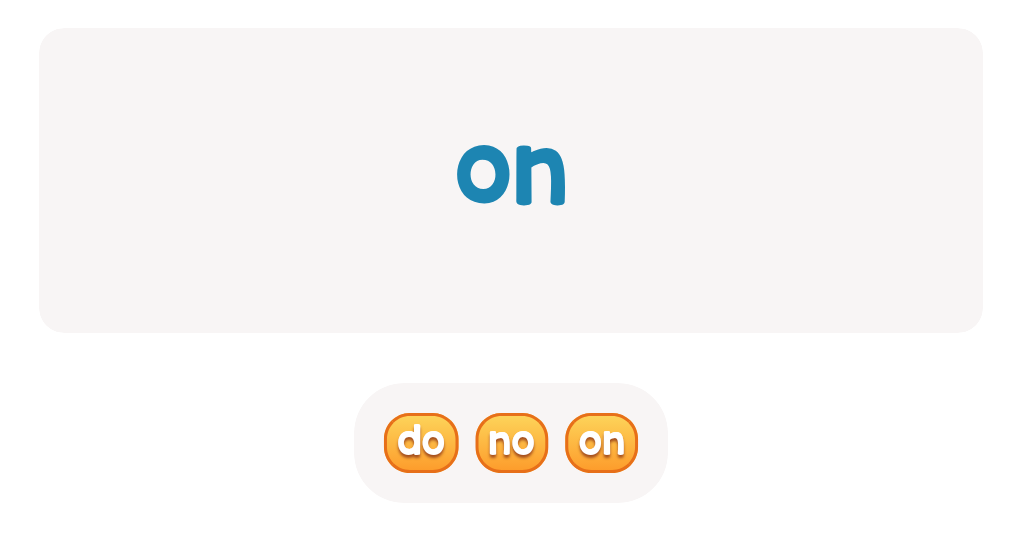
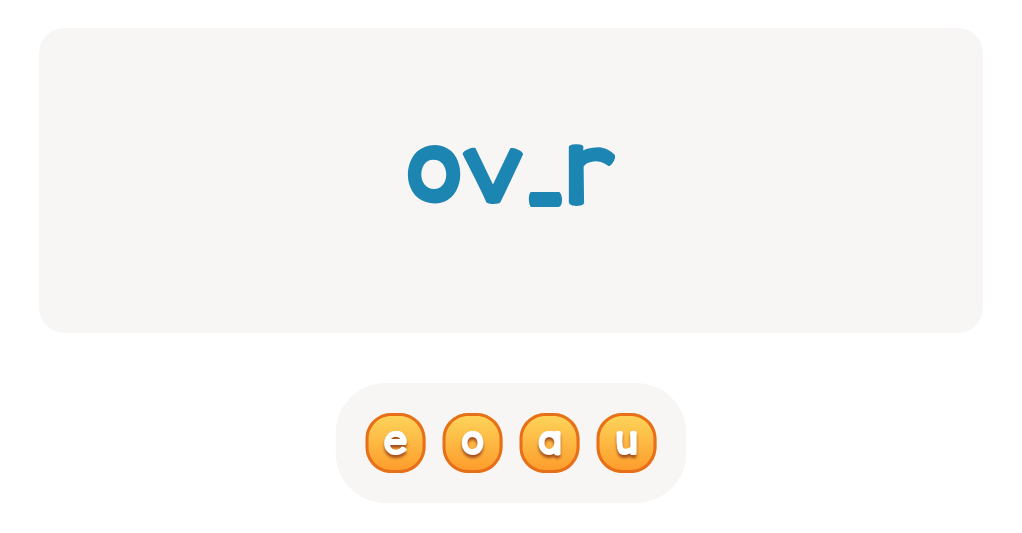
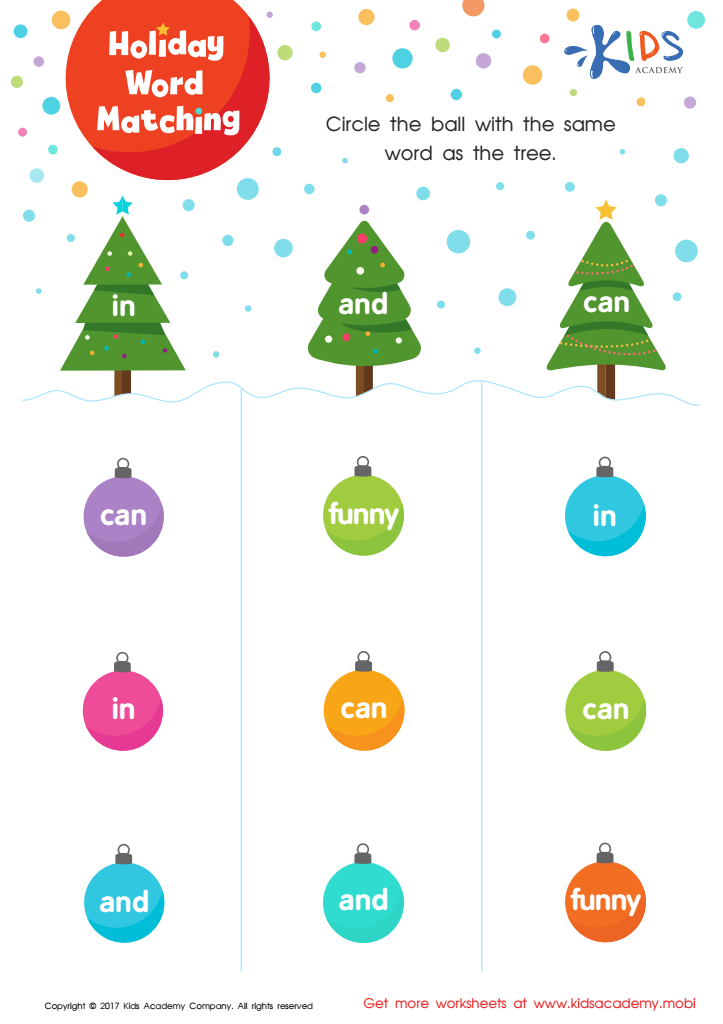
Holiday Word Matching Worksheet








Parents and teachers should prioritize Extra Challenge Sight Words for children aged 5-7 because these words are foundational for early literacy development. Sight words are frequently used in written language and often deviate from standard phonetic patterns, making them challenging for beginning readers. By focusing on extra challenge sight words, adults can help children build confidence and fluency in their reading, ultimately fostering a love for literature.
Introducing these words at an early age enhances reading comprehension, as children can recognize and understand text without interruptions. This skill becomes increasingly essential as they progress in their education and encounter more complex reading materials. Additionally, familiarity with a broader range of sight words supports overall vocabulary development, equipping children with an expanded language base for effective communication.
Furthermore, working on extra challenge sight words encourages a sense of accomplishment among young learners. Celebrating their progress reinforces a positive learning experience and motivates them to tackle new challenges. Ultimately, a strong foundation in sight words enables children to become proficient readers, setting the stage for future academic success and encouraging lifelong reading habits. Parents and teachers play a crucial role in guiding this essential aspect of early literacy.