Extra Challenge Writing Worksheets for Ages 6-8 - Page 3
52 filtered results
-
From - To
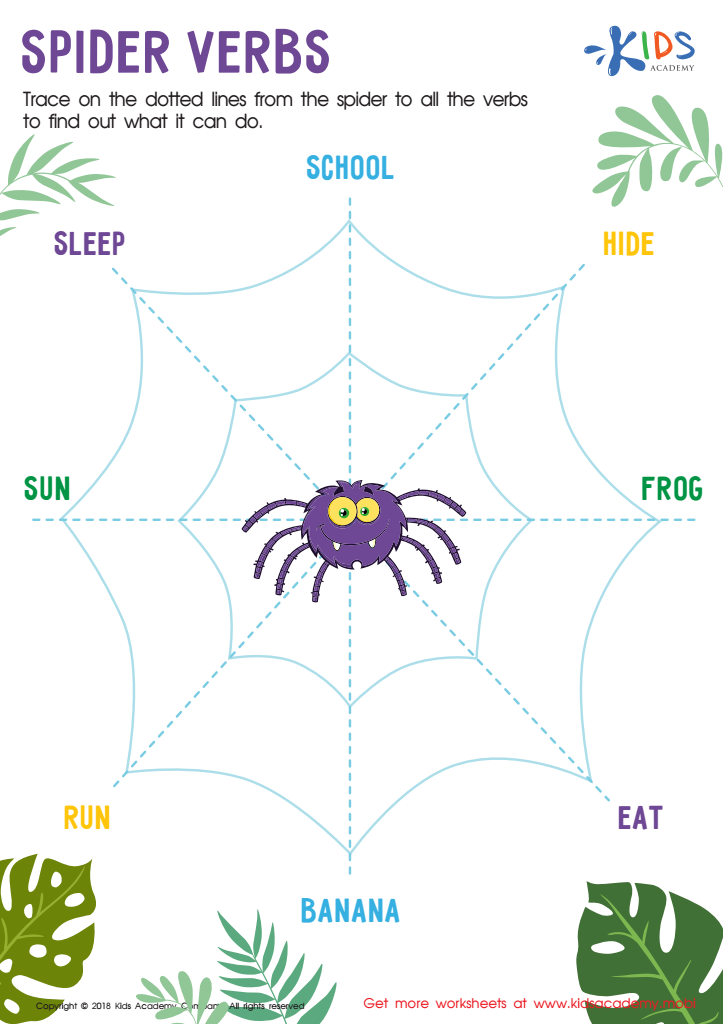
Spider Verbs Worksheet
 Assign to My Students
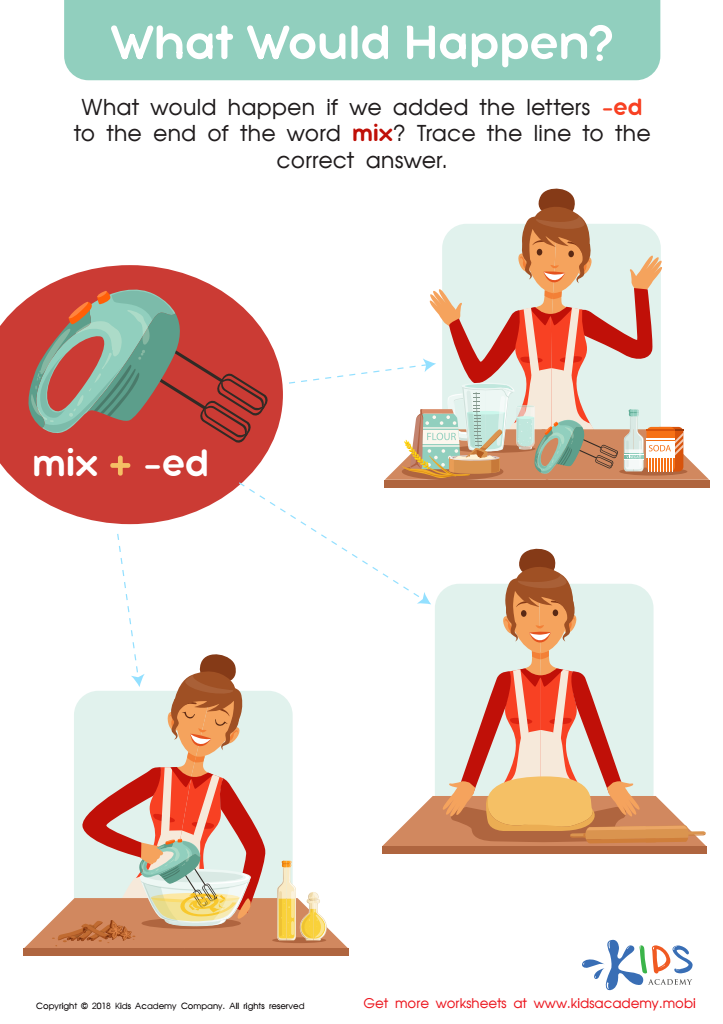
What Would Happen? Worksheet
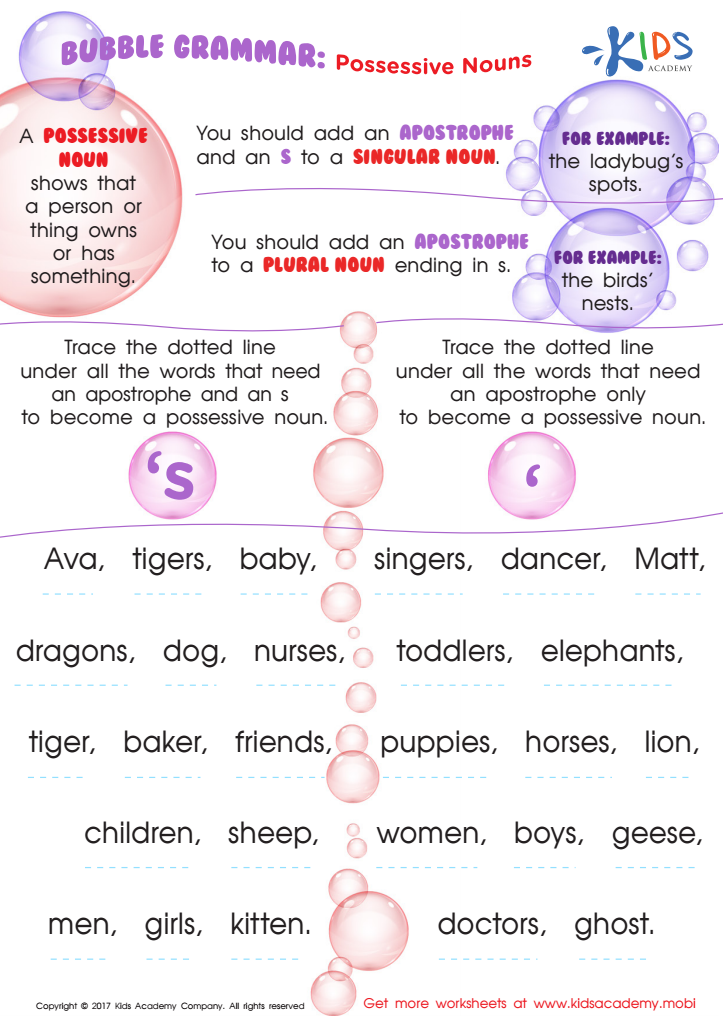
Possessive Nouns Worksheet for Grade 3 PDF
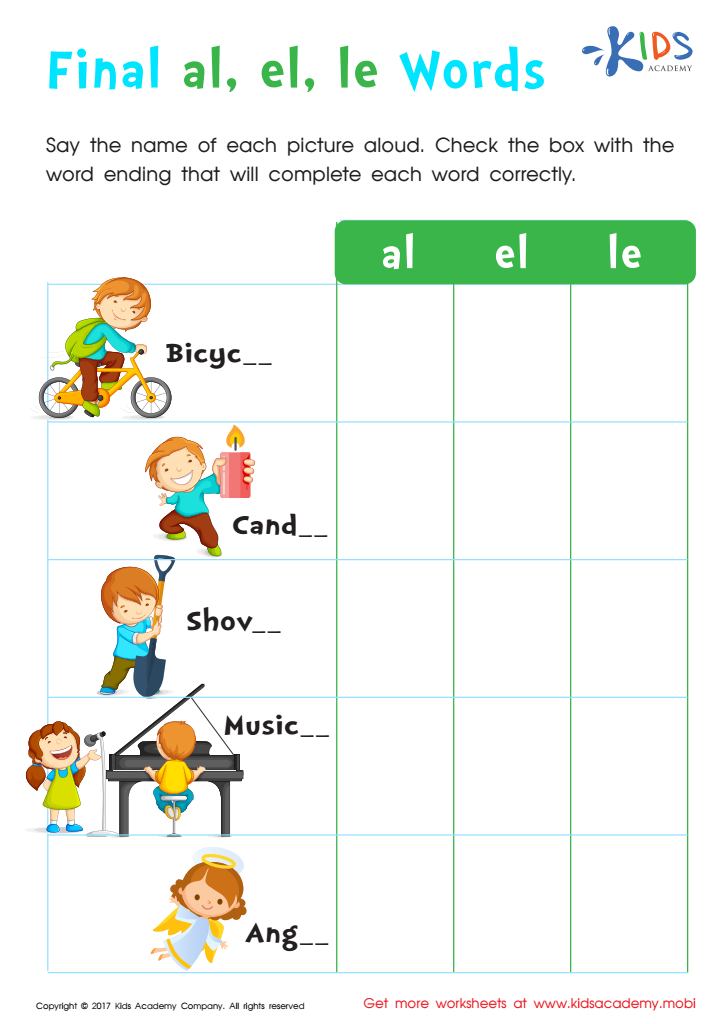
Spelling Words Ending with –le, –el and –al Worksheet







Extra Challenge Writing for ages 6-8 is crucial as it fosters essential skills that lay the groundwork for future academic success and personal expression. At this age, children are developing their cognitive and language abilities, and engaging in extra writing challenges can stimulate creativity, critical thinking, and problem-solving skills. By encouraging children to write beyond the basics, they enhance their vocabulary and grasp of sentence structure, which is fundamental for effective communication.
Moreover, writing provides an emotional outlet for young children. It invites them to express their thoughts and feelings, promoting self-awareness and confidence. Parents and teachers play a vital role in guiding children through these challenges, helping them navigate frustrations and celebrate achievements. This collaborative approach not only strengthens the child’s writing abilities but also fosters a supportive learning environment.
Additionally, Extra Challenge Writing helps identify diverse interests, encouraging a lifelong love of learning. When children feel challenged in a positive way, they’re more likely to develop perseverance and resilience. Ultimately, supporting their writing journey can significantly impact their overall growth, setting them on a path toward academic excellence and self-expression as they advance in their educational and personal journeys.