Filters

33 filtered results

Clear all filters
Favorites
With answer key
Interactive

33 filtered results

Difficulty Level

Grade


Check out this FREE Trial Lesson on Reading Non-Fiction for age 3-6!

Describe the Relationship Between Illustrations and the Text in Which They Appear (i.e. What Person, Place, Thing, or Idea in Th

Favorites
With answer key
Interactive
  • 3-6
  • With answer key
  • Reading Non-Fiction
  • Normal
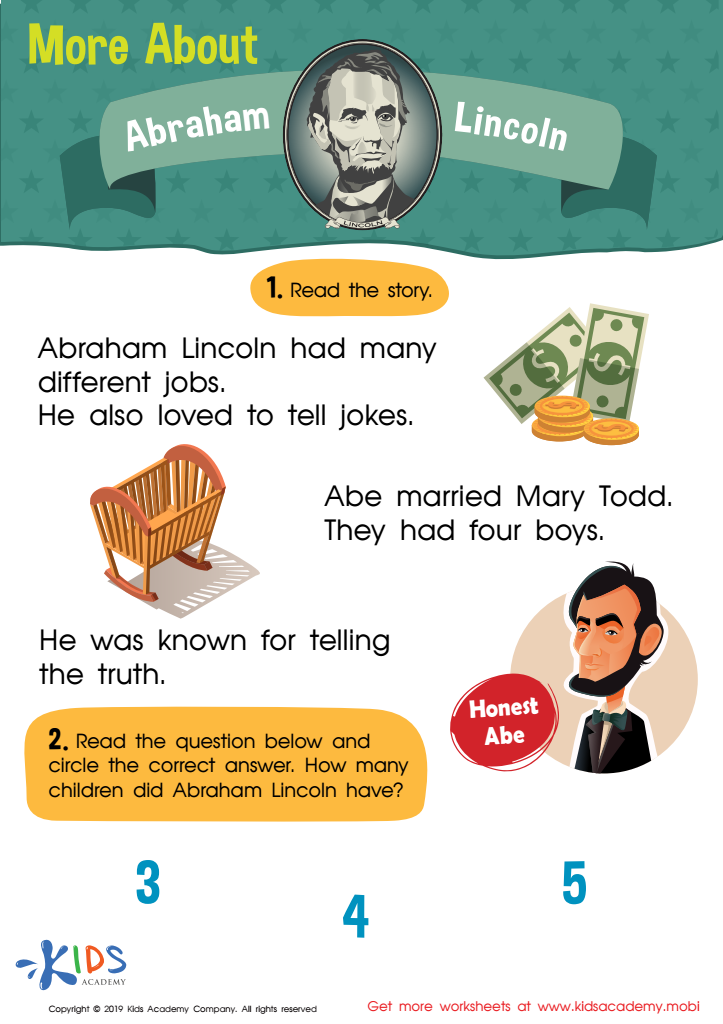
More About Abraham Lincoln Worksheet

More About Abraham Lincoln Worksheet

Read the short story in the worksheet with your kids. Show them the pictures representing the sentences, then ask the questions and help them circle the correct answer. Make sure they are actually paying attention and learning from the stories.
More About Abraham Lincoln Worksheet
Worksheet
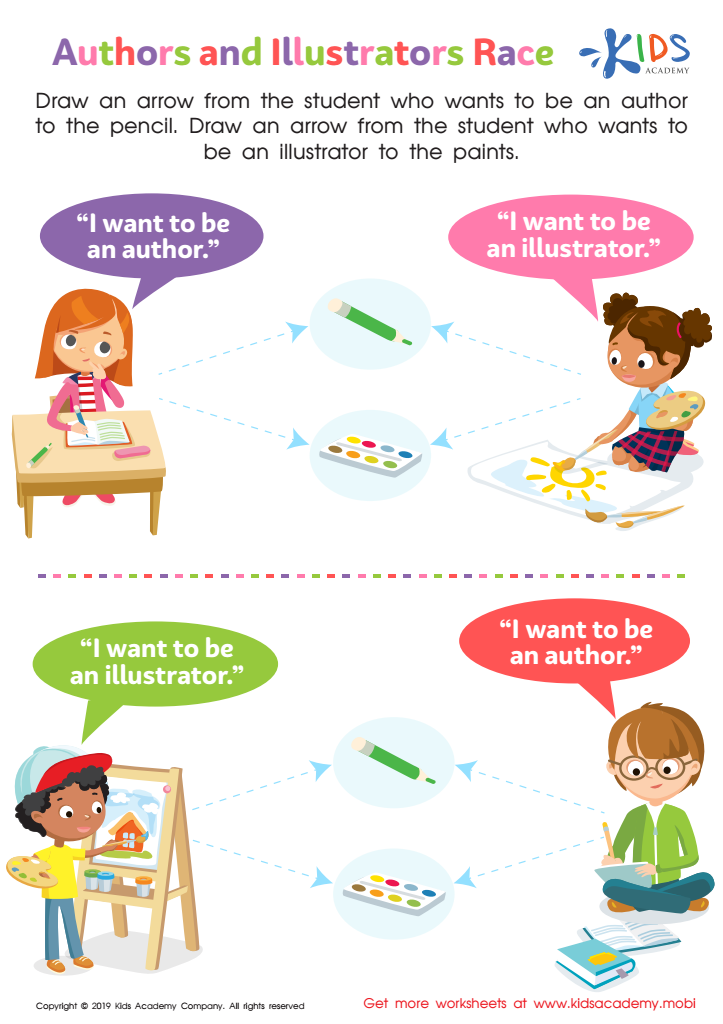
Authors and Illustrators Race Worksheet

Authors and Illustrators Race Worksheet

Help your child learn about the author and illustrator of a book with this free and colorful worksheet. They'll trace lines to pick the tools used by each and understand the difference between them. It's a great way to introduce fundamental concepts of reading.
Authors and Illustrators Race Worksheet
Worksheet
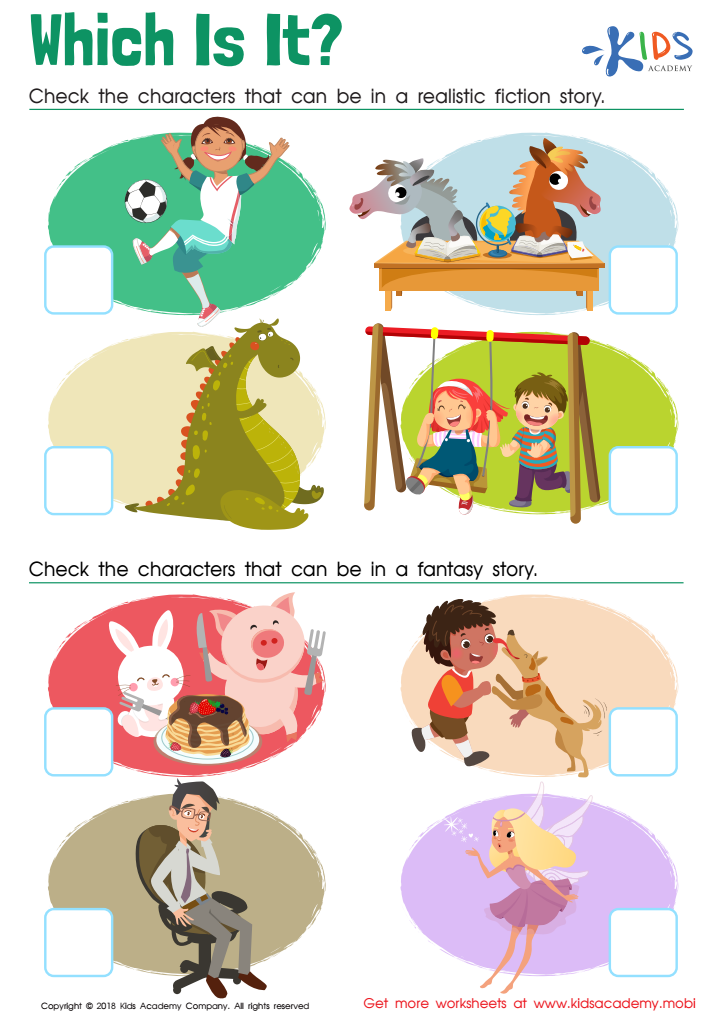
Which Is It? Worksheet

Which Is It? Worksheet

This colorful worksheet helps young readers identify elements of fact and fiction using fun picture clues. They can check off characters who exist in realistic fiction stories, which makes learning the difference between the two genres fun and engaging.
Which Is It? Worksheet
Worksheet
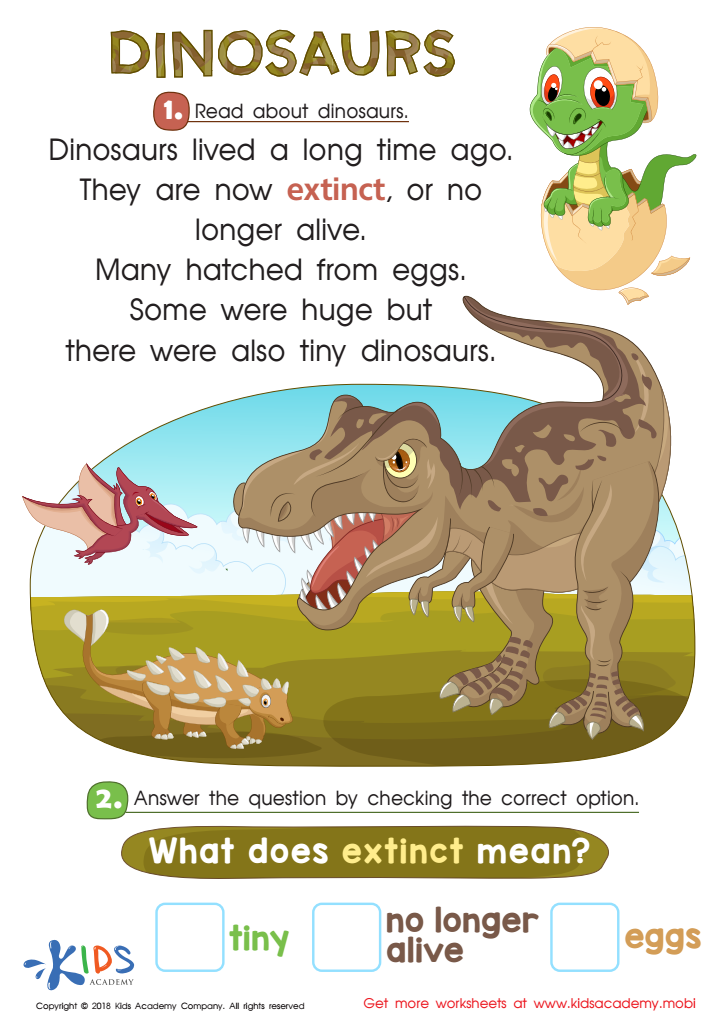
Dinosaurs Worksheet
Dinosaurs Worksheet

Dinosaurs Worksheet

Kids are often fascinated by dinosaurs, creatures that roamed the Earth before man. Sadly, they are now extinct. To learn more, read facts on this worksheet to your kids and help them answer the question at the end by selecting the correct option.
Dinosaurs Worksheet
Worksheet
Towns Worksheet
Towns Worksheet

Towns Worksheet

Towns are generally quiet and safe, making them attractive for young families. Cities have more people, businesses and tall buildings. Roads are busy, and there is often plenty to do and see. Help your kids check which pictures in this worksheet show towns.
Towns Worksheet
Worksheet
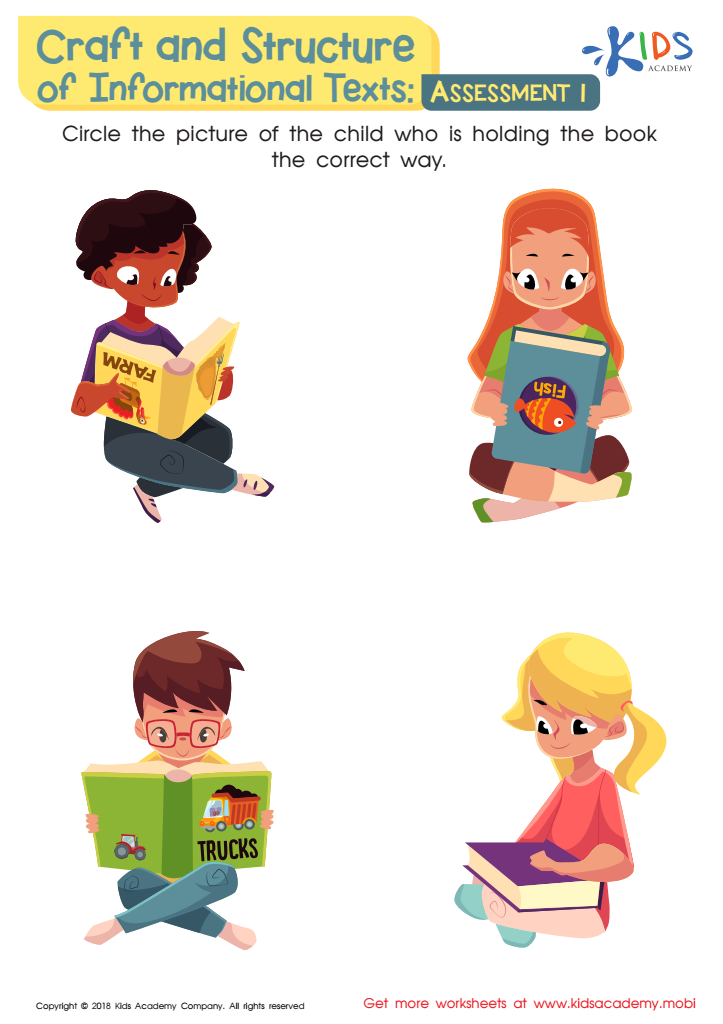
Craft and Structure of Informational Texts: Assessment 1 Worksheet

Craft and Structure of Informational Texts: Assessment 1 Worksheet

Young children need to know how to hold books correctly when they start reading. This assessment worksheet helps them show they know what to do. They'll look at the pictures and circle the child who is holding the book correctly. It's a great way to tell they are well on their way to becoming lifetime readers!
Craft and Structure of Informational Texts: Assessment 1 Worksheet
Worksheet
Match Them Up Worksheet

Match Them Up Worksheet

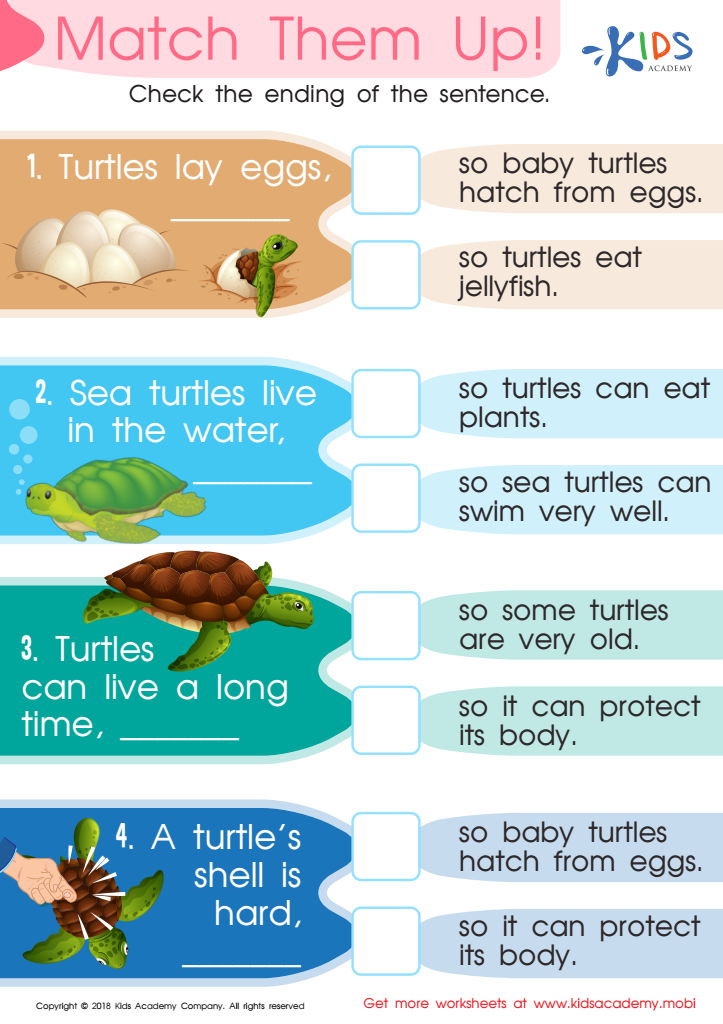
Reading offers a wealth of knowledge, but young readers may struggle to remember info from informational texts. Help your child practice comprehension with this fun turtle-related worksheet. Just read the sentence starters and select the correct ending from the options given. Check the box to indicate the right statement!
Match Them Up Worksheet
Worksheet
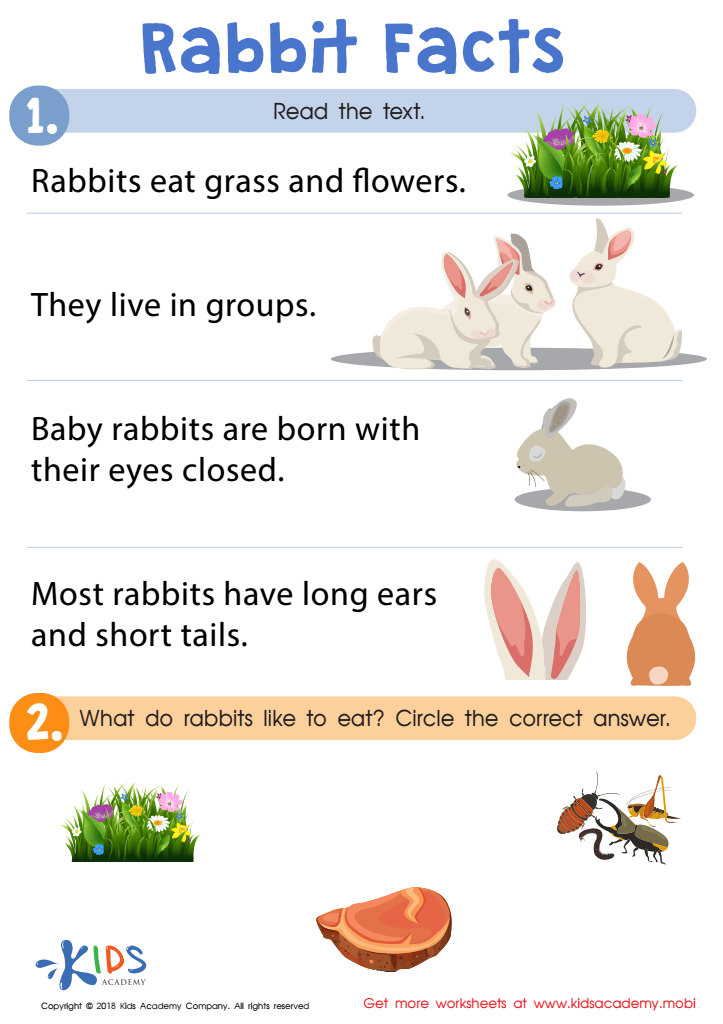
Rabbit Facts Worksheet

Rabbit Facts Worksheet

Informational texts offer great learning opportunities. Kids Academy's reading worksheet helps children read and recall important details from a text about bunnies. Kids will love it! Simply read the rabbit facts and circle the correct pictures to answer the questions.
Rabbit Facts Worksheet
Worksheet
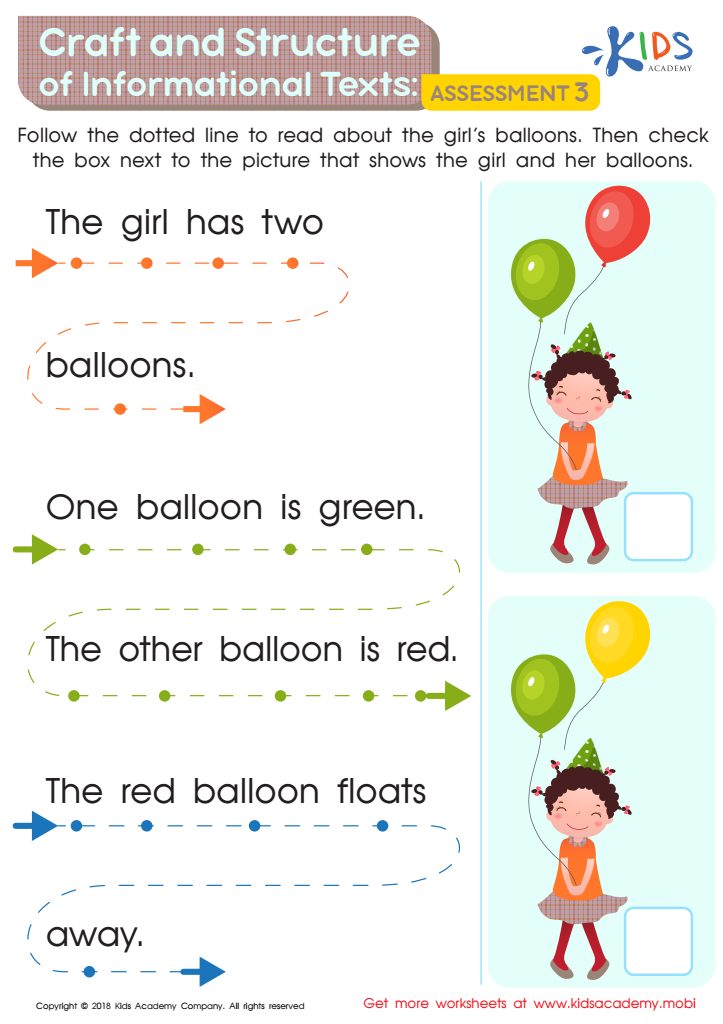
Craft and Structure of Informational Texts: Assessment 3 Worksheet


Craft and Structure of Informational Texts: Assessment 3 Worksheet
Test your beginning reader's understanding of left-to-right directionality and use of details from informational texts with this fun worksheet. Follow the traceable paths to find the right picture for each sentence. This will help your child gain confidence and be successful as a reader.
Craft and Structure of Informational Texts: Assessment 3 Worksheet

Worksheet


Early exposure to non-fiction reading materials is crucial for young children aged 3-6, as it develops foundational skills and ignites curiosity about the world. Parents and teachers should prioritize this type of reading because it enriches vocabulary with real-world terminology, which is distinct from the language found in fictional stories. Non-fiction books introduce children to diverse subjects like animals, plants, weather, and everyday objects, fostering a sense of exploration and discovery.

Children at this age are naturally curious, and non-fiction texts provide accurate information that satisfies and stimulates their inquisitive minds. This not only enhances cognitive development but also encourages a lifelong love of learning. Additionally, the structure of non-fiction books helps children develop critical thinking and comprehension skills. They learn to extract key details, understand the concept of sequencing, and differentiate between main ideas and supporting information.

For educators and parents, involving children in non-fiction reading can cater to varied interests, making the learning experience more personalized and engaging. It also brings practical knowledge into their daily lives, helping them better understand the world around them. Ultimately, fostering an early interest in non-fiction will help children build a solid foundation for academic success and informed citizenship.