Normal Comparing Numbers Worksheets for Ages 3-7 - Page 2
25 filtered results
-
From - To
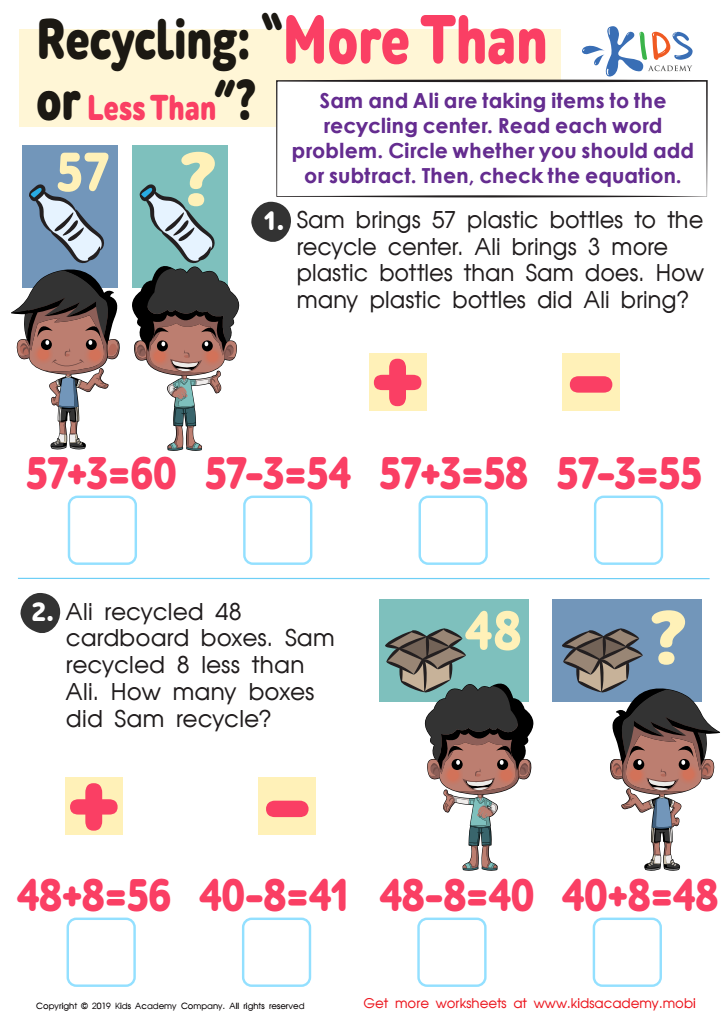
Recycling - More or Less Worksheet
 Assign to My Students
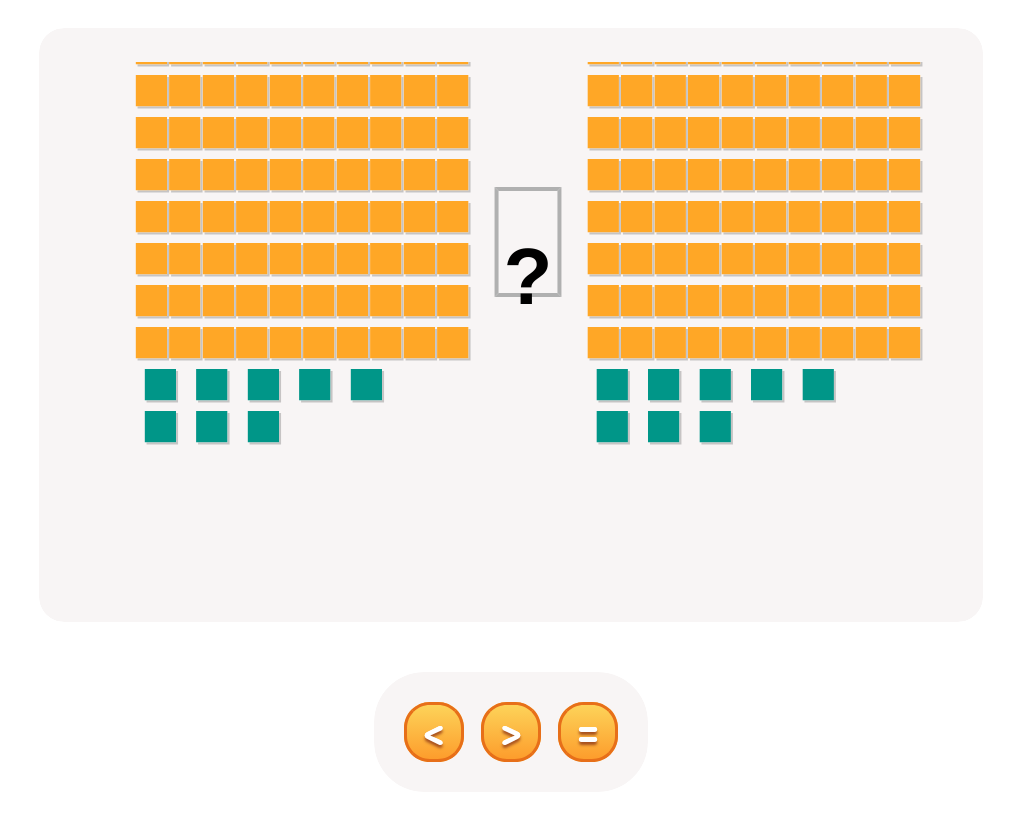

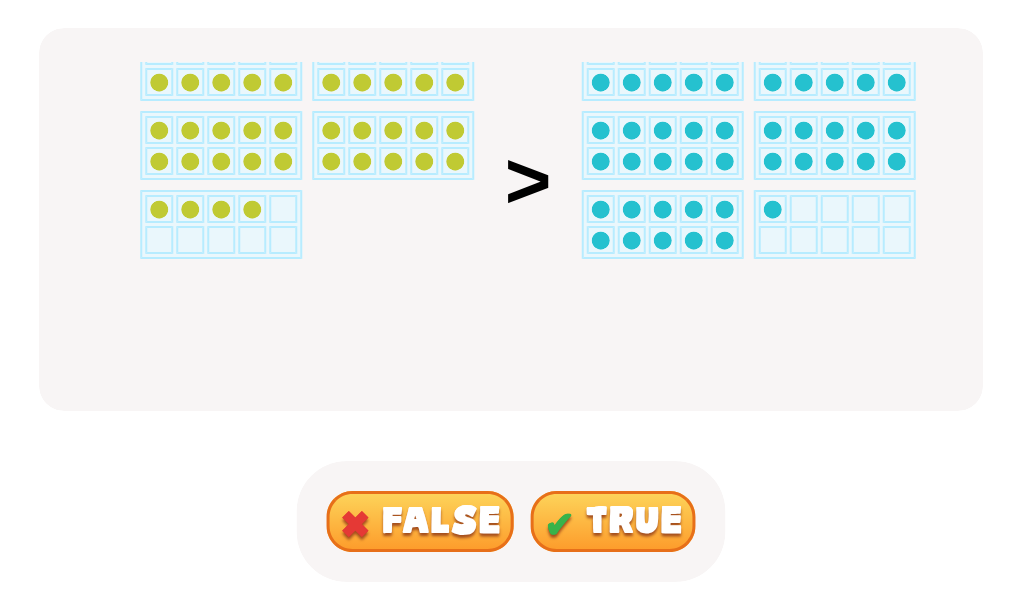
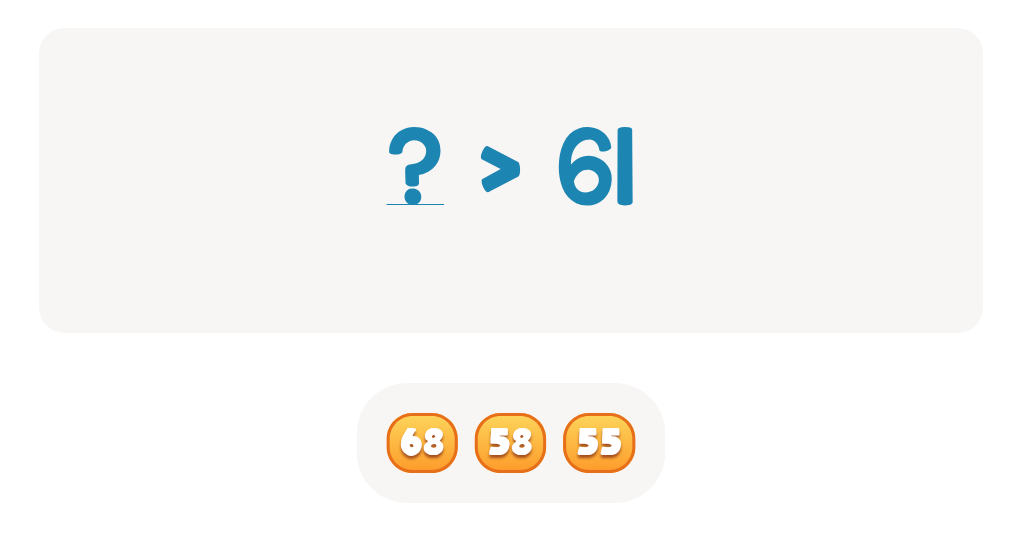
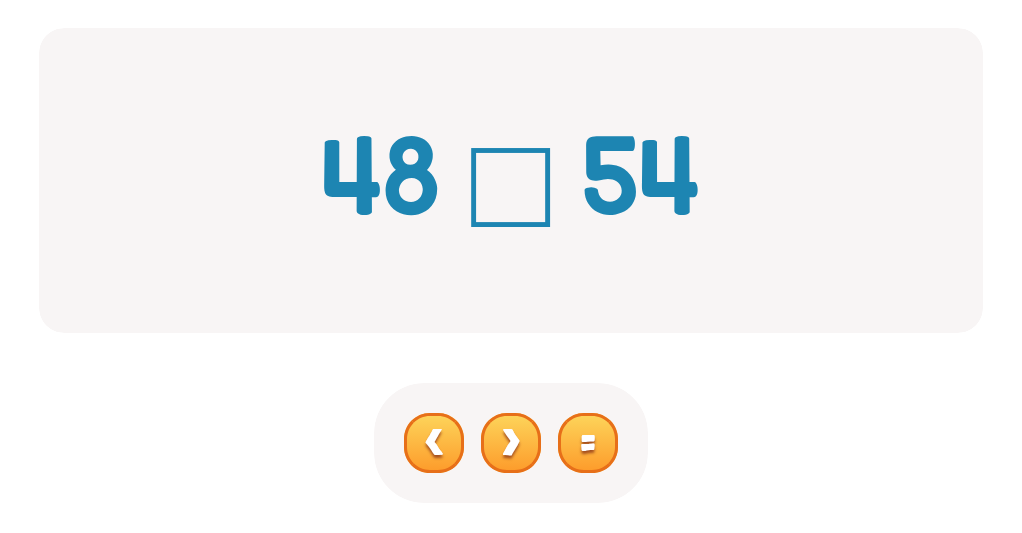
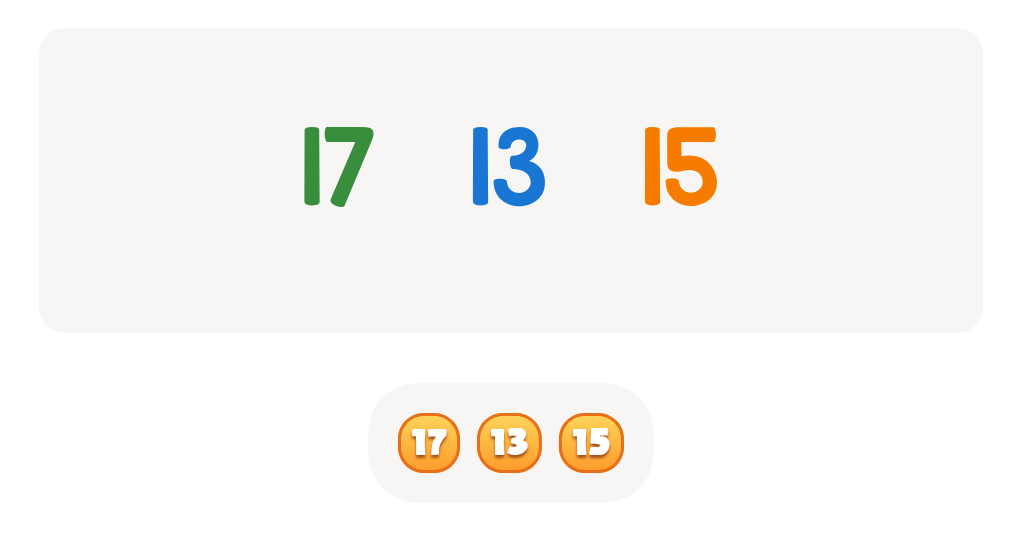





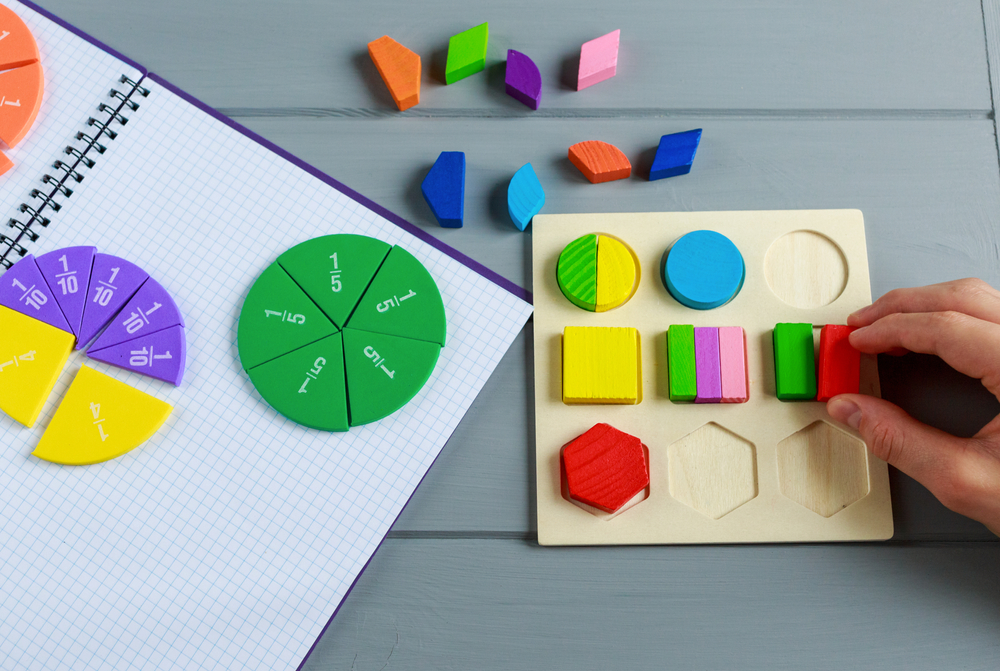


Understanding normal comparing numbers is crucial in early childhood education for children aged 3 to 7 as it lays the foundation for essential mathematical skills. During this developmental stage, children are naturally curious and eager to explore the world around them, making it an ideal time to introduce concepts like size, quantity, and comparison.
By teaching children to compare numbers, parents and teachers help them develop critical thinking and problem-solving skills. Recognizing which number is larger, smaller, or equal enhances their ability to analyze situations and make informed decisions. For example, comparing the number of apples in two baskets can stimulate discussions about more or less, fostering a deeper understanding of basic math concepts.
Additionally, mastering number comparison promotes confidence in mathematical abilities and prepares children for more complex topics later on, such as addition, subtraction, and even problem-solving in real-life scenarios. Encouraging practice through fun activities such as games, visual aids, and everyday experiences can strengthen these important skills while keeping learning enjoyable.
Ultimately, recognizing the importance of comparing numbers equips children with foundational knowledge that supports not only their mathematical growth but also enhances their overall cognitive development and confidence in learning.