Normal Upper & Lowercase Letters Worksheets for Ages 3-9 - Page 2
44 filtered results
-
From - To

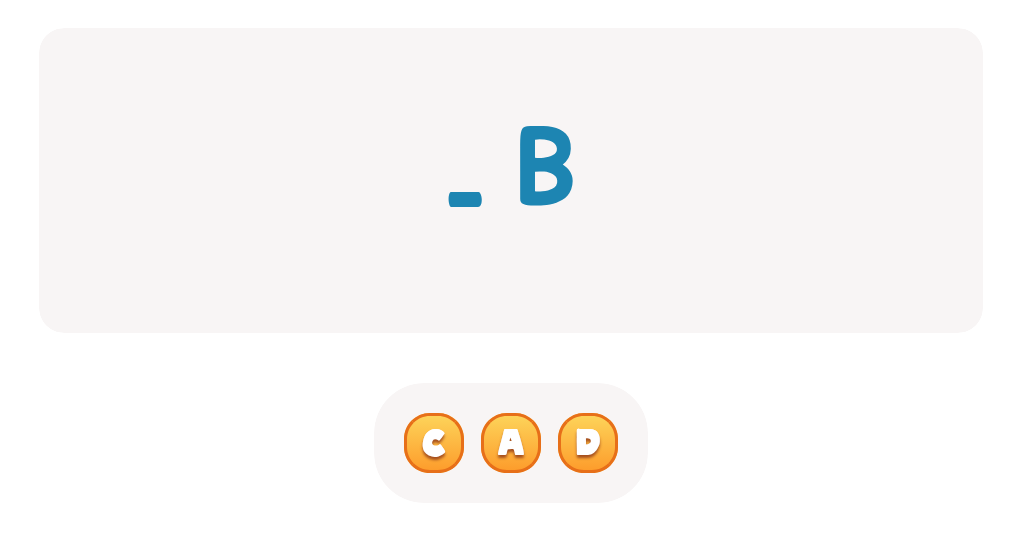
Find Uppercase Letters A, B, and C Worksheet
 Assign to My Students







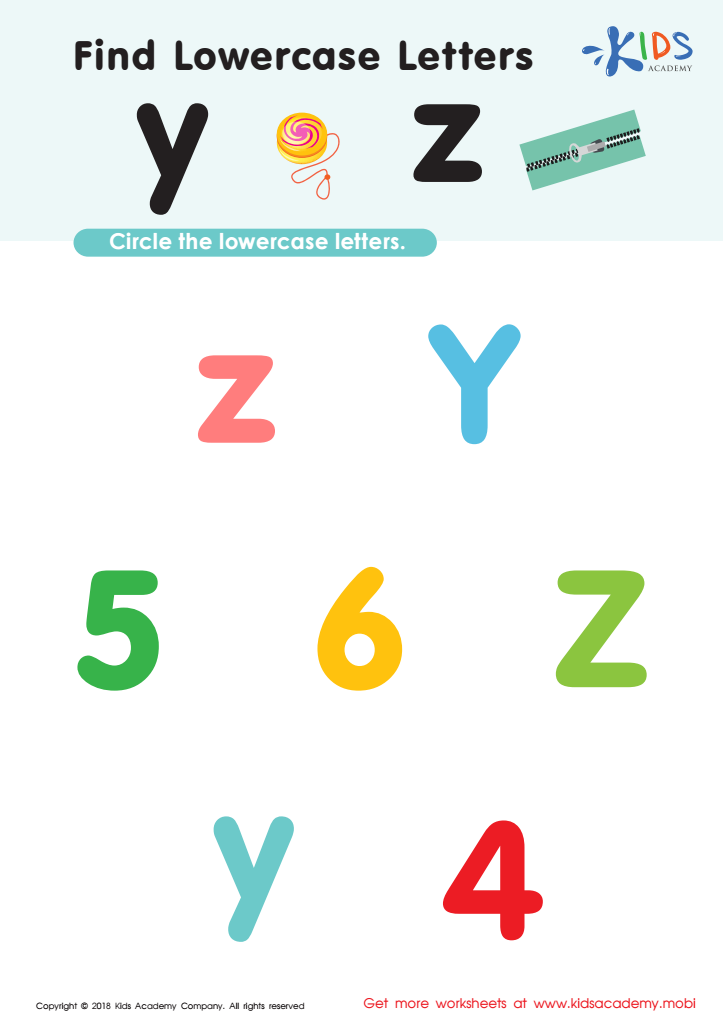
Find Lowercase Letters y z Worksheet
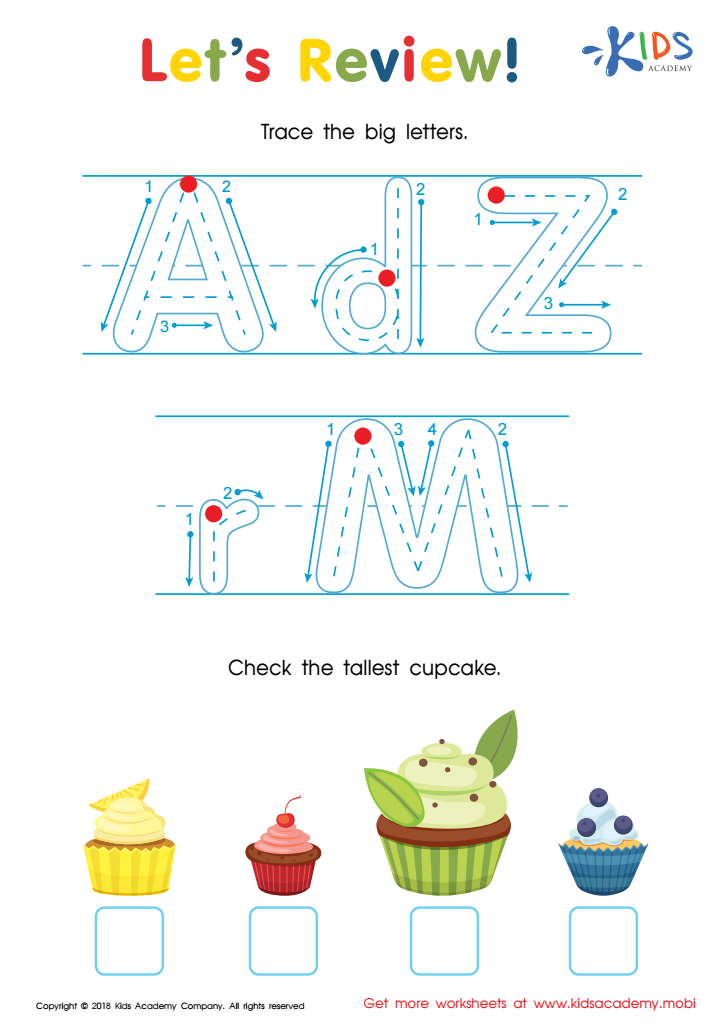
Let's Review! Big Letters Worksheet
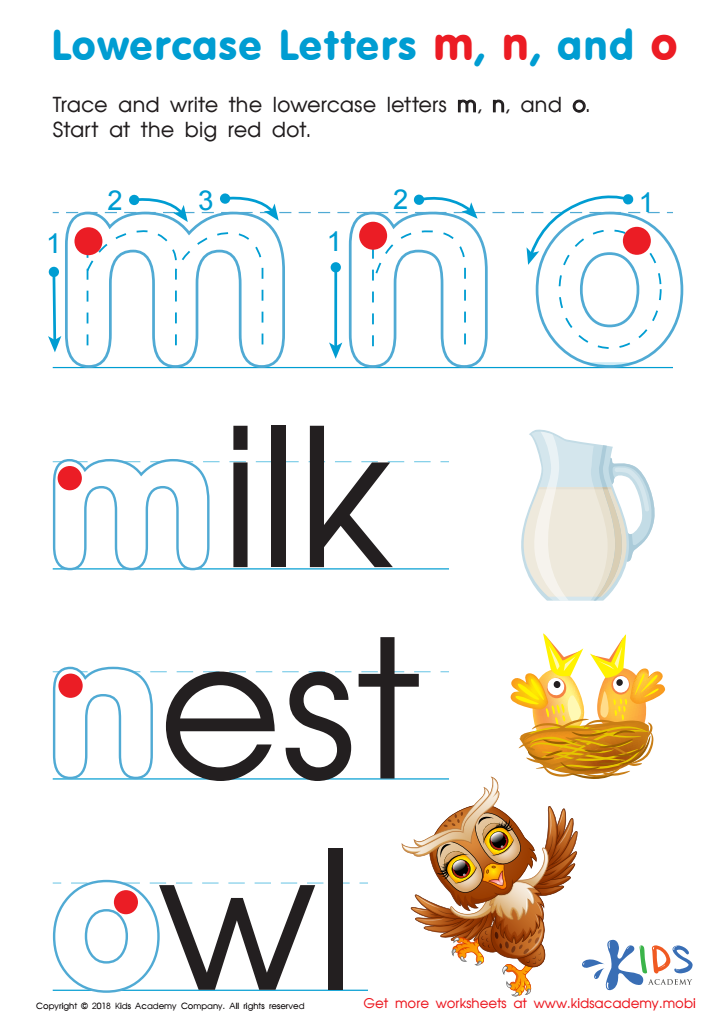
Lowercase Letters m n o Worksheet

Find Uppercase Letters V, W, X Worksheet
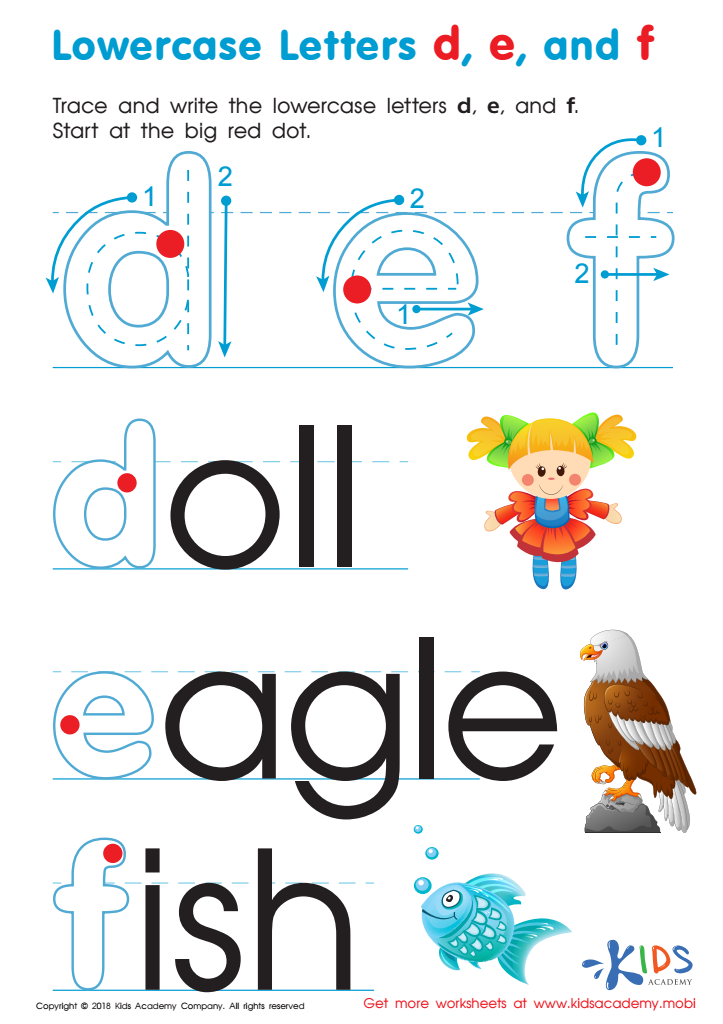
Lowercase Letters d e f Worksheet
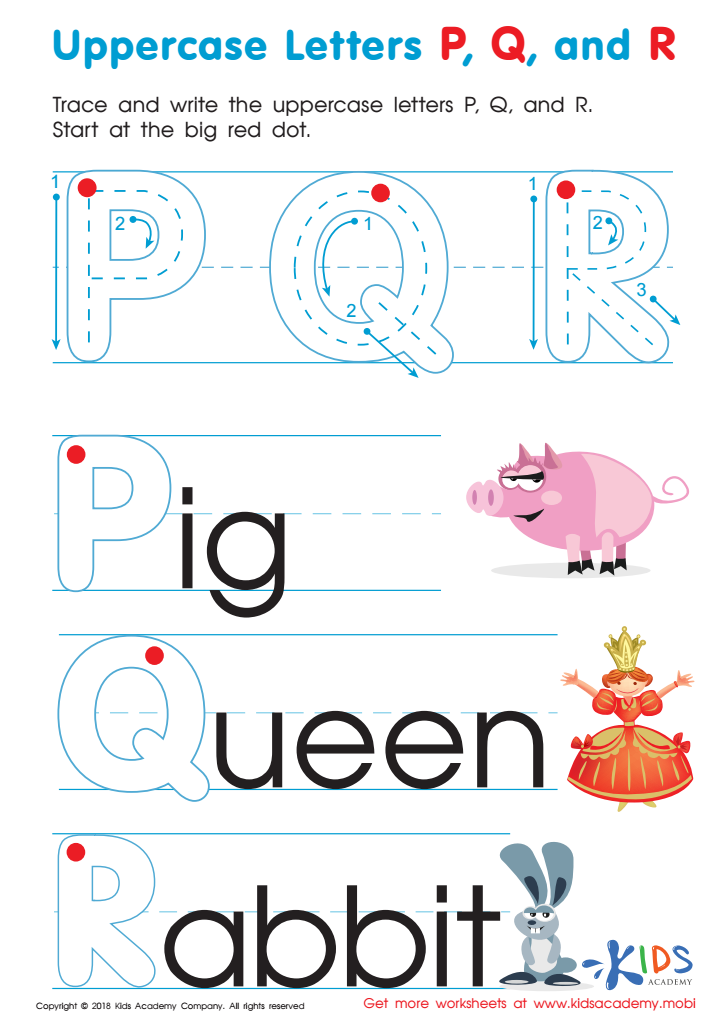
Uppercase Letters P, Q, and R Worksheet
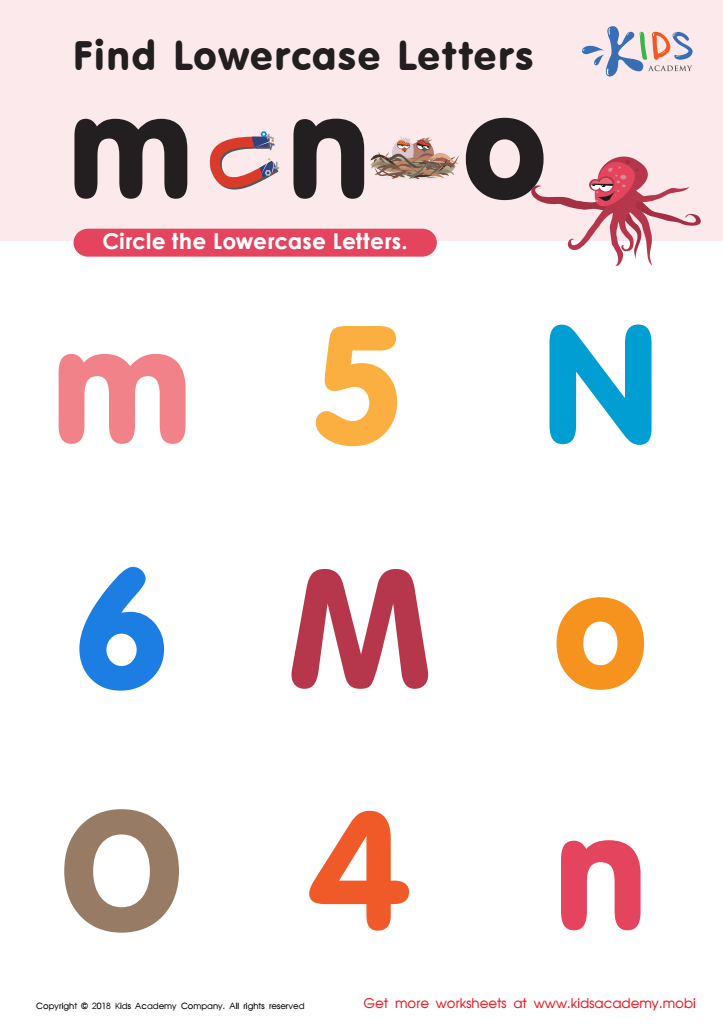
Find Lowercase Letters m n o Worksheet
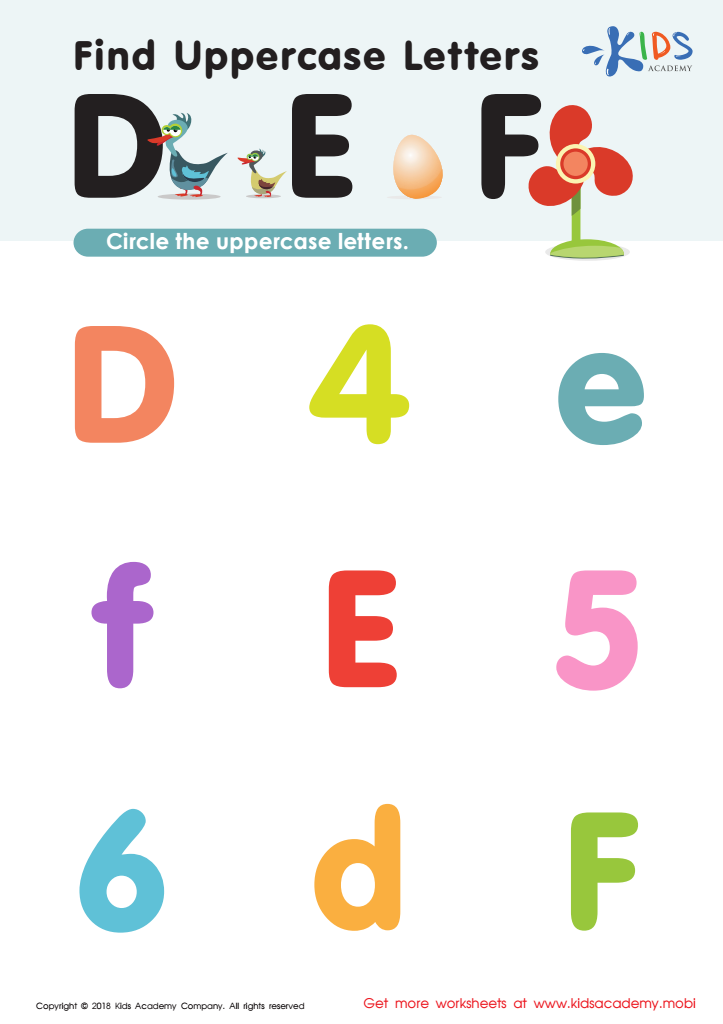
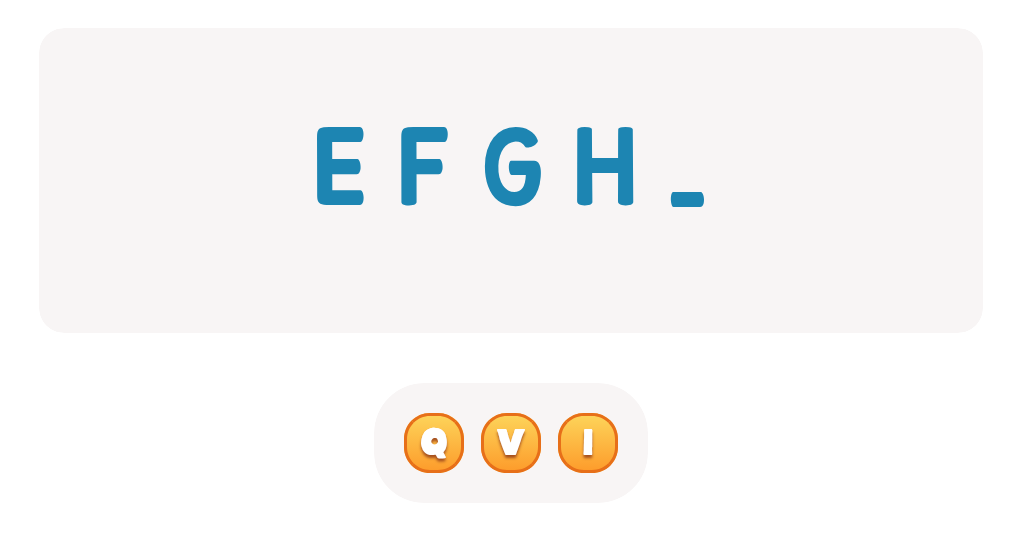
Find Uppercase Letters D, E, and F Worksheet
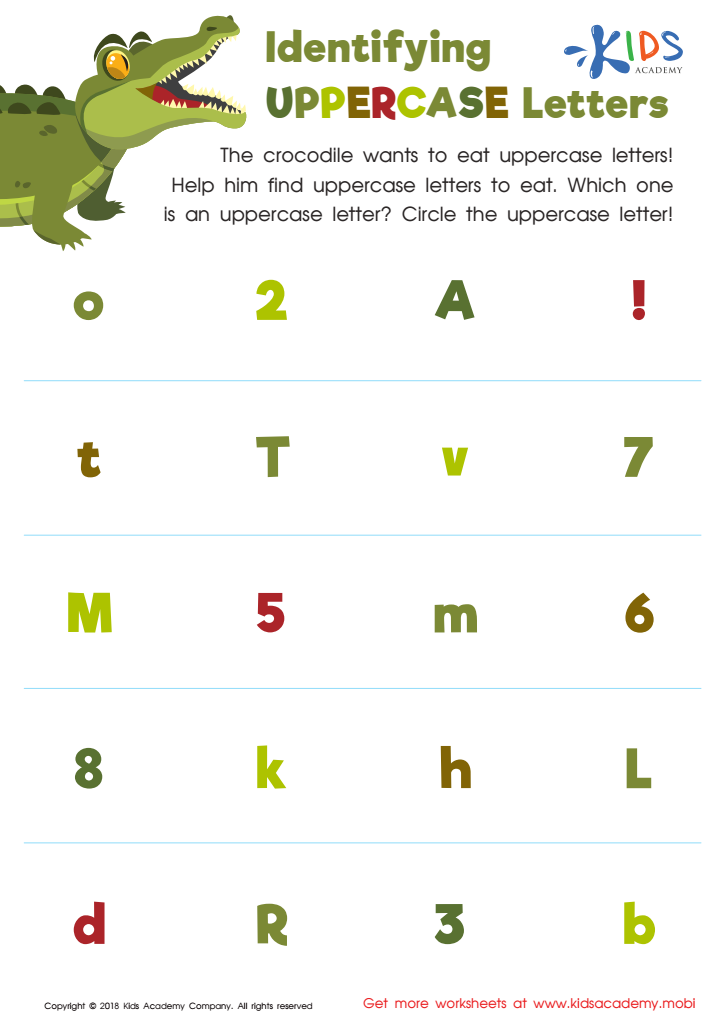
Identifying Uppercase Letters Worksheet
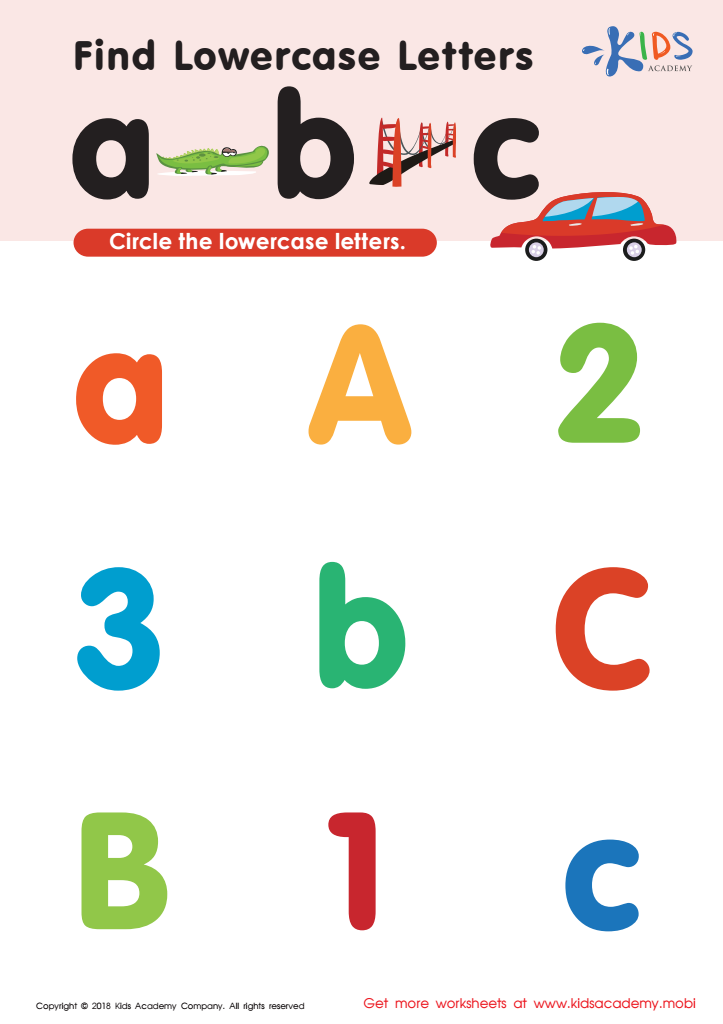
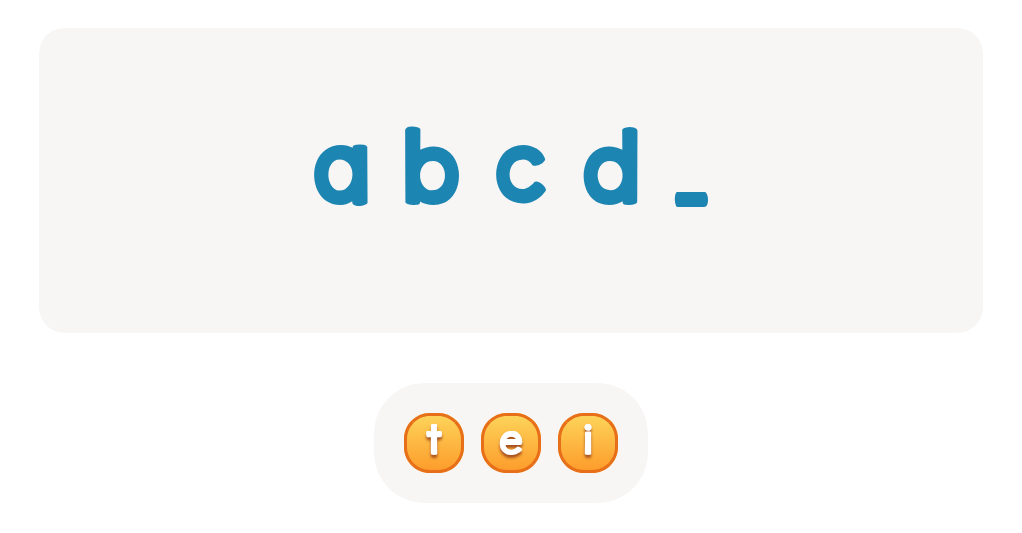
Find lowercase letters a b c Worksheet
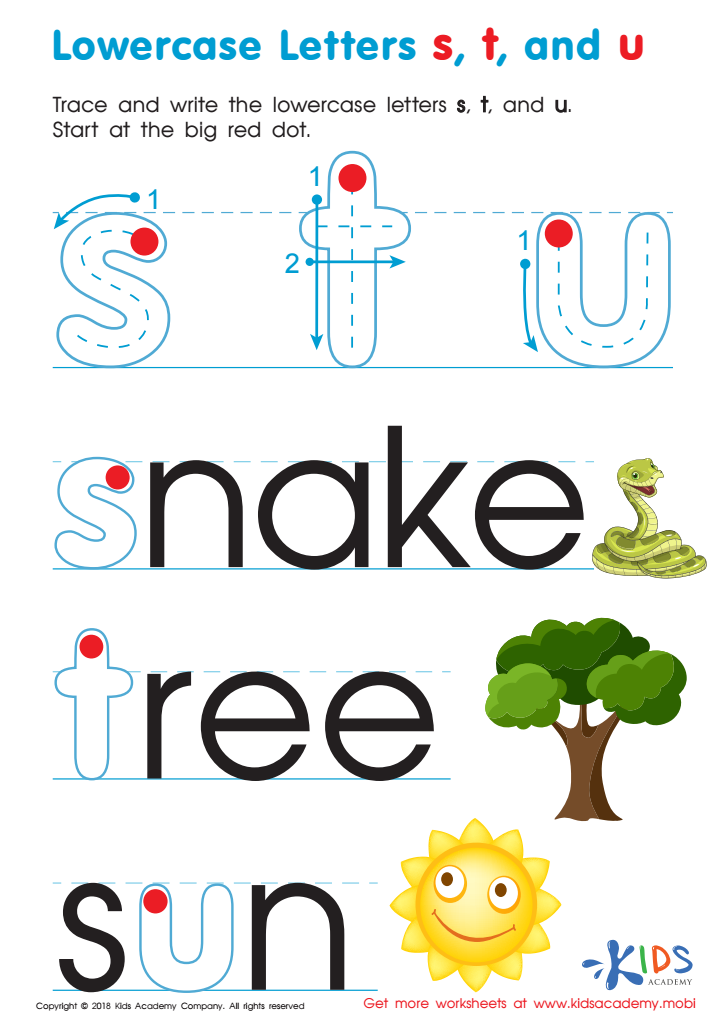
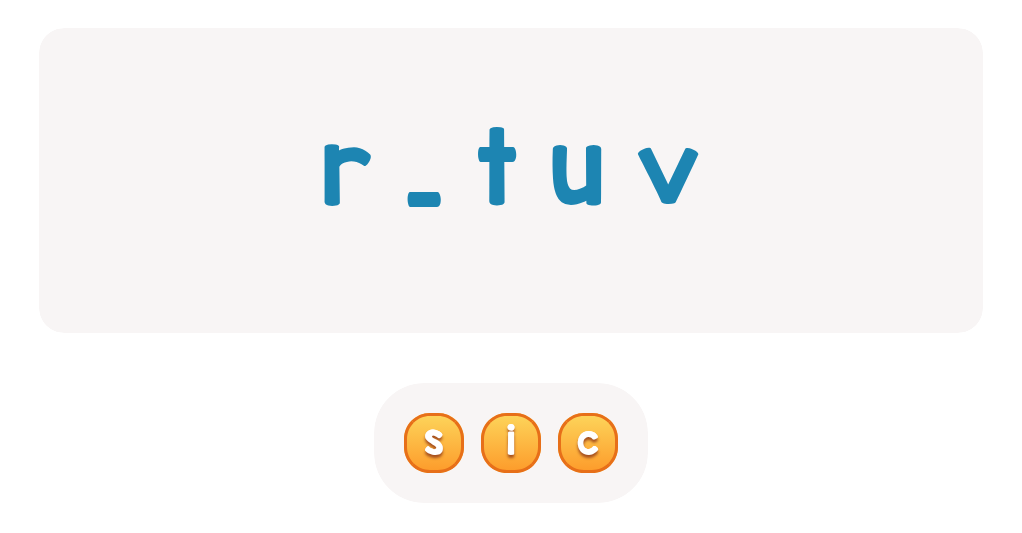
Lowercase Letters s t u Worksheet
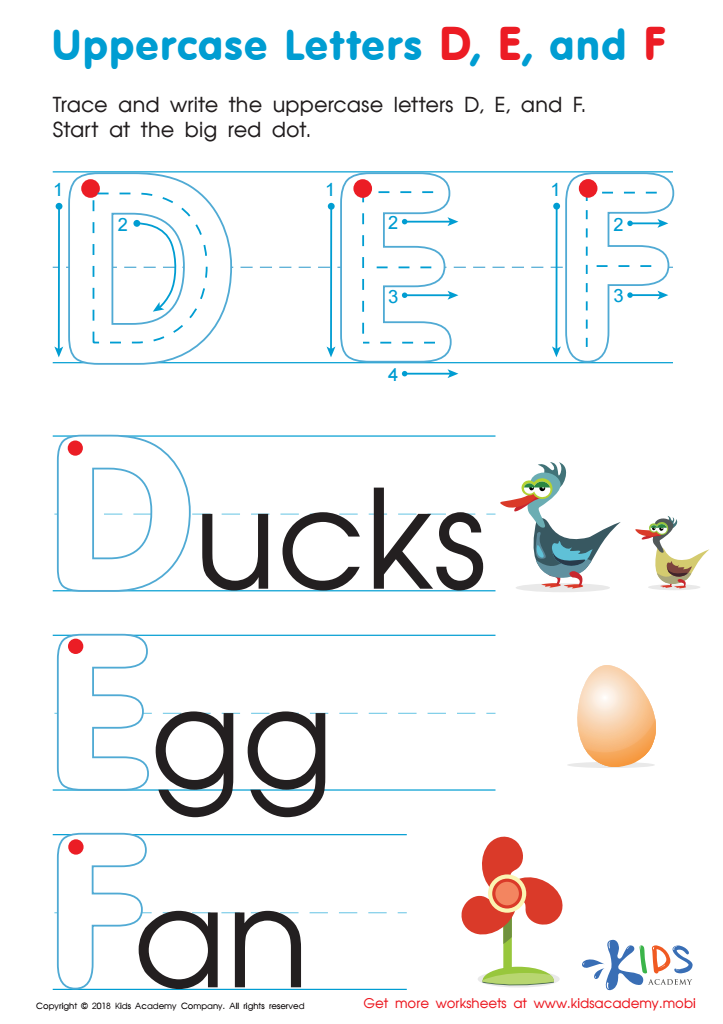
Uppercase Letters D, E, and F Worksheet
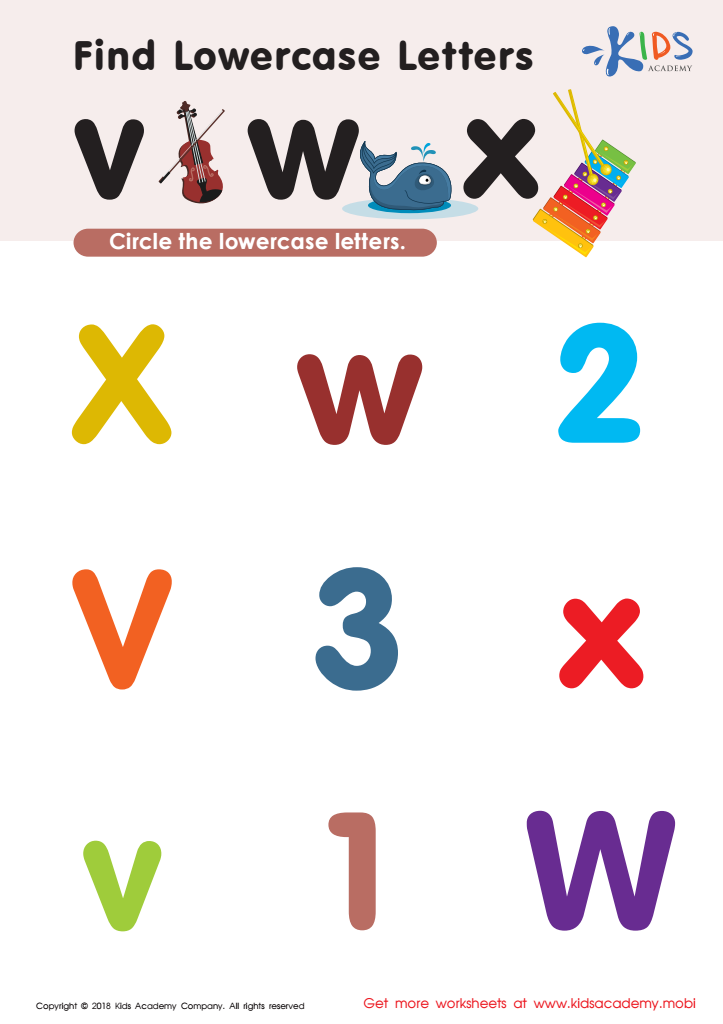
Find Lowercase Letters v w x Worksheet

Uppercase Letters Y Z Worksheet

Find Uppercase Letters M, N, and O Worksheet

Lowercase Letters g h i Worksheet
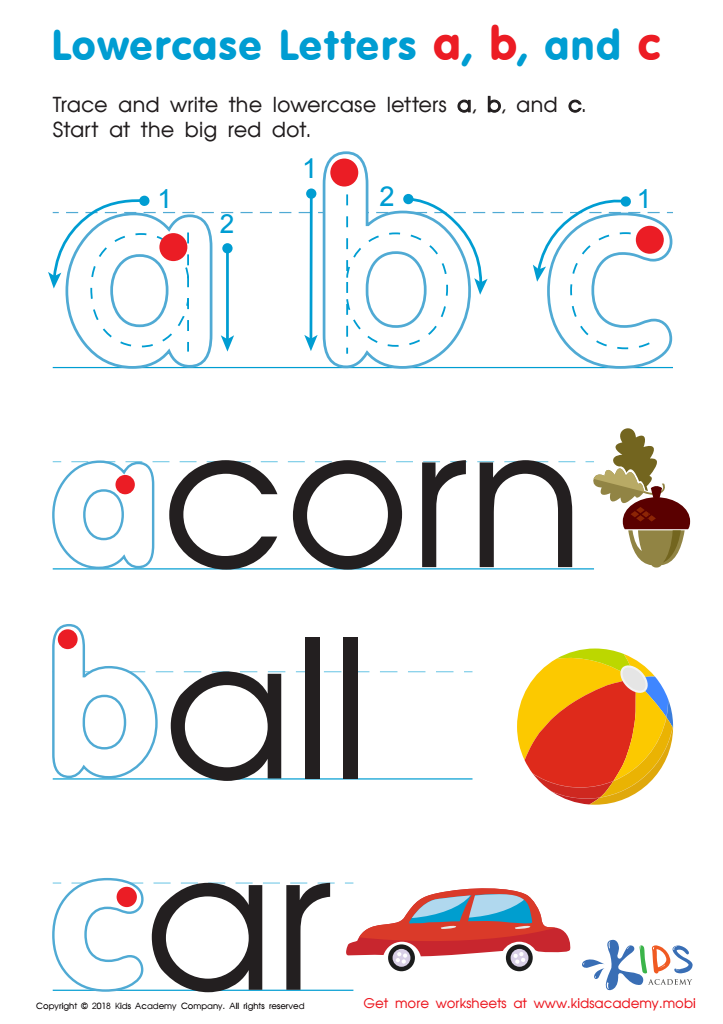
Lowercase Letters a b c Worksheet
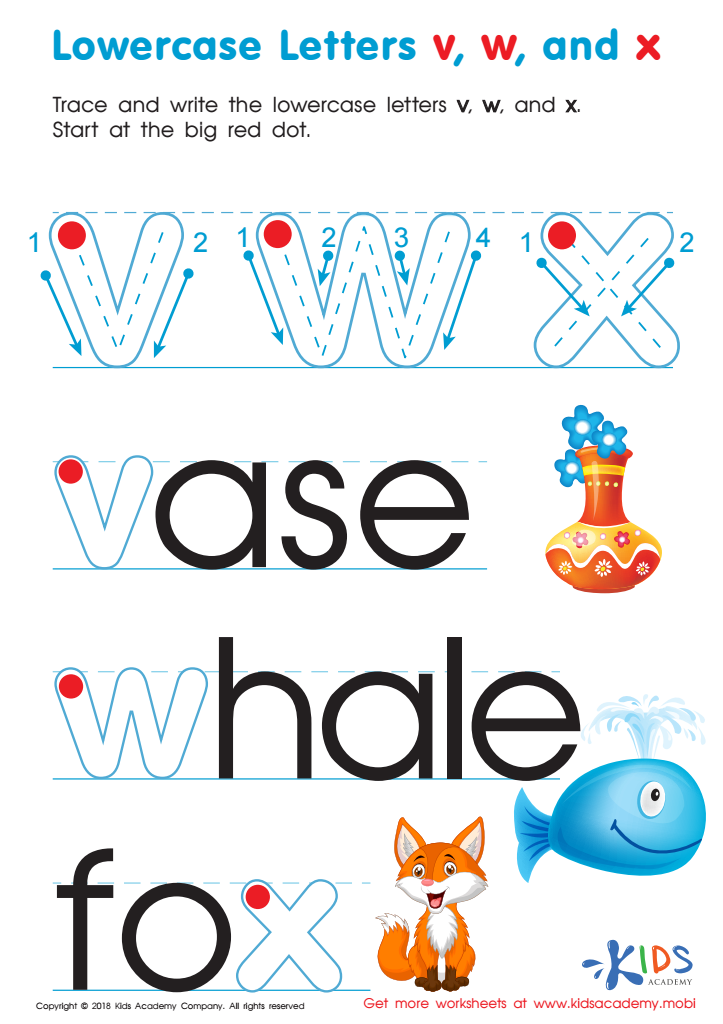
Lowercase Letters v w x Worksheet
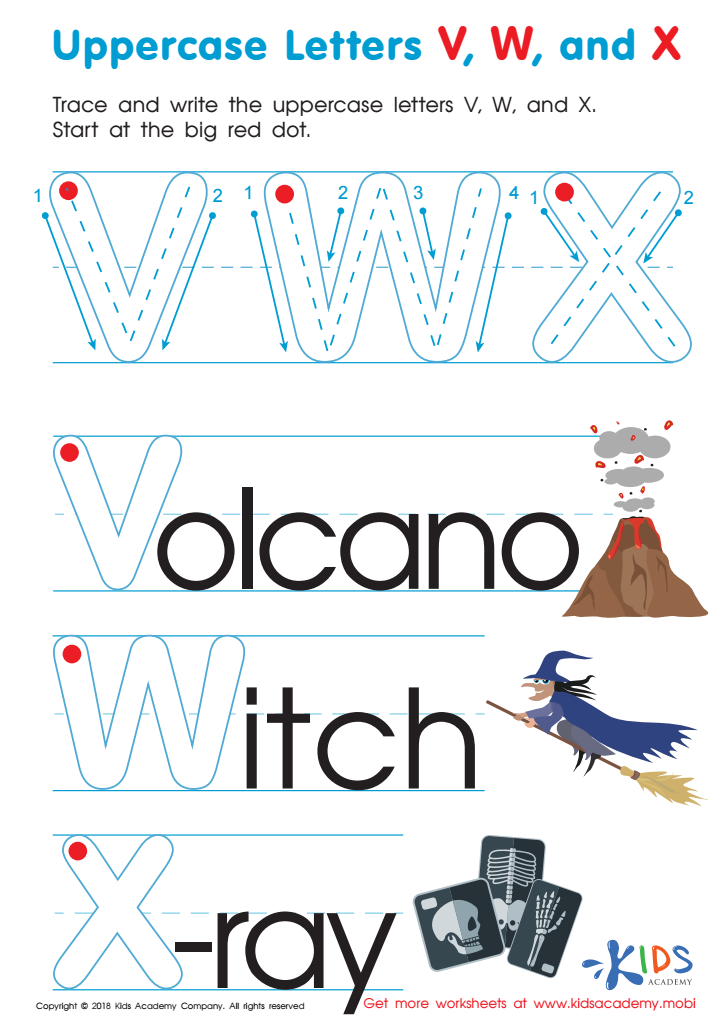
Uppercase Letters V, W, and X Worksheet






Fostering the understanding and use of normal uppercase and lowercase letters in children aged 3-9 is crucial for their literacy development. Parents and teachers play a pivotal role in this process as it lays the foundation for effective reading and writing skills. Capital and lowercase letters serve different functions; knowing when to use each aids in proper sentence structure, enhances clarity, and fosters comprehensible written communication. This understanding starts early and is built upon as children progress through school.
Introducing the distinction between uppercase and lowercase letters at an early stage helps children in recognizing word patterns, ultimately improving spelling and reading fluency. For instance, knowing that a sentence starts with an uppercase letter and the rest are mostly lowercase guides them to see the systematic nature of written language.
Furthermore, early mastery of this skill paves the way for more complex grammatical lessons in the future, such as understanding proper nouns and the beginnings of new sentences. It’s also essential for handwriting practice, ensuring legibility and coherence in their written work. Early and consistent reinforcement by parents and teachers solidifies these foundational skills, facilitating seamless advancement in the child’s academic journey and day-to-day communication. By caring about and investing in this literacy aspect, children are better equipped for lifelong learning and success.







