Normal Animals Worksheets for Ages 3-9 - Page 3
49 filtered results
-
From - To
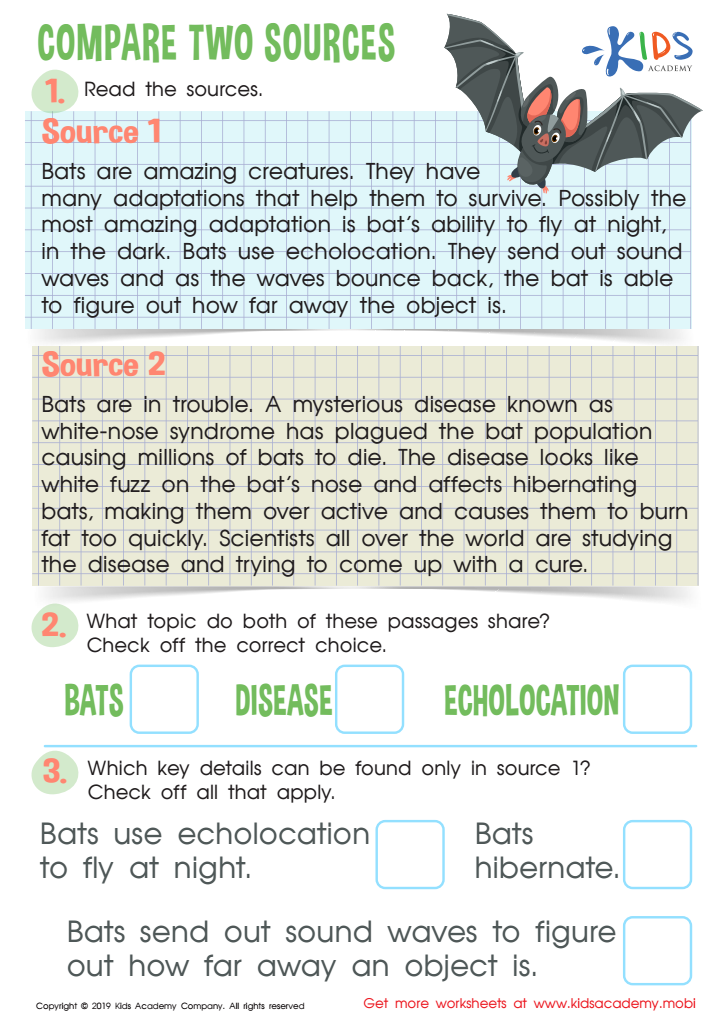
Compare Two Sources Worksheet
 Assign to My Students


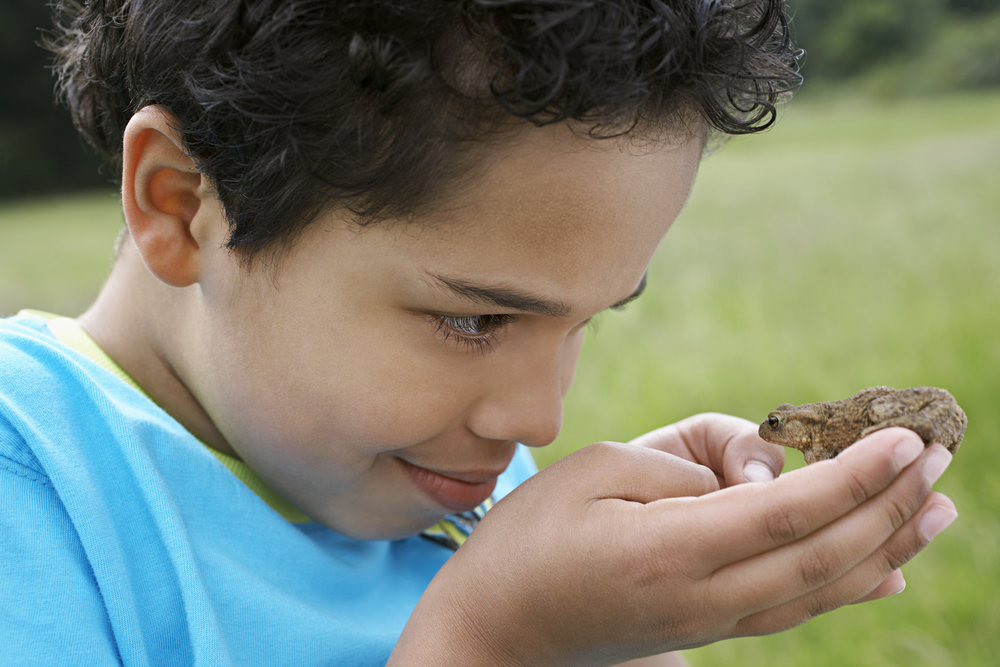





Parents and teachers should care about introducing normal animals to children ages 3-9 because these creatures play a vital role in a child's development and understanding of the world. Learning about animals fosters a sense of curiosity and wonder, prompting kids to ask questions and seek knowledge, which is fundamental for cognitive development. Animals also serve as an excellent way for children to learn about empathy and responsibility. Caring for pets, learning about animal habitats, and understanding their needs and behaviors can teach important life skills and compassion.
Furthermore, discussing normal animals can enhance vocabulary and language skills as children learn the names, characteristics, and habitats of various species. This age group is particularly adept at absorbing new information, making it the perfect time to introduce educational, engaging topics such as wildlife.
Teaching children about animals found in their local environment can also instill a sense of connection to their surroundings. For example, a child might become interested in the birds they see from their window or the ants they spot in the garden. Awareness and appreciation of animal life can lead to a lifelong respect for nature and a conscious attitude towards environmental conservation. In essence, animals are a doorway to broader learning, compassion, and environmental stewardship, all of which are invaluable in early education.








