Normal Geography Worksheets for Ages 3-9 - Page 3
51 filtered results
-
From - To
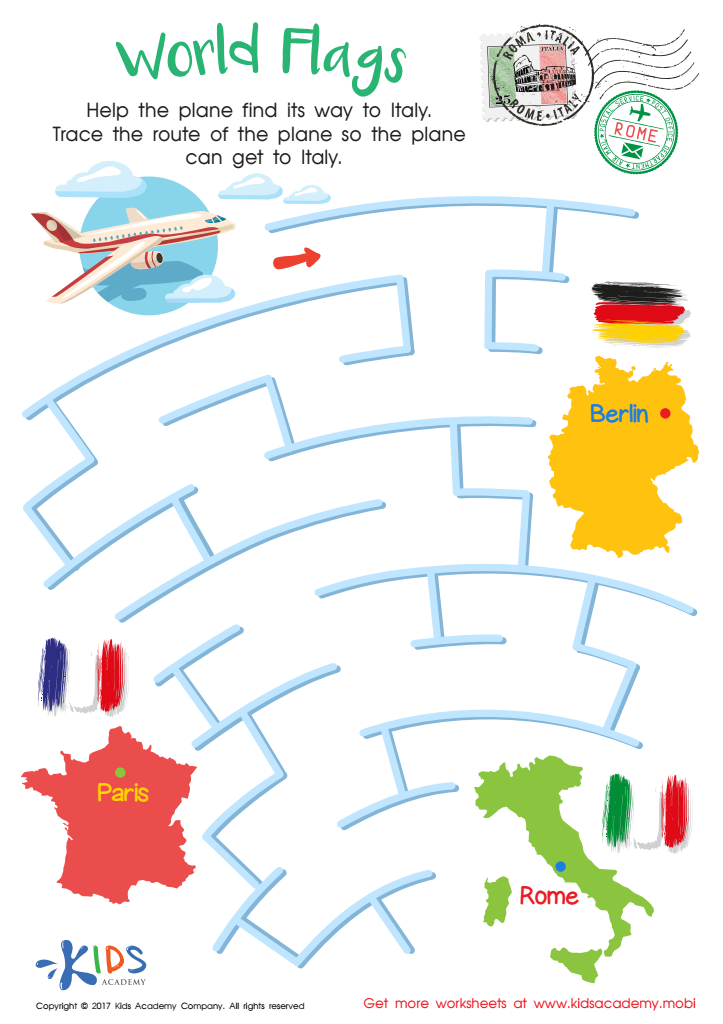
World Flags Maze Worksheet
 Assign to My Students
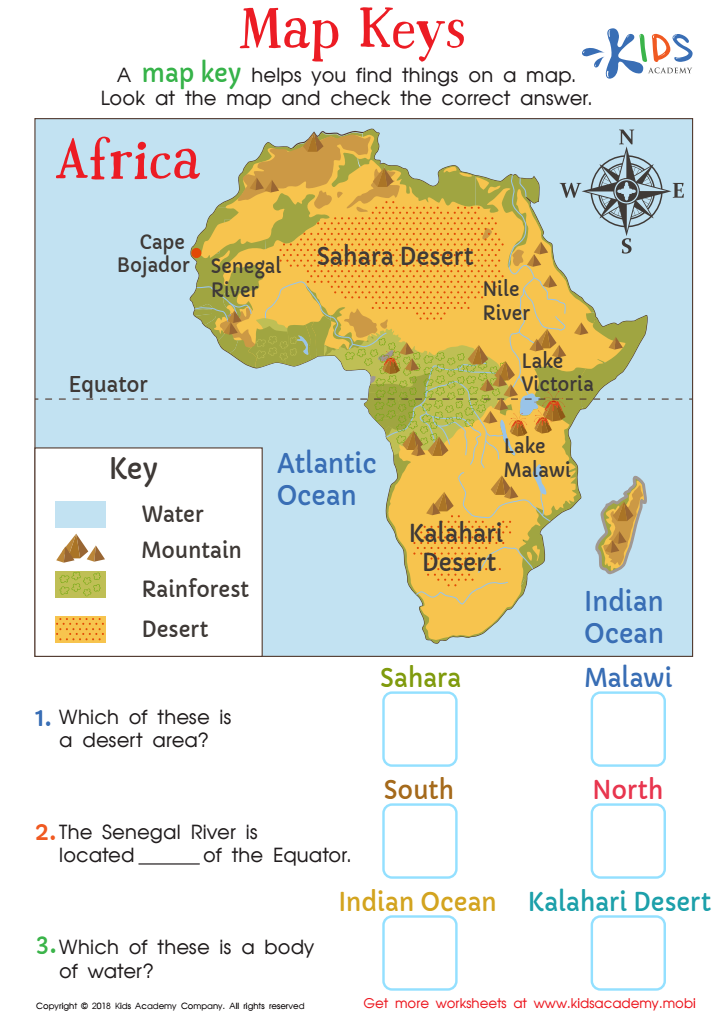
Map Keys Worksheet
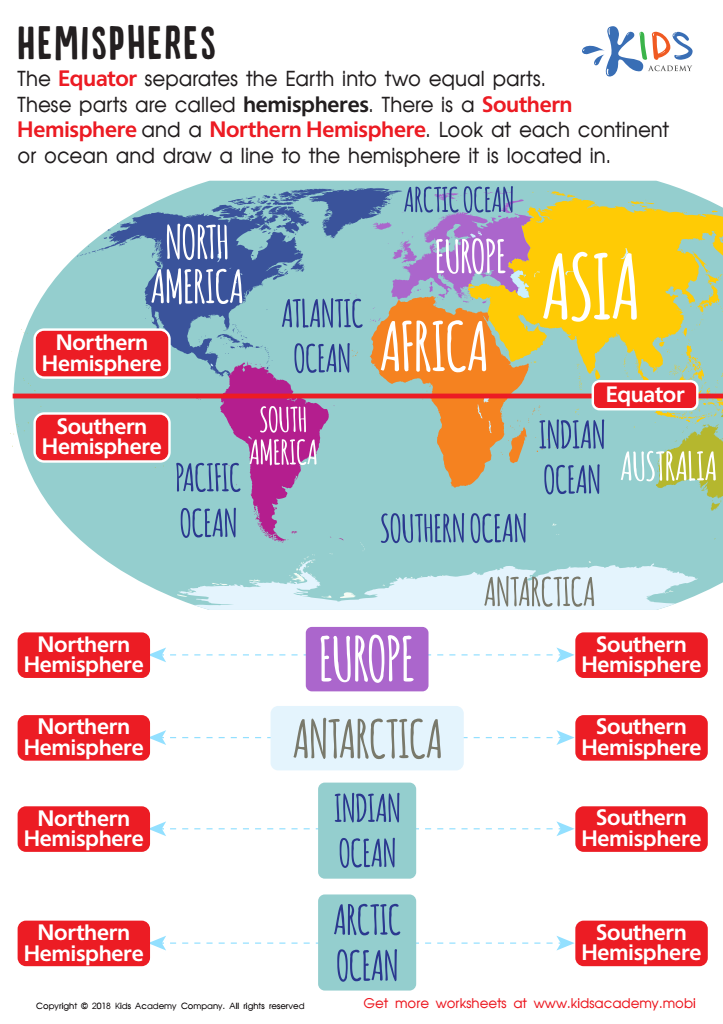
Hemispheres Worksheet


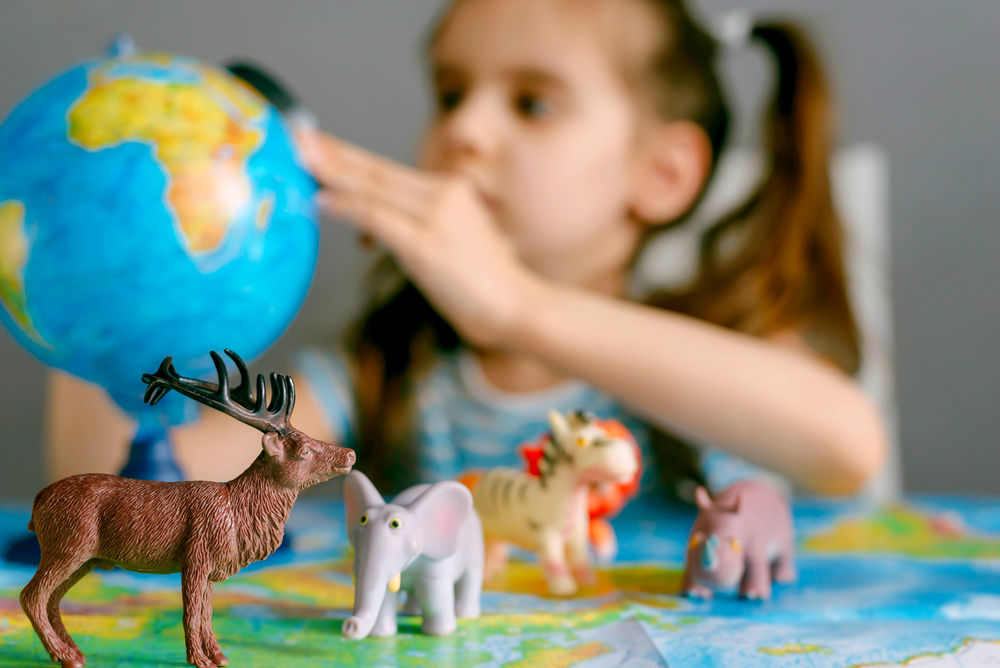




Parents and teachers should care about introducing normal geography to children ages 3-9 because it helps build a fundamental understanding of the world around them. At this developmental stage, kids are naturally curious and eager to explore their environment. By learning about geography, they gain insights into different places, cultures, and natural features, fostering a sense of global awareness and cultural sensitivity.
Teaching geography also enhances children's cognitive skills. It introduces them to maps, directions, and spatial thinking, which are critical components of both math and science education. Understanding geographical concepts helps young learners make sense of their own surroundings and can be the foundation for more complex subjects later in their academic journey.
Moreover, geography education promotes critical thinking and problem-solving skills. By exploring weather patterns, landforms, and ecosystems, children learn to ask questions, seek solutions, and make connections between their immediate environment and the larger world.
On a personal level, engaging with geography can spark a lifelong interest in travel, nature, and history. It motivates children to appreciate and safeguard the planet, nurturing responsible global citizens. Ultimately, achieving fundamental geography knowledge in the early years is an investment in a child’s holistic development, enriching both their academic and personal growth.