Normal Worksheets for Ages 4-8 - Page 69
1637 filtered results
-
From - To
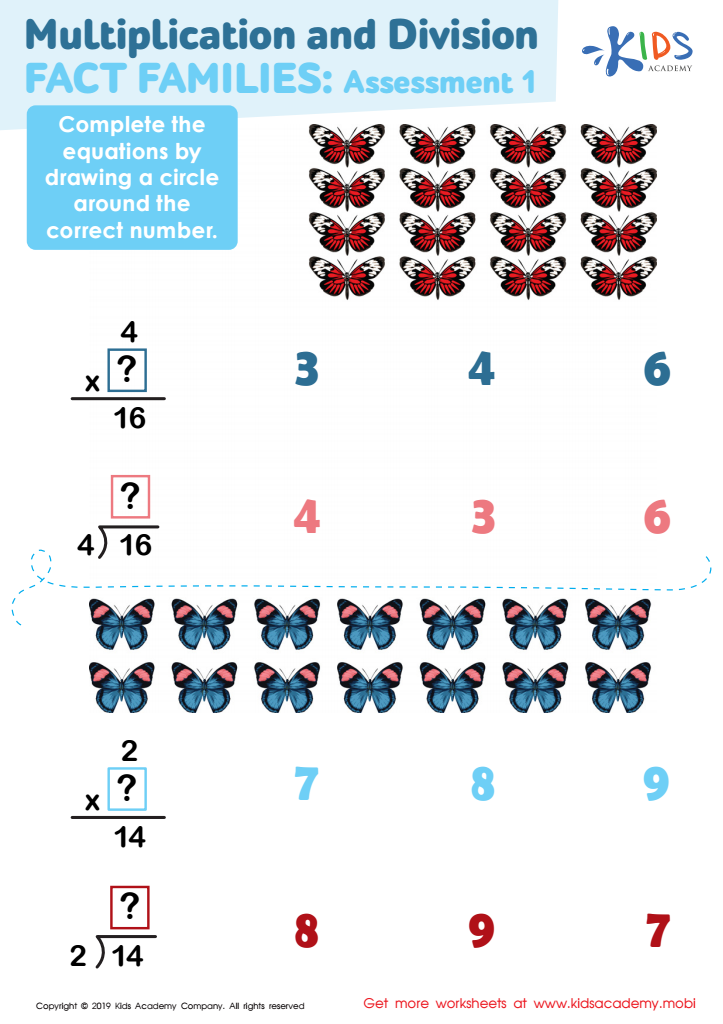
Multiplication and Division Fact Families Assessment 1 Worksheet
 Assign to My Students
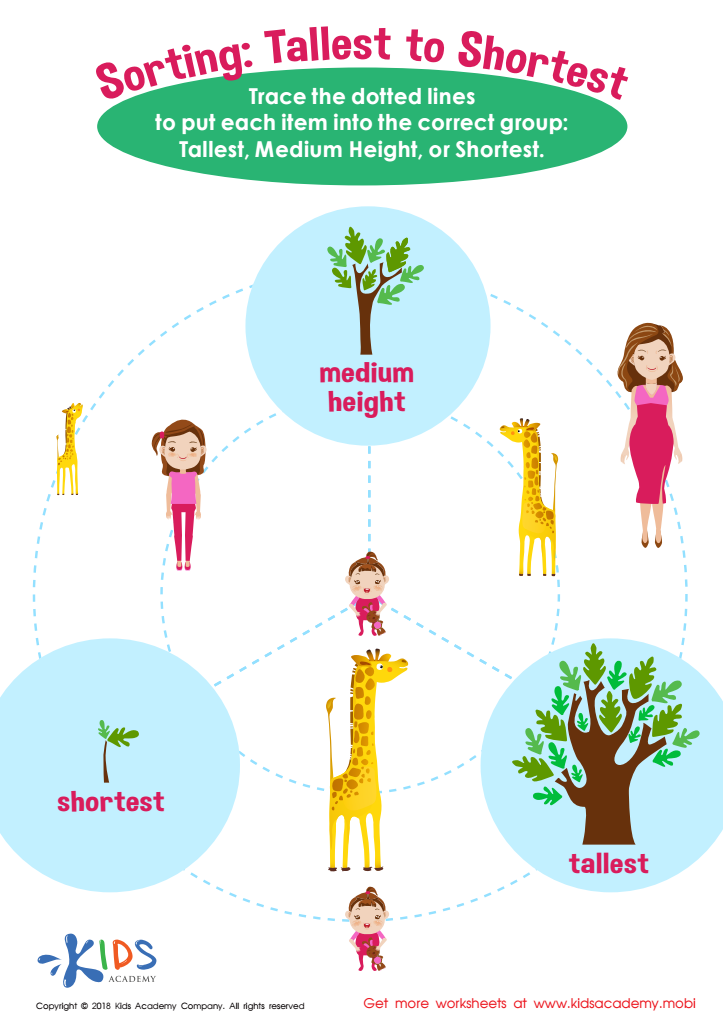
Sorting: Tallest to Shortest Worksheet
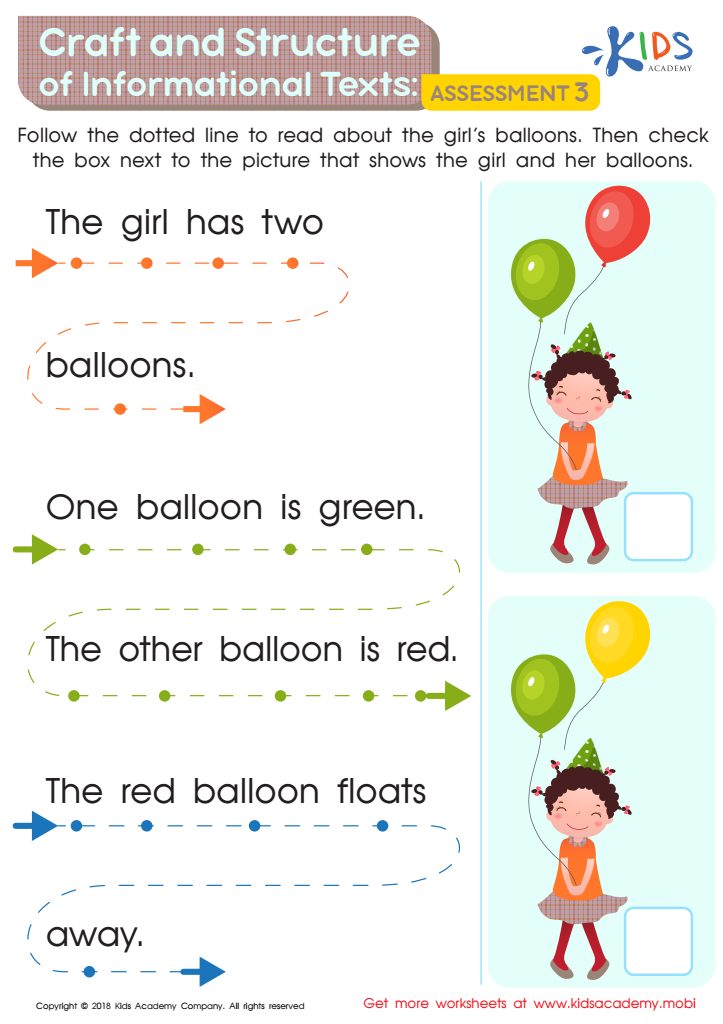
Craft and Structure of Informational Texts: Assessment 3 Worksheet
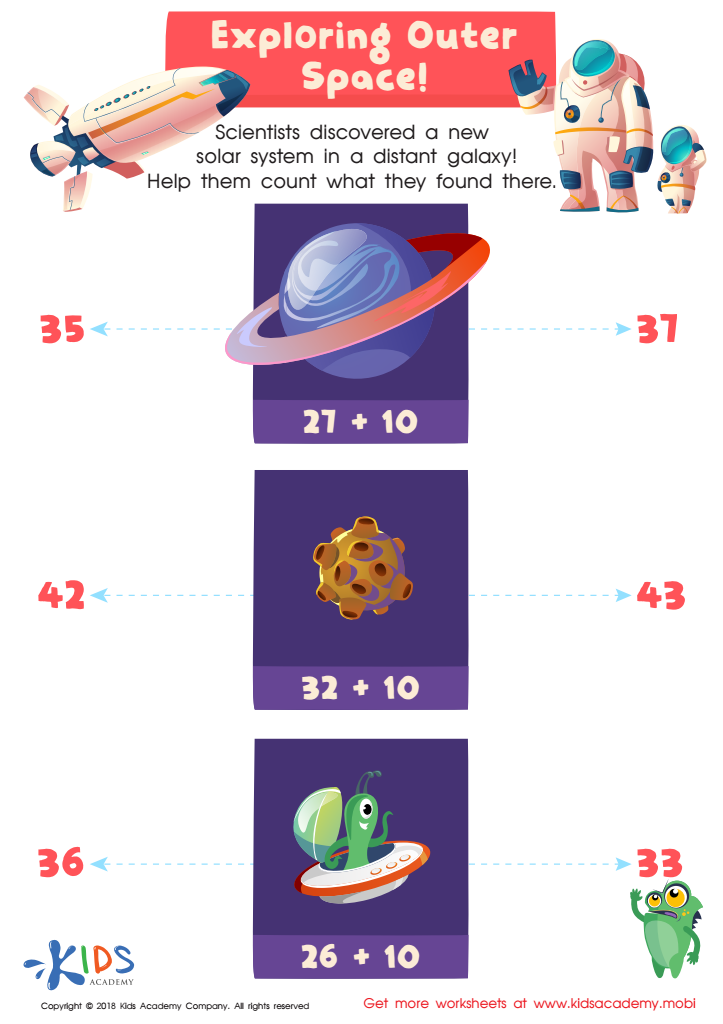
Exploring Outer Space Worksheet
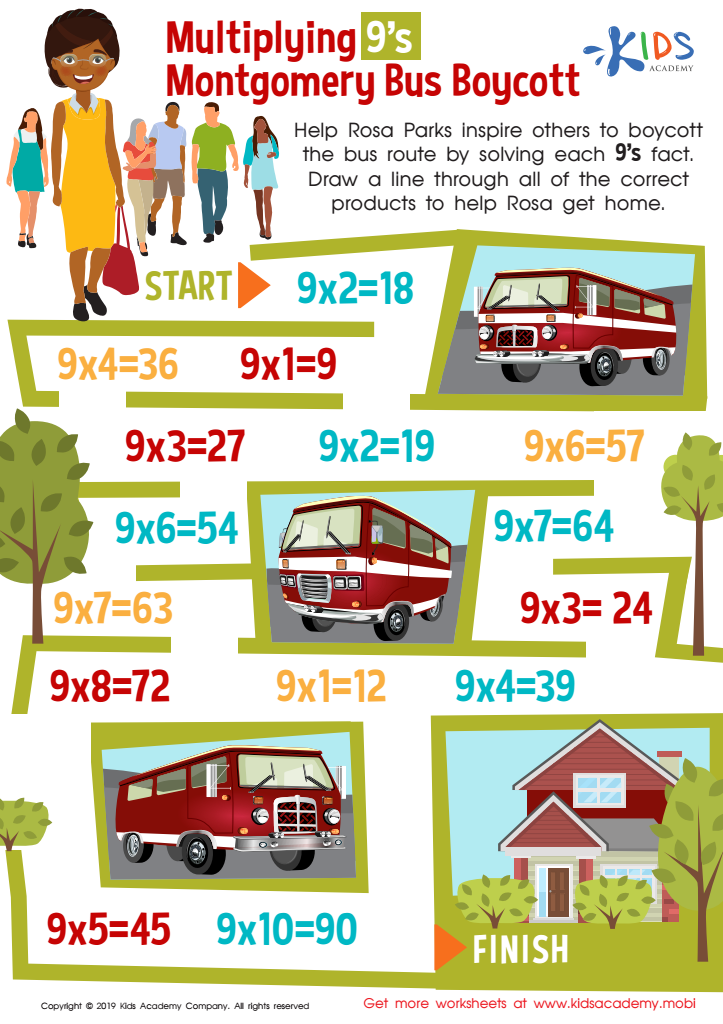
Multiplying 9’s Montgomery Bus Boycott Worksheet







Caring for the social, emotional, and cognitive development of children aged 4-8 is crucial as this stage lays the foundation for their future learning and behavior. During these formative years, children explore their identities and relationships with others, making it essential for parents and teachers to foster a supportive environment. Addressing children's development "norms" helps in identifying potential challenges, allowing for timely interventions that support growth.
Engagement with children at this age creates opportunities to develop critical skills, such as communication, empathy, and problem-solving. By understanding the expected developmental milestones, parents and teachers can better nurture each child's unique competencies and interests. Recognizing signs of normal development also enhances the ability to celebrate achievements, reinforcing children's self-esteem and motivation.
Moreover, creating a partnership between parents and teachers allows for a cohesive approach to address any behavioral or learning challenges. This collaboration can lead to more effective strategies tailored to individual needs, ensuring that each child flourishes both academically and socially. Ultimately, a keen attention to developmental norms helps cultivate well-rounded, resilient children prepared to face the complexities of life beyond the classroom.








