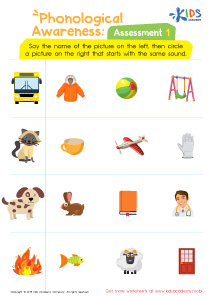
Normal Vowels and Consonants Worksheets for Ages 4-8 - Page 2
26 filtered results
-
From - To
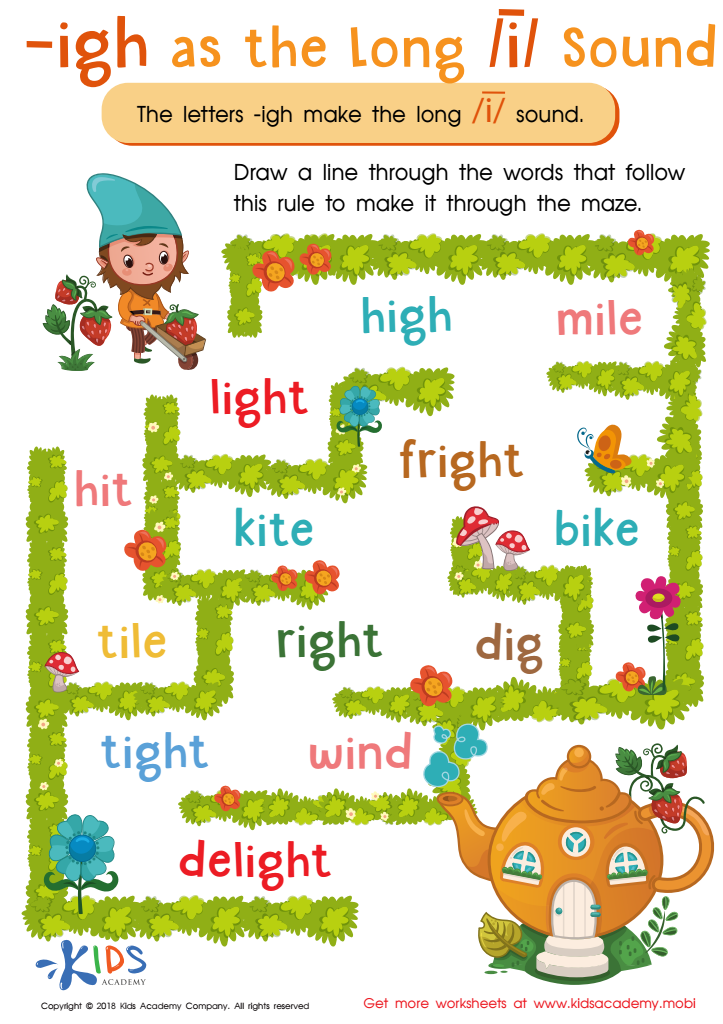
Reading: IGH as Long I Worksheet
 Assign to My Students
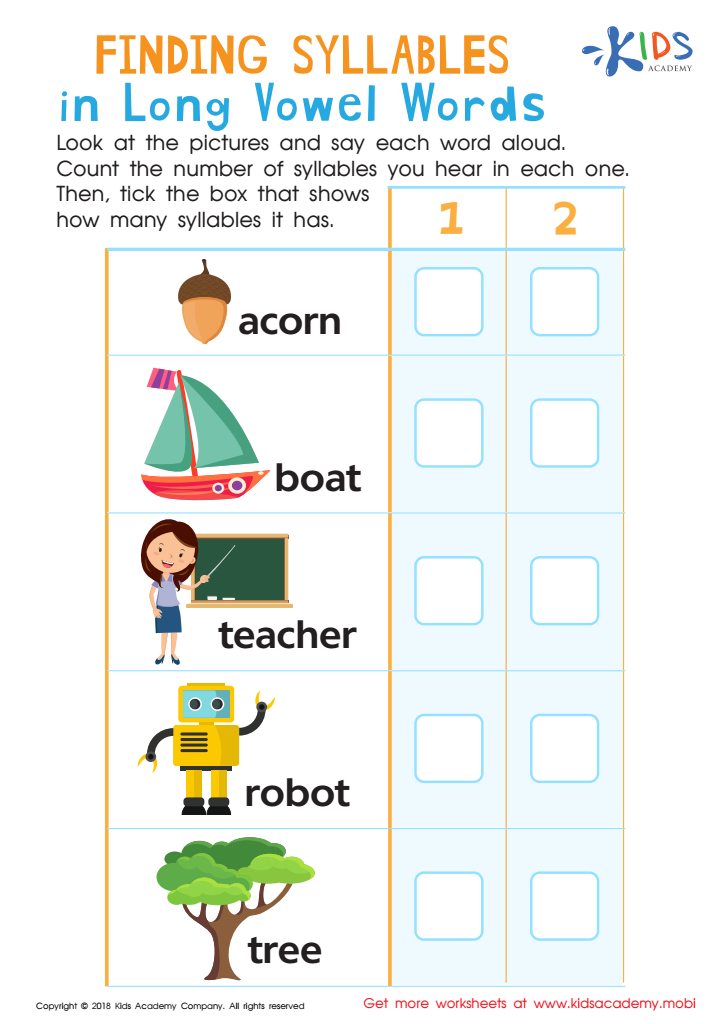
Finding Syllables in Long Vowel Words Worksheet



Understanding normal vowels and consonants is essential for children aged 4-8 as it forms the foundation of literacy development. During these formative years, children are learning the basics of phonics—recognizing and manipulating those sounds plays a critical role in their reading and writing skills. Mastery of vowels and consonants aids children in decoding words, enhancing their ability to read independently.
Parents and teachers should recognize that proficiency in phonemic awareness leads to improved spelling and vocabulary. When children are familiar with the sounds associated with various letters, they become more confident in their communication skills. This encourage a love for reading and a deeper engagement with texts.
Moreover, understanding vowels and consonants is not only about language skills; it also supports cognitive development and critical thinking. By organizing sounds and categorizing them, children learn to differentiate and create new ideas.
In a broader sense, a strong grasp of basic phonetic concepts sets kids on a successful educational path, impacting their overall academic achievement. Ultimately, nurturing these fundamental skills lays the groundwork for lifelong literacy and communication, making it imperative for both parents and teachers to focus on this critical aspect of development.