Fun and Engaging Printable Worksheets for 4-Year-Olds: Explore the 5 Senses in a Science Adventure!
8 filtered results
-
From - To
Introducing "Normal The 5 Senses for 4-Year-Olds" – a captivating collection of worksheets designed specifically to engage, educate, and excite your preschooler about the wonders of their five senses. Crafted with care for 4-year-olds, this set aims to spark curiosity and provide foundational knowledge about sight, sound, touch, taste, and smell in an interactive, fun-filled manner. Through a variety of activities, these worksheets not only enhance sensory awareness but also support the development of critical thinking and observation skills. Perfect for home or classroom use, "Normal The 5 Senses for 4-Year-Olds" is your go-to resource for nurturing young learners' exploration of the world around them.
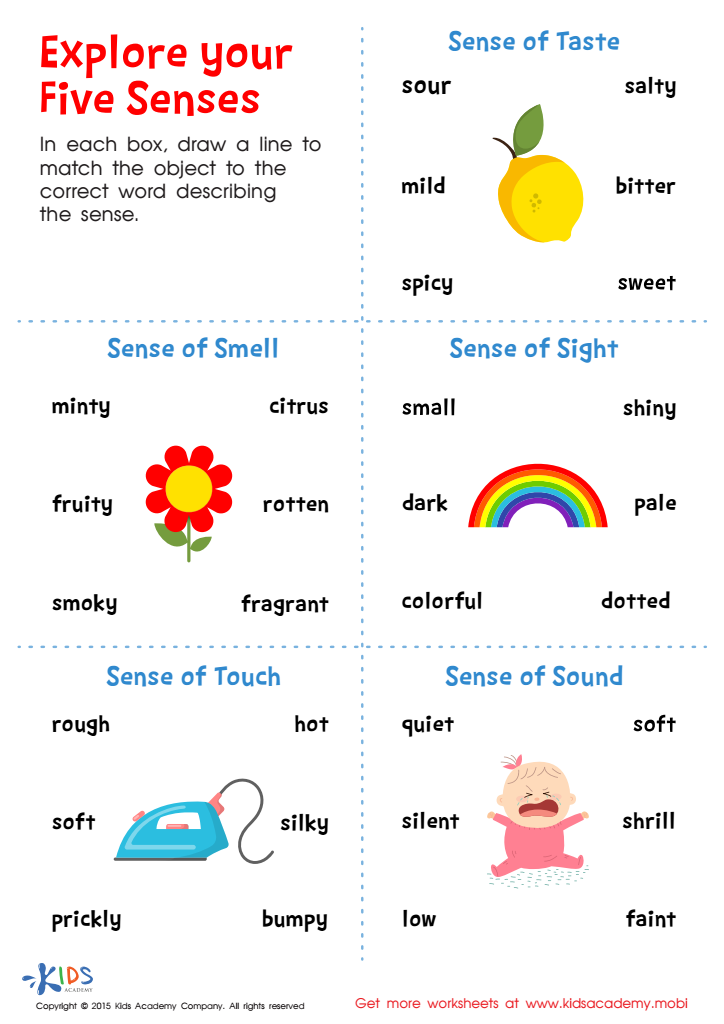
Explore Your Five Senses Printable
 Assign to My Students
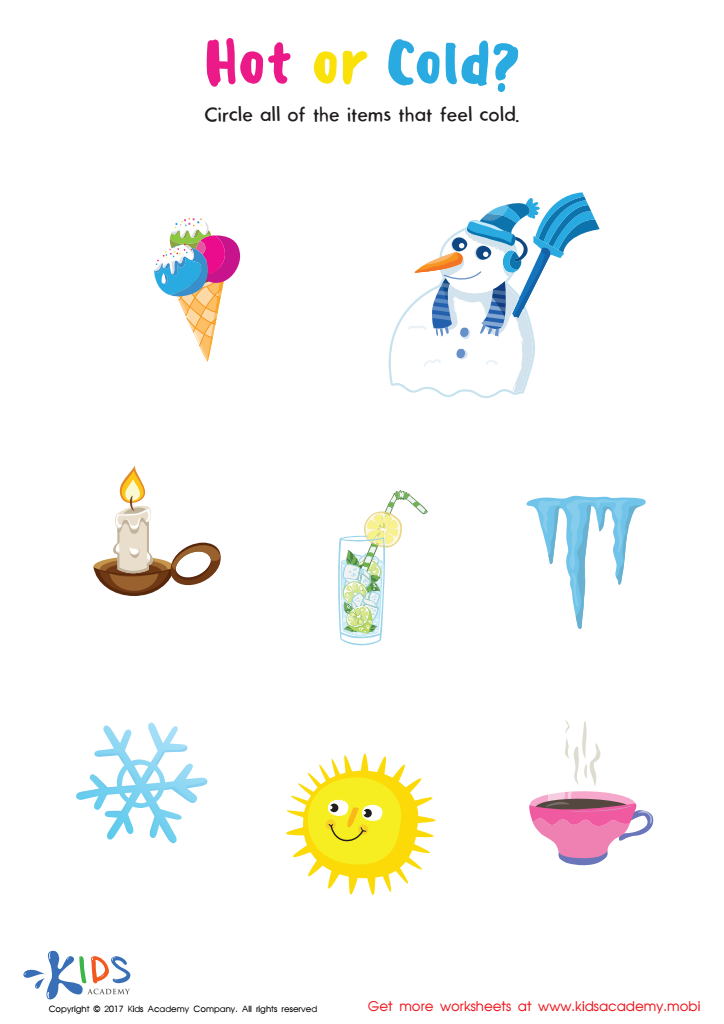
Hot or Cold Printable
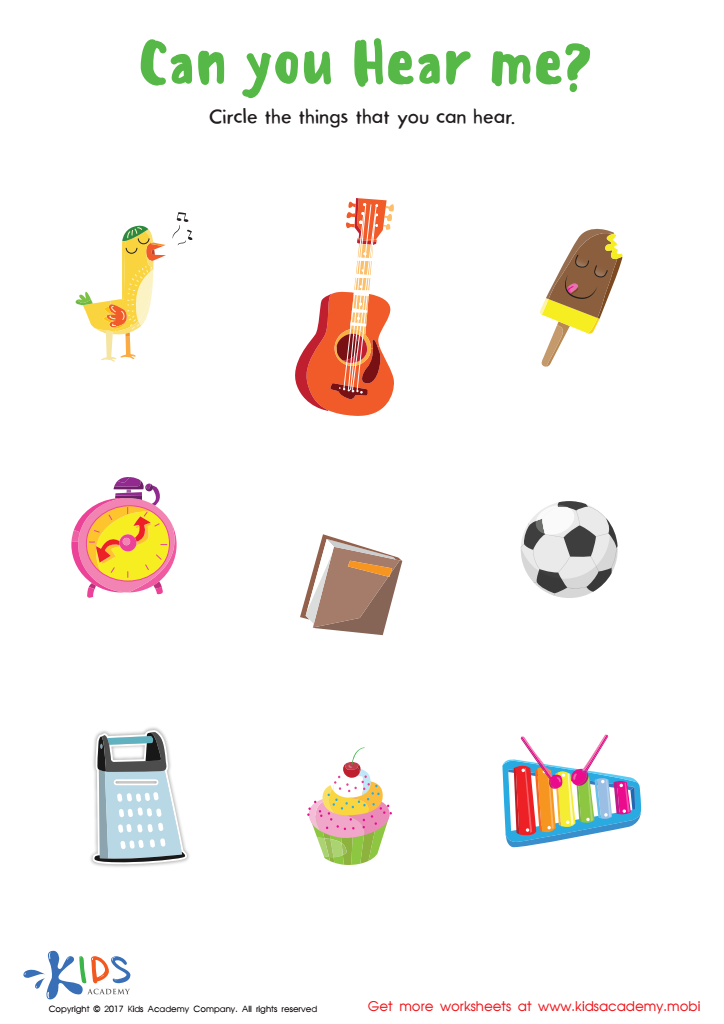
Can You Hear Me Worksheet
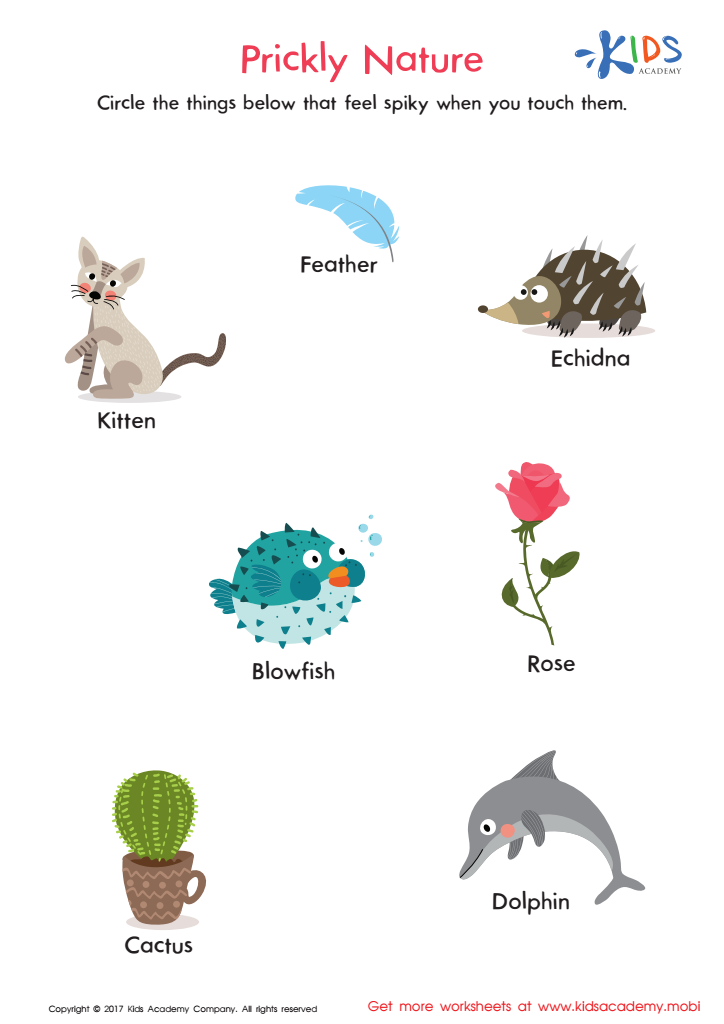
Prickly Nature Worksheet
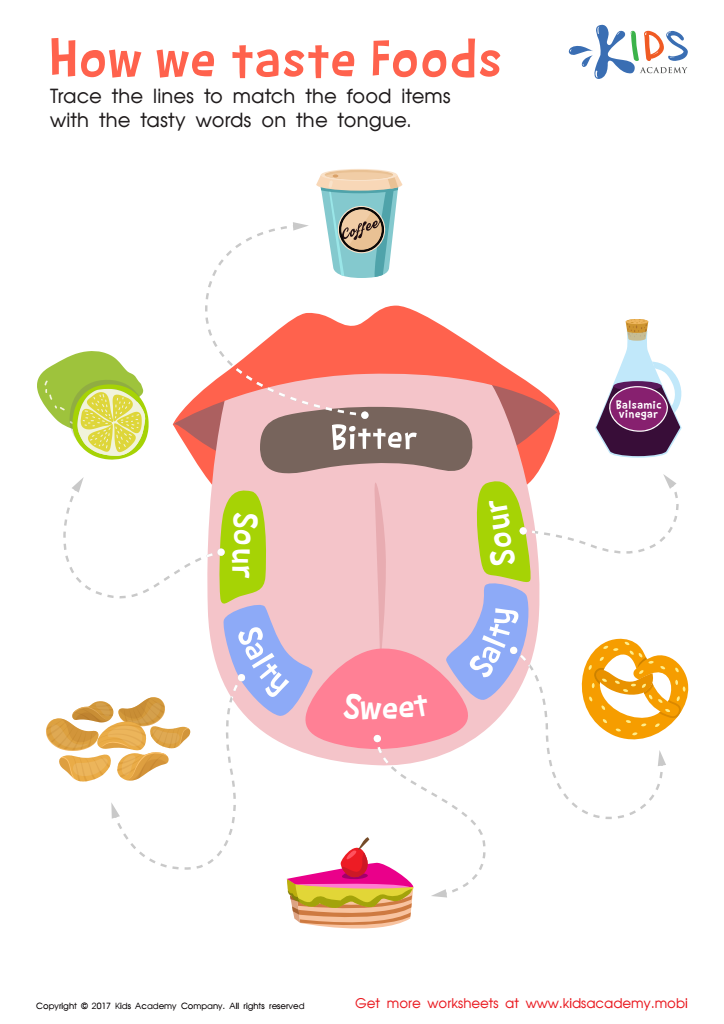
How We Taste Foods Worksheet
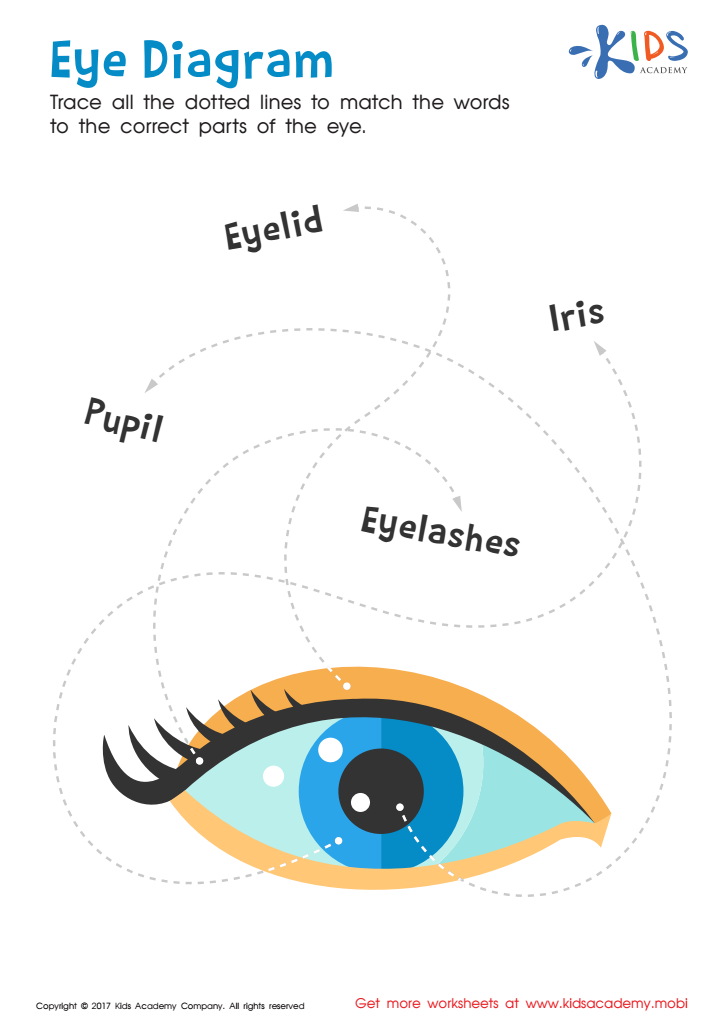
Eye Diagram Printable
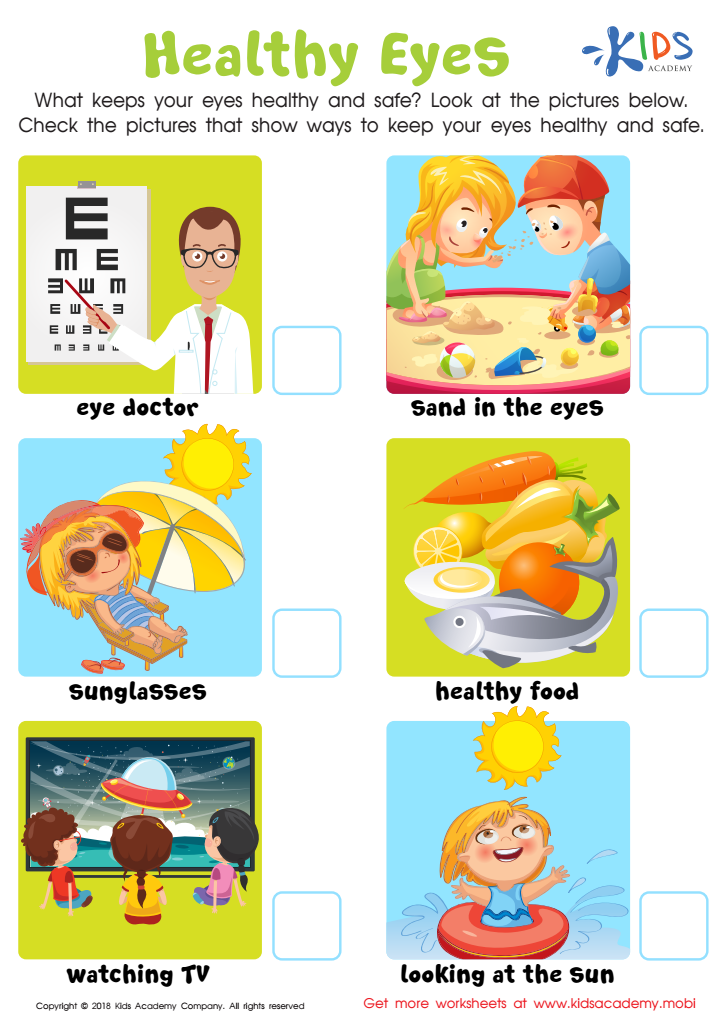
Healthy Eyes Worksheet
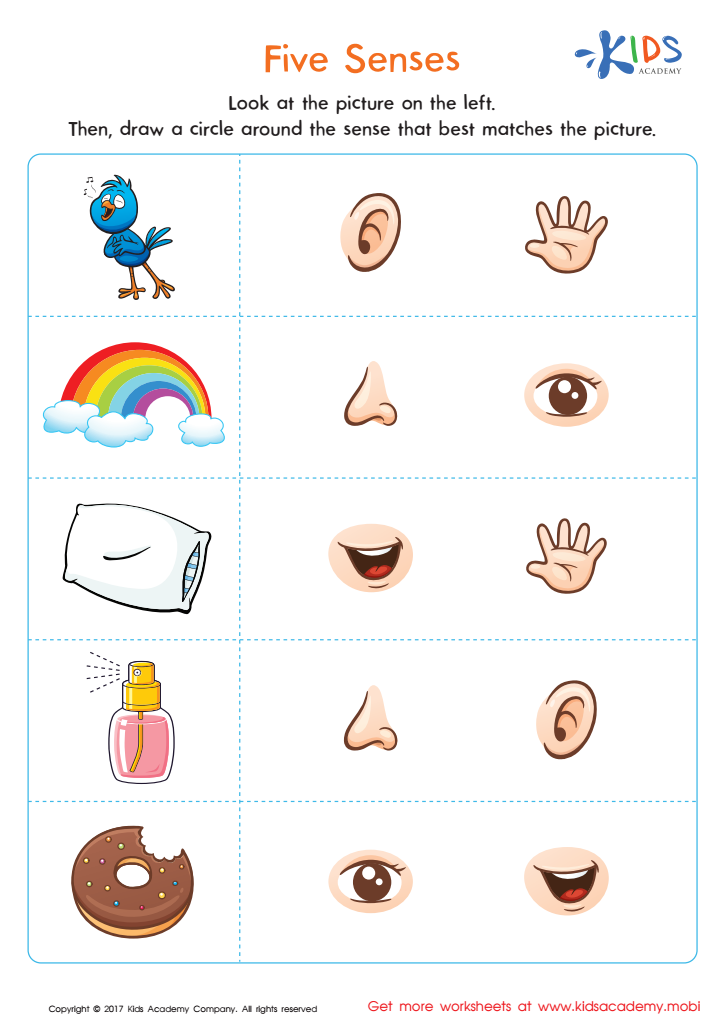
Five Senses Printable



Normal The 5 Senses worksheets for 4-Year-Olds serve as a foundational tool in early childhood education, providing numerous benefits that are crucial for the development of young learners. These worksheets are specifically designed to introduce children to the fascinating world of our five senses: sight, hearing, touch, taste, and smell. This early exposure helps children understand how their bodies interact with the environment, fostering a sense of curiosity and wonder about the world around them.
Utilizing Normal The 5 Senses worksheets for 4-Year-Olds supports cognitive development by encouraging critical thinking and observation skills. As children engage with these worksheets, they learn to identify and differentiate between the senses, which is a key component of sensory development. This knowledge is essential for their future learning, as it lays the groundwork for more complex scientific concepts.
Moreover, these worksheets are crafted to be engaging and age-appropriate, ensuring that learning about the senses is both fun and educational. Activities such as matching, coloring, and identifying different sensory experiences help to enhance fine motor skills and hand-eye coordination.
In summary, Normal The 5 Senses worksheets for 4-Year-Olds are invaluable educational resources. They not only introduce young learners to basic scientific principles but also stimulate their sensory development, cognitive skills, and overall curiosity about the natural world.